

Understanding the Purpose of a Home Recording Studio
At its core, a home recording studio is designed to establish a controlled and consistent acoustic environment. The primary objectives are twofold: to prevent external sounds from contaminating the recording (sound ingress) and to contain the recorded sound within the studio space, preventing it from disturbing others (sound egress). Crucially, it also aims to minimize unwanted sound reflections within the recording space that can degrade the quality of the captured audio.
These objectives are achieved through various means, often involving the construction of a dedicated recording booth or the adaptation of existing domestic spaces, such as offices, garages, or even walk-in closets, into acoustically suitable recording areas. The ultimate goal is to isolate the performer and their voice from the ambient noise and reverberation of their surroundings, ensuring that only the direct sound of the voice is captured by the microphone.

Addressing Unwanted Sound Reflections: Traditional and Modern Approaches
The mitigation of sound reflections is paramount in achieving professional-sounding recordings. The physics of sound dictates that hard, flat surfaces will readily reflect sound waves, leading to undesirable echoes and reverberations. Conversely, soft, porous materials tend to absorb these sound waves, thereby reducing reflections. This principle underpins various acoustic treatment methods.
Historically, and even in many contemporary DIY setups, readily available materials have been employed. Thick curtains, heavy duvets, and strategically placed blankets can effectively absorb sound. Similarly, while glass surfaces are notorious for their reflective properties, materials like acoustic foam tiles are designed to diffuse and absorb sound waves. Even unconventional items like upholstered furniture or, as humorously suggested in some discussions, pets covered in fur, can contribute to sound absorption due to their non-reflective surfaces.
The Rise of the Reflection Filter
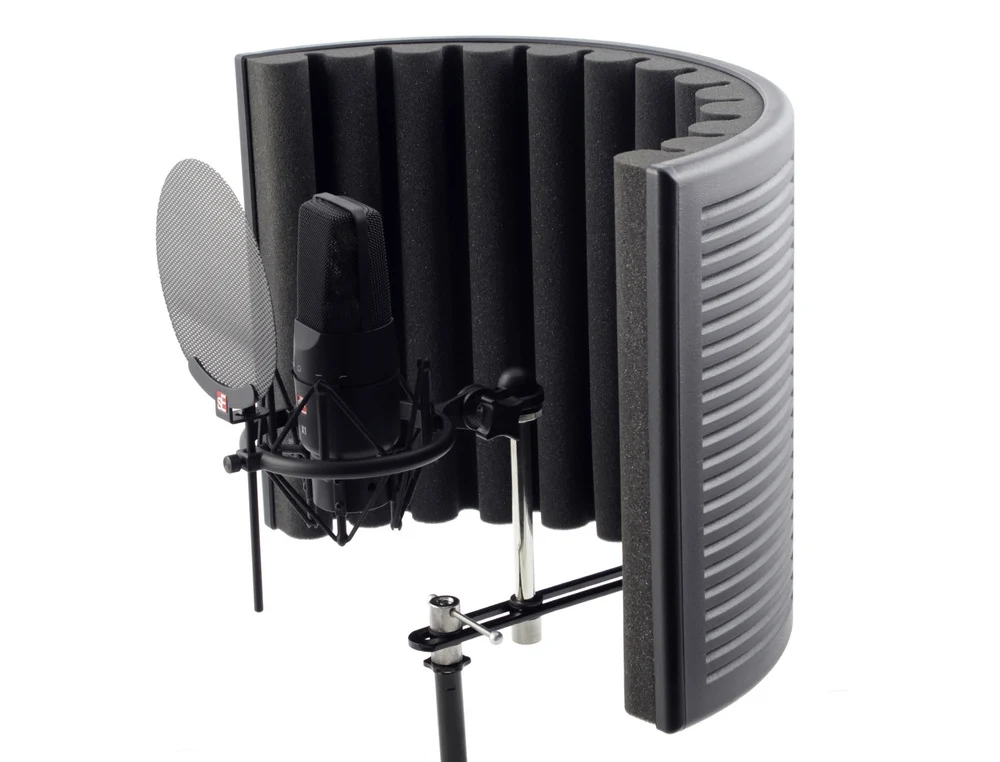
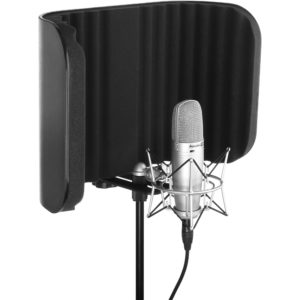
In recent years, the market has seen the proliferation of specialized devices marketed as "sound reflection filters." These are typically semi-circular or U-shaped structures, often made of acoustically absorbent material, designed to be mounted around a microphone. Popular examples include models from manufacturers like Auray and SE Electronics. The visual design of these filters, with their inner lining of sound-dampening material and their placement directly around the microphone, strongly suggests a direct impact on sound reflections.

The marketing narrative surrounding these products often emphasizes their ability to create a localized "sweet spot" for recording, effectively isolating the microphone from room acoustics. Users are led to believe that by placing the microphone within the confines of the filter, they are significantly reducing the capture of unwanted room reflections, thereby enhancing the clarity and professionalism of their recordings.
The Crucial Role of Microphone Pickup Patterns
To critically assess the efficacy of sound reflection filters, it is essential to understand how microphones capture sound. Microphones are not omnidirectional sound collectors; most possess directional characteristics, meaning they are more sensitive to sound originating from specific directions. This directional sensitivity is described by the microphone’s "polar pickup pattern."
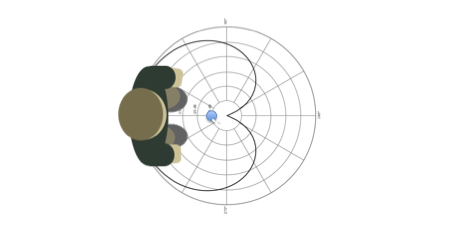
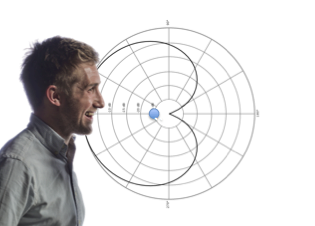
A polar pickup pattern illustrates the area or space from which a microphone captures sound, relative to its front. This is typically represented visually as a diagram, with the microphone positioned at the center. The common polar pickup patterns include:
- Omnidirectional: Captures sound equally from all directions (360 degrees).
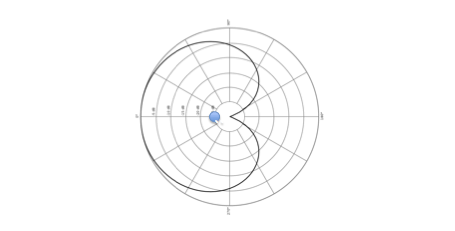
- Cardioid: Most sensitive to sound from the front and less sensitive to sound from the sides and rear. This pattern resembles a heart shape, hence the name.
- Supercardioid and Hypercardioid: Variations of the cardioid pattern that are even more directional, with narrower pickup angles at the front and increased rejection from the sides, but with some sensitivity directly behind the microphone.
- Bidirectional (Figure-8): Equally sensitive to sound from the front and the rear, with significant rejection from the sides.
Many high-end studio microphones, such as the Neumann U87, offer switchable polar patterns, allowing users to select the most appropriate pattern for their recording situation. However, for most voice-over applications, the cardioid pattern is the standard choice. This preference stems from its ability to significantly reduce the capture of ambient room noise and unwanted reflections from the sides and rear of the microphone. By focusing on the sound source directly in front, the cardioid pattern inherently helps to minimize the impact of the recording environment.
Visualizing the Cardioid Pattern
To illustrate, consider a top-down view of a cardioid microphone. The pickup pattern resembles a heart shape, with the apex pointing towards the front of the microphone. When a voice artist speaks into the front of the microphone, their voice falls within this primary pickup area. The pattern effectively creates a directional "bubble" of sensitivity. This concept extends into three dimensions; from a side view, the pickup pattern can be visualized as a three-dimensional heart-shaped beanbag extending in front of the microphone. While some tolerance exists for slight variations in positioning (left, right, slightly above, or below), sounds originating significantly outside this primary lobe are captured with reduced intensity.
The Reality of Reflection Filters: An Empirical Examination
The critical question then becomes: how do sound reflection filters interact with these microphone characteristics and the phenomenon of sound reflection? The underlying premise of reflection filters is that by physically surrounding the microphone, they will block or absorb sound waves that would otherwise bounce off nearby surfaces and enter the microphone’s pickup pattern.
However, a closer examination, often supported by practical testing and acoustic analysis, reveals a more nuanced reality. When considering a typical cardioid microphone, the primary sound source – the voice artist – is positioned directly in front of the microphone, well within the main lobe of the pickup pattern. Sound reflections, on the other hand, are ambient and can originate from various directions, including the sides and even the rear of the microphone (though significantly attenuated in a cardioid pattern).
When a reflection filter is placed around a cardioid microphone, it primarily blocks sound waves approaching from the sides and rear. Crucially, the cardioid pattern itself already provides significant rejection of sound from these directions. Therefore, the reflection filter is essentially attempting to block sound that the microphone is already designed to ignore or significantly attenuate.
Empirical testing, often involving controlled recordings with and without a reflection filter, has consistently shown a negligible difference in the final audio quality. This observation is not a matter of opinion but a verifiable acoustic phenomenon. The amount of sound energy that a reflection filter can realistically block, given its typical construction and placement relative to a directional microphone, is often far less than what the microphone’s inherent pickup pattern already achieves.
The Illusion of Effectiveness
The perceived effectiveness of reflection filters often stems from several factors:
- Visual Reinforcement: The physical presence of the filter creates a visual impression of acoustic isolation. It looks like it should work, and this visual cue can influence a user’s perception of the audio.
- Marketing and Industry Influence: The widespread marketing and adoption of these filters by some individuals and companies in the audio industry can create a bandwagon effect, leading others to believe they are essential.
- Lack of Technical Understanding: Inexperienced users, or those with less technical knowledge of acoustics and microphone technology, may purchase reflection filters based on recommendations or assumptions without fully understanding the underlying principles.
Can Reflection Filters Harm Recordings?
While reflection filters generally do not actively degrade the quality of a recording, they do not provide the significant sonic improvement that their marketing suggests. They do not eliminate the need for proper acoustic treatment of the recording space. In essence, they offer a false sense of security, potentially leading users to believe they have achieved acoustic isolation when, in reality, the room’s inherent acoustic issues remain largely unaddressed.
The True Path to High-Quality Home Recordings
For aspiring voice artists and home studio enthusiasts, the focus should be on establishing a fundamentally sound recording environment. The most effective strategy for achieving clean, professional-sounding recordings is through proper acoustic treatment of the space itself. This involves addressing sound reflections at their source and throughout the room, not just in the immediate vicinity of the microphone.
Methods for effective acoustic treatment include:
- Building a Vocal Booth: A dedicated, acoustically designed enclosure can provide excellent isolation and control over reflections. These can range from professional, purpose-built booths to DIY solutions using materials like MDF, mass-loaded vinyl, and acoustic insulation.
- Adapting Existing Spaces: Even without a dedicated booth, a room can be significantly improved. This involves strategically placing absorbent materials like bass traps, acoustic panels, and diffusers to manage echoes and reverberation. The goal is to create a "dead" or controlled acoustic space where the microphone captures primarily the direct sound of the voice.
- Avoiding Untreated Spaces: Recording in untreated environments like typical offices, kitchens, or bedrooms is generally ill-advised. These spaces are often filled with hard, reflective surfaces that introduce unwanted room tone and reverberation into recordings.
The investment in time, effort, and appropriate materials for acoustic treatment yields far greater results than the purchase of a reflection filter. Resources such as comprehensive "How to Build a Home Studio" webinars and courses are available through various educational platforms, offering in-depth guidance on creating effective recording environments.
Conclusion: A Strategic Investment in Sound
In conclusion, the evidence strongly suggests that sound reflection filters, while visually appealing and heavily marketed, do not provide a significant acoustic benefit when used with typical directional microphones in a home recording setup. The core function of rejecting unwanted sound already resides within the microphone’s polar pickup pattern.
For individuals seeking to elevate the quality of their home studio recordings, the prudent approach is to bypass the purchase of reflection filters and instead invest in understanding and implementing effective acoustic treatment strategies for their recording space. This fundamental approach, grounded in the principles of acoustics and microphone physics, will yield far more substantial and lasting improvements to audio fidelity than any superficial mitigation device. The true path to professional sound lies in controlling the acoustic environment, not merely masking its shortcomings with accessories.
