

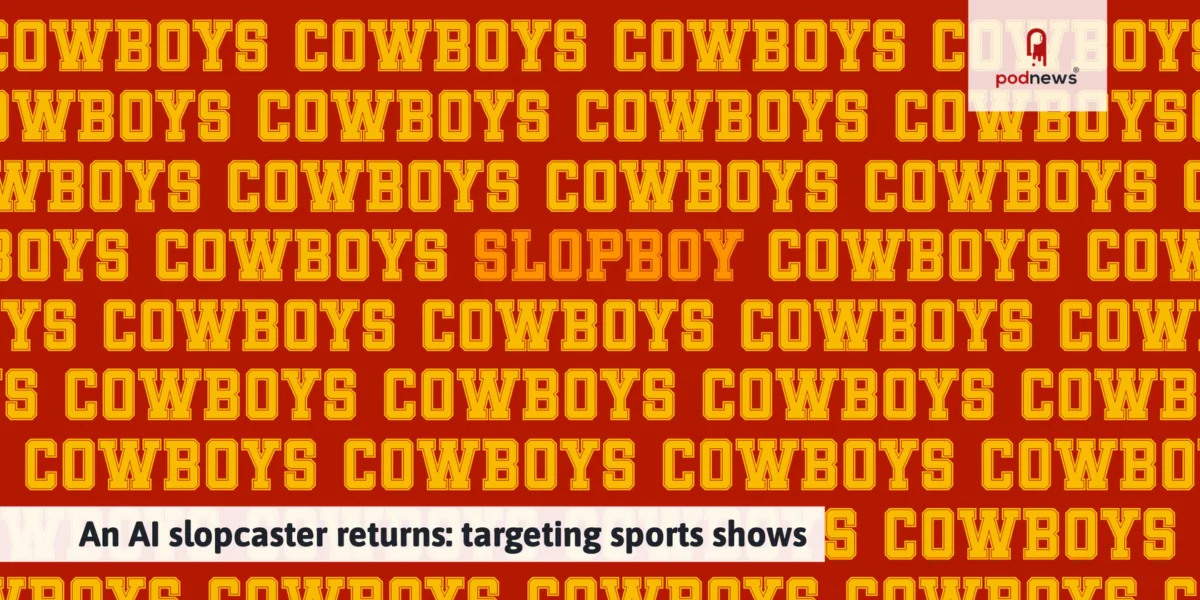
The podcasting landscape, often a fertile ground for diverse voices and niche content, has recently seen a peculiar and potentially significant development, centered around the visual branding of what appears to be a new podcast entity. The striking imagery, which prominently features the word "COWBOYS" in a bold, sporty font, juxtaposed with the distinct moniker "SLOPBOY," has ignited a conversation within the industry regarding branding, potential intellectual property disputes, and the broader implications for emerging podcasters. While concrete details about the podcast’s content remain scarce, the visual identity alone has generated considerable discussion, prompting an examination of its origins, potential inspirations, and the legal and ethical considerations involved.
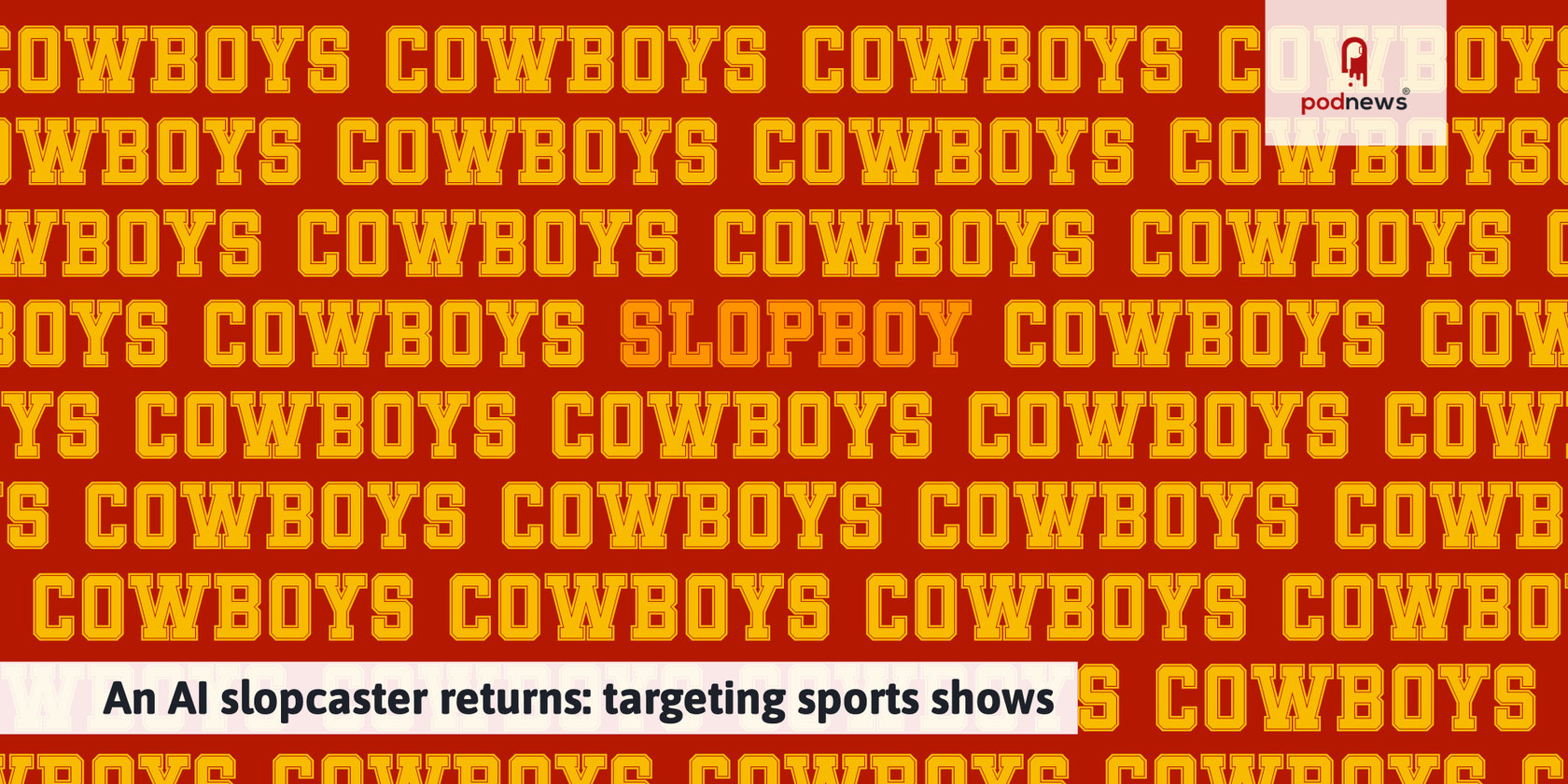
The visual presented, a graphic featuring "COWBOYS" emblazoned in a dynamic, athletic typeface, with "SLOPBOY" subtly integrated, evokes a strong sense of Americana, perhaps hinting at themes of sport, rugged individualism, or even a playful subversion of traditional Western tropes. The choice of "COWBOYS" itself is a loaded term, instantly conjuring images of the American West, athletic teams (most notably the Dallas Cowboys), and a particular cultural identity. The addition of "SLOPBOY," however, introduces an element of unexpectedness, potentially suggesting a more unconventional or perhaps even satirical approach to the "Cowboys" theme. This juxtaposition is where much of the intrigue lies, inviting speculation about the podcast’s narrative and its target audience.
Delving into the background of such branding choices requires an understanding of the competitive nature of the podcasting industry. With millions of podcasts vying for listener attention, distinct and memorable branding is paramount. Visuals serve as the first point of contact, acting as a crucial differentiator in a crowded marketplace. The "COWBOYS" and "SLOPBOY" logo, while visually arresting, also raises questions about originality and potential conflicts with existing brands.

One immediate area of concern, and a likely catalyst for internal discussions within the podcasting community, would be any perceived association with established entities. The Dallas Cowboys, a globally recognized professional American football team, possess extensive intellectual property rights related to their name, logos, and associated imagery. Any podcast branding that too closely mimics or infringes upon these rights could lead to cease-and-desist letters, legal challenges, and reputational damage for the new podcast. Similarly, "cowboy" as a generic term for a specific archetype might also be subject to nuanced interpretations in branding contexts, especially when combined with a distinctive secondary name like "Slopboy."
The genesis of the "SLOPBOY" name itself is also a subject of considerable speculation. Without direct input from the podcast creators, its meaning remains open to interpretation. It could be a self-deprecating moniker, a playful jab at perceived amateurism, or a deliberately provocative term designed to shock and intrigue. In the realm of independent podcasting, creators often embrace unconventional names and branding to carve out a unique identity and attract a specific audience. This can range from the absurd and humorous to the deeply personal and philosophical. The combination of "Cowboys" and "Slopboy" suggests a potential narrative that bridges traditional iconography with a more contemporary, perhaps even self-aware or ironic, sensibility.

To fully appreciate the implications, it’s important to consider the timeline of such branding decisions in the podcasting world. Typically, a podcast’s visual identity is developed early in its production cycle, often before the first episode is released. This ensures a consistent and recognizable presence across all distribution platforms. The emergence of this "Cowboys" and "Slopboy" branding suggests a deliberate marketing strategy, even if its exact intent is yet to be fully revealed. The fact that this visual has surfaced, even without accompanying audio content, indicates a significant investment in its presentation, hinting at a planned launch or a promotional campaign already underway.
The implications of this branding go beyond mere aesthetics. If the podcast aims to leverage themes associated with the Dallas Cowboys, it could face legal scrutiny from the National Football League (NFL) and the team itself. Such legal actions, while often resolved through settlements or re-branding, can be costly and disruptive for independent creators. The NFL is known for its aggressive protection of its intellectual property, and any unauthorized use of its trademarks or symbols could result in swift action. This might involve demands to change the podcast’s name, logo, and any associated marketing materials.

Conversely, if the "COWBOYS" element is intended as a broader cultural reference, perhaps to the archetype of the cowboy rather than the specific sports team, the legal landscape becomes more nuanced. While the term "cowboy" is in the public domain, its use in commercial contexts, particularly when combined with other distinctive elements like "Slopboy," can still raise questions of trademark dilution or unfair competition if it creates confusion in the minds of consumers.
The podcasting industry has a history of both innovation and imitation. While creators are encouraged to be original, the visual similarities between different podcasts or other media can sometimes be coincidental. However, the striking nature of the "COWBOYS" and "Slopboy" graphic makes it less likely to be a mere coincidence. It suggests a conscious decision to evoke certain associations, whether for creative or strategic purposes.

Analyzing the potential impact on the podcasting ecosystem, such branding strategies can serve as a case study for emerging podcasters. It underscores the importance of thorough trademark research and legal consultation before finalizing a brand identity. Furthermore, it highlights the power of visual communication in the digital age, where a single image can spark significant debate and anticipation.
The "Slopboy" element, in particular, could be interpreted in various ways. In some subcultures, "slop" might be associated with a lack of refinement or a deliberately unpolished aesthetic, which can be a deliberate choice for certain types of content, such as edgy comedy, investigative journalism that tackles gritty subjects, or avant-garde audio dramas. The combination with "Cowboys" could suggest a narrative that deconstructs traditional notions of heroism or masculinity, presenting a more complex or flawed protagonist.

To understand the potential trajectory of this podcast, one might look at historical examples of successful, albeit unconventional, podcast branding. Many popular podcasts have adopted names and visuals that were initially polarizing or peculiar but ultimately contributed to their unique appeal and brand recognition. The key often lies in whether the content lives up to the branding and provides a compelling experience for the listener.
Without further information about the podcast’s content, it is difficult to definitively assess the long-term implications of the "Cowboys" and "Slopboy" branding. However, the visual alone has succeeded in generating buzz. The next critical phase will be the actual launch of the podcast and the content it delivers. If the audio matches the provocative nature of its visual identity, it could potentially carve out a significant niche for itself. If, however, the content fails to resonate or if legal challenges arise, the branding may prove to be more of a hindrance than a help.

In conclusion, the "Cowboys" and "Slopboy" visual represents a bold and potentially contentious entry into the podcasting arena. It serves as a potent reminder of the importance of strategic branding, intellectual property awareness, and the ever-evolving nature of content creation in the digital age. As the podcasting community watches with interest, the success or failure of this venture will likely offer valuable insights into the delicate balance between provocative branding and substantive content delivery. The coming weeks and months will reveal whether this striking visual is the harbinger of a groundbreaking new podcast or a cautionary tale in the competitive world of audio entertainment. The conversation has begun, and the podcasting world waits with bated breath to hear what "Slopboy" has to say, and whether it can truly ride off into the sunset, or if it will be forced to change its spurs.
