

The persistent query, "Do I need a sound reflection filter in my home studio?" frequently arises within the educational forums and mentoring sessions hosted by Gravy For The Brain. This in-depth exploration aims to provide a definitive and evidence-based answer to this commonly asked question, dissecting the fundamental principles of home recording environments, microphone technology, and the actual impact of reflection filters.
Understanding the Purpose of a Home Recording Studio
At its core, a home recording studio, regardless of its scale or sophistication, serves a singular, critical purpose: to establish a stable, reproducible, and controlled acoustic environment. This controlled space is designed to achieve three primary objectives: to prevent external sound from intruding into the recording (sound ingress), to contain the recorded sound within the studio space (sound egress), and, crucially, to minimize the capture of unwanted sound reflections that can degrade audio quality.
The ultimate goal is to isolate the desired sound source – typically a voice or instrument – and capture it with the utmost clarity and purity. This means ensuring that the only significant sound reaching the microphone is the direct sound from the performer, free from the disruptive influence of reverberations and echoes originating from the room itself.
The Science of Sound and Microphone Interaction
To fully grasp the effectiveness, or lack thereof, of reflection filters, a foundational understanding of how microphones operate and interact with sound waves is essential. Microphones are transducers that convert acoustic energy (sound waves) into electrical signals. Their sensitivity to sound is not uniform in all directions; this directional characteristic is described by their polar pickup pattern.
Most modern microphones are directional, meaning they exhibit a preferred direction from which they capture sound most effectively. This pattern dictates the "listening area" of the microphone. Understanding these patterns is paramount to acoustic control in any recording scenario.
Key Microphone Polar Pickup Patterns Explained
Several common polar pickup patterns exist, each with distinct applications:
-
Omnidirectional: This pattern captures sound equally from all directions (360 degrees). While useful for capturing a broad ambient soundscape or in situations where the sound source is moving, it is highly susceptible to room reflections and ambient noise, making it generally unsuitable for isolating a single voice in a home studio environment.
-
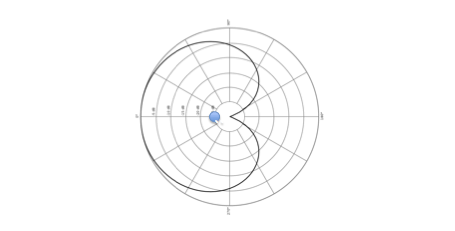
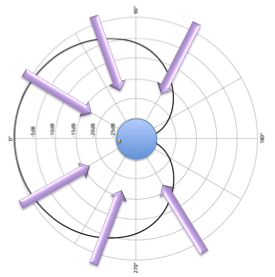
Cardioid: This is the most common pattern for voice-over and vocal recording. It exhibits maximum sensitivity at the front of the microphone and progressively less sensitivity to the sides and rear. This directional focus is crucial for minimizing the pickup of unwanted room reflections. The "heart-shaped" pattern (hence "cardioid") is named for its visual representation on a polar plot.
-
Figure-8 (Bidirectional): This pattern captures sound equally from the front and the rear of the microphone but rejects sound from the sides. It is often used for techniques like M-S stereo recording or capturing duets with a single microphone.
-
Other Patterns: More advanced microphones, such as the industry-standard Neumann U87, offer switchable polar patterns, allowing engineers to adapt the microphone’s characteristics to different recording situations. However, for the specific purpose of isolating a vocal in a home studio, the cardioid pattern is almost universally preferred due to its inherent ability to reject off-axis sound.
The Role of the Cardioid Pattern in Sound Isolation
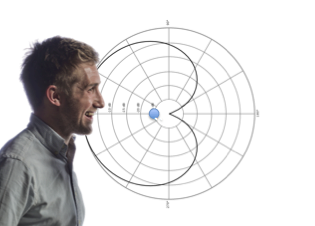
The cardioid pattern’s primary advantage in a home studio setting lies in its ability to reject sound arriving from the sides and, particularly, the rear. When a performer speaks into the front of a cardioid microphone, the direct sound waves are captured with maximum fidelity. Sound waves that reflect off walls, ceilings, or other surfaces and reach the sides or rear of the microphone are significantly attenuated. This inherent directionality is the first line of defense against unwanted room coloration.
A visual representation of the cardioid pattern, viewed from above, resembles a heart shape. This "pickup bubble" extends forward from the microphone, encompassing the performer’s mouth. While there is some sensitivity to the sides, the rear is largely a null point. In three dimensions, this pattern forms a more complex, three-lobed shape, but the principle remains the same: prioritize sound from the front.
The Concept of Sound Reflection Filters
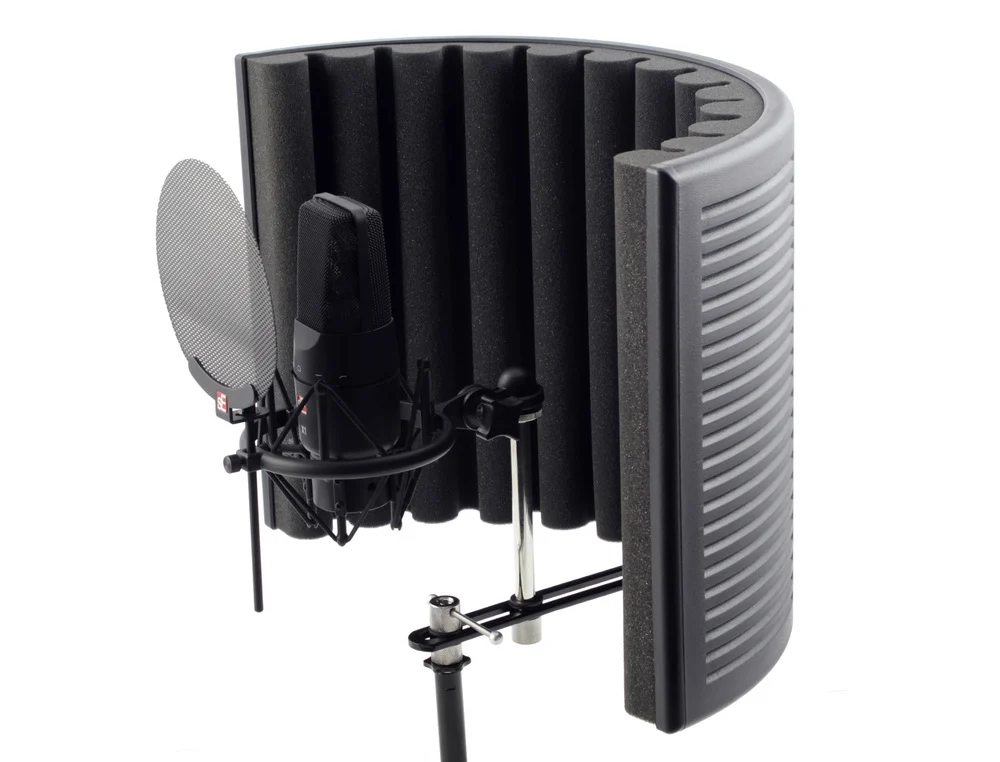
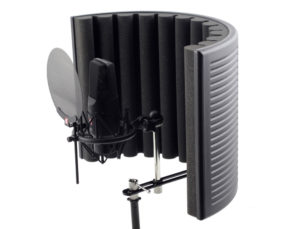
Sound reflection filters, often seen in marketing materials and online tutorials, are typically curved panels lined with absorbent acoustic foam or similar materials. They are designed to be mounted around a microphone, ostensibly to create a localized "acoustic shield." The marketing premise is that these filters will absorb or block sound reflections that would otherwise reach the microphone from behind and the sides, thereby creating a more "dead" or controlled acoustic environment.
These devices often present a compelling visual solution. Their construction, featuring sound-dampening materials, intuitively suggests an ability to control sound. Manufacturers highlight their ability to create a more isolated recording space, leading many novice and even some experienced audio practitioners to believe they are an essential component of a home studio setup.
Examining the Actual Impact of Reflection Filters: A Scientific Discrepancy
Despite their widespread adoption and persuasive marketing, a critical examination of how reflection filters interact with microphone polar patterns reveals a significant discrepancy. The core argument against their efficacy hinges on the fundamental physics of sound capture by directional microphones, particularly the cardioid pattern.
When a performer speaks into the front of a cardioid microphone, the direct sound is captured. Sound waves that reflect off the surrounding environment travel in all directions. While the reflection filter is positioned to block some of these incoming reflections from reaching the sides and rear of the microphone, the cardioid pattern itself is already designed to reject a substantial portion of this off-axis sound.
Consider the journey of a sound reflection: it bounces off a wall, travels through the air, and arrives at the microphone. If the microphone is set to a cardioid pattern, sound arriving from the sides is already attenuated, and sound from the rear is significantly rejected. The reflection filter, by its nature, is placed behind and to the sides of the microphone’s primary pickup area. Therefore, it is attempting to block sound that the microphone’s inherent design is already minimizing.
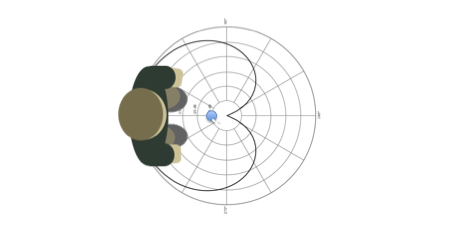
Empirical testing and acoustic analysis consistently demonstrate that the difference in audio quality when using a reflection filter versus not using one, with a cardioid microphone in a reasonably treated space, is often negligible. The filter’s effectiveness is largely negated by the microphone’s directional properties. It’s akin to placing a small umbrella in a light rain shower when you are already wearing a full raincoat.
Why Do Reflection Filters Persist in the Market?
The continued popularity of sound reflection filters can be attributed to several factors:
- Inexperience and Misinformation: Newcomers to audio production often lack a deep understanding of microphone polar patterns and acoustic principles. They may see experienced professionals using these devices (sometimes for historical reasons or in specific, specialized contexts) or be swayed by marketing claims without independent verification.
- Visual Appeal and Perceived Professionalism: Reflection filters can make a home studio setup appear more professional and "studio-like." This aesthetic appeal can be a significant draw for individuals seeking to create a credible recording space.
- The "Placebo Effect": The psychological impact of using a device that is marketed as a solution can lead users to perceive an improvement in sound quality, even when objective measurements show no significant change.
- A Lack of Rigorous Testing: Many users do not conduct controlled A/B tests to objectively assess the filter’s impact. They rely on anecdotal evidence or the persuasive nature of product descriptions.
The True Path to High-Quality Home Recordings
If reflection filters are largely ineffective, what are the genuine solutions for achieving excellent sound quality in a home studio? The answer lies in addressing the acoustic environment directly.
The most impactful strategies involve creating a sound-treated recording space. This means actively controlling the acoustics of the room to minimize unwanted reverberations and reflections. This can be achieved through various methods:
- Building a Vocal Booth: A dedicated, well-constructed vocal booth, lined with appropriate acoustic absorption materials, offers the highest level of control. These booths are designed to create an acoustically "dead" environment, allowing the microphone to capture only the direct sound.
- Adapting Existing Spaces: Even without a dedicated booth, strategic treatment of an existing room can yield significant improvements. This involves using materials like acoustic foam panels, bass traps, and heavy curtains strategically placed on walls, ceilings, and floors to absorb sound reflections. The goal is to reduce the room’s reverberation time and prevent flutter echoes.
- Utilizing Furniture and Soft Furnishings: In a less formal setup, soft furnishings like thick rugs, upholstered furniture, and even strategically placed blankets or duvets can provide some degree of acoustic absorption.
The investment in proper acoustic treatment, whether through DIY solutions or professional installation, yields far more tangible and significant improvements in audio quality than any reflection filter can provide.
Conclusion: A Matter of Priorities
In response to the enduring question, the evidence points to a clear conclusion: you do not need a sound reflection filter for your home studio, especially when using a cardioid microphone. These devices are, for the most part, an unnecessary expenditure that offers minimal to no discernible benefit.
Instead, aspiring audio engineers and voice artists should prioritize understanding and implementing fundamental acoustic treatment principles. The true path to pristine recordings lies in creating a controlled acoustic environment through thoughtful room treatment. While a reflection filter may not actively harm your recordings, it represents a misallocation of resources that could be better invested in genuinely effective acoustic solutions. The focus should be on taming the room itself, not on a supplementary accessory that attempts to mitigate issues the microphone’s inherent design already addresses.
