


Ten years ago, the Atlas of Emotions was introduced to the world, a groundbreaking initiative that aimed to chart the complex terrain of human feelings. Born from a unique and profound collaboration between renowned psychologist Dr. Paul Ekman, his daughter Dr. Eve Ekman, and His Holiness the Dalai Lama, the Atlas was conceived with the ambitious goal of creating a framework that was both scientifically rigorous and universally accessible. Today, a decade after its launch, this innovative emotional awareness tool has demonstrably permeated classrooms, therapeutic settings, research institutions, and everyday discourse across the globe, underscoring its enduring relevance and impact.
A Decade of Emotional Cartography: Genesis and Vision
The genesis of the Atlas of Emotions can be traced back to Dr. Paul Ekman’s long-standing quest to understand the fundamental nature of human emotions. His foundational work, built upon extensive cross-cultural research, identified universal facial expressions associated with basic emotions, a discovery that revolutionized the field of psychology. To further delineate the emotional landscape, Dr. Ekman embarked on a comprehensive survey of nearly 250 emotion scientists, seeking to establish areas of scientific consensus regarding the nature and categorization of emotions. This rigorous scientific inquiry revealed significant agreement on the existence of universal emotions, forming the bedrock upon which the Atlas would be built.
The vision for the Atlas extended beyond mere scientific classification. It was envisioned as a tool for enhanced emotional literacy, enabling individuals to better understand their own feelings and those of others. This aspiration resonated deeply with His Holiness the Dalai Lama, who has long championed the cultivation of compassion and emotional well-being as cornerstones of human happiness and societal harmony. His involvement brought a contemplative and ethical dimension to the project, bridging the gap between scientific understanding and practical wisdom. The collaborative effort also embraced the crucial role of graphic design in making complex psychological concepts digestible and engaging for a broad audience.
Behind the Scenes: A Glimpse into Collaborative Creation
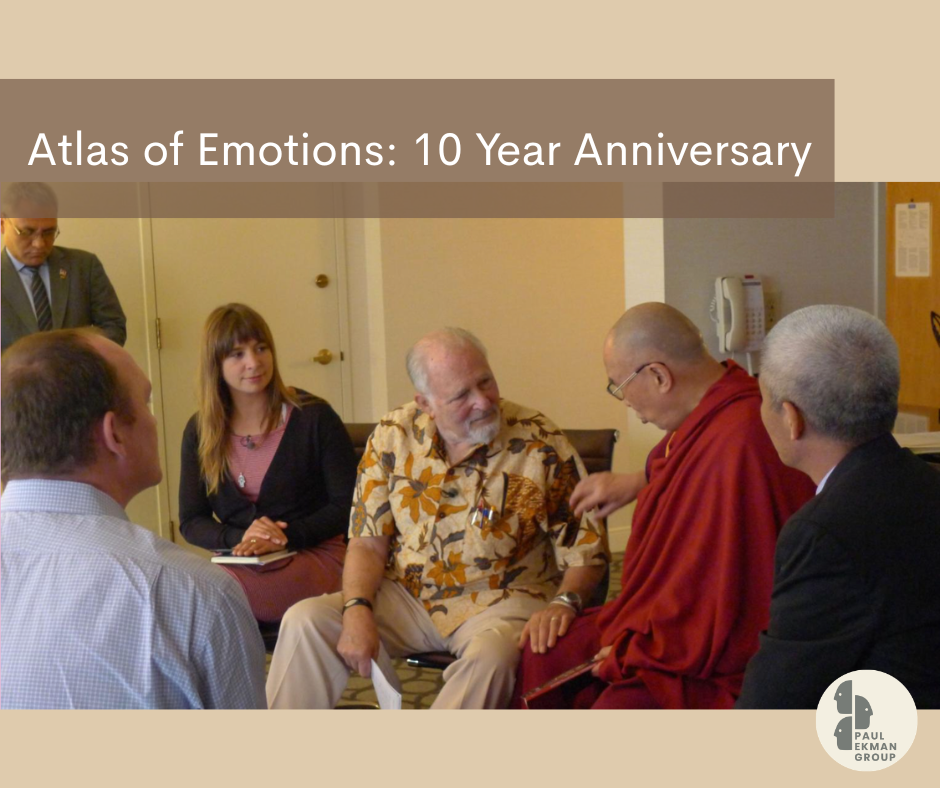
To commemorate this significant anniversary, a rare and insightful glimpse into the development process has been unveiled. Never-before-seen footage captures a pivotal working meeting between Dr. Paul Ekman, Dr. Eve Ekman, and His Holiness the Dalai Lama as they meticulously reviewed the Atlas in its nascent stages. This archival material offers a unique window into the dynamic interplay of scientific inquiry, artistic design, and spiritual insight that characterized the project’s creation. The footage encapsulates the collaborative spirit, highlighting the dedication and shared vision of the individuals involved in shaping this influential resource.
This behind-the-scenes perspective underscores the interdisciplinary nature of the Atlas. It showcases the rigorous psychological research informing the emotional categories, the sophisticated graphic design employed to visualize these concepts, and the profound contemplative wisdom contributed by the Dalai Lama. The emphasis on consensus, as evidenced by Dr. Ekman’s extensive scientific survey, ensured that the Atlas was grounded in a robust understanding of emotions that transcended individual perspectives.
From Inception to Global Recognition: The Atlas’s Trajectory
Upon its official launch in 2016, the Atlas of Emotions garnered immediate and widespread international attention. Esteemed publications such as The New York Times recognized its innovative approach to mapping emotions, lauding its success in translating intricate psychological theories into an accessible format for the public. This early validation served as a powerful catalyst, propelling the Atlas into diverse educational, therapeutic, and research spheres.
Over the past decade, the Atlas has been integrated into a multitude of applications, demonstrating its versatility and broad appeal. In educational settings, it has been employed to foster emotional intelligence in students, helping them to identify, understand, and manage their feelings, a critical component of holistic development. For educators, it provides a valuable tool for creating more empathetic and supportive learning environments.
Within the realm of mental health, therapists and counselors have leveraged the Atlas to deepen their clients’ self-awareness. By providing a structured vocabulary and visual representation of emotions, it facilitates more nuanced conversations about internal experiences, aiding in the diagnosis and treatment of various psychological conditions. Research institutions have also utilized the Atlas as a foundational tool for studies exploring emotional regulation, cross-cultural emotional expression, and the impact of emotions on decision-making.
Beyond formal settings, the Atlas has found its way into everyday conversations, empowering individuals to articulate their emotional states more effectively. This increased emotional literacy can lead to improved interpersonal relationships, conflict resolution, and a greater overall sense of well-being. The global reach of the Atlas is a testament to its universal applicability, transcending cultural and linguistic barriers.
The Enduring Impact: Data and Dissemination
The impact of the Atlas of Emotions is not merely anecdotal; it is supported by the growing body of research and educational materials that have emerged since its inception. While specific quantitative data on user numbers or direct impact metrics were not detailed in the original announcement, the sustained integration of the Atlas into curricula and therapeutic frameworks across continents suggests a significant and growing influence. Its availability in multiple languages further amplifies its global reach, allowing diverse populations to benefit from its insights.
The underlying scientific consensus, as documented in Dr. Ekman’s survey, which identified agreement among emotion scientists on the nature of universal emotions, provides a critical piece of supporting data. This scientific grounding lends credibility to the Atlas and its educational endeavors. The continued engagement from institutions and individuals seeking to share their experiences further validates its practical utility and perceived value.
A Call for Continued Engagement: Shaping the Future
As the Atlas of Emotions celebrates its tenth anniversary, its creators are actively soliciting feedback from its user community. This proactive approach reflects a commitment to continuous improvement and a desire to understand how the Atlas is being utilized in practice. By inviting users to share their experiences – how they have used the Atlas, what insights it has provided, and what changes it has inspired – the project aims to gather invaluable qualitative data.
This feedback mechanism is crucial for informing the next phase of development. Understanding the diverse applications and perceived benefits of the Atlas will guide future enhancements and ensure its continued relevance in addressing evolving societal needs related to emotional well-being. The invitation to share experiences through a dedicated feedback form underscores the collaborative ethos of the project, recognizing that its future success depends on the collective wisdom of its users.
Looking Ahead: Evolution and Expansion
The future of the Atlas of Emotions promises further innovation and expansion. Significant updates to the online, interactive Atlas of Emotions are anticipated, which will likely incorporate new features, enhanced user experiences, and potentially expanded emotional content, building upon the existing framework. These digital enhancements aim to keep the Atlas at the forefront of accessible emotional education and exploration.
Furthermore, Dr. Eve Ekman is currently developing a comprehensive "Atlas of Emotions" book, slated for release in 2027. This forthcoming publication is expected to delve deeper into the theoretical underpinnings of the Atlas, offering more extensive explorations of emotional nuances, updated scientific perspectives, and practical applications. The book will serve as a definitive resource, consolidating and expanding upon the knowledge introduced by the online Atlas, and providing new avenues for individuals to engage with the profound influence of emotions on their lives. This literary endeavor represents a significant step in solidifying the Atlas’s legacy and ensuring its continued impact for generations to come.
The development of the book signifies a maturation of the Atlas project, moving from an interactive digital tool to a more in-depth, scholarly, and widely distributable resource. This expansion suggests a commitment to not only maintaining the Atlas’s accessibility but also to deepening its scholarly and practical contributions to the understanding of human emotions. The 2027 release date indicates a carefully considered development process, aiming to deliver a robust and impactful work.
Broader Implications and Enduring Relevance
The enduring impact of the Atlas of Emotions can be analyzed through several lenses. Firstly, it has democratized access to sophisticated psychological concepts, making them understandable and actionable for a global audience. This has significant implications for public mental health, as increased emotional literacy is a recognized factor in preventing mental health issues and fostering resilience.
Secondly, the collaborative model employed in its creation serves as a powerful example of how diverse expertise can converge to address complex societal challenges. The fusion of scientific rigor, artistic expression, and contemplative wisdom offers a holistic approach to understanding human experience.
Finally, the ongoing development and planned expansion of the Atlas indicate its adaptability and its potential to remain a vital resource in a rapidly changing world. As societies grapple with increasing levels of stress, division, and the complexities of human interaction, tools that foster emotional understanding and empathy are more crucial than ever. The Atlas of Emotions, with its decade-long legacy and promising future, stands as a testament to the power of insight, collaboration, and a shared commitment to improving the human condition through a deeper understanding of our emotional lives.
