

In the corporate calendar, few events hold as much strategic weight for a sales organization as the annual Sales Kickoff (SKO). Far from being mere motivational rallies, these gatherings serve as critical rites of passage, marking the genesis of new sales cycles and charting the course for the fiscal year ahead. Much like the ceremonial smashing of champagne on a ship’s hull to herald a maiden voyage, SKOs are designed to christen new initiatives, galvanize teams, and align every seller toward a unified vision of success. A meticulously planned and executed SKO is not merely an expense; it is a strategic investment that, when done correctly, reinvigorates the sales force, clearly outlines new sales strategies, and builds indispensable momentum for the demanding months to follow.
The Strategic Imperative of the Sales Kickoff
The modern sales landscape is characterized by constant flux, evolving market demands, and increasingly sophisticated customer expectations. In this dynamic environment, the annual SKO has transcended its traditional role as a simple goal-setting meeting to become a multifaceted strategic platform. Its primary objective remains to unify sellers and imbue them with the enthusiasm and tools required to achieve ambitious targets. However, the efficacy of an SKO extends beyond mere inspiration; it is a critical touchpoint for strategic communication, skill development, and fostering a cohesive organizational culture. Industry reports consistently underscore the measurable impact of well-structured SKOs on sales performance. A 2023 survey by "Global Sales Performance Insights" revealed that companies with highly engaging and strategically aligned SKOs reported an average of 18% higher quota attainment rates compared to those with less effective events. This data highlights the profound implications of an SKO on an organization’s bottom line and competitive standing.
The evolution of SKOs reflects broader changes in corporate philosophy, moving from a top-down, lecture-heavy format to a more interactive, audience-centric experience. Early SKOs often focused almost exclusively on presenting financial projections and leadership directives. While these elements remain crucial, contemporary SKOs integrate elements of professional development, peer-to-peer learning, and emotional engagement, recognizing that motivated and well-equipped sellers are the bedrock of sustained growth.
Prioritizing the Sales Force: The Audience-First Approach
A fundamental shift in modern SKO planning involves prioritizing the audience – the sales professionals themselves. While organizational health, future trajectories, and the bottom line are inherently top concerns for leadership, allowing these inclinations to solely dictate SKO messaging can inadvertently undermine the event’s impact. The common pitfall is the assumption that sales teams share the same high-level concerns as executives, leading to presentations dominated by abstract numbers and overarching projections that often result in disengagement.
To counteract this, leading organizations adopt an audience-first methodology. This involves a deep dive into the current mindset and experiences of the sales force before drafting any event materials. Questions that guide this empathetic inquiry include: What challenges did they face last year? What are their current frustrations and aspirations? What skills do they feel they lack, and what support do they genuinely need? Are they experiencing burnout or excitement?
This clear-eyed reflection ensures that programming and content are crafted with the sellers’ perspectives in mind. Leaders are tasked with articulating company goals in terms that resonate directly with the daily realities and motivations of their teams. For instance, launching a new AI-enabled sales workflow should not be framed merely as a "productivity win" from a leadership standpoint. Instead, it should address the sellers’ pain points directly: "This new AI tool will save you 8-10 hours per week on administrative tasks, freeing up valuable time to nurture high-value client relationships and close more deals." This approach transforms a corporate mandate into a tangible benefit for the individual seller.
Furthermore, an audience-first approach extends to the logistical design of the event. Considerations include optimal timing for sessions, provision of amenities (food, hydration, caffeine), and a strategic blend of passive learning (keynotes) and active participation (workshops, breakout sessions, hands-on tech demos). According to Dr. Emily Hayes, an organizational psychologist specializing in corporate communication, "When employees feel heard and understood, their engagement skyrockets, directly impacting their receptivity to new strategies and their overall job satisfaction. An SKO designed with empathy at its core builds trust and fosters a sense of shared purpose."
Crafting a Singular Message: The Power of a "Big Idea"
In an era of information overload, clarity and conciseness are paramount. Many ambitious SKOs falter by attempting to cover an exhaustive list of topics – financials, product roadmaps, market forecasts – overwhelming the audience. The most successful SKOs, however, distill their core message into a single, unforgettable "Big Idea." This framework, often championed by communication strategists, ensures that all elements of the SKO serve one overarching takeaway.
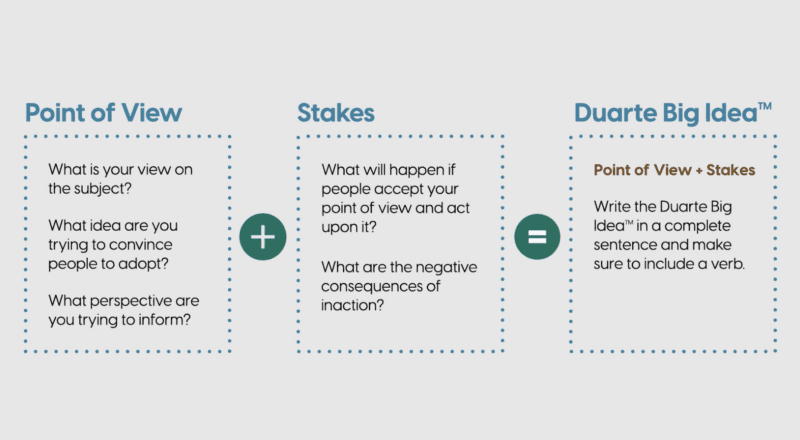
A "Big Idea" is a scalable framework that condenses an organization’s unique point of view on a subject, combined with what’s at stake for the audience, into a single, digestible sentence. It answers: "What is the one thing I want my audience to remember and act upon?" This concept is crucial for high-stakes moments, as it provides a clear north star for all content development, from keynote addresses to breakout sessions and supporting materials. If a piece of content does not directly serve the "Big Idea," it should be re-evaluated for inclusion or communicated through an alternative channel.
For example, if the overarching goal is to drive adoption of a new AI tool, the "Big Idea" might be: "Leveraging our new AI workflow will cut clerical tasks for sellers by 20%, empowering you to reinvest 8-10 hours weekly into high-value account development and strategic client engagement." This statement is precise, highlights the benefit to the seller (point of view), and underscores the positive outcome (stakes). Research in cognitive psychology suggests that audiences retain a significantly higher percentage of information when it is organized around a single, compelling central theme. This strategic focus prevents message diffusion and ensures that the core objective of the SKO is clearly communicated and retained.
Structuring for Engagement: The Three-Act Narrative Arc
Once the audience is understood and the "Big Idea" is defined, the next critical step is to structure the SKO programming in a way that maximizes engagement and retention. Drawing parallels from classic storytelling, a three-act structure – a beginning, a middle, and an end – provides a universally recognizable framework that guides the audience through the narrative. This structure is deeply ingrained in human psychology and has been effectively utilized in everything from ancient epics to modern cinema.
- The Beginning (Act I): This act sets the stage, acknowledging the current circumstances and positioning the sales team as the heroes of the unfolding story. It addresses their existing feelings, challenges, and needs, building rapport and empathy. This is where the "what is" moment is established, creating a baseline reality for the audience.
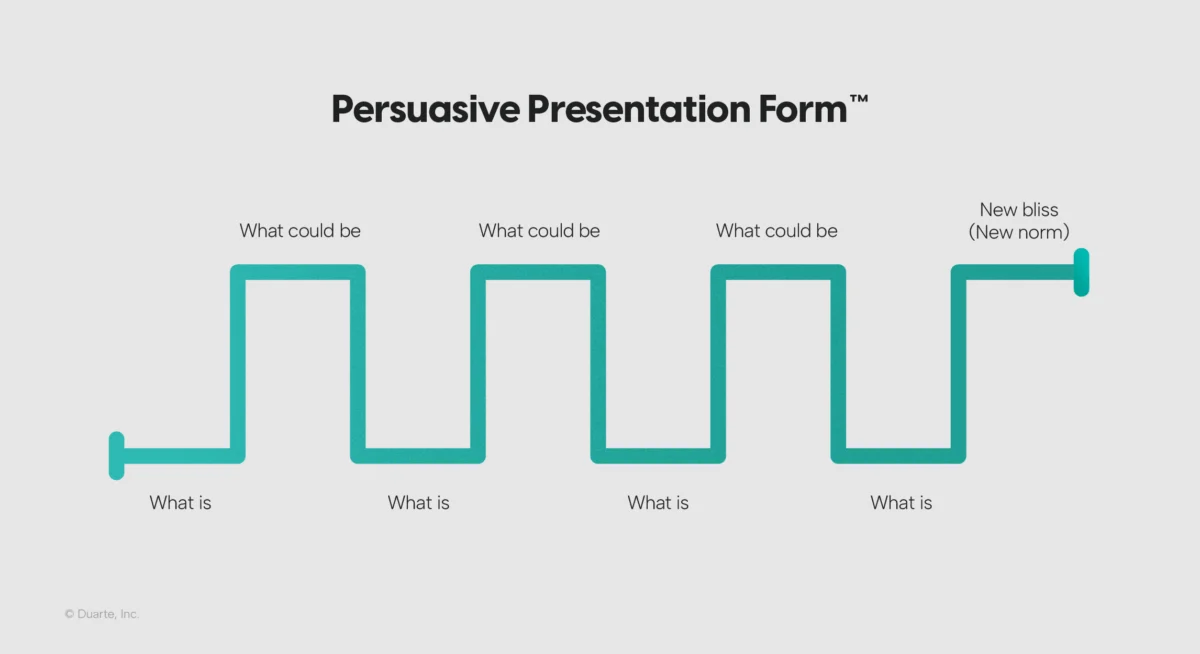
- The Middle (Act II): This is where the core action and transformation occur. The "hero" (the sales team) encounters challenges and roadblocks that test their resolve, mirroring the difficulties of the sales process or adapting to new strategies. This act creates tension, presenting the "what could be" scenario against the current "what is." Effective SKOs utilize a "Persuasive Presentation Form," alternating between depicting the current reality and envisioning a brighter future. This call-and-response dynamic is crucial for building buy-in, as it acknowledges the difficulties while consistently pointing towards the desirable outcome. For instance, "We understand the initial learning curve for this new CRM might feel steep (what is), but imagine the seamless client data access and personalized outreach you’ll achieve (what could be)."
- The End (Act III): In the concluding act, the tension resolves as the "hero" emerges transformed. The "what could be" becomes the new reality, with clear calls to action and a vision of future success. This provides a sense of closure and empowers the team to embrace the new direction with confidence.
This narrative approach ensures that the SKO is not merely a data dump but an immersive experience. It allows audience members to emotionally connect with the journey, internalize the challenges, and ultimately embrace the envisioned future. According to Nancy Duarte, a leading expert in presentation design, "The human brain is wired for stories. When you present information within a narrative arc, it’s not just passively received; it’s actively processed and remembered."
Humanizing the Message: The Impact of Personal Storytelling
The final, yet profoundly impactful, element of a successful SKO is the judicious integration of personal stories. While data and strategy are essential, human connection often serves as the most potent catalyst for buy-in and motivation. Leaders who effectively weave personal anecdotes into their presentations can break through monotony, forge authentic connections, and make abstract concepts relatable.
A personal story doesn’t need to be deeply vulnerable; rather, it should offer a glimpse into the speaker’s human experience, allowing the audience to see them beyond their professional title. A well-placed anecdote can:
- Build Trust and Credibility: Sharing a personal struggle or triumph related to the SKO’s theme demonstrates authenticity and relatability.
- Create Emotional Resonance: Stories evoke emotions, making the message more memorable and impactful than pure data.
- Illustrate Complex Concepts: A personal experience can simplify an abstract strategy or a challenging change, making it tangible and understandable.
- Foster Connection and Empathy: It humanizes the leadership, bridging the gap between executives and the front-line sales force.
Consider the example of the AI workflow: A sales leader might share, "Initially, I was skeptical about this new AI tool, fearing it would complicate my established routine. But during our pilot, I found myself reclaiming evenings I used to spend on tedious reports. Last week, I was able to attend my daughter’s school play – something I often missed before. This isn’t just about numbers; it’s about giving you back your time and enriching your life, both professionally and personally." This anecdote makes the benefit of the AI tool tangible and emotionally resonant, far beyond a mere productivity statistic.

For leaders unaccustomed to personal storytelling, practicing in smaller settings, like team meetings, and seeking feedback on its reception can be invaluable. The key is authenticity; audiences can discern genuine effort from forced sentimentality. When executed skillfully, personal narratives transform an SKO from a series of presentations into a shared journey, inspiring collective action and commitment.
Beyond the Event: Sustained Impact and Future Trends
The success of an SKO is not solely determined by the event itself but by its sustained impact. Post-SKO reinforcement – through ongoing training, regular check-ins, and consistent communication of the "Big Idea" – is crucial for translating inspiration into long-term performance. Measuring SKO effectiveness involves not only immediate feedback surveys but also tracking key sales metrics, employee engagement scores, and retention rates in the subsequent quarters.
Looking ahead, SKOs are likely to continue evolving, embracing more personalized content delivery, leveraging advanced analytics to tailor training modules, and integrating hybrid formats that blend in-person connection with virtual accessibility. The focus will remain on creating an experience that is not just informative but transformative, ensuring that every sales professional feels valued, empowered, and fully aligned with the organization’s strategic objectives.
In conclusion, the annual Sales Kickoff is a cornerstone event for any forward-thinking sales organization. By meticulously reflecting on the audience’s needs, committing to a singular "Big Idea," structuring the narrative with a compelling three-act arc, and weaving in authentic personal stories, companies can elevate their SKOs from routine gatherings to powerful catalysts for annual success. This strategic investment in alignment and motivation is not merely an operational necessity; it is a fundamental driver of sustained growth, enhanced team performance, and a thriving sales culture.
