


For many, the ability to decipher the emotional landscape of others unfolds with an almost unconscious ease. A subtle crinkle around the eyes, a fleeting shadow of sadness, a sudden flicker of surprise – these nonverbal cues serve as an intuitive guide through the complexities of social interaction. However, for a significant portion of the population, particularly neurodivergent individuals and those experiencing social anxiety, this fundamental aspect of human connection can feel like navigating an uncharted territory without a map. The recent commemoration of Dr. Paul Ekman’s monumental contributions to the study of emotions has illuminated the profound impact his research has had on individuals seeking to understand and engage with the world of human feeling, offering a vital framework for those who find emotional recognition a challenging endeavor.
The challenges faced by neurodivergent individuals, including those on the autism spectrum, often manifest as a feeling of being fluent in a language unspoken by their peers. Social interactions can feel like deciphering intricate codes without a Rosetta Stone. Similarly, individuals grappling with social anxiety may find their ability to interpret emotional signals severely hampered by the overwhelming internal experience of anxiety itself, which can constrict attention and distort perception. This inherent uncertainty regarding the emotional states of others can lead to a cascade of negative experiences, including confusion, profound exhaustion, persistent self-doubt, and an inclination towards social withdrawal. These are not merely minor inconveniences but significant barriers to forming meaningful connections and participating fully in social life.
The passing of Dr. Paul Ekman has, in turn, brought to the forefront the deeply personal and transformative impact of his pioneering work on facial expressions and emotional awareness. Messages shared on the dedicated memorial page for Dr. Ekman have consistently highlighted how his research provided not only practical tools for understanding emotions but also a much-needed sense of validation and clarity. These heartfelt testimonials offer a powerful testament to the enduring relevance of his scientific endeavors.
One particularly poignant message encapsulates this sentiment: “I honestly think Paul Ekman’s research on emotions should be shared with every autistic person. I found his work years ago, at a moment when I was trying to understand why recognizing other people’s emotions felt so hard for me. Discovering his research was like someone finally turning on the lights.” This powerful analogy underscores the profound sense of revelation and relief that understanding Ekman’s scientifically grounded approach to emotions can bring. For individuals who have spent years feeling disconnected or misunderstood, this research offered a tangible pathway toward comprehension.
The contributor further elaborated on how delving into the science of facial expressions and emotions significantly altered their perception of both themselves and the people around them, particularly following a late-life autism diagnosis. “It didn’t magically fix everything, but it changed how I move through the world. I’m more in tune with my own emotions, and I understand others in a way I didn’t think was possible for me before.” This reflection speaks to the nuanced yet substantial benefits of emotional literacy. It’s not about an overnight transformation, but a fundamental shift in navigating social landscapes with greater confidence and insight. The ability to better understand one’s own internal emotional state, a crucial aspect of emotional intelligence, is often intertwined with the capacity to recognize emotions in others.
Another individual’s testimonial further emphasizes the far-reaching impact of Dr. Ekman’s work: “Without [Dr. Ekman], I would still be a lost boy in a world of emotions which are alien to me. Having studied his work, however, I am even more adept at spotting, and recognizing emotions than most of the neurotypical folks in my life!” This statement is particularly striking, suggesting that through structured learning and dedicated study of Ekman’s principles, individuals who initially struggled significantly can not only achieve parity but even surpass the average emotional recognition skills within the neurotypical population. This highlights the plasticity of emotional intelligence and the power of targeted education.
These deeply personal accounts converge on a fundamental truth: emotional awareness is not an immutable trait. Rather, it is a vital set of communication skills that can be significantly enhanced through dedicated learning, meticulous observation, and intentional practice. The science behind understanding emotions, as pioneered by Dr. Ekman, provides the foundational knowledge and practical techniques necessary for this development.
The Scientific Landscape of Facial Emotion Recognition
Contemporary scientific inquiry into autism and emotional recognition underscores the intricate and highly individualized nature of social communication differences. While some autistic individuals may indeed encounter obstacles in identifying or interpreting facial expressions, a considerable number develop remarkable observational skills, becoming adept at discerning patterns in behavior and expression over time. Similarly, social anxiety can act as a potent impediment to the accurate perception of emotional cues, primarily by narrowing an individual’s attentional focus inward, driven by a fear of negative evaluation.
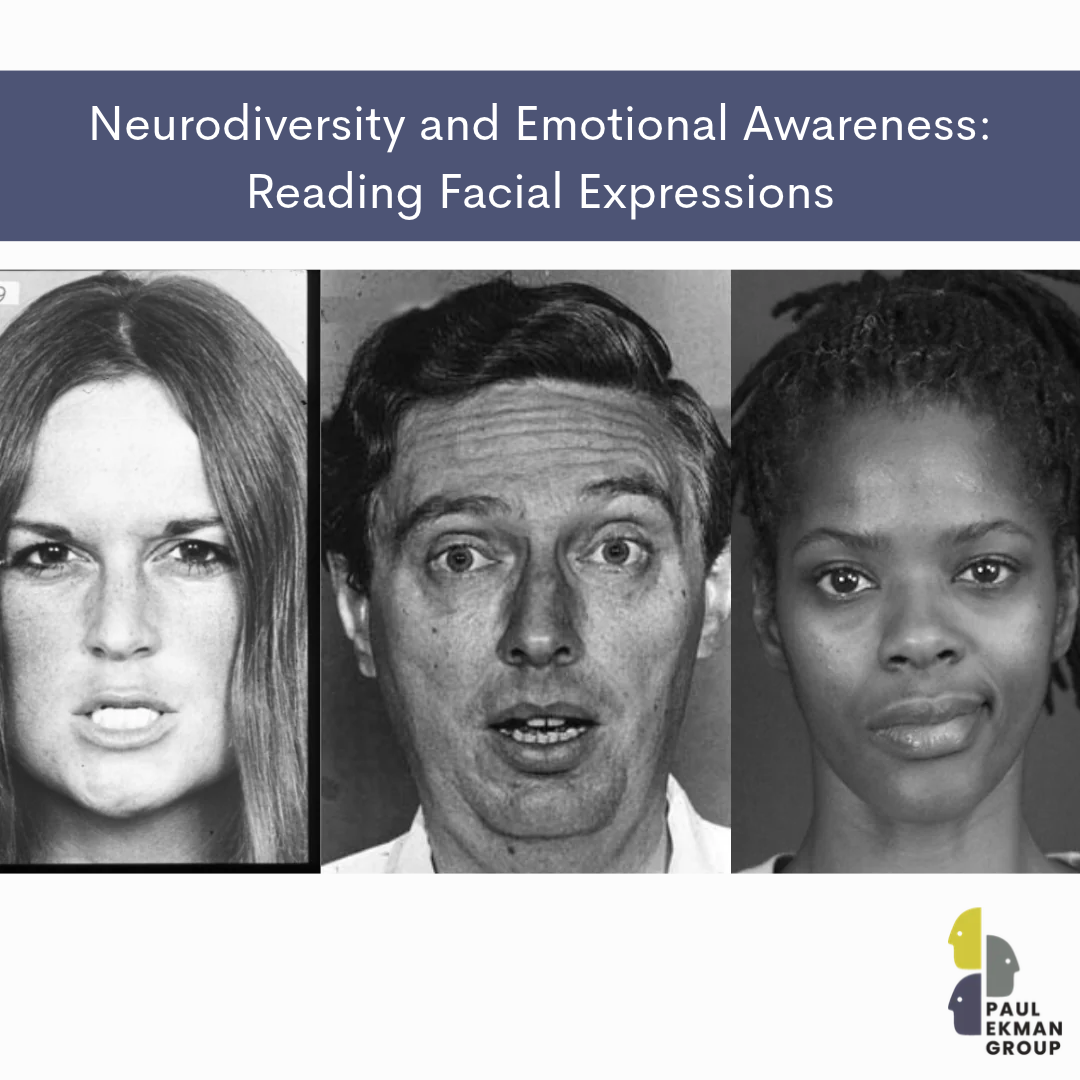
A comprehensive 2022 meta-analysis, aggregating data from 148 studies, provided statistical evidence supporting the notion that, on average, autistic individuals exhibit greater challenges in recognizing basic facial expressions of emotion when compared to their non-autistic counterparts. However, it is crucial to interpret these findings within their statistical context. Group averages, while informative, do not dictate individual capabilities, which exhibit a wide spectrum of variation. This nuanced understanding is vital to avoid generalizations and to appreciate the unique journey of each individual.
Encouragingly, a growing body of research suggests that the skills associated with facial emotion recognition are amenable to improvement through targeted training interventions. A meta-analysis published in 2025, examining data from various training programs, revealed significant advancements in facial emotion recognition among autistic children who participated in structured learning initiatives. While these findings are promising, further research is warranted to fully elucidate how these improvements translate into tangible benefits within the complexities of everyday social interactions. Understanding the generalization of learned skills from controlled training environments to real-world scenarios remains a key area of ongoing investigation.
It is imperative to emphasize that difficulties in interpreting emotional signals do not inherently signify a lack of empathy, compassion, or emotional depth. On the contrary, many individuals who experience social communication challenges possess a profound capacity for care and a deep yearning for connection and understanding. What may be absent is not the underlying emotional capacity, but rather the confidence, clarity, or established communication frameworks necessary to effectively engage with and interpret these signals. Dr. Ekman’s work has consistently aimed to provide these missing frameworks.
Applying Emotion Science to Everyday Life: Ekman’s Enduring Framework
Dr. Paul Ekman dedicated his distinguished career to making the subtle nuances of emotional signals more visible and comprehensible. His seminal research, which identified universal facial expressions, explored the fleeting nature of micro-expressions, and elucidated the broader spectrum of nonverbal communication, provided individuals with a robust vocabulary and an analytical framework for observing emotions that might otherwise remain perplexing or inaccessible. For many who have historically felt socially "out of sync" or struggled to connect with the emotional currents around them, this scientifically grounded approach has proven to be transformative.
Beyond the deeply personal testimonials shared directly with his legacy, Dr. Ekman’s training tools have been recognized as invaluable educational resources for autistic individuals. In a 2013 article featured in Autism Spectrum News, psychologist Dr. Lynda Geller explored effective approaches for supporting students on the autism spectrum. Within this discussion, Dr. Geller highlighted Dr. Ekman’s Micro Expression Training Tool (METT) and Subtle Expression Training Tool (SETT) as particularly effective resources for developing the ability to recognize emotional signals embedded within facial expressions. These tools, born from decades of rigorous research, offer a structured and accessible pathway to understanding a complex aspect of human interaction.
The Paul Ekman Group actively encourages engagement with researchers, academics, educators, and clinicians who are utilizing these tools in their work, are aware of relevant studies, or are interested in exploring future research collaborations. Opportunities to contribute to the ongoing understanding and application of emotion science are welcomed, fostering a collaborative environment for advancing knowledge in this critical field. Interested parties are encouraged to reach out via [email protected].
While it is crucial to acknowledge that emotional skills training is not a substitute for professional therapy, ongoing support, or individualized care, the impact of learning about emotions can be substantial. Many individuals have found that acquiring a better understanding of emotional cues can significantly reduce uncertainty in social interactions, thereby increasing confidence and fostering a greater sense of ease. Furthermore, this learning process often cultivates enhanced self-awareness, enabling individuals to not only better understand what others may be feeling but also to more accurately identify their own internal emotional experiences in real-time.
The legacy of Dr. Paul Ekman’s lessons continues to flourish through the educational resources meticulously developed by him and further expanded by Dr. Eve Ekman and the dedicated team at the Paul Ekman Group. Tools such as the online Micro Expressions Training Tools and The Feelings Field Guide are specifically designed to empower individuals to build their emotional awareness in practical, approachable, and effective ways. These resources represent a commitment to making the science of emotions accessible and applicable, continuing Dr. Ekman’s lifelong mission to illuminate the complexities of human emotional expression for the benefit of all. The ongoing evolution and dissemination of these tools ensure that his groundbreaking work remains a vital resource for fostering understanding, connection, and emotional intelligence in an increasingly interconnected world.
