


In a recent discourse on the principles of influence, a nuanced perspective has emerged, challenging conventional approaches to persuasion and interaction. Building upon an earlier discussion that contrasted "Loving and Eternal" influence with the more commonly espoused "Lasting and Ethical" framework, a follow-up query has illuminated a critical element of this evolving understanding. The question, posed by LinkedIn connection Reyes Castillo, probes the practical application of this elevated approach: "I’m curious how that shows up in your actual coaching. What’s the first thing someone usually has to stop doing once they start asking what’s best for the other person instead of what’s allowed?" This inquiry has prompted a deeper examination of influence, shifting the focus from external actions to internal transformation as the genesis of genuine impact.
The prevailing notion within professional development and sales training often emphasizes actionable techniques and adherence to ethical guidelines. While these elements are undeniably important, the emergent perspective suggests that true influence, particularly the "Loving and Eternal" kind, originates from a fundamental internal shift. This shift is not about ceasing certain behaviors but about cultivating a new state of being, a transformation that naturally leads to different, more impactful actions. This concept draws parallels to timeless wisdom, famously articulated by spiritual leaders and social psychologists alike, emphasizing that the outward manifestation of our interactions is intrinsically linked to our internal state.
The Inside-Out Paradigm of Influence
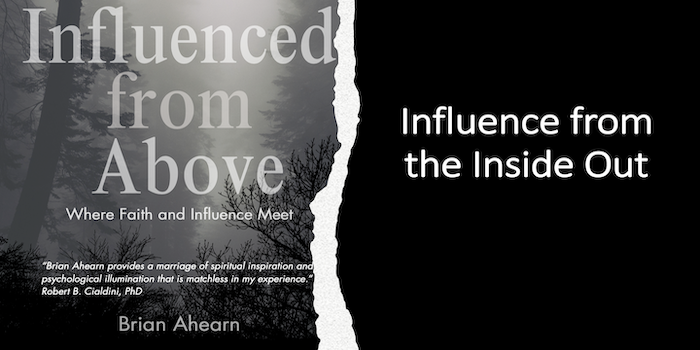
The core tenet of this refined approach to influence is the principle of "influence from the inside out." This perspective posits that genuine and sustainable change, whether in individual behavior or organizational culture, stems from within. It is less about mastering a set of external strategies and more about evolving one’s identity and underlying motivations. This resonates with historical teachings, such as the biblical admonition to "clean the inside of the cup" before the outside, symbolizing that internal purity or integrity will naturally lead to outward cleanliness. Similarly, the metaphor of a healthy tree bearing good fruit illustrates that the quality of the output is a direct reflection of the health and vitality of the source.
This philosophical underpinning directly addresses Castillo’s query. The initial step in adopting a "Loving and Eternal" approach to influence is not the cessation of a specific negative behavior. Instead, it is the proactive cultivation of a positive internal disposition. This requires a conscious redirection of focus, moving from a self-centered calculation of what is permissible or beneficial to oneself, to a genuine concern for the well-being and optimal outcome for the other person. This internal reorientation, rather than a behavioral modification, is the foundational shift.
The Principle of Liking: A New Interpretation
Dr. Robert Cialdini’s seminal work on the psychology of persuasion offers a valuable framework for understanding this internal shift. The principle of "Liking" states that individuals are more inclined to agree to requests from people they know and like. While often interpreted as a directive to make oneself more likable, this can lead to a superficial and often manipulative approach, wherein individuals focus on currying favor rather than building authentic connection.
The "inside-out" perspective reinterprets the principle of Liking. Instead of asking, "How can I get people to like me?", the more effective question becomes, "How can I find genuine reasons to like the other person?" This subtle but profound shift in intent has significant behavioral and relational consequences. When an individual actively seeks commonalities or admires admirable qualities in another, they are more likely to discover shared interests and offer sincere compliments. These actions, from an external viewpoint, might appear identical to those undertaken with the sole aim of being liked. However, the underlying motivation—a genuine interest in and appreciation for the other person—creates a palpable difference in the interaction.
This shift in focus from self to other fosters a more authentic connection. When individuals perceive that another person genuinely likes them, a foundation of trust is laid. This trust is crucial, as it leads others to believe that the influencer has their best interests at heart. This is the essence of "influence from the inside out"—a process where internal disposition shapes outward actions and fosters genuine trust and receptivity.
The Distinction Between Ethical and Loving Influence
The dichotomy between "Lasting and Ethical" and "Loving and Eternal" influence highlights a critical distinction in motivational frameworks. Ethical influence, while paramount, primarily concerns itself with adherence to rules and principles. It asks questions such as: Is my action honest? Is it appropriate? Does it respect the autonomy and freedom of choice of the other person? These are vital considerations, forming the bedrock of responsible interaction and professional conduct.
However, love, in the context of influence, introduces a more profound and demanding question: "Do I genuinely want what’s best for this person?" This question elevates the standard of influence beyond mere compliance with ethical codes to a commitment to the welfare of the other. This is where the challenge and the true power of "Loving and Eternal" influence lie.
Consider two individuals employing the same persuasive techniques, asking similar questions, and utilizing the same principles of influence. One might be driven by the internal question, "How can I get this person to say yes to my proposal?" The other, conversely, might be guided by, "How can I help this person make the best decision for themselves?" While their external actions may appear indistinguishable, their internal motivations are worlds apart. This internal divergence profoundly impacts the nature of the influence exerted and its long-term consequences.
The Transformative Journey: Becoming a Different Person
The transition from ethically driven influence to loving influence is not merely about acquiring new techniques or strategies. It is fundamentally about a personal transformation—about "becoming a different kind of person." This internal evolution is the catalyst for lasting change in behavior. When individuals cultivate empathy, genuine care, and a deep-seated desire for the well-being of others, their actions naturally align with these values. This aligns with the broader understanding of human development, where ingrained beliefs and values shape observable behaviors. Studies in behavioral psychology consistently demonstrate that individuals whose core values align with their actions exhibit greater consistency and authenticity. For instance, research on prosocial behavior often highlights that intrinsic motivations, such as altruism, lead to more sustained and impactful helping behaviors compared to extrinsic motivations.
Therefore, the most pertinent question for individuals seeking to elevate their influence is not "What should I stop doing?" but rather, "Who am I becoming, and what do I genuinely want for the person I am seeking to influence?" This introspective inquiry encourages self-awareness and a deeper understanding of one’s motivations, paving the way for a more profound and impactful form of influence.
Implications and Broader Impact
This shift in perspective has significant implications across various domains, including business, leadership, personal relationships, and public service. In a corporate environment, leaders who adopt this "inside-out" approach are likely to foster greater employee engagement, loyalty, and productivity. By prioritizing the well-being and development of their team members, they create a more positive and supportive work culture. This can translate into tangible benefits, such as reduced employee turnover, increased innovation, and enhanced customer satisfaction. Data from numerous studies on organizational psychology underscore the correlation between supportive leadership and positive organizational outcomes. For example, a meta-analysis published in the Journal of Applied Psychology found a significant positive relationship between servant leadership (a style that emphasizes serving others) and employee performance and well-being.
In sales and customer service, a "Loving and Eternal" approach moves beyond transactional interactions to building long-term relationships based on trust and mutual benefit. Instead of focusing solely on closing a deal, the emphasis shifts to understanding the customer’s needs and providing solutions that genuinely enhance their lives or businesses. This can lead to higher customer retention rates and stronger brand advocacy. Industry reports consistently highlight the long-term value of customer-centric approaches. For instance, reports by organizations like Bain & Company have demonstrated that increasing customer retention rates by 5% can increase profits by 25% to 95%.
In the realm of personal relationships, this philosophy encourages deeper connection and understanding. By genuinely caring about the well-being of partners, family members, and friends, individuals can cultivate more robust and fulfilling relationships. This approach fosters open communication, empathy, and mutual respect, which are critical for navigating the complexities of human interaction.
The broader societal impact of embracing "Loving and Eternal" influence could be profound. In a world often characterized by division and self-interest, a widespread adoption of this ethos could contribute to a more compassionate, collaborative, and ethical society. It encourages a move away from zero-sum thinking towards a recognition of shared humanity and interconnectedness.
A Call for Reflection and Dialogue
The insights presented here invite reflection and encourage dialogue among those who engage in influencing others. For seasoned professionals and coaches who have dedicated years to mastering the principles of ethical influence, this perspective offers an opportunity to deepen their practice and enhance their impact. The potential for growth lies not in discarding established principles but in integrating them with a more profound internal commitment to the well-being of others.
The author, Brian Ahearn, a recognized expert in ethical influence and a faculty member at the Cialdini Institute, has spent decades training and coaching individuals and organizations on the science and art of persuasion. His work, including his bestselling book "Influence PEOPLE," underscores the importance of ethical application of influence principles. This latest discourse represents a natural evolution of his thinking, moving towards a more holistic and humanistic understanding of influence.
The call for feedback from those who have been coached by Ahearn or who have experience in applying influence principles is a testament to the collaborative nature of knowledge development in this field. Understanding how this refined perspective impacts practical application and how individuals are integrating the concept of "becoming" into their influencing strategies is crucial for its widespread adoption and effectiveness. The journey from merely being ethical to truly being loving in our influence is a continuous process of self-discovery and growth, one that promises to yield richer and more enduring results.
