

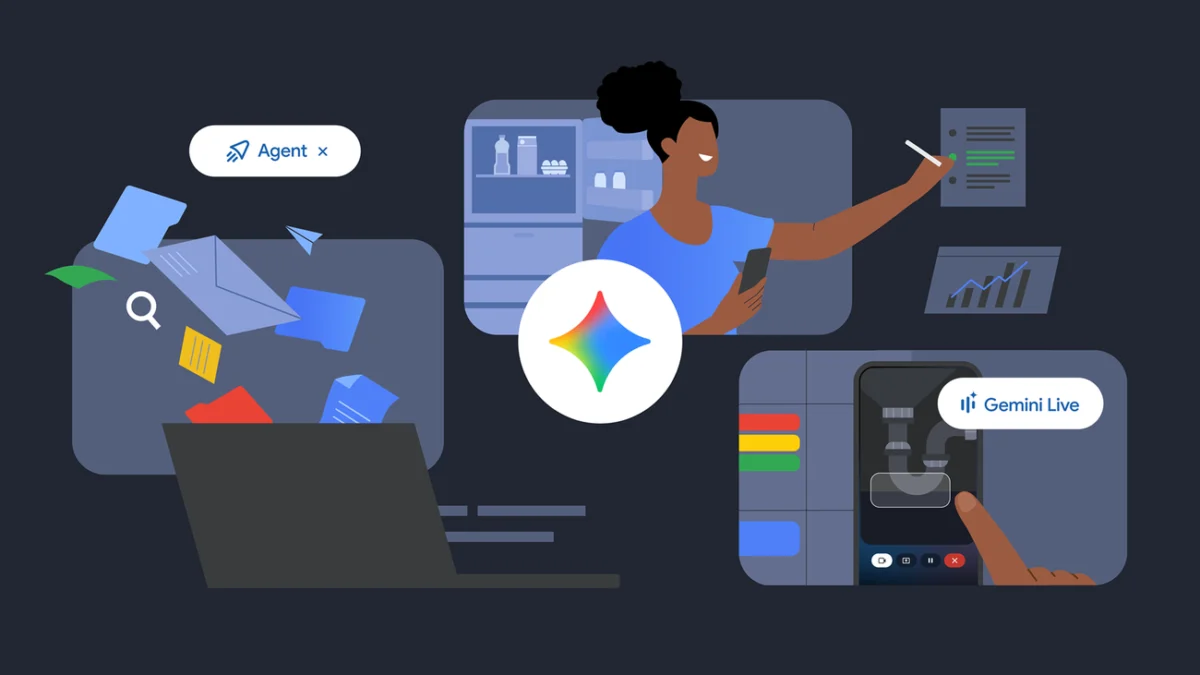
The intersection of artificial intelligence and domestic management has reached a new milestone as Google integrates its Gemini AI ecosystem deeper into the daily routines of homeowners and professionals. As seasonal transitions prompt a global surge in "spring cleaning" search queries, the technology giant has outlined a comprehensive suite of features designed to transform the generative AI from a simple chatbot into a multimodal domestic coordinator. According to internal Google search data, queries for "spring cleaning hacks" and "spring cleaning checklist" have experienced significant spikes, signaling a consumer shift toward seeking tech-enabled efficiency in home maintenance.
The evolution of Google’s AI strategy—transitioning from the experimental Bard phase to the fully integrated Gemini Era—reflects a broader industry trend where large language models (LLMs) are being leveraged to solve physical-world problems. By utilizing multimodal capabilities, which allow the AI to process text, images, and live video feeds, Gemini is now being positioned as a tool for spatial organization, mechanical troubleshooting, and digital hygiene.
1. The Shift Toward Dynamic Domestic Planning
Traditional organization relies on static, one-size-fits-all checklists that often fail to account for the unique architectural constraints of modern living. Google’s latest guidance emphasizes the use of Gemini to generate personalized cleaning schedules based on specific floor plans. By inputting parameters such as "studio apartment optimization" or "two-story family home maintenance," users can move beyond generic advice.
This shift toward personalized logistics is supported by productivity data suggesting that customized planning increases task completion rates by reducing the cognitive load associated with decision-making. Gemini’s ability to structure a room-by-room decluttering schedule allows users to bypass the "planning paralysis" that often precedes major home projects.
2. Computer Vision and Spatial Optimization
One of the most technically advanced applications of the Gemini platform is its ability to perform visual audits of physical spaces. Through the upload of photographs, users can engage the AI in a spatial analysis of cluttered environments. By asking the model to identify "vertical space opportunities" in a crowded closet or kitchen pantry, users are effectively employing a digital interior designer.
This application relies on Gemini’s advanced image recognition and spatial reasoning capabilities. Unlike traditional search engines that return generic images of organized shelves, the AI analyzes the user’s specific mess to provide bespoke structural suggestions. This democratization of interior organization services represents a significant shift in how AI interacts with the private domestic sphere.

3. Sustainable Household Management and Food Waste Reduction
In an era of rising grocery costs and environmental consciousness, Google has highlighted Gemini Live as a tool for refrigerator management. According to the U.S. Food and Drug Administration (FDA), food waste in the United States is estimated at between 30 and 40 percent of the food supply. Gemini aims to mitigate this by analyzing "mystery ingredients" through a live camera feed.
Users can pan their cameras across refrigerator shelves while Gemini Live identifies perishable items and suggests recipes in real-time. This proactive approach to "fridge clearing" serves a dual purpose: decluttering the physical space of the kitchen and reducing the economic and environmental impact of discarded food. The conversational nature of Gemini Live allows for a hands-free experience, which is essential in a kitchen environment.
4. Multimodal Troubleshooting and the DIY Movement
The "Right to Repair" movement has gained significant momentum in recent years, and Google is positioning Gemini as a primary resource for home maintenance. By using Gemini Live to inspect plumbing fixtures or malfunctioning appliances, homeowners can receive step-by-step repair coaching. This eliminates the need to navigate cumbersome PDF manuals or unreliable video tutorials.
By asking, "What am I looking at and how do I fix it?" while pointing a camera at a dishwasher’s filtration system or a leaking U-bend, the user receives contextual guidance. This application of AI serves as a bridge between professional expertise and amateur execution, potentially saving consumers hundreds of dollars in service fees while extending the lifecycle of household appliances.
5. Logistical Integration with Ask Maps
Organization extends beyond the walls of the home and into the logistical management of errands. The integration of "Ask Maps" allows Gemini to synthesize location data with real-time traffic and store information. Users can now request optimized routes for dropping off donation items or purchasing eco-friendly supplies.
The AI factors in real-time traffic data and store occupancy levels to suggest the most efficient windows for travel. Furthermore, the system provides "insider tips," such as specific donation requirements for local charities. This level of integrated logistics represents the "proactive assistant" model that Google executives, including CEO Sundar Pichai, have frequently cited as the future of the company’s AI offerings.

6. Generative Design and the Nano Banana Tool
For those seeking a more aesthetic refresh, the integration of generative imagery via tools like "Nano Banana" allows for virtual staging. Users can upload a photo of a room and request specific alterations—such as changing wall colors, adding bookshelves, or repositioning furniture—without moving a single physical object.
This "multi-turn editing" capability ensures that the AI only alters the requested elements while preserving the rest of the image. This tool effectively functions as a low-barrier-to-entry CAD (Computer-Aided Design) system, allowing homeowners to visualize renovations before committing to financial expenditures.
7. Horticultural Care through Visual Diagnostics
The rise of the "indoor jungle" trend has led to a corresponding increase in demand for plant care advice. Gemini Live offers a diagnostic approach to indoor gardening by analyzing plant health through a camera lens. By showing the AI a drooping plant and its surrounding light conditions, users can receive feedback on watering schedules and light exposure.
The AI can distinguish between symptoms of overwatering and underwatering—a common point of confusion for novice gardeners. Additionally, the "memory" feature of the chat allows users to revisit the conversation a week later to track the plant’s recovery, creating a longitudinal record of horticultural care.
8. Digital Hygiene: The AI Inbox and Agent Mode
Finally, Google is addressing the "digital clutter" that often mirrors physical disorganization. For Gemini Ultra subscribers in the United States, the introduction of "Agent Mode" and "AI Inbox" in Gmail marks a significant advancement in information management. The average office worker receives over 120 emails per day, leading to significant "inbox anxiety."
Gemini can summarize long email threads, locate specific receipts from months prior, and even suggest "smart actions" like archiving clutter or converting reminders into tasks. The "Agent Mode" represents a transition from AI as a responder to AI as an actor, capable of executing organizational plans with a single user approval.

Analysis of Broader Implications
The deployment of these features signals a major shift in the competitive landscape of personal assistants. As Apple prepares its "Apple Intelligence" and OpenAI continues to refine its GPT-4o voice and vision capabilities, Google is leveraging its massive ecosystem—Gmail, Maps, and Android—to provide a more "grounded" AI experience.
From a sociological perspective, the use of AI for domestic organization suggests a new phase of "technological domesticity." However, this shift also raises pertinent questions regarding privacy. Using a live camera feed to audit one’s home or refrigerator requires a high level of trust in data encryption and privacy protocols. Google has maintained that its AI features are built with security at the core, but the transition of AI from the cloud into the intimate spaces of the home will likely remain a point of public debate.
Economically, the "Agent Mode" and "Ultra Subscriber" tiers indicate a move toward a subscription-based model for premium AI services. As these tools become more essential for daily life management, the "digital divide" may expand to include "efficiency gaps" between those who can afford AI assistants and those who cannot.
Conclusion
The integration of Gemini into the domestic sphere represents more than just a collection of "hacks"; it is a fundamental reimagining of the relationship between human and machine. By moving beyond text-based queries and into the realms of vision, sound, and proactive action, Google is attempting to create an indispensable digital companion. Whether through the reduction of food waste, the repair of a sink, or the decluttering of a decades-old inbox, the goal is clear: the outsourcing of cognitive labor to an intelligent system capable of organizing both space and life. As these technologies continue to mature, the "spring cleaning" of the future may well be a fully automated affair.
