

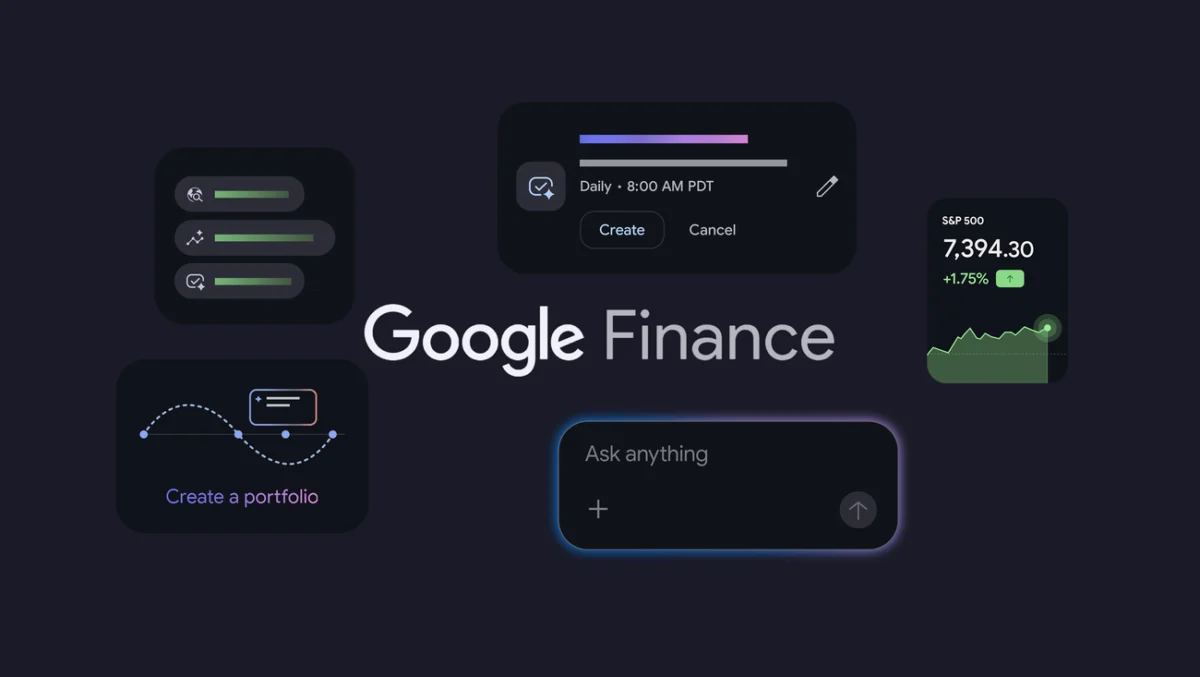
Google has officially transitioned the revamped Google Finance platform out of its beta phase, marking a significant milestone in the company’s effort to provide retail investors with sophisticated, AI-driven tools for market analysis and portfolio management. This week’s announcement, spearheaded by Barine Tee, Principal Engineer for Search, introduces a comprehensive suite of features designed to simplify the complexities of financial tracking. Central to this update is the global rollout of advanced portfolio tracking capabilities, a new "market intel" briefing system, and the long-awaited launch of a dedicated Google Finance app for Android, with an iOS version slated for release later this year.
The move signals Google’s intent to reclaim its position in the competitive financial information sector, where it competes with long-standing incumbents like Yahoo Finance, Bloomberg, and Apple Stocks. By integrating its proprietary artificial intelligence and search capabilities directly into the financial experience, Google aims to move beyond providing static stock charts and toward offering actionable, conversational insights for the modern investor.
Advanced Portfolio Management and Global Rollout
The centerpiece of the updated Google Finance experience is a revamped portfolio management system that is rolling out to users worldwide. Recognizing that manual data entry is often a barrier for retail investors, Google has implemented several frictionless methods for users to consolidate their holdings. Investors can now import their data by uploading CSV or PDF files, such as brokerage statements, or even by providing screenshots of their current positions.
For those who prefer a more conversational approach, the platform now allows users to describe their investments in natural language to build a portfolio from scratch. Once established, these portfolios are hosted on a centralized dashboard that provides real-time performance data alongside deeper insights into asset allocation. This consolidation is designed to provide a holistic view of an individual’s financial health, moving away from the fragmented experience of checking multiple brokerage apps.
The integration of Google’s search-based research tools allows users to interrogate their own data. By utilizing the "Ask" feature, investors can pose complex questions such as, "What sectors are currently underrepresented in my portfolio?" or "How does my fixed income allocation impact my long-term growth potential?" This shift from data visualization to data interpretation represents a significant evolution in the platform’s utility.
AI-Powered Market Intel and Custom Briefings
In addition to personal portfolio tracking, Google Finance is introducing a proactive notification system called "Market Intel." This feature leverages Google’s Large Language Models (LLMs) to synthesize vast amounts of market data into digestible summaries. Users can set up custom tasks by describing the specific information they need. For example, a user might request a "daily pre-market briefing analyzing significant overnight moves across major cryptocurrencies."
These briefings are not merely generic news roundups; they can be tailored to the user’s specific watchlist or portfolio. Google Finance works in the background to filter through global market movements, earnings reports, and economic indicators to deliver a briefing on a schedule preferred by the user. These updates are delivered via notifications through the Google app on Android and iOS and are also accessible via a dedicated research panel on the Google Finance web interface.
The Launch of the Google Finance Android App
For the first time, Google is offering a dedicated mobile application for its finance vertical on the Android platform. While Google Finance has been accessible via mobile web and the primary Google Search app for years, the new standalone app is designed for "power users" who require more frequent check-ins and a more streamlined interface.
The app includes the core features of the web experience, such as real-time market data, a live financial news feed, and the AI-powered research tool. A notable mobile-centric feature is the "Key Moments" section, which uses AI to provide concise explanations for significant stock price fluctuations, helping users understand the "why" behind market volatility without having to read through multiple long-form articles.
Google has confirmed that the mobile app will continue to receive updates over the coming months. Future additions will include live earnings calls, which are currently a popular feature on the web version, as well as the newly launched portfolio and task features. For Apple users, Google has committed to launching an iOS version of the app later this year, ensuring parity across the major mobile ecosystems.

Historical Context and the Evolution of Google Finance
The exit from beta and the launch of these new features mark the latest chapter in the long and sometimes uneven history of Google Finance. Originally launched in 2006, the service was initially a direct competitor to Yahoo Finance and MSN Money. However, for several years, the platform saw minimal updates, leading many to believe Google had deprioritized the project.
In 2017, Google initiated a major redesign that integrated Finance more closely with Google Search, removing several legacy features such as the "Portfolios" tool in its original form. This move was met with criticism from long-term users, prompting Google to gradually reintroduce and improve these features over the subsequent years. The 2020 update brought a cleaner UI and better mobile web integration, and the current 2024 update represents the culmination of a multi-year effort to modernize the platform using Google’s latest AI advancements.
Market Analysis and the Retail Investing Boom
Google’s renewed focus on finance comes at a time when retail investing has seen a dramatic surge in popularity. Data from various market research firms indicates that the number of individual brokerage accounts has grown significantly since 2020, fueled by the rise of zero-commission trading and a general increase in financial literacy among younger demographics.
According to industry reports, retail investors now account for roughly 20% to 25% of total stock market trading volume on any given day. This demographic increasingly relies on mobile-first tools and AI-driven insights to make decisions. By positioning Google Finance as an intelligent "co-pilot" for investors, Google is looking to capture a larger share of this growing market.
Industry analysts suggest that Google’s primary advantage lies in its vast data ecosystem. By combining market data with its News and Search indices, Google can provide a level of context that smaller fintech startups may struggle to replicate. Furthermore, the integration with Gemini and other Google AI technologies allows for a more intuitive user experience than traditional financial platforms.
Broader Implications and Official Responses
While Barine Tee’s announcement focused on the user-facing features, the implications for the broader fintech landscape are significant. By offering high-level portfolio analysis for free, Google is putting pressure on paid "freemium" services that charge for similar insights.
Inferred reactions from the financial technology community suggest a mix of anticipation and caution. On one hand, the "democratization" of institutional-grade analysis tools is seen as a win for the average investor. On the other hand, privacy advocates often raise questions about the aggregation of sensitive financial data within a single tech ecosystem. Google has addressed these concerns by noting that user portfolios are private and that the data is used to provide the specific insights requested by the user.
"Investing is complex, but staying informed shouldn’t be," Tee stated in the announcement. This philosophy appears to be the driving force behind the platform’s move toward natural language processing and automated briefings. The goal is to reduce the "cognitive load" required to manage a diversified investment portfolio.
Chronology of Google Finance Milestones
- March 2006: Google Finance launches, featuring interactive charts and news integration.
- December 2006: Addition of "Portfolios" allowing users to track their holdings.
- September 2017: Major redesign; Finance is integrated into Google Search, and legacy portfolio features are deprecated.
- 2018–2019: Google reintroduces "Watchlists" and basic tracking features following user feedback.
- September 2020: A new, streamlined Google Finance interface launches with better mobile optimization.
- June 2024: Google Finance officially exits beta. Global rollout of AI-powered portfolios, Market Intel briefings, and the launch of the Android app.
- Late 2024 (Projected): Expected launch of the Google Finance iOS app and integration of live earnings calls into mobile platforms.
Future Outlook
Looking ahead, Google Finance is expected to become an even more integral part of the Google Search ecosystem. As AI continues to evolve, the platform may eventually offer predictive analytics or more personalized financial planning tools, although the company currently remains focused on informative rather than advisory services.
The successful launch of the Android app and the global rollout of portfolio tools suggest that Google is once again viewing Finance as a core pillar of its information services. For the millions of users who rely on Google to organize the world’s information, these updates provide a more powerful way to organize their own financial futures. Users are encouraged to explore the new features on the Google Finance website or download the new app from the Google Play Store to begin utilizing these advanced tools today.
