

The landscape of digital search is undergoing a fundamental transformation as Google integrates advanced generative artificial intelligence into its core products, aiming to move beyond simple information retrieval toward comprehensive lifestyle orchestration. As consumer trends indicate a significant shift back toward in-person social gatherings—a phenomenon often described in digital culture as "touching grass"—Google has unveiled a suite of AI-driven features specifically designed to streamline the complexities of hosting dinner parties. These tools, which leverage the company’s latest Large Language Models (LLMs) and multimodal capabilities, represent a strategic effort to position Google Search as an indispensable personal assistant for real-world social logistics.
The Resurgence of the Dinner Party in the Digital Age
Market data suggests that the desire for physical connection has reached a post-pandemic peak. According to recent search trend reports, queries related to "dinner party themes," "tablescape ideas," and "hosting for beginners" have seen a marked increase over the past 18 months. This cultural pivot comes at a time when digital fatigue is driving younger demographics, particularly Gen Z and Millennials, to seek out "analog" experiences that prioritize intimacy and community over digital interaction.
In response to these shifting behaviors, Google is deploying its AI Mode and specialized tools like Nano Banana to alleviate the "planning paralysis" often associated with hosting. By automating the more labor-intensive aspects of event coordination—such as menu design, aesthetic visualization, and beverage pairing—the technology giant is attempting to lower the barrier to entry for domestic hospitality.
1. Aesthetic Orchestration: Visualizing Tablescapes with Nano Banana
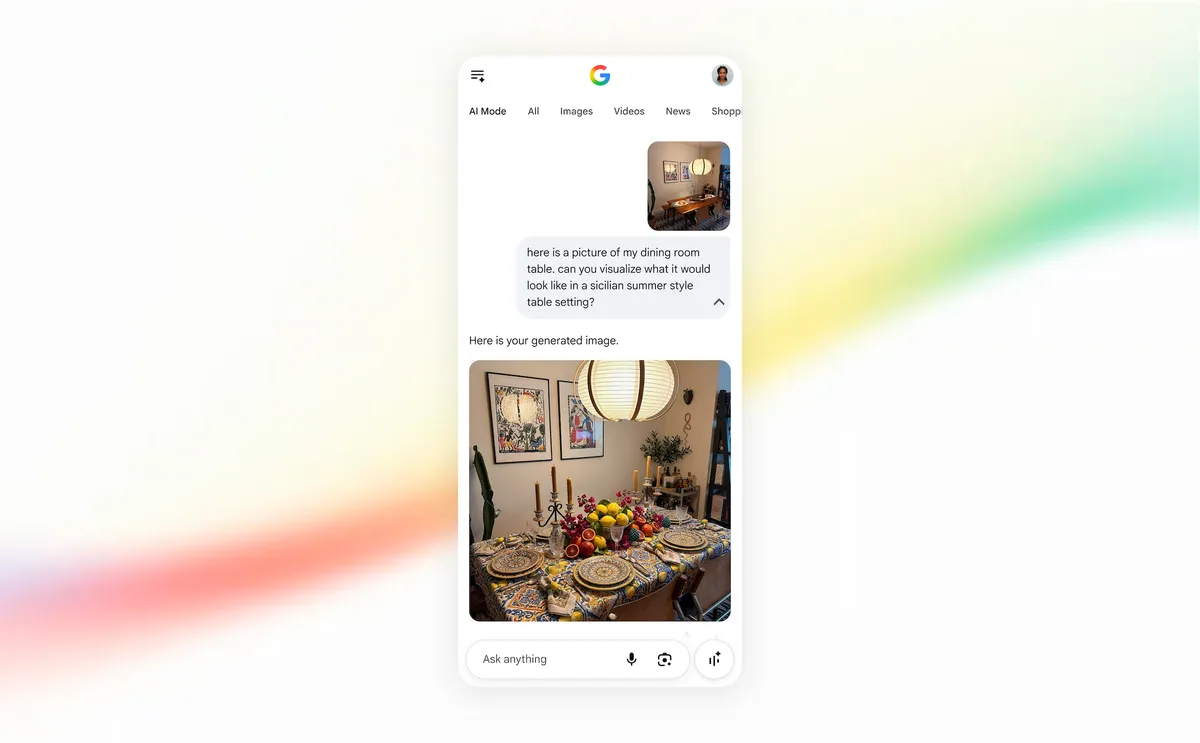
One of the most technically advanced features introduced is the integration of Nano Banana within Search’s AI Mode. This tool allows hosts to generate high-fidelity visualizations of table settings and decor based on specific thematic prompts. Traditionally, a host would need to browse hundreds of static images on platforms like Pinterest or Instagram to find inspiration. With the new AI integration, users can input specific parameters—such as "mid-century modern autumnal dinner for six with eucalyptus accents"—and receive a tailored visual representation of how their space could look.
This capability is powered by Google’s latest developments in image generation and spatial reasoning. By providing a concrete visual reference, the tool assists users in inventory management, helping them identify which decorative elements they already own and which need to be acquired. This functional application of generative AI moves the technology from the realm of novelty into practical utility, providing a bridge between a digital concept and physical execution.
2. The Evolution of Recipe Discovery and Creator Attribution
The centerpiece of any dinner party is the menu, a task that has historically been the primary driver of food-related search traffic. Google’s updated AI Mode introduces a new visual treatment for recipe discovery that aims to balance user convenience with the health of the broader web ecosystem. When users query for specific dishes or general themes, the AI provides a curated selection of recipes that include prominent links to original content creators.
These "recipe cards" feature high-resolution imagery, creator names, user ratings, and ingredient counts at the top of the search results. This structural change is significant for the creator economy. For years, food bloggers and recipe developers have expressed concern that AI "zero-click" searches—where the AI answers the query directly without sending traffic to the source—would decimate their business models. By placing creator links at the forefront of the AI-generated response, Google is signaling a commitment to maintaining a symbiotic relationship with the publishers who provide the data that trains its models.
3. Algorithmic Sommelier: AI-Driven Beverage Pairings
A frequent pain point for amateur hosts is the selection of beverages that complement a diverse menu. Google’s AI Mode now functions as a digital sommelier, utilizing a vast database of culinary knowledge to recommend wine, beer, or non-alcoholic pairings. The sophistication of this feature lies in its ability to handle complex, multi-course prompts.
For instance, a user can input a diverse menu consisting of miso-glazed salmon, a pungent cheese platter, and a citrus-heavy dessert like key lime pie. The AI does not merely provide a list of drinks; it offers a logical rationale for each selection. It might suggest a dry Riesling for the salmon to balance the umami and sweetness, while recommending a specific dessert wine or a tart craft soda for the final course. This level of contextual reasoning provides hosts with a layer of expertise that previously required professional consultation or extensive independent research.

4. Ecosystem Synergy: Connecting Apps for Atmosphere
The "Connected Apps" initiative is perhaps the clearest indicator of Google’s strategy to create a seamless "ambient computing" environment. By allowing Search to interface directly with other services like YouTube Music, Google is enabling users to manage the sensory environment of their party without leaving the search interface.
A host can prompt the AI to "curate a three-hour playlist for a sophisticated 50th birthday dinner with jazz and bossa nova influences." The AI generates the tracklist and, through the connected apps framework, can instantly save that playlist to the user’s library. This integration reduces the "app switching" friction that often disrupts the flow of event planning. From a business perspective, this reinforces the "walled garden" of the Google ecosystem, encouraging users to remain within the company’s suite of services for all their digital needs.
5. From Digital Prompt to Physical Print: Custom Menu Design
The final stage of the hosting process often involves the creation of physical artifacts, such as printed menus, to elevate the guest experience. Using the Nano Banana tool in AI Mode, users can now design professional-grade menus in seconds. By inputting the finalized dishes, the AI can generate a layout that reflects the party’s specific style—be it minimalist, rustic, or formal.
This feature represents a convergence of graphic design and natural language processing. It allows users with no formal design training to produce high-quality printed materials, further closing the gap between professional event planning and home hosting. The ability to "visualize a menu to print" transforms the AI from a source of information into a production tool.
Technical Chronology: The Road to AI-Assisted Hosting
The rollout of these dinner party tools is the result of a multi-year development cycle at Google.
- 2023: Google introduced the Search Generative Experience (SGE) as an experimental lab, testing how users would interact with AI-generated summaries at the top of search results.
- Early 2024: The company began integrating "Multimodal" capabilities, allowing the AI to understand and generate both text and images simultaneously.
- Mid-2024: The launch of the "Connected Apps" framework allowed for deeper integration between Search, Workspace, and media platforms like YouTube.
- Late 2024: The current iteration of AI Mode and Nano Banana represents the refinement of these technologies into specific, user-centric "use cases" like event planning.
Market Analysis and Broader Implications
Industry analysts view Google’s focus on dinner parties as a strategic move to defend its market share against emerging AI competitors like OpenAI’s SearchGPT and Perplexity AI. While these competitors excel at factual retrieval, Google is leveraging its massive ecosystem—including Maps, YouTube, and its relationships with recipe creators—to offer a "full-stack" solution that competitors cannot easily replicate.
However, the shift toward AI-orchestrated social lives raises questions regarding data privacy and the homogenization of culture. As more people rely on the same algorithmic suggestions for their "unique" dinner parties, there is a risk of aesthetic and culinary uniformity. Furthermore, the "Connected Apps" feature requires users to grant the AI deeper access to their personal data and preferences, a trade-off between convenience and privacy that remains a point of contention among tech critics.
Conclusion: The Future of the Intelligent Host
The introduction of these five features marks a significant milestone in the evolution of the search engine. Google is no longer just a place to find a recipe; it is becoming the platform where the recipe is found, the drinks are paired, the music is selected, and the decor is designed.
As AI continues to move from the desktop into the fabric of daily life, the "ultimate dinner party" serves as a microcosm for the future of human-AI collaboration. By handling the logistical "heavy lifting," Google aims to allow hosts to focus on the one thing the AI cannot yet replicate: the genuine human connection that occurs around the dinner table. Whether this leads to a renaissance of hosting or a reliance on algorithmic guidance remains to be seen, but the tools for the AI-augmented home are now firmly in place.
