

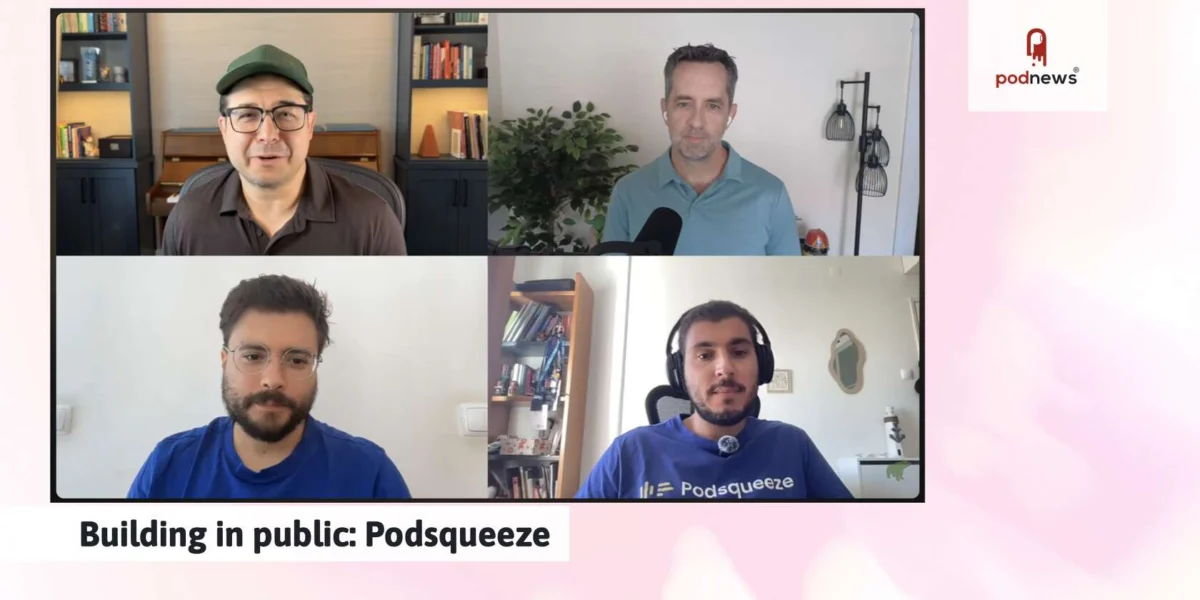
Podsqueeze, a platform dedicated to streamlining podcast creation and management, has announced a groundbreaking initiative titled "Building in Public." This strategic move aims to demystify the podcast development lifecycle, fostering unprecedented transparency and community engagement within the industry. The initiative, which has already begun to unfold, represents a significant departure from traditional closed-door development processes, signaling a new era of collaborative growth and user-centric innovation for the podcasting ecosystem.

The core of "Building in Public" involves Podsqueeze openly sharing its development roadmap, progress, and challenges with its user base and the broader podcasting community. This includes detailed insights into upcoming features, ongoing bug fixes, and strategic decisions that shape the platform’s evolution. By inviting external feedback and participation, Podsqueeze seeks to harness the collective intelligence of podcasters worldwide, ensuring that its product development is directly aligned with the real-world needs and aspirations of its users.
This transparency initiative is not merely a marketing ploy; it is deeply embedded in Podsqueeze’s philosophy of empowering creators. Historically, many software development processes have been opaque, leaving users to discover new features or encounter issues without prior insight. Podsqueeze’s commitment to "Building in Public" aims to dismantle these barriers, creating a more informed and engaged community. The visual representation of this initiative, as highlighted by the accompanying imagery, suggests a focus on tangible progress and accessible information, reinforcing the idea of constructing something substantial and visible for all to witness and contribute to.

The implications of such a transparent approach are far-reaching. For individual podcasters, it means having a direct line of influence on the tools they use daily, leading to more intuitive and effective platforms. For the podcasting industry as a whole, it fosters a culture of shared learning and innovation. Competitors may be compelled to adopt similar transparent practices, driving a sector-wide uplift in user-centric development and community relations. This can lead to a more robust and sustainable podcasting landscape, benefiting creators, listeners, and platform providers alike.
A New Paradigm in Software Development
The "Building in Public" movement, while gaining significant traction with Podsqueeze’s announcement, is not entirely novel. It draws inspiration from successful open-source development models and the growing trend of companies sharing their internal progress on platforms like GitHub and product roadmaps. However, Podsqueeze’s application within the podcasting industry, a sector often characterized by its independent creators and diverse technical expertise, is particularly noteworthy.

The initiative’s launch can be traced back to a growing recognition within Podsqueeze that the best innovations often arise from understanding the granular challenges faced by creators. By opening up their development process, they are essentially inviting their most valuable stakeholders – podcasters themselves – to co-create the future of the platform. This collaborative spirit is expected to accelerate the identification of pain points, the ideation of solutions, and the refinement of features, ultimately leading to a more powerful and user-friendly podcasting toolkit.
Key Components of the "Building in Public" Initiative
Podsqueeze’s "Building in Public" initiative is multifaceted, encompassing several key areas:

- Publicly Accessible Development Roadmap: Users can access and track Podsqueeze’s planned features, development priorities, and estimated timelines. This allows creators to anticipate upcoming functionalities and provide timely feedback.
- Transparent Progress Updates: Regular updates detailing development milestones, completed tasks, and ongoing challenges will be shared. This provides a realistic view of the development cycle, managing user expectations and fostering trust.
- Community Feedback Channels: Dedicated forums, surveys, and direct communication channels will be established to encourage users to share their thoughts, suggestions, and bug reports. This ensures that user input is systematically collected and considered.
- "Building in Public" Showcase: Specific development sprints or feature rollouts might be highlighted, offering a deeper dive into the design and implementation process. This educational aspect can empower other creators and developers.
- Open Dialogue on Challenges: Podsqueeze intends to be upfront about any obstacles encountered during development, such as technical hurdles or unexpected delays. This honesty builds credibility and allows the community to offer potential solutions or support.
Early Adopters and Initial Reactions
The announcement has already generated considerable buzz within the podcasting community. Early adopters and industry observers have largely responded with enthusiasm, viewing it as a refreshing and progressive approach.
Anderson Cowan, co-host of The Film Vault, commented on the initiative, stating, "In an industry where creators often feel disconnected from the tools they rely on, Podsqueeze’s ‘Building in Public’ approach is a breath of fresh air. It signifies a genuine commitment to listening and adapting, which is crucial for any platform aiming to serve the dynamic needs of podcasters."

Similarly, Jen Davis, host of the Roots and Branches JJC Alumni Podcast, shared her perspective: "As a creator who values community and collaboration, I’m incredibly excited about this. It opens up avenues for us to not just use a tool, but to actively shape it. This kind of transparency fosters a sense of ownership and partnership, which can only lead to better outcomes for everyone involved."
The I Love Rugby podcast, recently partnered with Tapt Media for ad sales, also highlighted the potential benefits of such open development. While not directly commenting on Podsqueeze, a spokesperson for Tapt Media noted, "The podcasting industry thrives on authentic connections. Initiatives that foster transparency and direct creator engagement are vital for building lasting relationships and driving growth."

Podcast Data Highlights and Industry Trends
This focus on transparency and community development at Podsqueeze arrives at a time when the podcasting industry continues to experience significant growth and diversification. Recent data underscores the dynamic nature of the landscape:
- The Daily continues its reign, holding the #1 spot on Apple Podcasts in the United States, demonstrating the enduring appeal of daily news and current affairs content.
- Spotify’s growing influence is evident with Spotify Live ranking #1 in the United States on the platform, indicating a shift towards more interactive and live audio experiences.
- The emergence of niche content is also notable, with Speed & Scale achieving the "Biggest Gain" at #5 in the Nature category in Ireland, illustrating the expanding reach of specialized topics.
- New entrants are finding success, as seen with Talk Yoga SLP making the "Highest New Entry" at #3 in the How To category in Ireland, showcasing the demand for practical, instructional content.
- The medical field also sees strong performance, with No Appointment Necessary securing the #1 position in Medicine in the United Kingdom, highlighting the audience interest in health and wellness discussions.
- Established historical podcasts like The Rest Is History continue to resonate with audiences, demonstrating the sustained popularity of in-depth, narrative-driven content.
These data points collectively illustrate a vibrant and evolving podcasting ecosystem. Podsqueeze’s "Building in Public" initiative is well-positioned to tap into this energy, providing creators with the tools they need to navigate and thrive in this competitive environment.

The Broader Implications for Podcasting Technology
The success of Podsqueeze’s "Building in Public" model could set a precedent for other podcasting technology providers. As the industry matures, creators are becoming more discerning about the tools they adopt, seeking platforms that offer not just functionality but also a sense of partnership and responsiveness.
By prioritizing transparency, Podsqueeze is not only enhancing its own product but also contributing to a healthier and more collaborative podcasting ecosystem. This approach fosters a deeper understanding of the creative process and the technical needs of podcasters, potentially leading to more innovative and user-friendly solutions across the board. The long-term impact could be a significant reduction in friction for creators, allowing them to focus more on content creation and audience engagement, and less on the technical complexities of production and distribution.

The initiative also has implications for community building. When a platform actively involves its users in its development, it cultivates a loyal and engaged community. This community can become a valuable asset, providing early feedback, acting as brand advocates, and contributing to a positive feedback loop that drives further innovation. This is particularly relevant in the podcasting world, where strong community ties can significantly impact a show’s longevity and success.
Looking Ahead: A Commitment to Continuous Improvement
Podsqueeze’s "Building in Public" initiative is not a one-time event but a sustained commitment to a more collaborative development process. The company has indicated that this approach will guide its future product strategy, ensuring that user needs remain at the forefront of every decision.

The journey of "Building in Public" will undoubtedly involve its own set of challenges. Maintaining transparency while managing user expectations, prioritizing feature requests from a diverse user base, and effectively communicating technical complexities to a non-technical audience are all significant undertakings. However, by embracing these challenges head-on, Podsqueeze is demonstrating a maturity and forward-thinking approach that is likely to resonate deeply with the podcasting community.
As the initiative unfolds, industry observers will be keenly watching its progress. The success of "Building in Public" by Podsqueeze could very well herald a new standard for software development in the creator economy, demonstrating that true innovation thrives when built in the open, with the community as its cornerstone. The visual representation of this endeavor, a symbolic structure being built, serves as a powerful metaphor for this ongoing, collaborative construction of the future of podcasting tools.
