

The digital media landscape is in constant flux, and YouTube, the undisputed king of online video, is making a significant play to become a dominant force in the podcasting realm. This strategic pivot, underscored by recent feature rollouts and a focus on creator empowerment, signals a transformative period for both content creators and consumers of audio-first content. The platform’s ambition extends beyond mere hosting; it aims to redefine how podcasts are discovered, consumed, and monetized, leveraging its vast existing user base and sophisticated recommendation algorithms.
YouTube’s foray into podcasting isn’t a sudden development but rather a calculated evolution. For years, the platform has been a de facto destination for many podcast listeners, who often consume episodes in video format or listen to audio while multitasking. However, the recent unveiling of dedicated podcast features and a more structured approach signifies a commitment to the medium that goes beyond incidental consumption. This move is poised to challenge established podcasting platforms and offer creators new avenues for growth and revenue.

The Evolving Podcast Ecosystem and YouTube’s Ambition
The podcasting industry has experienced exponential growth over the past decade, transforming from a niche interest into a mainstream form of media consumption. Global podcast listenership is projected to surpass 500 million by 2024, with significant revenue streams from advertising, subscriptions, and live events. This burgeoning market, valued at billions of dollars annually, has naturally attracted the attention of major tech players seeking to capture a share of this lucrative pie.

YouTube’s entry into this space is particularly impactful due to its unparalleled reach. With over 2.5 billion monthly active users, the platform possesses an immense audience that can be tapped for podcast discovery. The integration of podcast-specific features aims to streamline the user experience, making it easier for listeners to find and subscribe to their favorite shows, and for creators to engage with their audience in new ways.

Key Features and Strategic Initiatives
YouTube’s strategy for podcast integration is multifaceted, focusing on enhancing discoverability, improving the listening experience, and providing robust monetization tools for creators. While specific details of all upcoming features remain under wraps, several key initiatives have been highlighted, signaling a clear direction for the platform.

Enhanced Discoverability:
One of the most significant challenges in podcasting is discoverability. With tens of thousands of new episodes released weekly, it can be difficult for listeners to find content that aligns with their interests. YouTube’s powerful recommendation engine, honed by years of video content analysis, is a natural fit for this problem. By analyzing listening habits and content themes, YouTube can surface relevant podcasts to its vast user base, potentially driving significant new listenership to shows.

Dedicated Podcast Hubs:
The introduction of dedicated podcast sections within the YouTube interface is a crucial step. These hubs will act as central repositories for podcast content, allowing users to browse trending shows, explore different genres, and manage their subscriptions more effectively. This dedicated space signals YouTube’s seriousness about the medium and provides a more organized environment for podcast discovery compared to simply searching for individual episodes.

Cross-Platform Integration:
YouTube is also emphasizing seamless integration across its various platforms. This includes the ability to start listening on a desktop and seamlessly continue on a mobile device, as well as potential integration with smart speakers and other audio-centric devices. This holistic approach aims to meet listeners wherever they are, ensuring that podcast content is accessible and convenient.

Monetization Opportunities:
For podcast creators, monetization is a critical aspect of sustainability. YouTube’s existing advertising infrastructure, coupled with its experience in creator revenue sharing, provides a strong foundation. The platform is expected to offer a range of monetization options, including:

- Ad Integration: YouTube’s sophisticated ad-serving technology can be applied to podcasts, offering targeted advertising opportunities for creators. This could include pre-roll, mid-roll, and post-roll ads, as well as dynamic ad insertion.
- Channel Memberships and Super Chat: Leveraging features already popular with video creators, YouTube could enable podcast creators to offer exclusive content, early access, or direct fan engagement through memberships and Super Chat functionalities.
- Merchandise Shelf: Similar to video content, podcast creators might be able to promote and sell branded merchandise directly through their YouTube pages.
- Potential for Premium Content: While not explicitly detailed, the possibility of YouTube offering a premium podcast subscription service, akin to YouTube Premium for ad-free video, cannot be ruled out. This would provide an additional revenue stream for creators and a more immersive experience for dedicated listeners.
Creator Tools and Analytics:
YouTube is known for its comprehensive creator tools, and this will extend to its podcasting efforts. Creators will likely have access to detailed analytics on audience engagement, listenership trends, and revenue performance, allowing them to better understand their audience and optimize their content strategy. This data-driven approach is crucial for long-term growth and success in the competitive podcasting landscape.

The Audiencelift Partnership: Amplifying YouTube’s Podcast Strategy
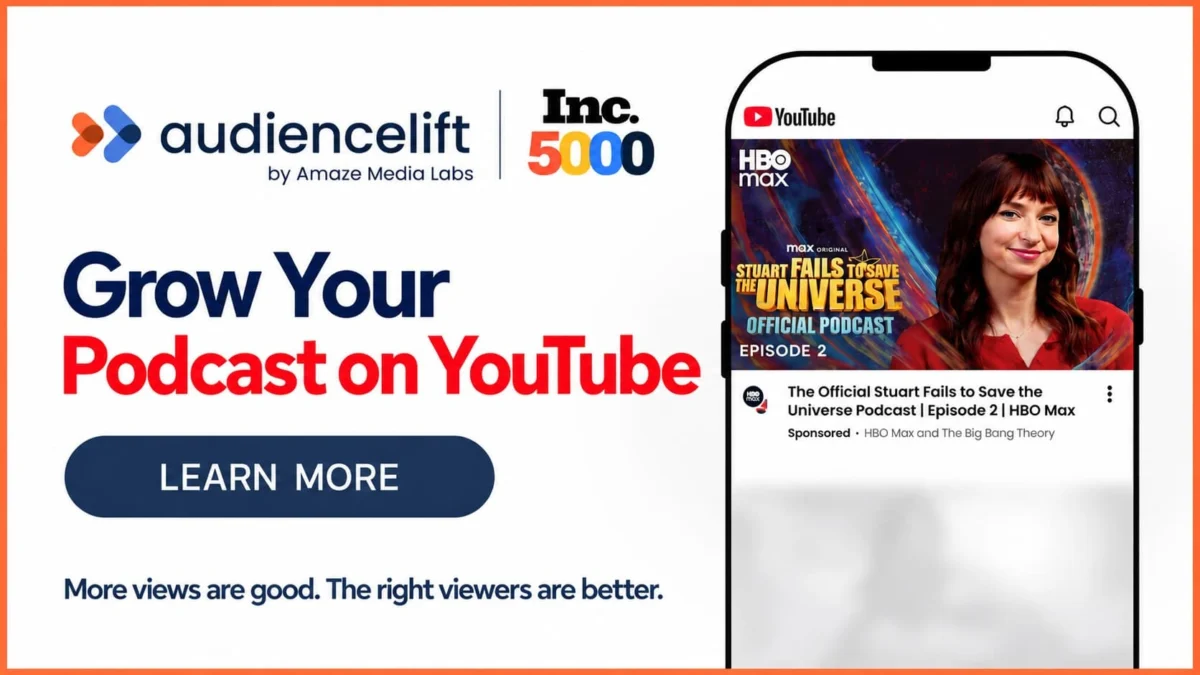
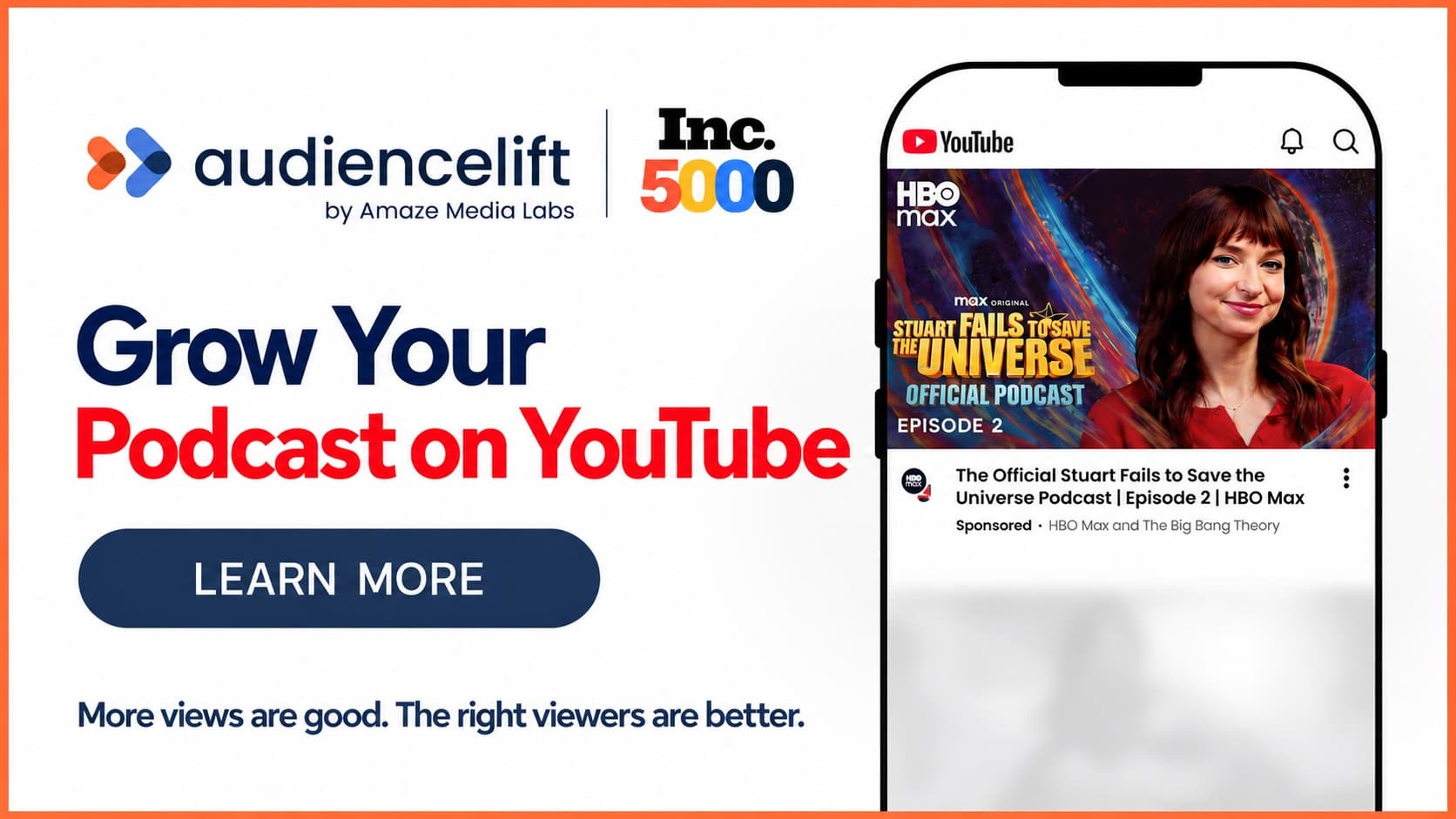
The article highlights a partnership with Audiencelift, an "official podcast test partner of YouTube." This collaboration underscores YouTube’s commitment to actively supporting podcast growth on its platform. Audiencelift’s stated goal of increasing "More YouTube Views. More Watch Time. More Subscribers" for podcasts directly aligns with YouTube’s broader strategy.

By offering targeted campaigns designed to boost key metrics, Audiencelift acts as a facilitator, helping creators navigate the complexities of YouTube’s algorithm and advertising ecosystem. The emphasis on "turnkey campaign management" suggests a hands-off approach for creators, allowing them to focus on content production while Audiencelift handles the promotional aspects. This partnership is a clear indicator that YouTube is not just opening its platform but actively investing in creator success within it. The ability to see performance directly within YouTube Studio further solidifies the integrated nature of this strategy.

Broader Implications for the Podcast Industry
YouTube’s assertive move into podcasting is set to have profound implications for the entire industry:

- Increased Competition: Established podcasting platforms like Apple Podcasts, Spotify, and Google Podcasts will face increased competition from a behemoth with unparalleled user reach and sophisticated discovery algorithms. This could lead to further innovation and a more competitive market for creators.
- Democratization of Audience Growth: For many independent podcasters, gaining significant traction and discoverability can be a significant hurdle. YouTube’s platform, with its potential for viral reach and algorithmic promotion, could offer new pathways for growth, potentially democratizing audience acquisition.
- Shift in Content Creation: The integration of video and audio content on a single platform might encourage more creators to produce video versions of their podcasts, further blurring the lines between traditional media formats. This could lead to a richer, more multi-modal podcasting experience for consumers.
- Redefined Monetization Models: YouTube’s diverse monetization tools could introduce new revenue streams for podcasters, potentially shifting the industry away from a sole reliance on traditional advertising. This could lead to more sustainable business models for creators.
- Data and Analytics Advancements: The wealth of data available to YouTube will likely lead to more sophisticated analytics for podcast creators, enabling them to better understand their audience and tailor their content for maximum impact.
Timeline and Context
The recent announcements and feature rollouts suggest that YouTube’s podcasting strategy has been in development for some time. While specific dates for the initial phases of this integration are not provided in the current information, the "September 25, 2026" publication date implies that this is a forward-looking announcement, possibly detailing features that are either newly launched or are on the horizon. The fact that Audiencelift is an "official podcast test partner" indicates a structured, iterative approach to development and deployment, likely involving beta testing and feedback loops with select creators. This suggests a methodical rollout rather than a sudden, disruptive launch.

The context for this expansion is the ongoing consolidation and evolution of digital media consumption. As audiences fragment across various platforms and formats, companies like YouTube are looking to capture and retain user attention by offering a comprehensive suite of content. For podcasts, this means moving from a standalone audio experience to an integrated part of a larger digital ecosystem.

Conclusion: A New Frontier for Audio Content
YouTube’s strategic expansion into the podcasting arena represents a significant development in the digital media landscape. By leveraging its immense user base, sophisticated recommendation engine, and robust creator tools, the platform is poised to redefine how podcasts are discovered, consumed, and monetized. The partnerships with companies like Audiencelift underscore a commitment to fostering creator success within this new frontier. As this integration unfolds, it will undoubtedly reshape the competitive dynamics of the podcasting industry, offering new opportunities for creators and a more enriched experience for listeners worldwide. The future of audio content is increasingly intertwined with the world’s largest video platform, promising an exciting and transformative era for podcasts.
