

Sales Kickoff (SKO) events represent a pivotal moment in the annual business cycle, akin to significant rites of passage that herald new beginnings—from the symbolic toast on New Year’s Eve to the ceremonial breaking of champagne bottles on a ship’s maiden voyage. For modern enterprises, SKOs serve as the foundational launchpad for the year’s sales initiatives, unifying teams, outlining strategic objectives, and igniting the collective momentum required to achieve ambitious targets. Far from being mere annual gatherings, successful SKOs are meticulously crafted strategic events that demand profound reflection, astute foresight, and a compelling narrative designed to engage and galvanize every participant.
The strategic importance of a well-executed SKO cannot be overstated. With the competitive landscape intensifying across virtually every sector, companies are increasingly recognizing that these events are not just about presenting numbers and targets, but about fostering a shared vision, enhancing skill sets, and reinforcing a high-performance culture. Industry analysts estimate that organizations dedicating significant resources to their SKO planning and execution often report a measurable increase in sales team readiness and a more unified approach to market penetration in the subsequent quarters. Conversely, a poorly planned or executed SKO risks disengagement, confusion, and a fragmented start to the fiscal year, potentially impacting revenue generation and employee morale.
The Evolving Landscape of Sales Kickoffs: A Historical Perspective
Historically, sales kickoffs emerged from the necessity of gathering geographically dispersed sales forces to communicate annual quotas, introduce new products, and foster camaraderie. Early SKOs, often held in corporate headquarters or modest conference venues, typically involved a series of executive presentations, product demonstrations, and motivational speeches. The primary focus was often top-down communication of directives and expectations.
Over the past two decades, particularly with the acceleration of digital transformation and the increasing sophistication of sales methodologies, the nature of SKOs has evolved dramatically. The advent of virtual and hybrid work models, exacerbated by global events, has further necessitated innovation in how these critical events are structured and delivered. Modern SKOs are now viewed as comprehensive professional development and strategic alignment opportunities, integrating elements of training, team building, strategic planning, and motivational psychology. Companies now invest heavily in ensuring these events are not just informative but truly transformative, aiming to inspire sustained high performance rather than just a temporary spike in enthusiasm.
The Foundational Pillars of a Transformative SKO

To truly maximize the impact of a sales kickoff, industry experts and leading organizations emphasize four critical elements that move beyond superficial spectacle to foster deep engagement and lasting momentum. These components are designed to ensure content relevance, emotional resonance, and actionable takeaways, transforming a merely "good" event into an exceptional one.
1. Prioritizing the Audience: The Seller-Centric Approach
A fundamental shift in SKO planning involves moving away from a leadership-centric perspective to an audience-first approach. Traditional SKOs often fall into the trap of assuming that sales teams share the same high-level concerns as executive leadership, resulting in presentations dominated by macroeconomic projections, intricate financial models, and abstract strategic initiatives. While these elements are crucial for leadership, they frequently fail to resonate directly with individual sellers, leading to disengagement and a perceived disconnect from their day-to-day realities.
Effective SKO planning begins with a deep understanding of the sales team’s current mindset, challenges, aspirations, and pain points. This requires leaders to actively solicit feedback and insights from the sales force itself, often through pre-event surveys, focus groups, or direct interviews with team leaders and individual contributors. Key questions to explore include:
- What were the primary successes and challenges faced by sellers in the previous year?
- What are their current anxieties or uncertainties regarding market conditions, product changes, or organizational shifts?
- What specific skills or resources do they feel are most needed for future success?
- What personal and professional growth opportunities are they seeking?
By understanding these dynamics, organizers can tailor messaging and programming to address these concerns directly. For instance, instead of merely announcing a new AI-powered sales workflow as a "productivity enhancement" from a corporate efficiency standpoint, an audience-first approach would frame it in terms of direct benefits to the sellers: "This new AI workflow is designed to reclaim up to 10 hours of your week, freeing you to cultivate deeper, more strategic relationships with high-value clients and pursue new growth opportunities, alleviating the administrative burden that currently limits your earning potential."
Furthermore, logistical considerations such as event timing, duration of sessions, and availability of amenities (e.g., catering, hydration, and caffeine stations) play a significant role in maintaining engagement, whether attendees are in-person or virtual. Incorporating a blend of passive learning (keynotes) and active participation (workshops, breakout sessions, hands-on tech demonstrations) ensures diverse learning styles are accommodated and provides opportunities for immediate application and peer-to-peer learning. This empathetic approach not only makes the content more relevant but also fosters a sense of validation and investment among the sales team, demonstrating that leadership understands and supports their journey.
2. Articulating a Singular Vision: The "Big Idea" Imperative
In an environment saturated with information, clarity of message is paramount. Many SKOs suffer from an overload of disparate topics—ranging from detailed financial reports to extensive product roadmaps and broad industry outlooks—without a unifying theme. This "information dump" approach often leaves attendees overwhelmed and unable to recall the most critical takeaways.
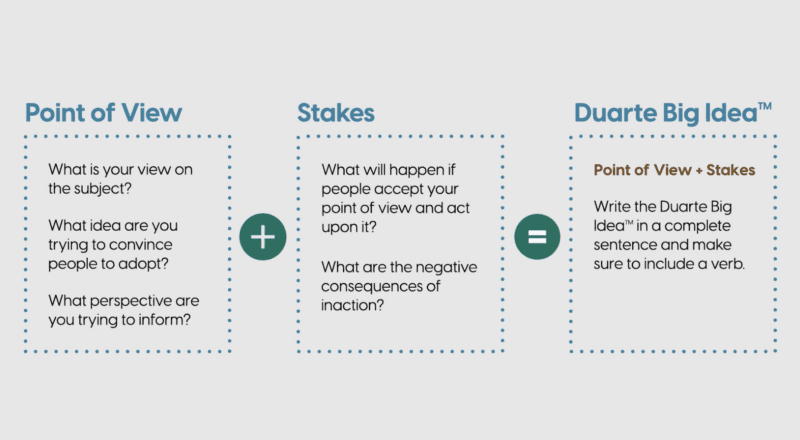
A successful SKO is anchored by a single, overarching "Big Idea" – a clear, concise, and compelling statement that encapsulates the core message and its implications for the audience. This concept distills the event’s essence into an easily digestible sentence, combining the organization’s unique point of view with what is at stake for the sales team. The formula is straightforward: Point of View + Stakes = Big Idea.
- Point of View: What is the organization’s distinct perspective on the current situation or future direction? What core idea or strategy is being championed?
- Stakes: What are the positive outcomes if the audience embraces this point of view and acts upon it? Conversely, what are the potential negative consequences of inaction or resistance?
For example, regarding the new AI workflow, a compelling Big Idea might be: "By leveraging our new AI workflow, sales professionals will significantly reduce administrative overhead, unlocking an additional 8-10 hours weekly to focus on strategic client engagement, thereby accelerating individual quota attainment and enhancing overall market share."
This Big Idea then serves as the "north star" for all SKO content, from keynote speeches to breakout sessions and supporting materials. Any topic or activity that does not directly support or elaborate on this core message should be re-evaluated for inclusion, potentially relegated to alternative communication channels or post-SKO resources. This discipline ensures message consistency, enhances retention, and provides a clear call to action, enabling sellers to understand precisely what they are being asked to achieve and why it matters to them personally and professionally.
3. Structuring the Narrative: The Power of a 3-Act Framework
Human beings are inherently wired for storytelling. By structuring the SKO’s narrative using a classic 3-act framework—a beginning, a middle, and an end—organizers can create a more engaging, memorable, and emotionally resonant experience. This structure, deeply ingrained in everything from ancient myths to modern blockbusters, provides a familiar and intuitive pathway for audiences to follow, allowing them to connect with the content on a deeper level.
- Act I: The Beginning (Establishing the Status Quo and the Challenge): This act sets the stage, acknowledging the current reality, including past achievements and existing challenges. Critically, it positions the sales team as the heroes of the narrative, empathizing with their experiences, gaps, and needs identified during the audience-first research phase. It frames the current situation in a way that resonates with their daily struggles and aspirations, building a foundation of relatability and trust.
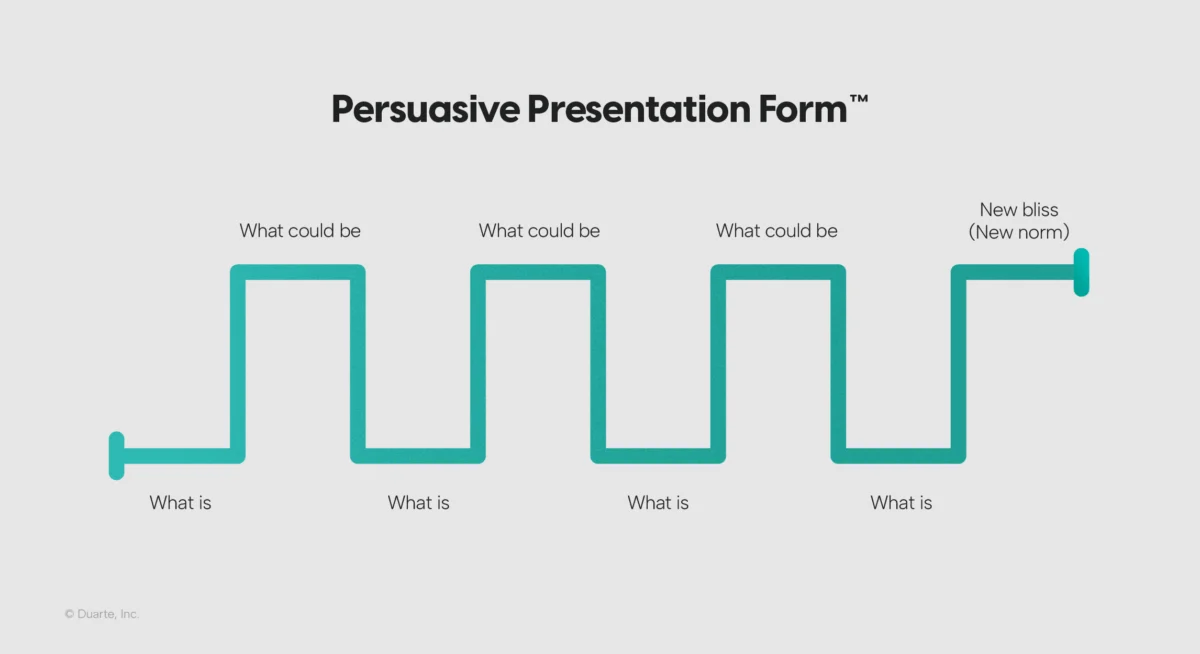
- Act II: The Middle (The Journey of Transformation and Overcoming Obstacles): This is where the core "action" of the SKO unfolds. It introduces the "new reality" or the "Big Idea" – the proposed solution or strategic direction. This act should not shy away from acknowledging potential roadblocks, learning curves, or the discomfort that often accompanies change. Instead, it systematically addresses these challenges, presenting the new tools, strategies, or methodologies as the means by which the sales team, as heroes, can overcome these obstacles. The "Persuasive Presentation Form," which alternates between describing "what is" (the current reality with its challenges) and "what could be" (the desirable future state), is highly effective here. This dynamic tension builds anticipation and desire for the proposed solution.
- Act III: The End (The New Bliss and Call to Action): The final act culminates in the resolution, where the tension is released, and the vision of "what could be" becomes the new reality. It paints a vivid picture of the successful future, detailing the benefits and opportunities that await the empowered sales team. This act provides a clear call to action, outlining the specific steps and support mechanisms available for implementing the new strategies. The heroes emerge transformed, equipped with new knowledge, tools, and a renewed sense of purpose, ready to embrace the "new bliss" and achieve their goals.
By consciously weaving the SKO content into this narrative arc, leaders guide their audience through a journey of recognition, challenge, and ultimate triumph, making the strategic objectives feel like a personal quest rather than a corporate mandate.

4. Infusing Authenticity: The Power of Personal Storytelling
While data and strategy form the backbone of an SKO, the human element is what truly electrifies an audience. Weaving personal stories and anecdotes into presentations is a powerful technique for breaking through monotony, building rapport, and making abstract concepts relatable. When delivered authentically, a well-placed personal story can:
- Humanize Leadership: It reveals a glimpse of the speaker’s personality, struggles, and triumphs outside of their corporate role, fostering empathy and connection.
- Increase Relatability and Trust: Stories create a shared experience, allowing the audience to see themselves in the narrative and trust the message being conveyed.
- Enhance Memorability: Emotions triggered by stories make information more sticky and easier to recall than raw data or abstract concepts.
- Illustrate Complex Ideas: A personal anecdote can simplify complex processes or strategic shifts by showing their real-world impact.
For instance, in introducing the AI workflow, a sales leader might share a brief, relatable story about their own initial skepticism or struggle with a new tool, followed by their personal experience of how it unexpectedly freed up time for a significant personal activity, like attending a child’s school event or pursuing a hobby. This transforms the AI tool from a technological upgrade into a liberator of personal time and potential, directly appealing to the audience’s desire for work-life balance and personal fulfillment.
Crafting effective personal stories requires reflection and practice. Leaders should identify moments in their own experiences that connect emotionally to the core message or address a potential audience reservation. It doesn’t need to be deeply vulnerable; rather, it should be a genuine insight that provides context or emotional resonance. Testing these stories in smaller team meetings before the main SKO can provide valuable feedback on their impact and delivery. The ability to connect on a human level transforms a presentation into a dialogue, making the audience active participants in the vision rather than passive recipients of information.
The Broader Implications and Call to Action
The integration of these four elements—audience-first planning, a clear Big Idea, a compelling 3-act narrative, and authentic personal storytelling—elevates the sales kickoff from a routine annual meeting to a high-impact strategic event. The implications of such a transformation are far-reaching:
- Enhanced Sales Performance: A motivated, aligned, and well-equipped sales force is more likely to meet and exceed targets.
- Improved Employee Engagement and Retention: When sellers feel understood, valued, and inspired, their loyalty and commitment to the organization increase.
- Stronger Organizational Culture: A shared narrative and a sense of collective purpose foster a more cohesive and resilient team environment.
- Accelerated Adoption of New Initiatives: Clear, relatable communication reduces resistance to change and speeds up the integration of new tools and strategies.
In an increasingly dynamic market, the investment in a truly impactful SKO is an investment in the future success of the entire organization. It is a strategic imperative that lays the groundwork for sustained growth, competitive advantage, and a thriving sales ecosystem. Organizations that embrace these principles are not just launching a sales cycle; they are charting a course for collective achievement and individual empowerment.
