

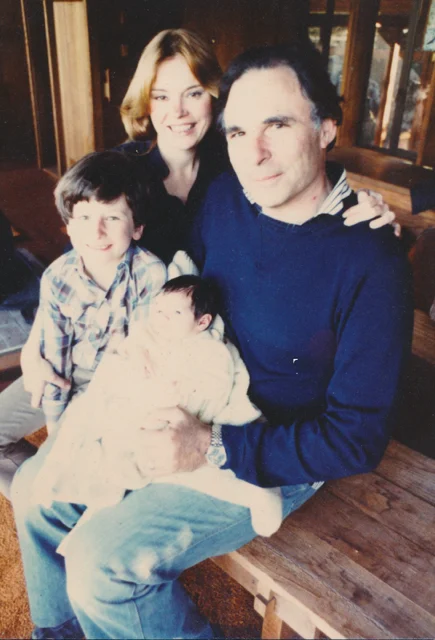
San Francisco, CA, November 17, 2025 – The world of psychology mourns the loss of Dr. Paul Ekman, a towering figure whose decades of pioneering research irrevocably shaped our understanding of human emotions, facial expressions, deception, and compassion. Dr. Ekman, aged 91, passed away peacefully at his home, surrounded by his family, marking the end of an era in affective science. His profound contributions have left an indelible mark on academic disciplines, law enforcement, education, and the broader cultural consciousness.
The Paul Ekman Group and his family confirmed his passing, issuing a statement that highlighted his "remarkable intellect, observational skills, and unflagging energy to illuminate the ways we express and feel our emotions and how they are embodied in our physiology." This sentiment was echoed by Dr. Robert W. Levenson, Ph.D., from the Department of Psychology at the University of California, Berkeley, who stated, "His research, theorizing, and ideas for how emotions could be harnessed in service of the greater good galvanized what was a small niche area of research into a vibrant and thriving research area that will continue to be hugely influenced by his work and vision."
Dr. Ekman’s illustrious career, spanning over sixty years, was characterized by an unyielding curiosity and a rigorous scientific approach. His early work, often conducted in challenging and remote corners of the globe, challenged prevailing notions by demonstrating the universality of certain human facial expressions and their corresponding physiological signatures across diverse cultures. This groundbreaking research provided empirical evidence for the existence of a core set of emotions, each with a distinct and recognizable facial manifestation, a finding that revolutionized the field of emotion research and laid the foundation for countless subsequent studies.
From the Laboratory to the Global Stage: A Legacy of Discovery
Born in Washington D.C. in 1934, Paul Ekman’s fascination with human behavior began early. After earning his Ph.D. in psychology from Adelphi University in 1958, he embarked on a path that would see him become one of the most influential psychologists of the 20th and 21st centuries. His early academic appointments, including his long tenure at the University of California, San Francisco, provided the fertile ground for his seminal research.
A pivotal development in Dr. Ekman’s career was the creation of the Facial Action Coding System (FACS). Developed in collaboration with Wallace Friesen, FACS is a comprehensive, anatomically based system for describing all observable facial movements. It provides a standardized, objective method for analyzing facial expressions, moving beyond subjective interpretation. This system has become an indispensable tool for researchers worldwide, enabling precise quantification of facial muscle activity and its correlation with emotional states. FACS has been instrumental in fields ranging from psychology and neuroscience to linguistics and artificial intelligence.
Complementing FACS, Dr. Ekman also developed Micro Expression Training Tools, which equip individuals with the ability to detect fleeting, involuntary facial expressions that can betray concealed emotions. These tools have found widespread application in training law enforcement officers, intelligence analysts, therapists, and anyone seeking to enhance their emotional intelligence and understanding of nonverbal communication. The ability to discern micro-expressions has become a critical skill in fields where accurate assessment of truthfulness and emotional states is paramount.
Collaborations and Cultural Impact: Bridging Science and Spirituality
Dr. Ekman’s influence extended far beyond the confines of academia. His deep interest in the human condition led him to foster a profound and enduring friendship with His Holiness the Dalai Lama. This collaboration, spanning years, explored the intersections of emotion, compassion, and well-being. Their shared work culminated in initiatives aimed at promoting emotional literacy and fostering a more compassionate global society.
Together with the Dalai Lama, Dr. Ekman co-authored works and developed programs focused on "Developing Global Compassion." This endeavor highlighted his commitment to applying scientific knowledge to address pressing societal challenges. The collaboration with his daughter, Dr. Eve Ekman, a contemplative social scientist, proved particularly fruitful. Their joint efforts led to the creation of the interactive online tool, the Atlas of Emotions, which provides users with a rich vocabulary and deeper insight into the complexities of emotional experience. They also played a key role in developing the "Cultivating Emotional Balance" program, which integrates mindfulness meditation with emotional regulation techniques.
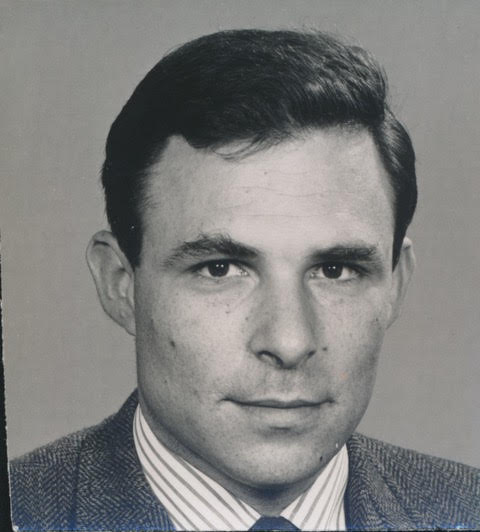
Dr. Eve Ekman, now director of the Paul Ekman Group, expressed the profound personal and professional impact of her father’s work: "My dad’s commitment to rigorous science, love of discovery, and dedication to alleviating pain from destructive emotions were at the very core of his brilliant mind and accomplishments. However, his huge heart and ability to vulnerably share his own struggles with emotions were what made him beloved by so many. He was an incredibly loving dad – a lover of life and unrelentingly curious."
Reaching the Masses: Popularizing the Science of Emotion
Dr. Ekman’s ability to translate complex scientific concepts into accessible formats brought his work to a global audience. His bestselling books, including "Emotions Revealed" and "Telling Lies," demystified the science of emotion and deception detection for millions of readers. His insights into micro-expressions and nonverbal cues also served as the inspiration for the highly popular Fox television series "Lie to Me," which captivated audiences worldwide and brought the practical applications of his research into mainstream consciousness.
Furthermore, Dr. Ekman’s expertise was sought by leading creative industries. He served as a scientific advisor to Pixar Animation Studios for their critically acclaimed film "Inside Out," a poignant and insightful exploration of emotions that resonated with audiences of all ages. His input was crucial in ensuring the accurate and nuanced portrayal of the inner workings of the human mind, further cementing his legacy as a bridge between scientific discovery and cultural understanding.
A Lasting Legacy: The Paul Ekman Group and Future Initiatives
The Paul Ekman Group, now under the leadership of Dr. Eve Ekman, continues to advance Dr. Ekman’s mission of making emotional awareness, empathy, and truthfulness accessible worldwide through science-based education and training. The organization remains dedicated to disseminating his research and methodologies, ensuring that his contributions will continue to benefit future generations.
The impact of Dr. Ekman’s work can be quantified not only by academic citations and professional adoptions but also by the profound shift in how society perceives and discusses emotions. His research has provided a common language and framework for understanding these fundamental aspects of the human experience. The implications of his work are far-reaching, influencing fields such as:
- Mental Health: Providing diagnostic tools and therapeutic approaches for understanding and managing emotional disorders.
- Forensic Science: Enhancing interrogation techniques and the assessment of witness credibility.
- Interpersonal Communication: Improving negotiation, conflict resolution, and relationship building.
- Education: Developing curricula that foster emotional intelligence and social-emotional learning in children.
- Artificial Intelligence: Contributing to the development of AI systems capable of recognizing and responding to human emotions.
Honoring a Visionary: A Documentary and Global Reflections
To celebrate Dr. Ekman’s extraordinary life and scientific contributions, a documentary is currently in development, aiming to provide a comprehensive and inspiring portrait of his journey. Those wishing to support the completion of this film can find further information and contribute through a dedicated link, ensuring his story and legacy are preserved for posterity.
In recognition of his enduring influence, the Paul Ekman Group is also actively collecting reflections, stories, photographs, films, and messages of appreciation from colleagues, students, and readers worldwide. These contributions will be compiled on a memorial page dedicated to celebrating his life and legacy, creating a digital tapestry of the vast impact he had on individuals and communities across the globe.
Dr. Ekman is survived by his children, Eve Ekman and Tom Ekman, and a wide circle of devoted friends and colleagues who were touched by his intellect, warmth, and unwavering dedication to understanding the human heart. His passing is not merely the end of a career, but the closing of a chapter in the scientific exploration of what it means to be human, leaving behind a legacy that will continue to inspire and guide us for years to come.