

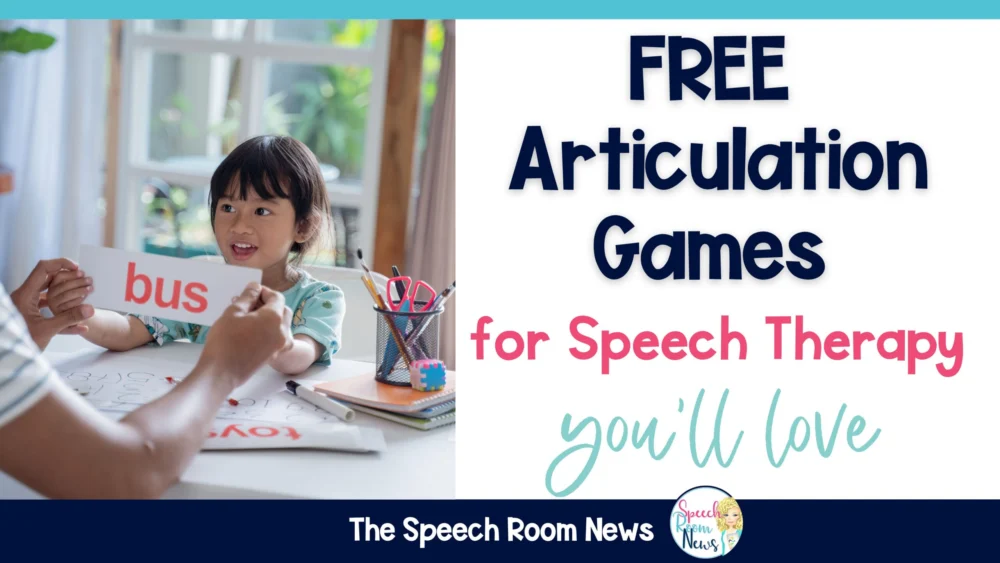
The landscape of pediatric speech therapy is undergoing a significant transformation, driven by the increasing integration of accessible, engaging, and cost-effective digital and printable resources. Historically reliant on traditional, often resource-intensive methods, the field is now embracing a wide array of free articulation games and materials that not only boost student engagement but also facilitate the crucial generalization of language skills into everyday contexts. This shift addresses long-standing challenges in maintaining child motivation and ensures therapeutic continuity beyond the clinic or classroom, making speech therapy more memorable and effective across virtual, in-person, and hybrid learning environments.
The Foundational Role of Play in Speech-Language Pathology
Speech sound disorders (SSDs), which include articulation and phonological disorders, affect a significant portion of the pediatric population, with estimates suggesting prevalence rates ranging from 5% to 10% in children. Early and consistent intervention is paramount for mitigating the long-term educational and social impacts of these disorders. Traditional speech therapy, while effective, often faced hurdles in sustaining the attention of young learners, particularly during repetitive drills necessary for sound acquisition. This is where the pedagogical power of play becomes critical. Research consistently demonstrates that play-based learning fosters a more naturalistic and motivating environment, reducing anxiety and increasing a child’s willingness to participate in challenging tasks. By embedding articulation practice within games, children often perceive the activity as enjoyable rather than a chore, leading to higher rates of compliance and better retention of learned skills. The integration of games also provides countless opportunities for contextualized practice, aiding in the generalization of newly acquired speech sounds from isolated words to spontaneous speech.
Evolution of Therapy Tools: From Flashcards to Digital Worlds
The evolution of speech therapy tools has mirrored broader advancements in educational technology. For decades, speech-language pathologists (SLPs) primarily relied on physical flashcards, worksheets, and manual manipulatives. While these tools remain valuable, their limitations became particularly apparent with the advent of digital learning and, more acutely, during the global shift to remote education. The demand for flexible, engaging, and accessible resources skyrocketed, prompting a surge in the development and sharing of digital and printable materials. This period marked a pivotal point, as SLPs, educators, and even independent developers began to leverage online platforms to create and disseminate free or low-cost therapeutic tools, democratizing access to high-quality intervention materials.
This rapid digital transformation has enabled SLPs to diversify their therapeutic approaches, catering to a wider range of learning styles and technological access levels. The ability to seamlessly transition between interactive online games, printable activities for hands-on engagement, and material-free games for spontaneous practice has become a hallmark of modern, adaptable speech therapy. This multi-modal approach ensures that therapy remains dynamic and responsive to the individual needs and preferences of each child, irrespective of the setting.

Interactive Online Games: A Gateway to Engaging Articulation Practice
The advent of interactive online games has proven to be a game-changer for enhancing students’ articulation skills. These digital platforms offer a unique blend of visual stimulation, auditory feedback, and immediate gratification, making the often-repetitive nature of articulation practice more palatable and enjoyable. Several resources have emerged as favorites among SLPs and parents due to their effectiveness and, crucially, their accessibility at no cost.
One prominent example is ABCya’s “Alphabet BINGO,” a resource particularly beneficial for younger students who are developing foundational phonological awareness. By integrating letter sounds into a familiar game format, it helps children connect sounds to symbols in an engaging way, a crucial precursor to correct articulation. The interactive nature of digital BINGO provides instant feedback, reinforcing correct identifications and making learning feel like a fun challenge.
The Articulation Station App (Lite Version) represents another significant stride in mobile-first therapy. Available for download on various devices, the free version offers several sound options and interactive games designed to keep students engaged. Its intuitive interface and targeted activities allow for focused practice on specific speech sounds, providing a portable and readily available tool for both in-session use and home practice. This app exemplifies how mobile technology can bring sophisticated therapeutic tools directly into the hands of learners and their caregivers.
Language Playroom stands out with its growing collection of online games, currently offering 20 free resources specifically tailored for articulation practice. The platform’s commitment to continually expanding its offerings to include fluency, language, and social communication activities highlights a broader trend towards comprehensive, multi-faceted digital therapy support. The variety of game formats ensures that children remain motivated, preventing boredom that can often accompany repetitive practice.
Phoneme Pop is an online game that capitalizes on a simple yet effective concept: popping bubbles containing words with target sounds. This visual and auditory game provides immediate reinforcement and helps children discriminate and produce specific phonemes in a playful context. The sensory engagement of "popping" virtual bubbles adds an element of fun, transforming a therapeutic exercise into an enjoyable activity.
Boom Cards have rapidly gained traction within the speech therapy community. These digital, interactive task cards are hosted on the Boom Learning platform and can be found in abundance, including numerous free decks, on platforms like Teachers Pay Teachers and Boom Learning. Boom Cards offer self-checking features, immediate feedback, and a gamified experience, allowing SLPs to assign targeted activities that students can complete independently. The vast community of creators ensures a continuous supply of diverse and innovative content, often tailored to specific articulation targets and thematic interests. The convenience of assigning these digital decks for both in-session and homework practice has made them indispensable for many practitioners.

Printable Games for Hands-On Articulation Practice
While digital resources offer undeniable advantages, the value of tangible, hands-on activities remains high, particularly for children who benefit from multi-sensory engagement or those with limited screen time. Printable games provide a flexible and often creative outlet for articulation practice, easily adaptable for therapy sessions or as take-home assignments to foster carryover.
The "Whack-a-Sound /S/ Self-Checking Articulation Freebie" is an excellent example of a printable game designed for preschool through second-grade students. This game helps children identify the position (initial, medial, or final) of a target sound within words. The "whack-a-mole" concept, translated into a printable format, adds an element of playful competition, making the analytical task of sound identification more engaging.
Articulation Worksheets from Super Duper Publications offer a range of free printable activities. Known for their high-quality educational materials, Super Duper provides foundational worksheets that can be used for various articulation goals. These often include visual aids and repetitive practice opportunities, allowing SLPs to select materials that align with specific therapy targets and student needs.
For seasonal engagement, the "Hot Chocolate Articulation Board Game" proves to be a popular choice during colder months. This versatile game encourages creative adaptation by SLPs, who can pair it with target word flashcards. The simple mechanic of rolling a die and moving spaces after correctly articulating a word transforms routine practice into an enjoyable journey, fostering motivation through game-play rather than explicit drilling.
"100 Trial Challenges" by Peachie Speechie have become a staple for SLPs aiming to maximize repetitions within a session. These thematic and holiday-themed sheets allow for easy integration into ongoing therapy themes, making articulation practice relevant and engaging. The challenge format motivates students to achieve a high number of trials, which is critical for motor learning and sound habituation. The visual tracking of progress inherent in these sheets also provides a tangible sense of accomplishment.
"Color & Play Ocean Articulation Bingo" combines the familiar fun of Bingo with targeted articulation practice. These printable cards, featuring ocean animals and target words, can be used effectively in both group and one-on-one settings. The act of coloring the squares after successful articulation adds a creative and fine-motor component, appealing to a broader range of learners and making the practice multi-sensory.

Material-Free Games: Integrating Therapy into Everyday Life
Effective speech therapy extends beyond the structured environment of the clinic or classroom. The ability to practice articulation in natural, spontaneous contexts is crucial for generalization. Material-free games, often playable anywhere, including during car rides or waiting periods, provide invaluable opportunities for integrating therapy into daily routines, reinforcing learned skills without the need for specific tools.
"I Spy" is a classic game that can be effortlessly modified for articulation practice. Instead of simply identifying objects, children can be prompted to find items that begin with a specific target sound. This encourages auditory discrimination and spontaneous production of the target sound in varied contexts, enhancing a child’s awareness of their speech sounds in the environment.
"20 Questions" serves as an excellent vehicle for encouraging descriptive language and targeting articulation goals. By asking and answering questions, children are prompted to use a wider range of vocabulary, naturally incorporating their target sounds within meaningful sentences. This game enhances not only articulation but also language formulation and critical thinking skills.
"Rhyme Time" is a fantastic way to focus on phonological awareness and articulation. Taking turns saying words that rhyme with a target word forces children to manipulate sounds and attend to the phonetic structure of words, all while practicing correct articulation. This playful exercise strengthens both auditory processing and speech production.
"The Alphabet Game," where participants go through the alphabet and say a word starting with each letter, offers a structured yet flexible opportunity for articulation practice. An SLP or parent can guide the child to focus on words that contain their specific articulation targets, making the game purposeful. This activity helps with letter-sound correspondence and broadens vocabulary, all while reinforcing correct speech patterns.
Expert Insights and Broader Implications

The proliferation of free articulation resources has garnered positive reactions from various stakeholders within the educational and healthcare sectors. Speech-Language Pathologists consistently report a significant increase in student motivation and engagement when these varied, dynamic tools are integrated into therapy plans. "These games have been transformative," states a veteran SLP from a metropolitan school district, preferring to remain anonymous. "Children are more eager to participate, and the carryover to home practice has improved dramatically, which is critical for long-term success."
Parents, often burdened by the financial implications of specialized therapy, express profound appreciation for the accessibility of free resources. These tools empower them to actively support their child’s therapy at home, bridging the gap between clinical sessions and daily life. "Having these free games has been a blessing," shares a parent of a child with an articulation disorder. "It makes practice fun, not a chore, and we can do it anytime, anywhere."
From an administrative perspective, educational institutions and private practices note the cost-effectiveness of these free materials. While quality paid resources remain valuable, the availability of no-cost options allows for the reallocation of limited budgets to other critical areas, such as professional development or specialized equipment. The community-driven nature of platforms like Teachers Pay Teachers and Boom Learning, where educators share free and affordable materials, underscores a collaborative spirit aimed at enhancing therapeutic outcomes for all children.
The implications of this trend extend beyond individual therapy sessions:
- Enhanced Therapeutic Outcomes: Increased engagement directly correlates with better retention, more consistent practice, and ultimately, faster progress toward articulation goals.
- Increased Accessibility and Equity: Free resources help dismantle financial barriers, ensuring that high-quality therapeutic support is available to a broader demographic, including underserved communities.
- Professional Development and Innovation: SLPs are continually exposed to new tools and methodologies, fostering innovation in their practice and encouraging a dynamic approach to therapy.
- Empowered Parental Involvement: Parents become active partners in the therapy process, equipped with engaging tools to reinforce learning, which is crucial for generalizing skills.
- Future Trends: This movement sets a precedent for future innovations, potentially paving the way for more sophisticated AI-driven adaptive learning platforms, virtual reality (VR) environments for immersive practice, and personalized therapy paths that are both effective and universally accessible.
However, the expansion of digital resources also highlights the need for careful consideration of challenges such as managing screen time, addressing the digital divide for families without reliable internet access or devices, and ensuring that all resources, free or paid, are clinically appropriate and evidence-based.
In conclusion, the integration of free articulation games and materials represents a significant advancement in pediatric speech therapy. By leveraging the power of play and adapting to diverse learning environments, these resources are not only making therapy more engaging and memorable but also fostering greater accessibility and equity. This dynamic approach ensures that children with speech sound disorders receive the comprehensive, motivating support they need to develop clear, confident communication skills, ultimately enriching their educational journeys and broader life experiences. Happy playing, and happy learning.