

Speech-Language Pathologists (SLPs) across educational settings are increasingly leveraging meticulously designed therapeutic environments, particularly through dynamic bulletin boards, to amplify student engagement and reinforce communication skills. During the winter months, SLPs strategically implement a rotation of demonstrative, interactive, and functional bulletin board concepts, transforming therapy rooms and hallways into vibrant learning hubs that support diverse communication goals. This proactive approach underscores a commitment to creating an inclusive and stimulating atmosphere, crucial for the effective remediation of speech and language disorders.
The role of environmental design in pediatric therapy has gained significant recognition within the field of speech-language pathology. Beyond direct intervention, the physical space where therapy occurs can profoundly influence a child’s motivation, attention, and the generalization of learned skills. For SLPs, who often manage extensive caseloads and a wide spectrum of communication needs, the ability to create engaging, low-preparation visual aids is paramount. Seasonal themes, such as winter, offer a natural and recurring opportunity to refresh these educational displays, maintaining novelty and relevance for students.
The Foundational Pillars of Therapeutic Display: Demonstrative, Interactive, and Functional Approaches

The pedagogical framework employed by many SLPs in bulletin board design revolves around three core categories: demonstrative, interactive, and functional. Each category serves a distinct purpose, collectively contributing to a holistic therapeutic environment. Planning these displays in advance allows SLPs to streamline their workflow, ensuring that the therapeutic space remains fresh and supportive throughout the academic year. For instance, at the commencement of a new school year or during periods of high intake, interactive or functional boards are often prioritized to welcome new families and students, providing an immediate introduction to the scope and benefits of speech therapy.
Demonstrative Bulletin Boards: Showcasing Progress and Fostering Pride
Demonstrative bulletin boards serve as powerful visual affirmations of student achievement, displaying crafts and projects completed during therapy sessions. These boards not only brighten the therapeutic space but also instill a sense of pride and ownership in students regarding their progress. The process of creating these crafts is inherently therapeutic, embedding opportunities for skill development beyond the primary communication goals.
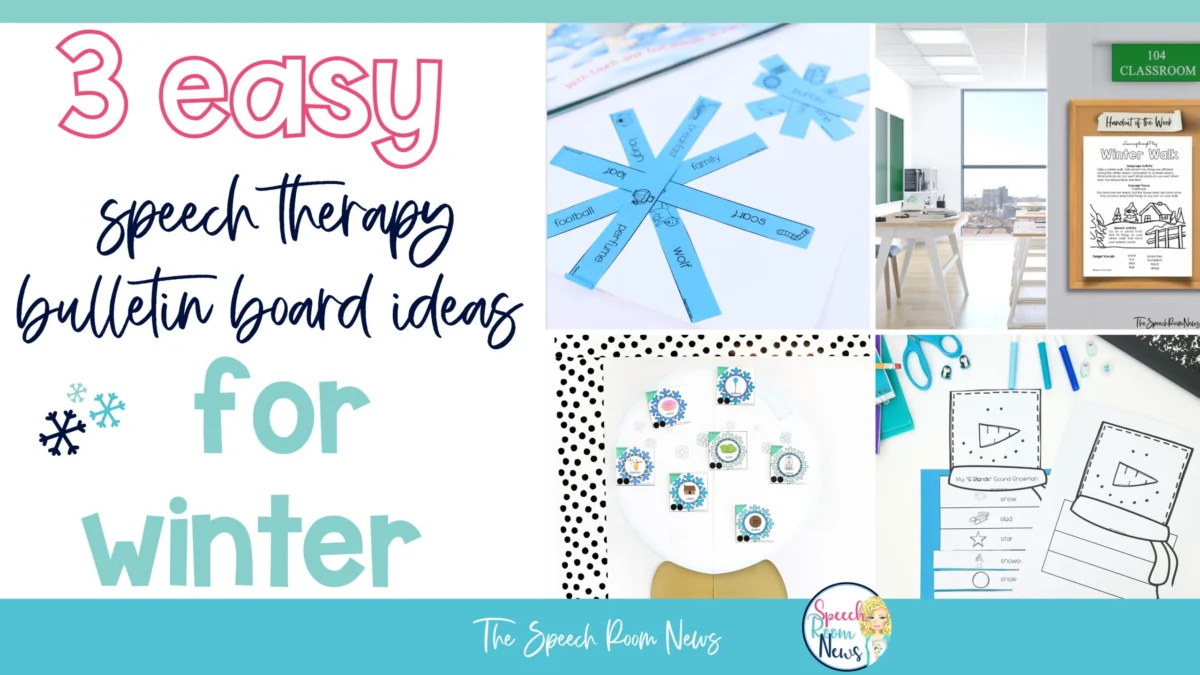
One highly effective and low-prep demonstrative craft is the Snowflake Paper Strip Craft. This activity, often dubbed "fake crafting" by busy practitioners, requires minimal material preparation—typically pre-cut paper strips. Students engage in fine motor skills by manipulating the strips, following multi-step directions, and practicing articulation or language targets while constructing their snowflake. For example, before cutting or gluing each strip, a student might be prompted to produce a target sound in a word or sentence. This method effectively integrates motor planning, sequencing, and articulation practice into a single, enjoyable activity. The use of varied paper textures, such as cardstock for students requiring increased paper resistance for cutting, demonstrates an adaptive approach to accommodate diverse motor skill levels. Once assembled, these personalized snowflakes contribute to a collective display, celebrating individual and group accomplishments. The visibility of their work reinforces the therapeutic process and motivates continued effort.
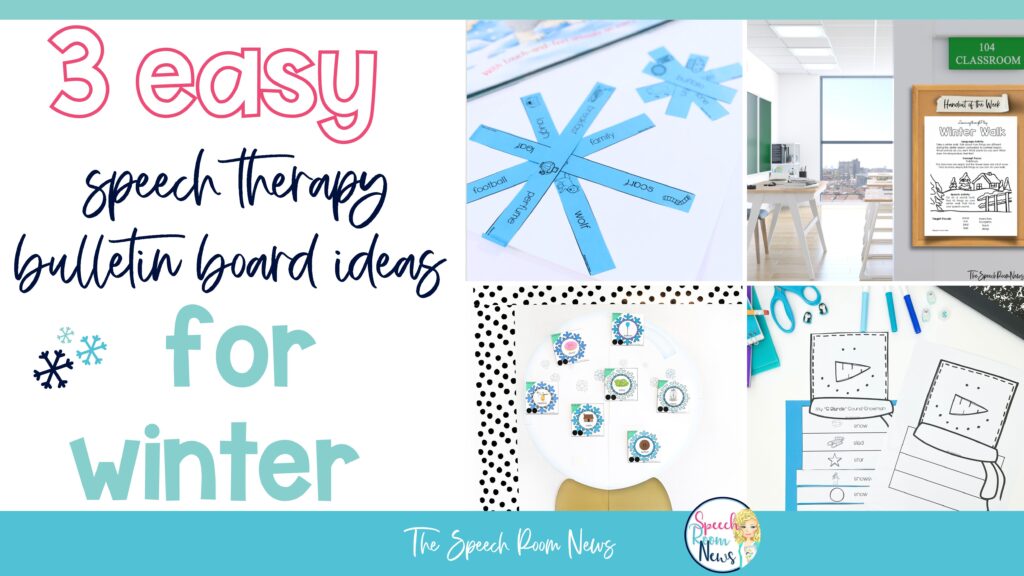
Similarly, the Snowman Articulation Chop provides another accessible craftivity for demonstrative display. This activity involves students cutting pre-printed strips containing target words or phrases, then assembling these strips into a snowman figure. The "chopping" action of cutting can be particularly engaging for younger students, while the repetition of target words during the cutting process aids in phonological and articulatory carryover. The simple addition of a drawn carrot nose or a construction paper hat allows for personalization, further enhancing student investment. The completed snowmen, each representing a student’s dedicated practice, collectively create a festive and educationally rich bulletin board that visibly tracks therapeutic engagement. Such displays validate the students’ efforts and communicate the ongoing learning process to parents and other school staff.
Interactive Bulletin Boards: Engaging Minds Through Hands-On Learning
Interactive bulletin boards transform passive observation into active participation, inviting students to directly engage with therapeutic materials in a dynamic, multisensory manner. These boards are particularly valuable for reinforcing concepts, providing opportunities for self-correction, and extending learning beyond scheduled therapy sessions. They can serve as engaging waiting-room activities or hallway prompts, consistently exposing students to target skills.
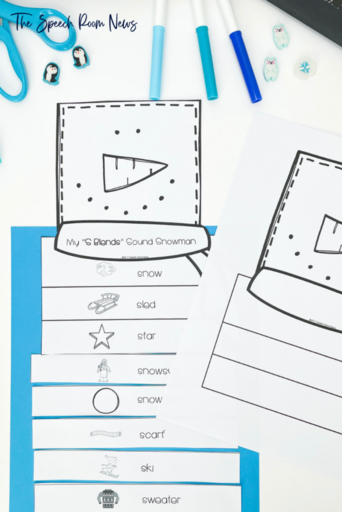
The Falling Flakes: Apraxia Snowflakes set exemplifies an interactive approach to targeting childhood apraxia of speech (CAS). CAS is a neurological speech sound disorder that impacts the brain’s ability to plan and sequence the motor movements necessary for speech production. This interactive board utilizes snowflake-shaped cards, each featuring an image, a word, and strategically placed black dots corresponding to the number of syllables. Students are encouraged to touch these dots as they produce the word, providing a crucial multisensory input that supports motor planning and syllable segmentation. The visual and tactile feedback aids in the development of precise articulatory movements, a cornerstone of CAS therapy. By attaching these snowflake cards with Velcro to a large "snow globe" poster on the bulletin board, students can actively add or remove flakes, engaging in repeated practice in a playful context. This method fosters independent practice and reinforces the therapeutic strategies learned during direct intervention.

Complementing this, the Falling Flakes: Phonology Activities set focuses on remediating phonological disorders through minimal pairs. Phonological disorders involve patterns of sound errors that children use to simplify speech, making it difficult to understand. Minimal pairs therapy contrasts words that differ by only one sound (e.g., "fan" vs. "pan"), helping children to perceive and produce the distinction. Similar to the apraxia set, these snowflake cards are color-coded and pattern-marked for organizational ease, featuring images and words representing minimal pairs. A large poster-sized globe, affixed with numerous Velcro dots, allows students to attach and detach snowflake pairs, actively manipulating the linguistic contrasts. This hands-on interaction helps students to internalize phonological rules and discriminate between sounds. The inclusion of various winter-themed posters ensures sustained interest throughout the season, allowing SLPs to rotate themes and maintain the board’s novelty. The ability for students to engage with these boards while waiting for therapy or passing by their room capitalizes on incidental learning opportunities, a critical component of successful intervention.
Functional Bulletin Boards: Bridging the Gap Between Therapy and Home
Functional bulletin boards are designed with the explicit purpose of extending therapeutic learning beyond the confines of the therapy room, primarily by providing valuable resources for parents and caregivers. These boards serve as vital communication conduits, empowering families to actively participate in their child’s communication development within natural, everyday contexts. The emphasis is on practical, actionable strategies that can be easily integrated into daily routines.
The Winter Speech and Language Packet: Learning Through Play offers an exemplary resource for functional bulletin boards. This packet comprises a series of handouts detailing how common winter activities can be leveraged to enhance communication skills. Activities such as "Snowball Fight," "Snowman Building," "Sledding," "Hot Chocolate Making," and "Winter Walk" are broken down into simple, parent-friendly strategies for targeting various speech and language goals. For instance, during a "Snowball Fight," parents can be guided to encourage descriptive language ("big, fluffy snowballs"), turn-taking ("My turn to throw!"), or following multi-step directions ("First, make a snowball, then throw it at the target").
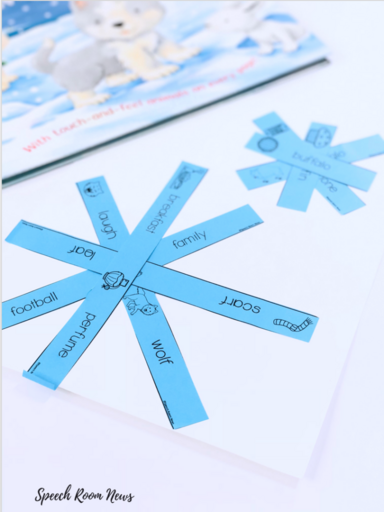
These handouts demystify speech therapy, translating clinical objectives into practical, play-based interactions. The benefits extend beyond direct skill acquisition; they foster a greater understanding of the therapeutic process, build parental confidence, and promote a consistent communication-rich environment at home. This generalization of skills is crucial for long-term therapeutic success. The availability of these handouts on a bulletin board ensures accessibility, allowing parents to easily pick up relevant materials. Furthermore, the thoughtful provision of a SPANISH VERSION of this packet addresses the critical need for culturally and linguistically responsive practices in speech-language pathology, ensuring that diverse families have access to supportive resources in their native language. This inclusivity is not merely a courtesy but a fundamental aspect of effective family-centered care.
Broader Implications and Impact
The strategic deployment of these varied bulletin board designs by SLPs carries significant implications for student outcomes, professional efficiency, and the broader educational community.
Enhanced Therapeutic Outcomes: By integrating visual, tactile, and interactive elements, bulletin boards contribute to multisensory learning, which is particularly beneficial for children with communication disorders. Research in educational psychology consistently demonstrates that multiple sensory inputs improve memory retention, comprehension, and the ability to generalize skills. For students with speech and language impairments, this multi-modal approach can accelerate progress in articulation, phonological awareness, expressive and receptive language, and social communication skills. The consistent exposure to target concepts, even outside of direct therapy, reinforces learning and facilitates automaticity.
Improved Professional Efficiency: For SLPs, time management is a critical challenge. The development of adaptable, low-prep resources for bulletin boards, such as those described, significantly reduces the time spent on creating new materials from scratch. This efficiency allows SLPs to allocate more time to direct student interaction, assessment, and individualized therapy planning, ultimately enhancing the quality of services provided. The ability to rotate themes seasonally with minimal effort also ensures the therapeutic environment remains stimulating without overtaxing professional resources.
Fostering an Inclusive and Supportive School Environment: A vibrant and informative speech therapy bulletin board contributes to the overall positive atmosphere of a school. It can demystify speech therapy for other students, staff, and visitors, making the often-misunderstood field more approachable and visible. When students see their peers’ work displayed or interact with an educational board, it normalizes the therapy process and helps to destigmatize communication challenges. This contributes to a school culture that values and supports all learners.
Empowering Parents and Caregivers: Functional bulletin boards are instrumental in bridging the home-school gap. By providing parents with accessible, practical strategies, SLPs empower them to become active and informed participants in their child’s therapeutic journey. This collaboration is a cornerstone of effective pediatric intervention, as consistent reinforcement at home is vital for generalizing skills into real-world communication. The availability of resources in multiple languages further strengthens this partnership, ensuring that all families feel supported and included.
In conclusion, the strategic use of demonstrative, interactive, and functional bulletin boards by Speech-Language Pathologists during the winter months, and indeed throughout the year, represents a dynamic and effective pedagogical practice. These visual tools are far more than mere decorations; they are integral components of a comprehensive therapeutic strategy. By fostering engagement, celebrating achievement, and empowering families, these thoughtfully designed displays significantly enrich the therapeutic environment and contribute directly to improved communication outcomes for students. The continuous evolution of such practical and impactful resources underscores the innovative spirit and dedication of speech-language pathology professionals in supporting every child’s voice.