

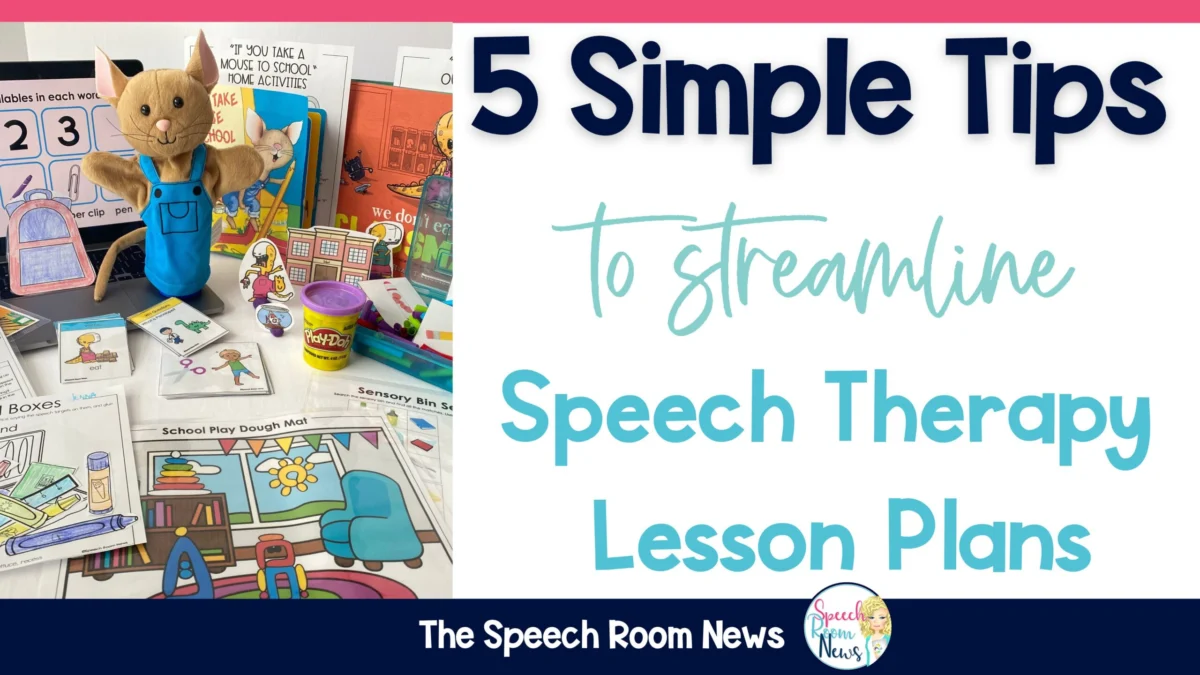
The increasing demands on school-based Speech-Language Pathologists (SLPs) necessitate a paradigm shift in lesson planning, moving from individualized, labor-intensive preparation for each student to more integrated and efficient methodologies. Faced with diverse caseloads, complex student needs, and significant administrative responsibilities, SLPs are actively seeking strategies to optimize their planning time without compromising the quality of intervention. This article explores five key approaches, complemented by a crucial bonus tip, that enable SLPs to streamline their lesson plans, thereby enhancing therapeutic outcomes and promoting professional well-being.
The Evolving Landscape of School-Based Speech-Language Pathology
Historically, school-based SLPs have managed varied caseloads, but recent decades have seen a marked increase in the complexity and size of these caseloads. According to the American Speech-Language-Hearing Association (ASHA), school-based SLPs often serve between 40 to 60 students, with some reporting caseloads exceeding 70. These students present with a wide spectrum of communication disorders, including articulation and phonological disorders, language impairments (receptive and expressive), fluency disorders, voice disorders, pragmatic language deficits, and the need for Augmentative and Alternative Communication (AAC). Each student typically has an Individualized Education Program (IEP) outlining specific goals, requiring tailored interventions.
The administrative burden associated with managing these caseloads is substantial, encompassing assessment, IEP development, progress monitoring, consultation with teachers and parents, and extensive documentation. This leaves a limited window for actual lesson preparation. Anecdotal reports from SLPs often highlight the challenge of creating 50 or more unique lesson plans per week, a task that can lead to burnout and reduce the time available for direct student interaction or professional development. The imperative, therefore, is not merely to simplify planning but to adopt methods that are both time-efficient and therapeutically robust, ensuring that every session is purposeful and aligned with student goals and broader educational curricula.
The Imperative for Streamlined Planning
Efficient lesson planning for SLPs is not merely about saving time; it is fundamental to providing high-quality, evidence-based services. When planning is streamlined, SLPs can:
- Reduce Administrative Overload: Less time spent on preparing materials means more time for direct therapy, data collection, and essential administrative tasks.
- Enhance Consistency and Coherence: Integrated planning approaches foster a more cohesive therapeutic experience for students, linking various skills and contexts.
- Improve Student Engagement: Well-planned, thematic, or literature-based sessions are often more engaging and meaningful, leading to better participation and skill acquisition.
- Facilitate Collaboration: Standardized approaches, such as AAC Core Word of the Week, enable easier collaboration with teachers, paraprofessionals, and parents, creating a more supportive communication environment.
- Promote SLP Well-being: Reducing the stress associated with constant, individualized lesson creation can mitigate burnout, enhance job satisfaction, and improve SLP retention within school systems.
The following strategies represent a synthesis of effective practices observed in the field, designed to empower SLPs with actionable methods for more efficient and impactful intervention.
Key Strategies for Maximizing Planning Efficiency
1. Theme-Based Therapy Planning: A Holistic Approach
One of the most effective strategies for streamlining lesson preparation is the adoption of a theme-based therapy plan. This approach involves selecting a central theme for a week or month (e.g., "Fall Harvest," "Ocean Life," "Community Helpers") and then aligning all therapeutic materials and activities to that theme. The primary benefit of this method lies in its versatility and reusability. Once a theme is established, an SLP can select a core book, develop relevant toys, create worksheets, and design crafts that complement the theme while simultaneously addressing a wide array of student goals.
For instance, a "Farm Animals" theme could target:
- Articulation: Practicing initial /f/ in "farm," final /m/ in "lamb," or /k/ in "cow."
- Language: Vocabulary development (names of animals, farm equipment), describing actions (e.g., "The farmer feeds the chickens"), asking and answering "wh-" questions about farm life, sequencing events from a farm story.
- Pragmatics: Role-playing farm scenarios, turn-taking during farm-themed games.
- Fluency: Practicing smooth speech while discussing farm animals.
The major advantage is that these themed plans and associated materials can be refined and reused year after year, building a robust library of pre-made resources. Furthermore, thematic units naturally align with classroom curricula, fostering stronger connections between speech therapy and academic learning, and supporting generalization of skills across environments. This holistic approach ensures that therapy is not only targeted but also contextually rich and engaging for students.
2. Leveraging Literacy for Comprehensive Intervention
Incorporating high-quality picture books as a central component of therapy sessions forms the basis of a literacy-based therapy plan. This strategy is highly regarded for its capacity to address numerous speech and language goals within a natural, meaningful context, particularly beneficial for mixed groups. Research consistently demonstrates the strong reciprocal relationship between language development and literacy skills, making this approach particularly impactful for academic success.
The typical framework for literacy-based intervention involves several stages:
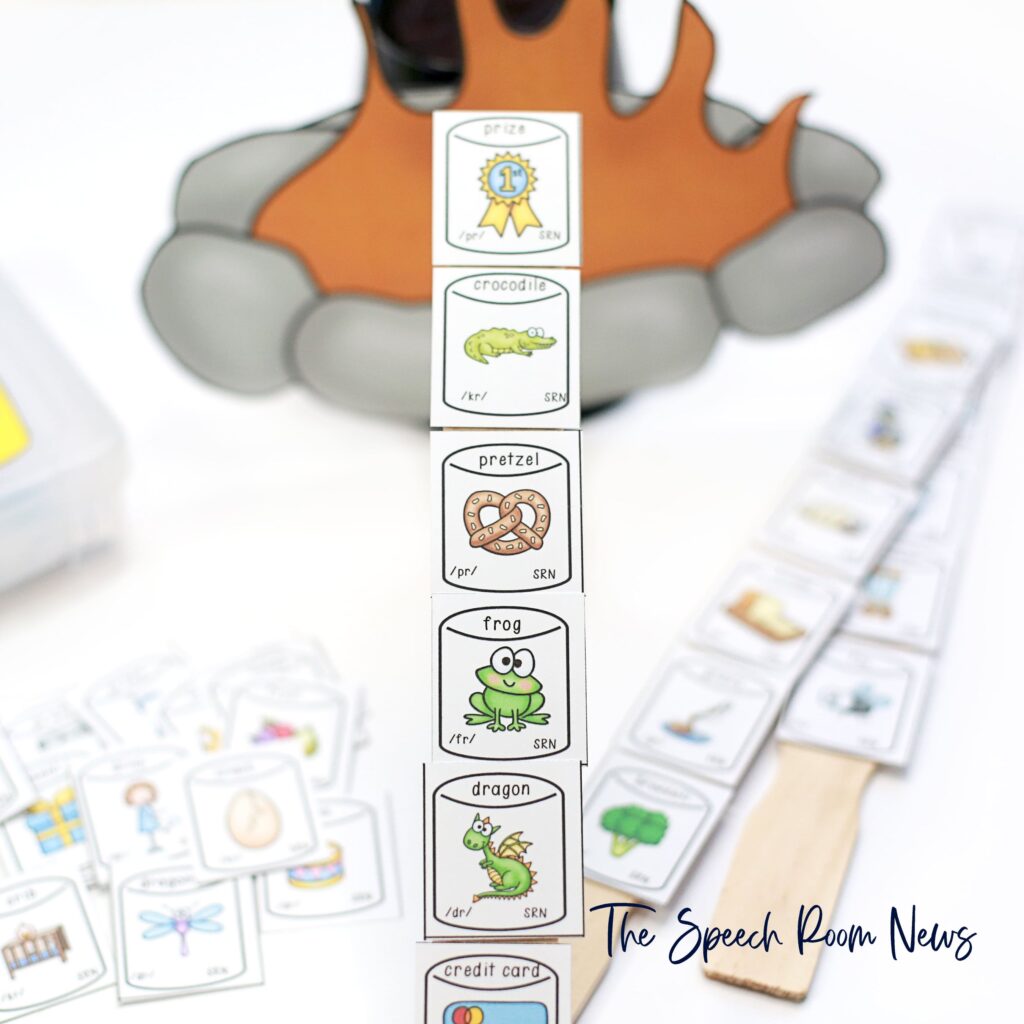
- Pre-Story Knowledge Activation: Students engage in discussions or activities that activate their prior knowledge related to the book’s theme, vocabulary, or concepts. This helps build a foundation for comprehension.
- Shared Story Reading: The SLP reads the chosen book aloud, facilitating interactive discussion, modeling language, and pointing out key elements.
- Focused-Skill Activities: This phase involves targeted activities derived directly from the book, addressing specific IEP goals. For example, using character descriptions for adjective practice, discussing plot points for sequencing, identifying cause-and-effect relationships, or practicing articulation sounds embedded in story vocabulary.
- Post-Story Comprehension Discussion: Students engage in higher-level thinking, summarizing the story, making predictions, expressing opinions, or relating the story to personal experiences.
A significant benefit of this approach is the wealth of readily available, often free, supplementary materials online related to popular children’s books. Moreover, if SLPs coordinate with classroom teachers to use books that are part of the school’s curriculum, it seamlessly integrates speech goals with academic content, reinforcing learning and demonstrating the relevance of communication skills across subjects. This strategy is adaptable across elementary and even secondary grades, with age-appropriate texts.
3. The Narrative Language Approach: Building Foundational Communication Skills
Distinct from, yet complementary to, literacy-based therapy, the narrative language approach focuses explicitly on teaching storytelling and story comprehension as a core therapeutic goal. Narrative skills are foundational for academic achievement, influencing reading comprehension, written expression, and social interaction. In this approach, SLPs guide students through the components of story grammar (e.g., characters, setting, initiating event, rising action, climax, falling action, resolution) and encourage the generation and retelling of stories.
Key aspects of narrative language intervention include:
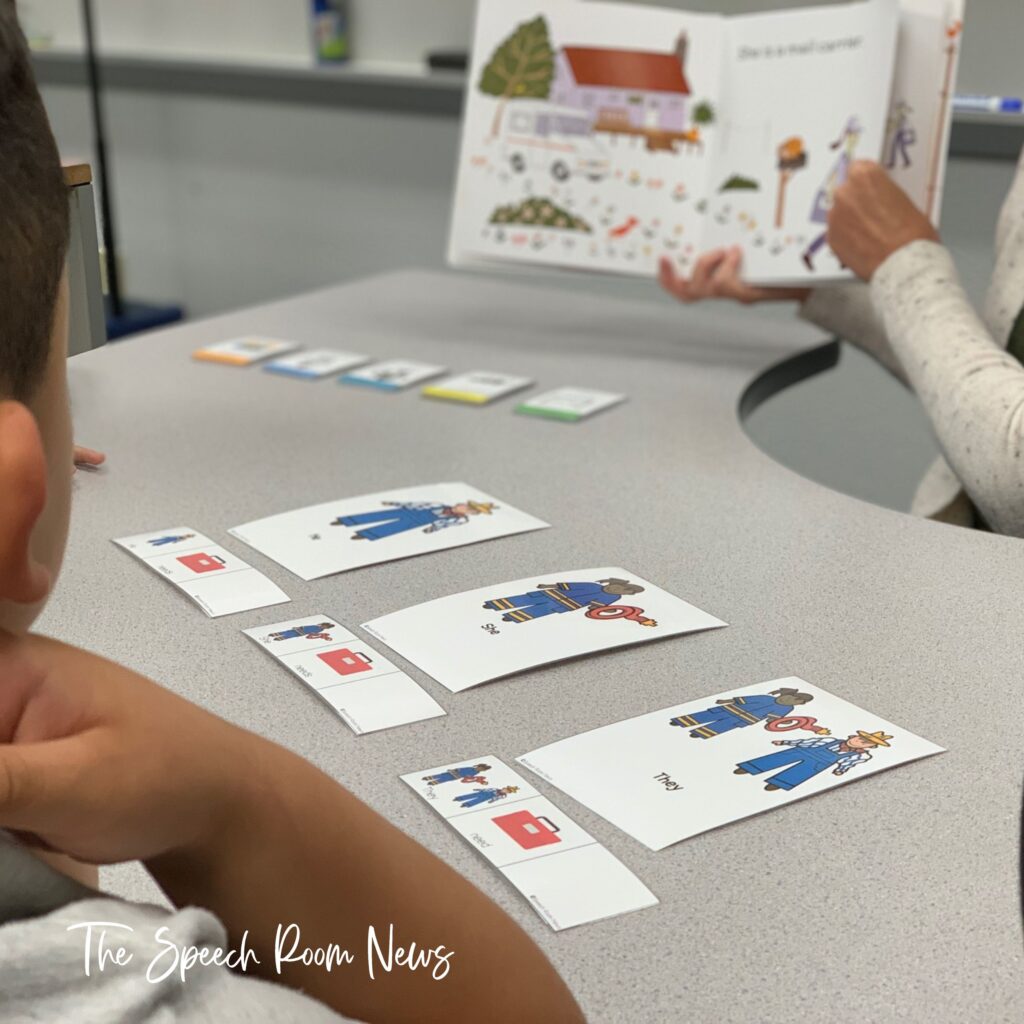
- Exposure to Multiple Stories: Rather than focusing on a single book, this approach often involves presenting various stories that share similar structural elements or themes over multiple sessions.
- Story Retell and Generation Tasks: Emphasis is placed on students’ ability to recall and sequence story events, identify key story grammar elements, and ultimately create their own coherent narratives.
- Focus on Complex Syntax and Vocabulary: Stories provide rich contexts for introducing and practicing complex sentence structures, conjunctions, and sophisticated vocabulary, which are crucial for academic language.
- Metalinguistic Awareness: Students develop a conscious understanding of how stories are constructed, which supports their ability to analyze and produce both oral and written narratives.
The major benefit of a narrative language approach is its direct impact on curriculum success. By targeting narrative skills in addition to specific IEP goals (e.g., articulation within story retell, language concepts within story generation), SLPs help students develop a critical skill set that transfers across all academic domains. Resources such as visual story grammar icons can be particularly effective in providing concrete support for students to organize their thoughts and construct coherent narratives. This approach recognizes that the ability to understand and tell stories is a cornerstone of effective communication and learning.
4. Multi-Goal Integration Through Single Toy/Game Play
For maximum efficiency and minimal preparation, leveraging a single versatile toy or game to target a multitude of goals stands out as a highly effective strategy. This approach minimizes planning time and material creation, making sessions "easy-peasy and low stress," as noted by experienced SLPs. The inherent engaging nature of play-based learning naturally fosters motivation and provides organic opportunities for skill practice in a relaxed environment.
Consider a simple board game like "Candyland." Beyond its intended purpose, an SLP can adapt it to target:
- Articulation: Students must produce target sounds before taking a turn or moving their piece.
- Language: Describing colors, sequencing turns, asking for "more," identifying prepositions (e.g., "move to the gingerbread man," "put the piece on the square").
- Social Skills: Turn-taking, expressing winning/losing appropriately, negotiating.
- Fluency: Practicing smooth speech during game play.
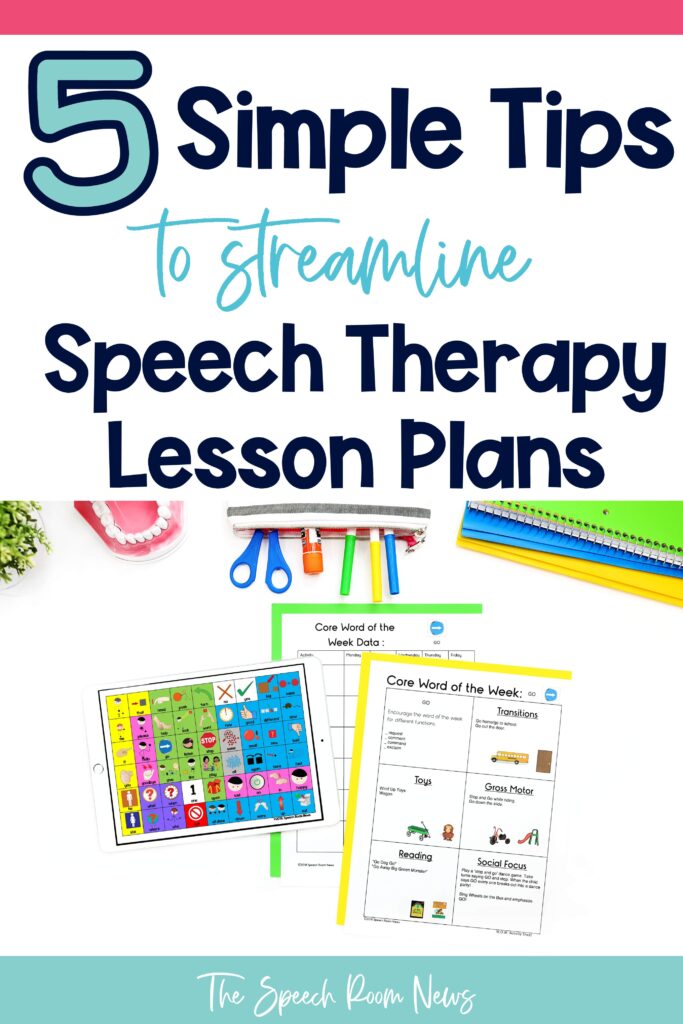
Similarly, play-dough can be transformed into a dynamic therapy tool. Using play-dough to create shapes or figures while simultaneously collecting data on target skills (e.g., requesting colors, describing actions, practicing sounds) allows for no-prep progress monitoring. Mini objects or manipulatives also offer immense versatility, being portable, concrete, and easily integrated into various activities like sorting, matching, or creating sensory bins. These items are excellent for targeting vocabulary, prepositions, describing attributes, following directions, and practicing articulation sounds by having students name the objects.
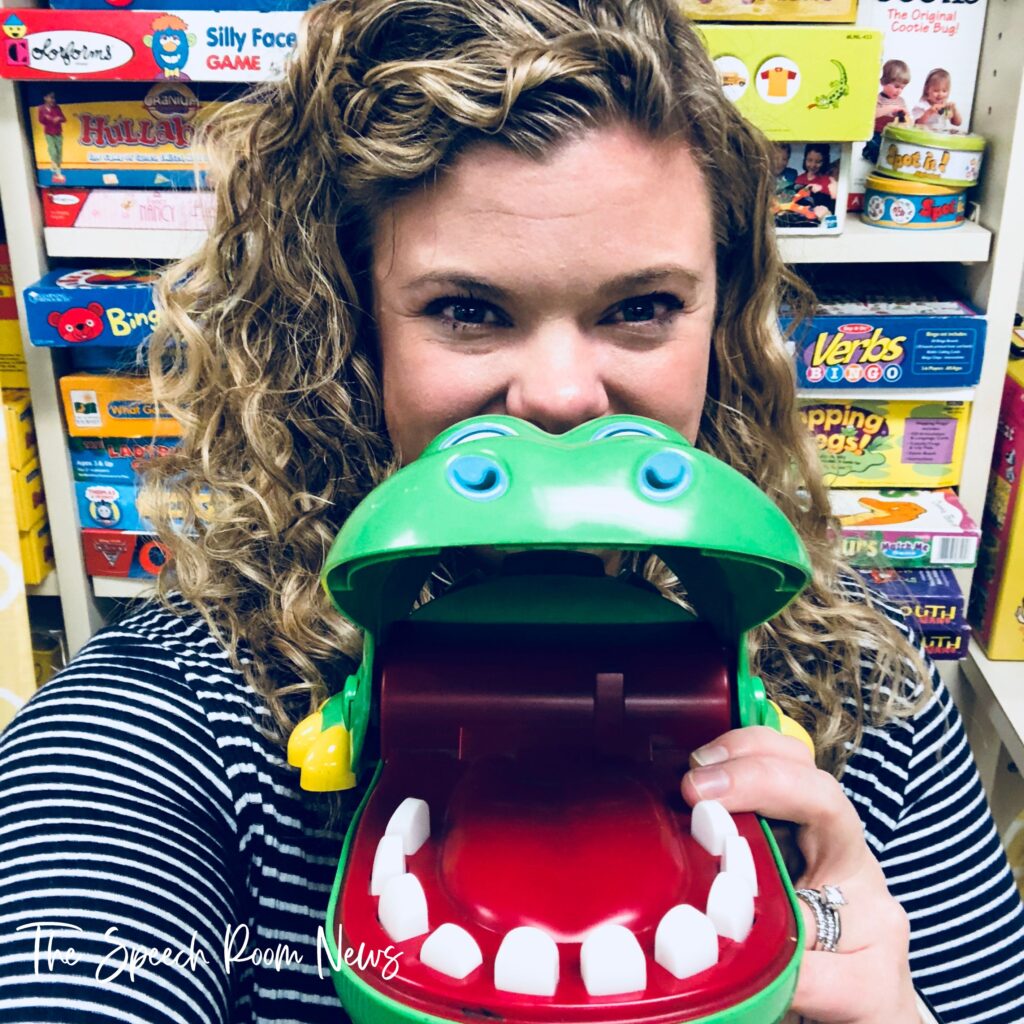
Favorite toys such as a "chomping crocodile" game can be used for themes like dental health, incorporating related vocabulary, questions, and articulation practice. An "ice cream shop" play set offers rich opportunities for targeting verbs, prepositions, requesting, social scripts, and descriptive language (e.g., "Put the chocolate on top of the vanilla," "Can I have whipped cream on top, please?"). The key is to select toys or games that lend themselves to open-ended play and can be easily adapted to elicit responses for various communication goals, promoting generalization in a fun, naturalistic setting.
5. Standardizing AAC Core Word Instruction
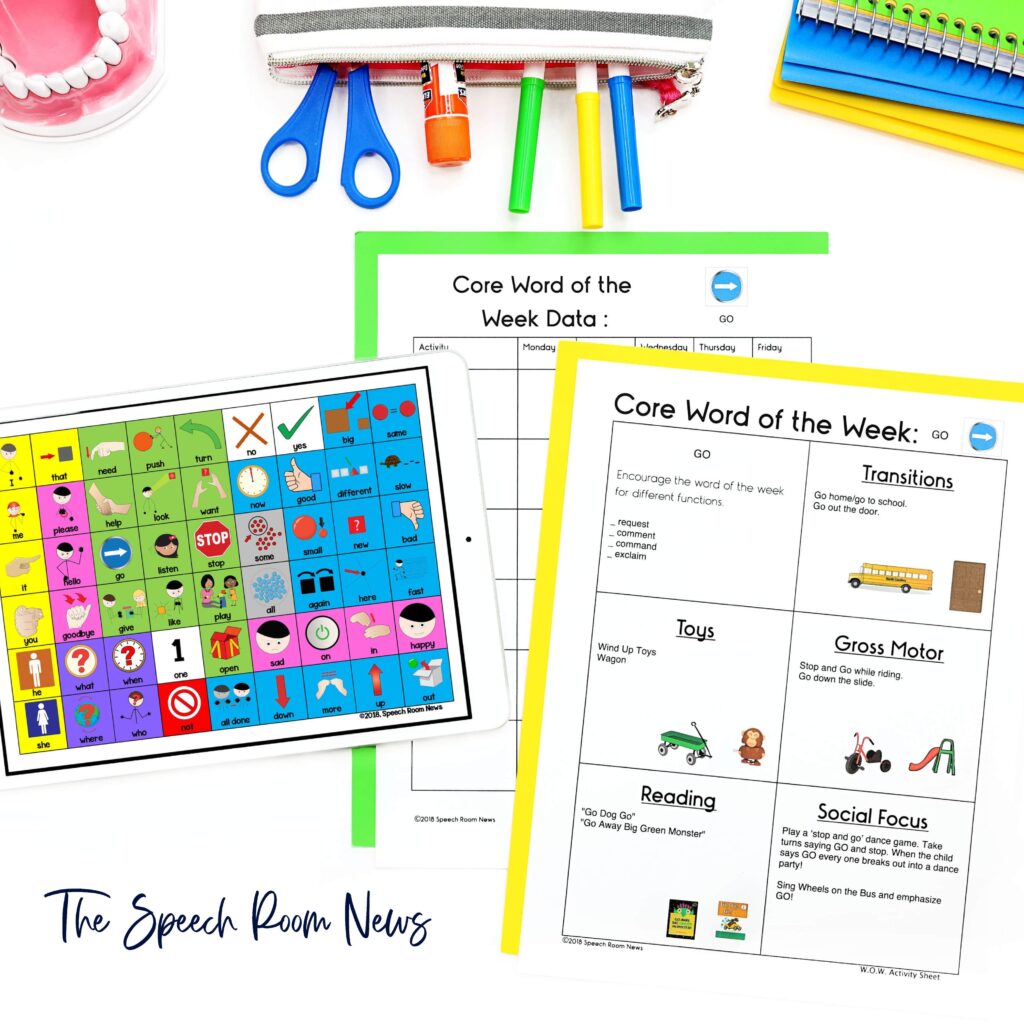
For students utilizing Augmentative and Alternative Communication (AAC) systems, a structured "Core Word of the Week (WOW)" approach provides an invaluable framework for consistent and efficient planning. Core words are high-frequency words that constitute approximately 80% of typical communication (e.g., "go," "want," "more," "stop," "in," "out," "up," "down"). Focusing on these words systematically ensures that AAC users are consistently exposed to and encouraged to use the most powerful and versatile vocabulary on their devices.
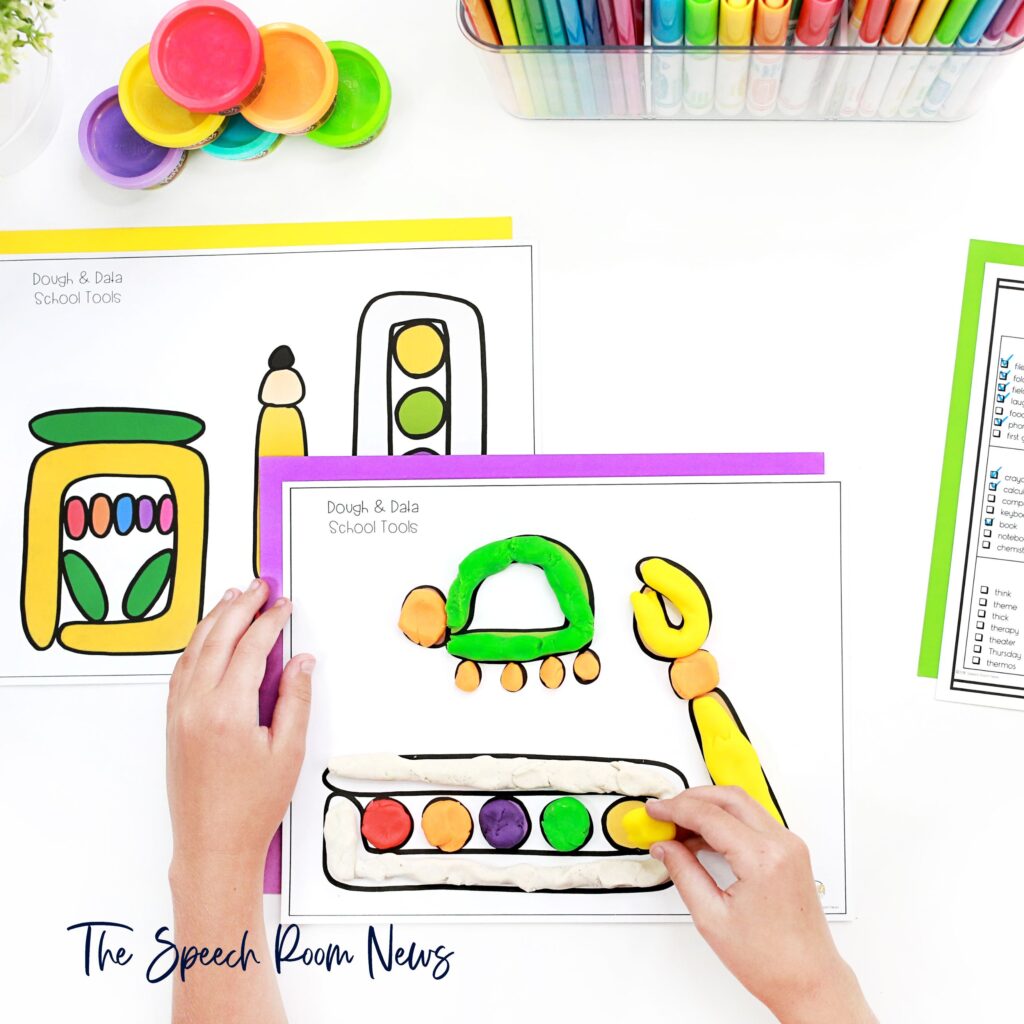
The AAC Core Word of the Week framework offers several benefits:
- Consistency Across Environments: By establishing a routine, all members of a student’s IEP team (SLP, teachers, paraprofessionals, parents) can focus on modeling and eliciting the same core words throughout the week, fostering a cohesive communication environment.
- Reduced Planning Time: Pre-designed lessons or frameworks for a set of core words provide the SLP with a ready-made structure, significantly cutting down on individualized planning.
- Empowered Communication: Consistent exposure and practice with core words empower AAC users to express a wider range of communicative functions, from requesting and protesting to commenting and asking questions.
- Family Involvement: Providing parent letters and resources for home practice ensures that core word learning extends beyond the school day, maximizing exposure and generalization.
A typical AAC Core Word of the Week lesson might target 4-5 core words (e.g., "Go, In, Different, Help") and include activities, modeling strategies, and suggestions for generalization across daily routines. This systematic approach not only streamlines the SLP’s planning but also creates a supportive ecosystem for AAC users, ensuring they have consistent opportunities to develop their communication skills. The availability of comprehensive bundles covering multiple sets of core words further enhances planning efficiency by providing a year-long curriculum.
Bonus Tip: Keep a Set of Must-Have Grab and Go Materials
Even with the most streamlined planning, unforeseen circumstances can arise. Therefore, maintaining a readily accessible collection of "Grab and Go" materials is a critical component of proactive planning. These prepped, versatile resources serve as invaluable backups for filler activities, unexpected changes in schedule, last-minute lesson adjustments, or when a substitute SLP needs immediate access to functional materials.
Essential "Grab and Go" items typically include:
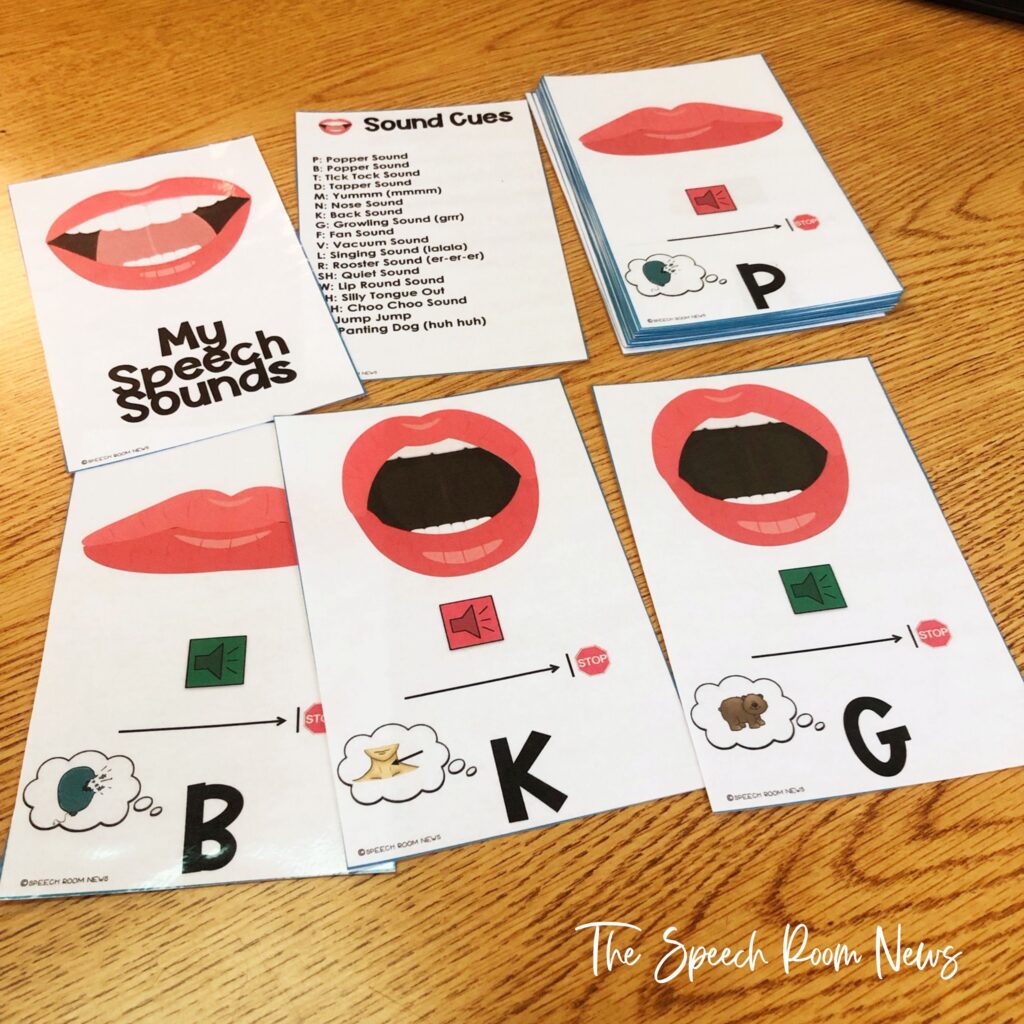
- Visual Supports: Posters, mini-books, or cards depicting "speech helpers" (e.g., tongue, teeth, lips for articulation placement), visual schedules, or behavior supports (e.g., first/then boards, choice boards). These are universal and adaptable across various goals and student needs.
- Articulation Cards/Packets: Sets of articulation cards targeting various phonemes at different word positions, or print-and-go articulation and phonology home packets, are indispensable for quick drills or homework assignments.
- Generic Language Activity Sheets: Simple worksheets or prompts for categories, synonyms/antonyms, describing, or sentence expansion that can be adapted to any theme or student group.
- Open-Ended Games: Simple dice games, card games, or sensory activities that can be modified to elicit specific language or articulation targets.
Having these materials pre-organized and easily retrievable significantly reduces stress and ensures that therapy sessions remain productive, even when primary lesson plans are disrupted. It reflects a preparedness that enhances professional efficacy and ensures continuous, high-quality intervention for students.
Implications and Future Outlook
The adoption of these streamlined lesson planning strategies holds significant implications for the field of school-based speech-language pathology. For SLPs, it translates into a more manageable workload, reduced stress, and increased job satisfaction, potentially mitigating the high rates of burnout reported in the profession. By freeing up valuable time, SLPs can dedicate more energy to direct student interaction, individualized assessment, and critical data analysis, ultimately enhancing the quality and impact of their services.
For students, these approaches lead to more engaging, consistent, and curriculum-aligned therapy. The thematic, literacy-based, and narrative approaches foster deeper learning and better generalization of skills into academic and social contexts. The structured use of AAC core words ensures that students with complex communication needs receive consistent and effective support for developing functional communication.
The broader educational system benefits from more efficient resource utilization and the retention of skilled professionals. As schools grapple with increasing student needs and limited budgets, strategies that maximize SLP productivity and effectiveness become paramount. The shift towards integrated, versatile planning methods reflects an evolving best practice, emphasizing purposeful intervention that is both efficient for the clinician and maximally beneficial for the student. Continuous professional development and the sharing of innovative planning strategies will be key to further advancing the field and ensuring that all students receive the communication support they need to thrive.