

In the intricate world of audio production, particularly within the voice-over industry, a seemingly minor technical detail—the presence or absence of human breath—can significantly impact the final product. This article delves into the practice of "debreathing" voice recordings, exploring its historical context, technical execution, and the crucial decision-making process regarding when and why it is employed. While often performed incorrectly, understanding the subtle art of debreathing is essential for voice artists and producers alike to achieve optimal results and maintain the integrity of the vocal performance.
Defining Debreathing: A Technical Overview
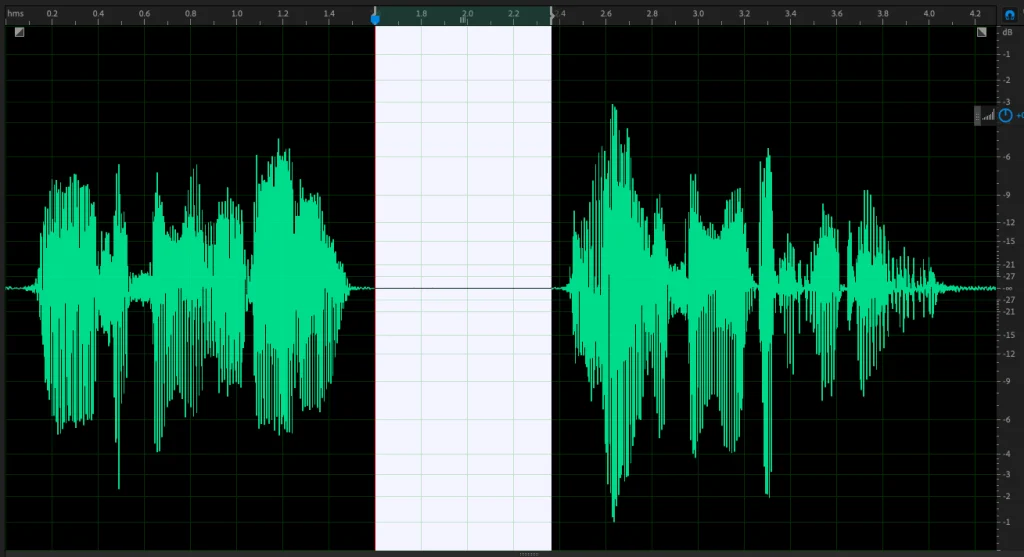
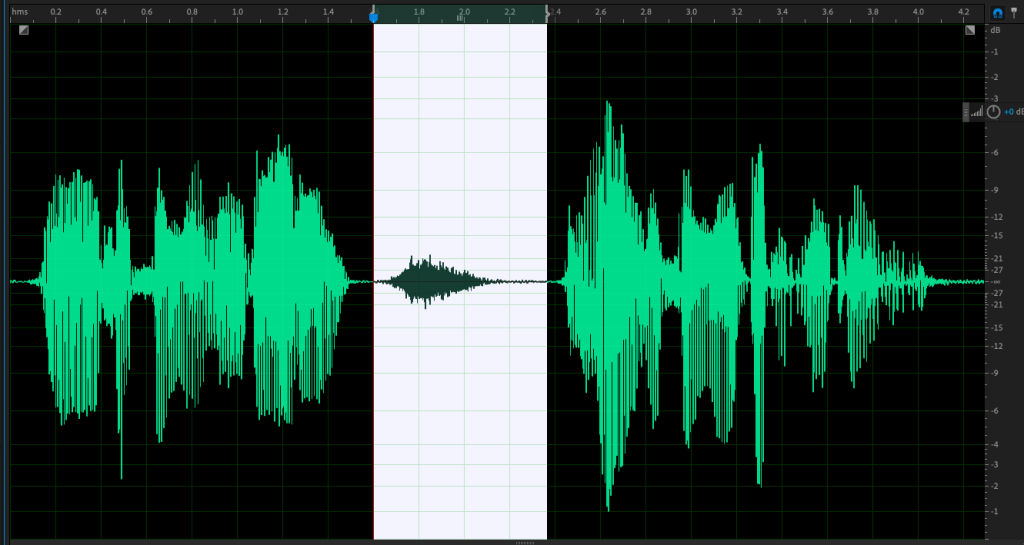
Debreathing, in its simplest definition, involves the selective removal of audible breaths from a recorded vocal performance. This process is typically executed using digital audio workstations (DAWs) such as Adobe Audition, where breaths often appear as distinct waveforms within the audio timeline. As illustrated by visual representations in audio editing software, a recorded breath is identifiable and can be targeted for manipulation.
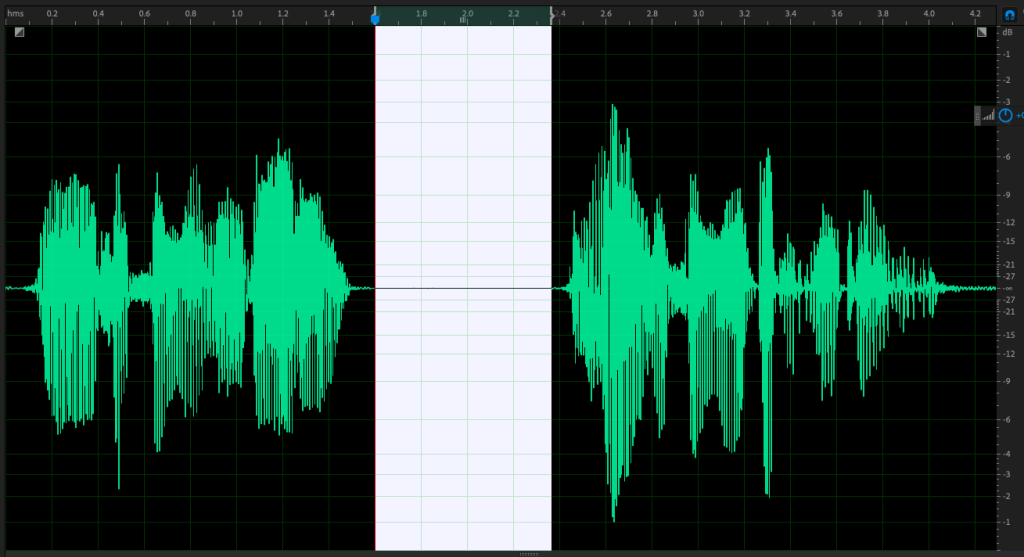
The technical execution of debreathing can be approached in two primary ways: silencing or deletion. Silencing involves reducing the amplitude of the breath to an inaudible level, effectively masking it without altering the temporal structure of the recording. Conversely, deleting a breath removes both the sound and the associated silence, creating a more compressed timeline. This distinction is critical, as the choice between these methods can subtly influence the perceived flow and naturalness of the vocal track.
Historically, the ability to precisely edit audio waveforms has allowed for such granular control. Early audio editing was a far more laborious process, often involving physical splicing of magnetic tape. The advent of digital audio technology democratized and refined these techniques, making precise waveform editing a standard practice in modern audio post-production.
The Traditional Application: Commercial Advertising
Traditionally, the practice of debreathing has been most commonly associated with commercial voice-overs, particularly those intended for advertisements. The underlying rationale is straightforward: commercial advertisements are designed to deliver a concise and impactful message with minimal distraction. In this context, audible breaths can be perceived as interruptions, potentially detracting from the core message and the overall polish of the production.

The primary objective in commercial advertising is to ensure the listener’s undivided attention is focused on the product, service, or brand being promoted. Therefore, any element that could divert attention, even a natural human sound like breathing, is often scrutinized. This pursuit of an unblemished, focused delivery has led to debreathing becoming a standard practice for many in the industry when working on advertising spots for television, radio, cinema, and digital platforms.
The Ambiguity of "Commercial" and the Need for Clarification
However, the term "commercial voice-over" itself can be subject to interpretation, leading to potential confusion and misapplication of debreathing techniques. The term can broadly refer to any voice-over work for which payment is received, encompassing a wide spectrum of professional audio services. Alternatively, it can more narrowly refer to actual advertisements. This dual meaning necessitates a precise understanding of the client’s intent and the specific nature of the project.
Industry professionals often observe that many voice artists debreath both interpretations of "commercial" work. This practice, however, is not universally appropriate. The crucial distinction lies in whether the voice-over is part of an advertisement or a broader category of paid work. Unless explicitly instructed otherwise, the common consensus among seasoned professionals is to reserve debreathing primarily for actual advertisements. This ensures that the breath removal serves its intended purpose of enhancing message clarity within a promotional context, rather than being applied indiscriminately.
Beyond Advertisements: Why Debreathing Can Be Detrimental
The application of debreathing extends beyond commercial advertisements, encompassing various other genres of voice-over work, including corporate narration, gaming, dramatic performances, and documentary voice-overs. In these contexts, removing breaths can often have unintended and detrimental consequences.
The Uncanny Valley of the Breathless Voice
One of the primary reasons to avoid debreathing in non-advertisement contexts is the inherent human expectation of hearing breath. As biological beings, we are accustomed to the natural rhythm of respiration during speech. When this natural element is absent, the human ear often perceives the recording as unnatural or even unsettling. This phenomenon can create an "uncanny valley" effect, where the vocal performance, while technically clean, feels alien and disconnected.
In recent years, advancements in text-to-speech (TTS) technology, exemplified by services like Eleven Labs, Siri, and Google Assistant, have begun to incorporate audible breathing into their synthetic voices. This evolution reflects a growing understanding that breath is an integral component of human vocalization, contributing to realism and relatability. The inclusion of breath in TTS underscores the importance of this natural element in creating authentic-sounding speech. When a human voice is rendered completely breath-free, it can paradoxically sound less human and more artificial than even advanced AI counterparts.
The Role of Breath in Listener Comprehension
Beyond mere naturalness, audible breaths serve a vital functional purpose in spoken communication: they provide natural pauses for the listener. These brief intervals allow the audience time to process the information being conveyed, to formulate thoughts, and to make internal connections. When breaths are meticulously removed, the continuous flow of speech can become overwhelming, potentially hindering comprehension and retention.
This issue is particularly prevalent in certain types of American radio commercials where an overzealous approach to debreathing can lead to a rapid-fire delivery that leaves the audience struggling to absorb the content. The intended message, therefore, can be lost, not due to poor scripting or delivery, but due to the artificial compression of speech that eliminates crucial moments for listener assimilation.
Preserving Naturalness and Authenticity
In the current landscape of voice-over production, naturalness and authenticity are highly valued. The trend favors deliveries that feel conversational and genuine, reflecting real human interaction. Removing breaths, by their very nature, strips away a fundamental element of this naturalness. It transforms a fluid, organic performance into something that can feel overly produced or even robotic. This artificiality can undermine the intended emotional connection or informational clarity that the voice-over artist is aiming to achieve.
The inherent style of delivery in many voice-over genres relies on subtle inflections, pacing, and the natural cadence of speech, all of which are influenced by breathing. By excising breaths, an element that contributes to the unique character and flow of a voice artist’s performance is lost, diminishing the overall impact and authenticity of the recording.
The Perils of Accidental Debreathing
Beyond intentional debreathing, there exists the risk of inadvertently removing breaths through the misuse of audio processing tools. Techniques like noise gates and expanders, often employed to clean up recordings by reducing background noise, can have the unintended consequence of silencing or significantly attenuating vocal breaths.
While these tools can improve the perceived quietness of a recording environment, their indiscriminate application can lead to the same issues as intentional debreathing: the loss of naturalness and the creation of an artificial vocal performance. This highlights the importance of understanding the specific function of each audio tool and applying them judiciously.
The most effective approach to mitigating background noise is to address the source of the problem by improving the recording environment itself. Relying on tools like noise gates and expanders to compensate for a poor acoustic space is often considered an amateurish workaround that sacrifices vocal nuance. Professionals prioritize creating a clean recording environment from the outset, thereby preserving the integrity of the vocal performance, including its natural breath patterns.
A Strategic Approach to Debreathing
In conclusion, the practice of debreathing voice-over recordings requires a nuanced and strategic approach. While it holds a traditional place in the production of commercial advertisements, its application in other genres demands careful consideration.
- Commercial Advertisements: Debreathing is generally accepted and often expected for advertisements where the primary goal is to deliver a clear and uninterrupted message. However, it is always advisable to confirm this requirement with the client or hiring party.
- Non-Advertisements (Corporate, Gaming, Narration, etc.): In these contexts, retaining breaths is generally preferred. Breaths contribute to the naturalness, realism, and pacing of the vocal performance, aiding listener comprehension and engagement.
- Accidental Removal: Technicians should be mindful of how audio processing tools like noise gates and expanders can inadvertently remove breaths. Prioritizing a clean recording environment is paramount to avoid this issue.
In an era where artificial intelligence is increasingly capable of generating human-like speech, the authentic human element, including the natural rhythm of breathing, becomes a key differentiator for human voice artists. Embracing and preserving this humanity is crucial for voice professionals to leverage their unique advantages. Unless explicitly instructed otherwise, the advice for voice artists is to leave their breaths in, allowing their natural human quality to shine through. Ultimately, the decision to debreath should be a deliberate one, made with a clear understanding of its impact on the final audio product and the intended audience. When in doubt, communication with the client remains the most reliable path to ensuring a satisfactory outcome.