

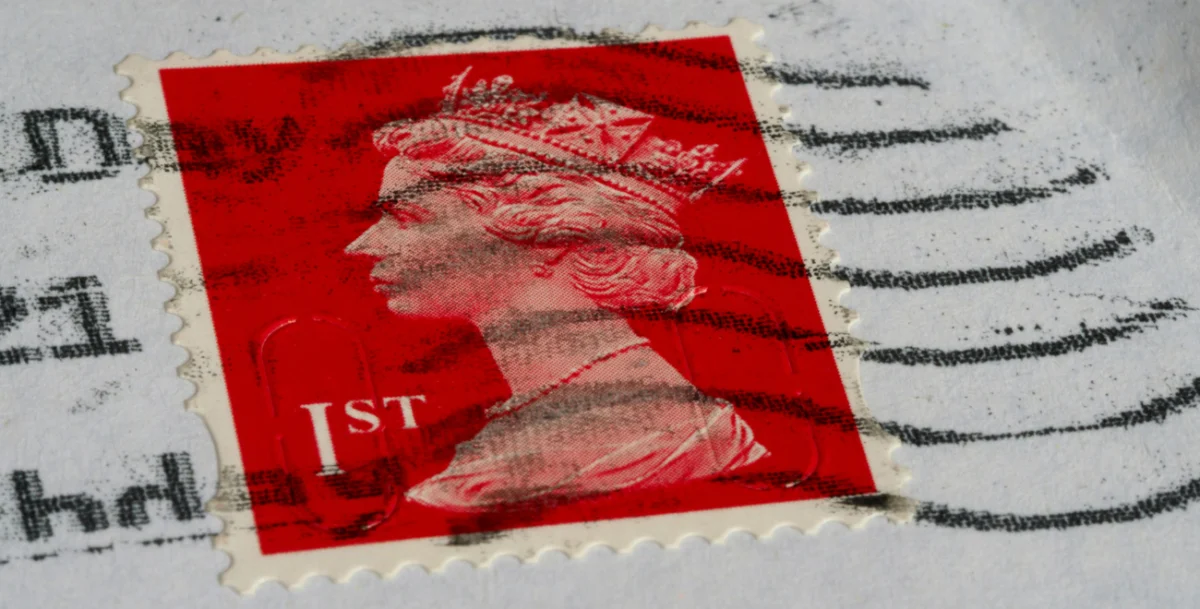
The United Kingdom is currently grappling with the full repercussions of what legal experts and historians have termed the most widespread miscarriage of justice in the nation’s modern history. Between 1999 and 2015, the Post Office prosecuted more than 700 sub-postmasters—independent contractors who run local post office branches—based on evidence from a flawed computer accounting system known as Horizon. The fallout from this systemic failure has resulted in hundreds of wrongful convictions, dozens of imprisonments, financial ruin for thousands, and at least 13 suicides linked to the trauma of the accusations. As the public inquiry continues to unearth new evidence of corporate negligence, the scandal serves as a stark warning regarding the dangers of institutional certainty, the lack of transparency in automated systems, and the catastrophic human cost of prioritizing brand reputation over ethical accountability.
The Human Cost of Automated Errors: The Case of Seema Misra
While the statistics of the Horizon scandal are staggering, the individual case of Seema Misra remains one of the most poignant examples of the Post Office’s aggressive prosecution strategy. In 2005, Misra took over a sub-post office in West Byfleet, Surrey. A migrant from India who had arrived in the UK a decade earlier, Misra saw the business as a gateway to financial stability for her husband, Davinder, and their young son. However, almost immediately after implementing the Horizon system, she began noticing inexplicable financial discrepancies.
Despite Misra’s background in bookkeeping and her proactive attempts to resolve the issues—including repeated calls to the Post Office helpdesk and requests for independent audits—she was consistently told that the Horizon system was "robust" and that she was the only person experiencing such problems. This narrative, now known to be a calculated lie used by the Post Office against hundreds of sub-postmasters, forced Misra to borrow money from friends and family to cover "phantom losses" generated by software bugs.
By 2010, the Horizon system alleged a shortfall of over £70,000. Misra was charged with theft and false accounting. During her trial, the prosecution relied entirely on computer printouts, offering no physical evidence of stolen funds or lifestyle inflation. On November 11, 2010—her eldest son’s tenth birthday—Misra was sentenced to 15 months in prison. At the time of her sentencing, she was eight weeks pregnant with her second child. She served her sentence at Bronzefield prison and gave birth while wearing an electronic ankle monitor. The local media branded her the "pregnant thief," a label that decimated her family’s reputation and led to physical assaults on her husband. Her conviction was eventually overturned in 2021, but the decade of lost life and psychological trauma remains irreparable.
The Horizon System: A Technical and Management Failure
The root of the crisis lies in the Horizon software, developed by the Japanese technology firm Fujitsu and rolled out across the UK Post Office network starting in 1999. Designed to modernize accounting and transaction processing, the system was plagued by "bugs, errors, and defects" from its inception. These glitches created discrepancies in the accounts of sub-postmasters, showing losses that did not exist in reality.

Crucially, internal documents revealed during subsequent legal proceedings showed that both the Post Office and Fujitsu were aware of these technical failings as early as the early 2000s. Furthermore, it was discovered that Fujitsu employees had remote access to sub-postmasters’ accounts, allowing them to alter figures without the knowledge or consent of the branch managers. Despite this, the Post Office’s legal department continued to pursue criminal prosecutions, often forcing sub-postmasters to plead guilty to false accounting to avoid the more serious charge of theft.
The institutional culture within the Post Office during this period has been described as a "fortress mentality." Executives and legal advisors prioritized the perceived integrity of the brand and the security of the Horizon contract over the lives of their employees. This was bolstered by a legal presumption in English law that computer systems are operating correctly unless proven otherwise—a burden of proof that proved nearly impossible for individual sub-postmasters to meet against a state-owned corporation with vast legal resources.
A Chronology of the Scandal
The path to justice has been slow, spanning a quarter of a century. The following timeline outlines the key milestones in the exposure of the Horizon flaws and the subsequent legal battles:
- 1999: The Post Office begins the nationwide rollout of the Fujitsu-developed Horizon system.
- 2000–2009: Hundreds of sub-postmasters report unexplained losses. The Post Office begins a wave of private prosecutions, leading to hundreds of criminal convictions.
- 2009: Computer Weekly magazine publishes a landmark investigation by journalist Rebecca Thomson, exposing the flaws in Horizon for the first time.
- 2012: Under political pressure, the Post Office appoints an independent investigative firm, Second Sight. Their findings suggest the system is flawed, but the Post Office terminates their contract shortly thereafter.
- 2017: A group of 555 sub-postmasters, led by Alan Bates, launches a Group Litigation Order (GLO) against the Post Office.
- 2019: High Court Justice Sir Peter Fraser rules in favor of the sub-postmasters, stating that the Horizon system was not "remotely robust" and contained a significant number of bugs.
- 2021: The Court of Appeal quashes 39 convictions in a single day, describing the Post Office’s conduct as an "affront to the conscience of the court."
- 2024: Following the massive public outcry generated by the ITV drama Mr Bates vs The Post Office, the UK government introduces the Post Office (Horizon System) Offences Act to provide a blanket quashing of convictions for those affected.
Supporting Data and Institutional Impact
The scale of the scandal is reflected in the data compiled by the ongoing Public Inquiry led by Sir Wyn Williams. To date, the figures include:
- Prosecutions: Over 700 sub-postmasters prosecuted by the Post Office based on Horizon data.
- Imprisonments: At least 236 individuals served time in prison.
- Financial Redress: As of mid-2024, the government has set aside over £1 billion for compensation, though many victims report that the claims process remains slow and overly bureaucratic.
- Casualties: 13 deaths by suicide have been linked to the scandal. Additionally, dozens of sub-postmasters died before their names could be cleared.
- Executive Accountability: Despite the findings of the High Court, no Post Office or Fujitsu executive has faced criminal charges for their role in the cover-up. Former Post Office CEO Paula Vennells returned her Commander of the Order of the British Empire (CBE) in 2024 following intense public pressure.
Official Responses and Political Repercussions
The response from the Post Office and the British government has evolved from denial to profound apology, though critics argue that accountability remains elusive. In a statement following the 2021 Court of Appeal ruling, the Post Office expressed "sincere regret" for the impact the scandal had on the lives of sub-postmasters and their families. However, the ongoing inquiry has revealed that internal legal teams actively worked to suppress evidence that could have assisted the defense of accused sub-postmasters.
Fujitsu, the technology partner, has also come under intense scrutiny. In 2024, the company’s European boss, Paul Patterson, apologized to the victims and admitted that the firm had a "moral obligation" to contribute to the compensation funds. The scandal has also prompted a review of how private prosecutions are conducted in the UK, as the Post Office acted as the investigator, prosecutor, and victim simultaneously, creating a significant conflict of interest.

Politically, the scandal has crossed party lines, with successive governments since 1999 being accused of failing to provide adequate oversight. The current administration has fast-tracked legislation to exonerate the victims, but the delay in doing so has been cited as a failure of the British legal and political systems to protect its citizens from corporate overreach.
Broader Impact and Ethical Implications
The Post Office Horizon scandal offers critical lessons for the modern era, particularly regarding the integration of Artificial Intelligence (AI) and automated decision-making in governance and business.
First, it highlights the danger of "automation bias"—the human tendency to trust the output of a computer system over human testimony or common sense. For over a decade, judges, juries, and executives accepted the "computer says no" defense as an absolute truth, ignoring the lived experiences of hundreds of honest professionals.
Second, the scandal underscores the necessity of transparency in software systems that affect human rights and liberties. The "black box" nature of Horizon prevented defendants from accessing the data needed to prove their innocence. In the age of AI, this serves as a precedent for the "right to explanation," ensuring that individuals can challenge automated decisions.
Finally, the crisis emphasizes the importance of ethical leadership and whistleblower protection. The scandal persisted because individuals within the Post Office and Fujitsu who knew the truth were either silenced or prioritized institutional loyalty over ethical duty. As the UK continues to process the fallout, the focus remains on ensuring that such a systemic failure of justice can never occur again, and that those who presided over the destruction of so many lives are finally held to account.