

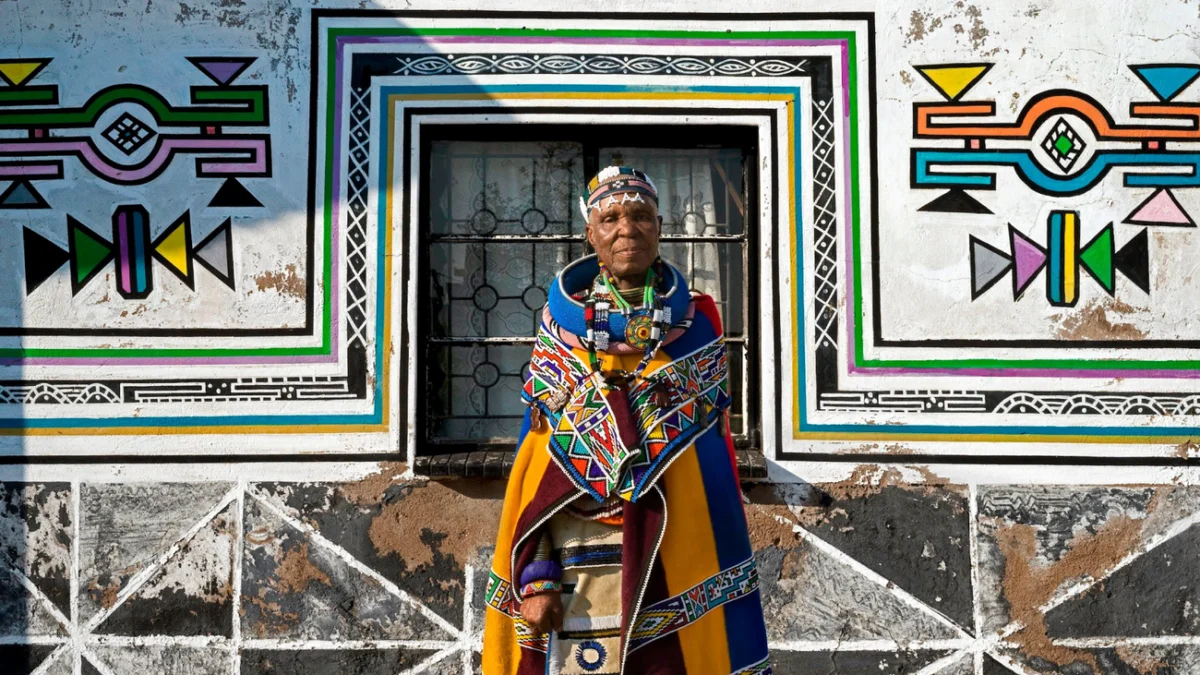
Dr. Esther Mahlangu, the globally acclaimed South African artist whose work has become synonymous with the vibrant aesthetic of the Ndebele people, celebrated her 91st birthday with the launch of a comprehensive digital retrospective on Google Arts & Culture. This initiative, titled "Then I Knew I Was Good at Painting," marks the first time a retrospective of this scale for Dr. Mahlangu has been made available to a global audience online. The project features over 45 curated stories, a vast archive of her life’s work, and an innovative use of artificial intelligence to bridge gaps in the historical record of her early career.
The digital collection is the result of a multi-year collaboration involving Dr. Nontobeko Ntombela, a Senior Lecturer at the Wits School of Arts, Google Arts & Culture, and several prestigious international institutions. By digitizing her legacy, the project ensures that Dr. Mahlangu’s pioneering spirit and the cultural heritage of the Ndebele nation are preserved for future generations, transcending geographical and physical barriers.
A Career Defined by Cultural Preservation and Innovation
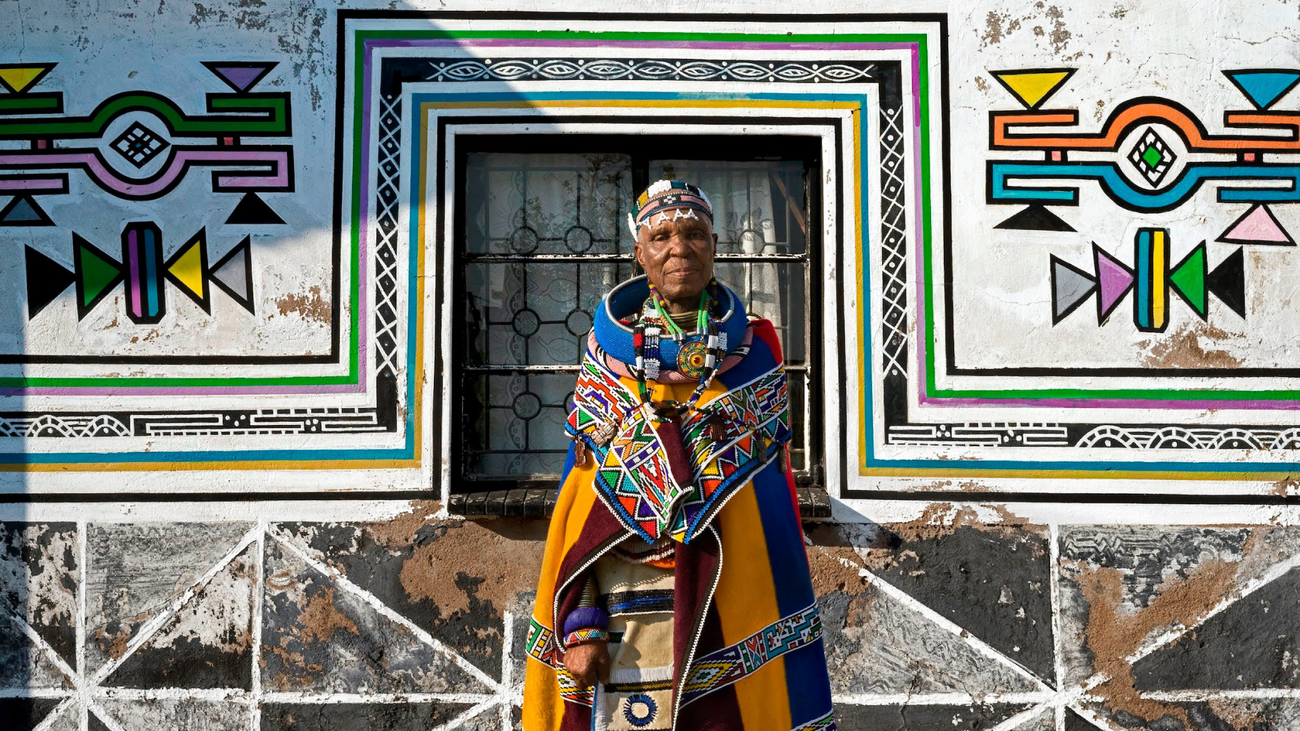
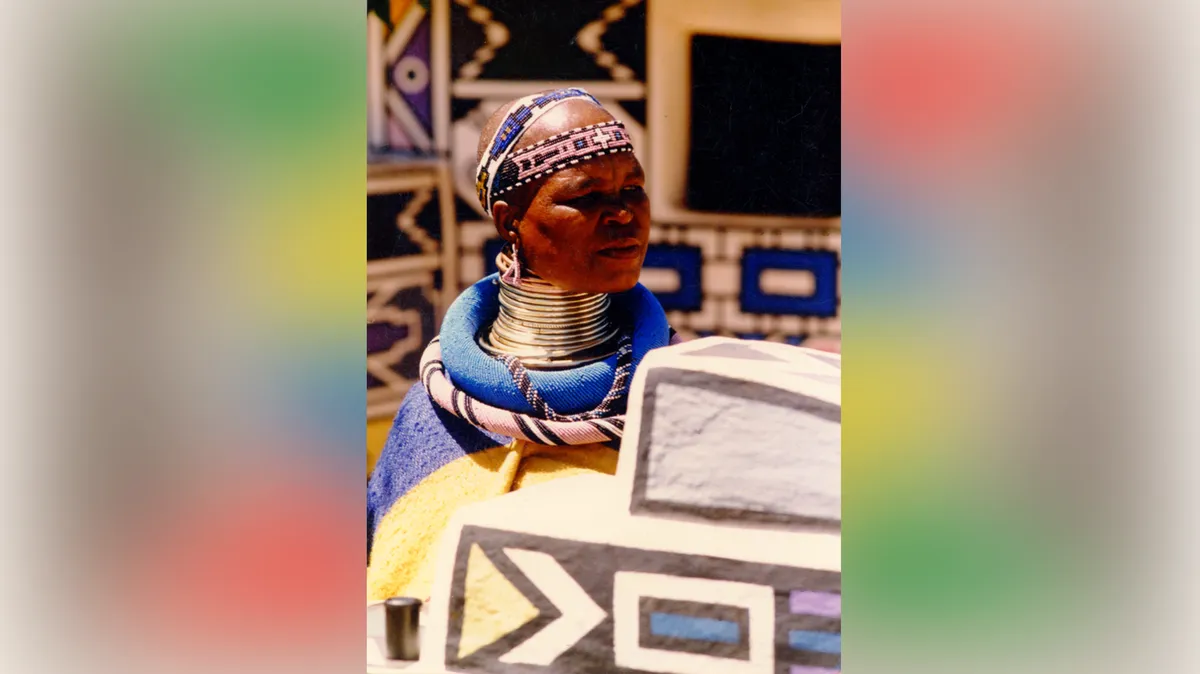
Born in 1935 in Middelburg, Mpumalanga, Esther Mahlangu began her artistic journey at the age of ten. Under the guidance of her mother and grandmother, she learned the traditional Ndebele art of wall painting, a practice historically reserved for women to communicate community identity and personal milestones. While traditional Ndebele painting utilized natural pigments and muted tones, Mahlangu became a revolutionary figure by introducing bright, acrylic paints and bold black outlines, a shift that modernized the art form while maintaining its cultural integrity.
The Google Arts & Culture retrospective meticulously documents this evolution. It explores how Mahlangu moved from painting the exterior walls of homes in her rural community to applying her geometric patterns to unconventional "canvases," including aircraft, automobiles, and luxury fashion items. Her breakthrough into the international art scene occurred in 1989 at the "Magiciens de la Terre" exhibition in Paris, an event that challenged Eurocentric views of contemporary art and established Mahlangu as a formidable voice in the global art world.
Bridging the Archival Gap with Artificial Intelligence
One of the most significant challenges faced by the curatorial team was a lack of visual documentation regarding Mahlangu’s life and work between 1935 and 1980. During this period, although she was active and refining her craft, there were few photographs or records of her murals and personal experiences. To address this "archival void," Google Arts & Culture partnered with Google DeepMind and the research studio Domestic Data Streamers to implement the "Synthetic Memories" initiative.
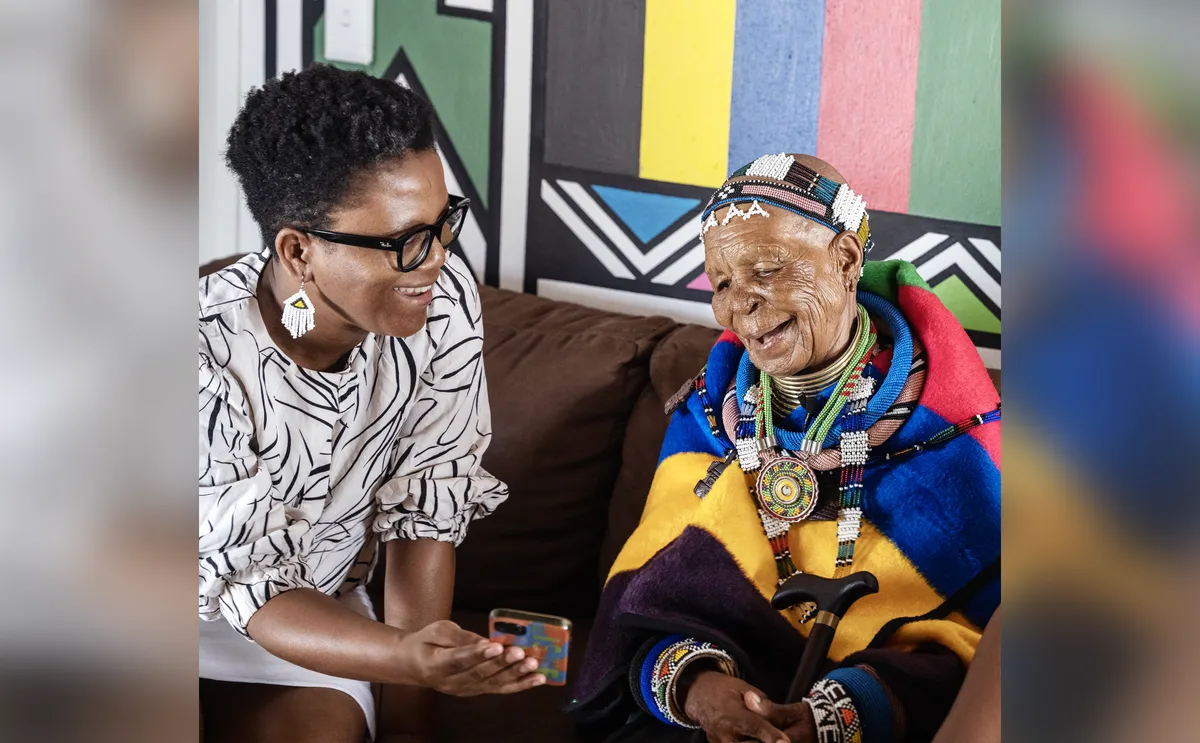
Through a series of intensive interviews and workshops, Dr. Nontobeko Ntombela worked with Mahlangu to extract vivid descriptions of her early memories. These oral histories were then processed using advanced AI models, including Veo, to generate visual representations of undocumented moments. For instance, the AI helped recreate the moment a ten-year-old Mahlangu first discovered her talent for painting using feathers as brushes. These synthetic visuals are not intended to replace historical facts but to serve as a bridge, bringing her early, unphotographed years to life for a modern audience. This methodology represents a new frontier in cultural preservation, where technology is used to honor oral traditions and personal memory.
A Chronology of a Global Icon
The retrospective provides a detailed timeline of Dr. Mahlangu’s life, highlighting key moments that shaped her career and the perception of African art globally:
- 1935: Esther Mahlangu is born in Middelburg, South Africa.
- 1945: She begins her apprenticeship in Ndebele wall painting, learning the complex geometric language of her ancestors.
- 1980: Her work begins to be documented by researchers and art historians, marking the end of her "undocumented" period.
- 1989: She travels to Paris for the "Magiciens de la Terre" exhibition at the Centre Pompidou, gaining international recognition.
- 1991: Mahlangu becomes the first woman and the first African artist to create a BMW Art Car, joining the ranks of Andy Warhol and David Hockney.
- 2004: She collaborates with various global brands, further cementing her status as a bridge between traditional heritage and modern commercial art.
- 2018: The University of Johannesburg awards her an honorary doctorate for her contribution to the arts.
- 2024: On her 91st birthday, Google Arts & Culture launches the first online retrospective of her life and legacy.
Collaborative Efforts and Institutional Support
The scale of the "Then I Knew I Was Good at Painting" project necessitated an interdisciplinary approach. The archive was built in collaboration with several prominent organizations, including:
- Art of Contemporary Africa: Providing critical insights into the modern African art landscape.
- Iziko Museums of South Africa: Contributing historical context and access to South African national collections.
- The British Museum: Offering a global perspective on her work’s placement within world history.
- The National Museum of Women in the Arts: Highlighting her role as a female pioneer in a traditionally gendered art form.
- Serpentine Galleries and the Jean Pigozzi Collection: Showcasing her influence on high-concept contemporary art.
Dr. Nontobeko Ntombela emphasized that her research has always been focused on the impact of South African women artists. "My goal has always been to present a comprehensive exploration of her life and work," Ntombela stated. She noted that the relationship built with Mahlangu and her family over years of research was essential to the project’s success, ensuring that the digital retrospective remained authentic to Mahlangu’s personal narrative.
Supporting Data and Digital Reach
The integration of Dr. Mahlangu’s work into the Google Arts & Culture platform provides unprecedented accessibility. Google Arts & Culture currently partners with over 2,000 cultural institutions from 80 countries, reaching millions of users monthly. By hosting the Mahlangu retrospective, the platform democratizes access to her work, which was previously only available in physical museums or private collections.
The retrospective includes:
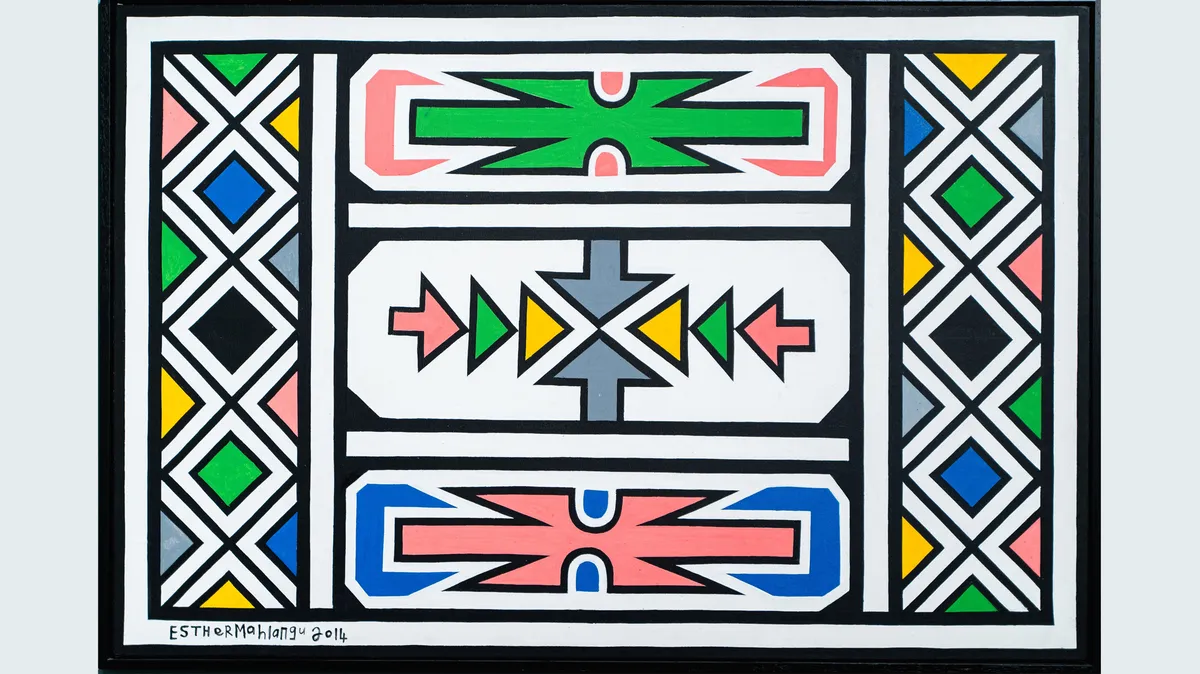
- 45+ Curated Stories: Detailed narratives covering her techniques, her family life, and her philosophy.
- High-Resolution Archives: Zoomable images of her large-scale murals and intimate canvas pieces.
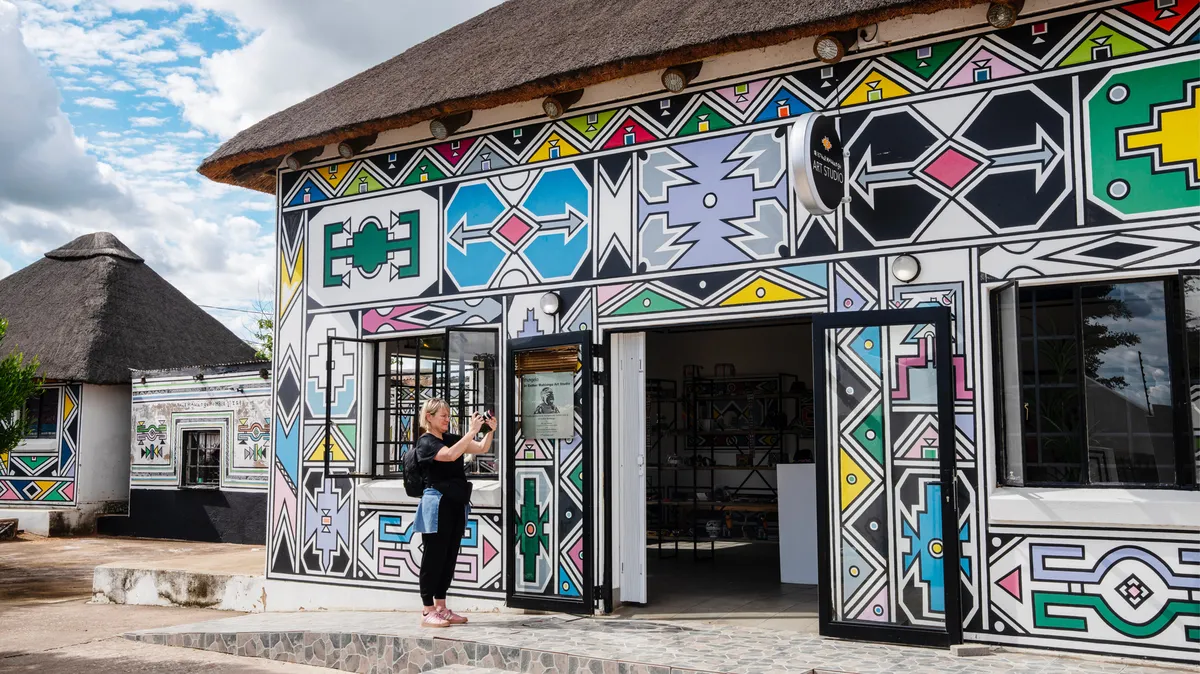
- Street View Integrations: Allowing users to virtually visit the Esther Mahlangu Homestead and her art studio in Mpumalanga.
- Video Content: Featuring interviews and the AI-generated synthetic memories that illustrate her formative years.
Official Responses and Cultural Impact
The launch has been met with praise from both the artistic community and technology leaders. Amit Sood, Vice President of Google Arts & Culture, remarked on the honor of celebrating Dr. Mahlangu’s legacy. He noted that making her work globally accessible online offers younger generations a unique opportunity to explore Ndebele heritage and find inspiration in her pioneering vision.
Dr. Mahlangu herself expressed gratitude for the initiative, stating that it has always been her wish to ensure that the art and culture of the Ndebele nation live on. "Thank you to Google Arts & Culture for sharing my story, artwork, and the culture of the Ndebele nation with the world," she said. Her statement underscores the dual purpose of the project: celebrating an individual artist while serving as a repository for a specific cultural identity.
Broader Implications for Cultural Heritage
The "Then I Knew I Was Good at Painting" retrospective serves as a case study for the future of cultural preservation. In many parts of the Global South, historical documentation is often sparse due to various socio-political factors. The use of AI to reconstruct "missing" history suggests a way forward for other artists and cultures whose early legacies were not recorded in traditional archives.
Furthermore, the project highlights the shifting role of technology in the art world. Rather than replacing the artist, AI is used here as a tool for recovery and visualization, guided by the artist’s own testimony. This ensures that the technology remains a servant to historical accuracy and personal agency.
As the retrospective becomes a permanent fixture of the digital landscape, it cements Dr. Esther Mahlangu’s position as a pivotal figure in global contemporary art. It invites audiences to reimagine the possibilities of the archive and ensures that her vibrant, geometric vision will continue to influence artists, designers, and historians for decades to come. The exhibition is now live and can be accessed by the public at goo.gle/esther-mahlangu, offering a timeless tribute to a woman who turned the walls of her home into a window for the world.
