

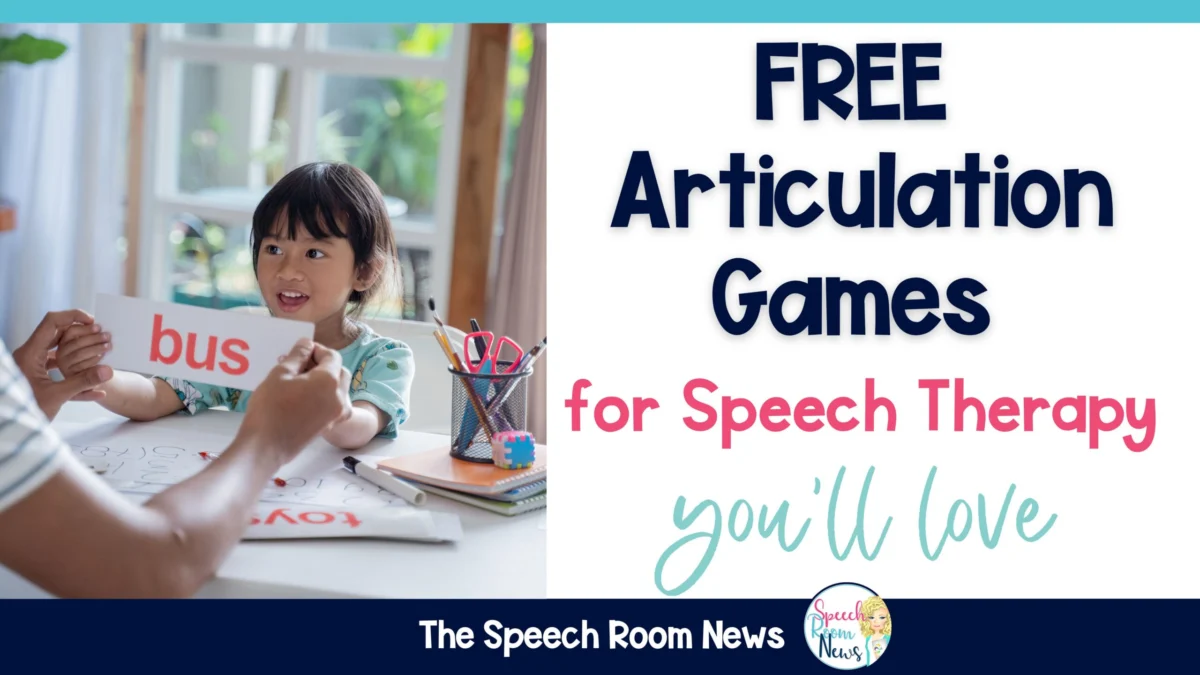
The integration of playful methodologies into speech therapy sessions is fundamentally transforming how children approach and experience therapeutic interventions, significantly boosting engagement and making the learning process more memorable. This pedagogical shift not only enhances participation but also provides invaluable opportunities for children to generalize crucial language and articulation skills into their daily lives. With an increasing emphasis on accessible and effective tools, a wealth of no-cost resources has emerged, ensuring that high-quality articulation practice remains available to all, regardless of whether therapy takes place virtually, in-person, or through a hybrid model. These innovative approaches underscore a commitment to making speech sound acquisition an enjoyable and productive journey for young learners.
Understanding Speech Sound Disorders and the Imperative for Engaging Therapy
Speech Sound Disorders (SSDs) represent a broad category of communication impairments that affect how individuals produce speech sounds. These disorders can manifest as articulation errors (difficulty producing specific sounds, like a lisp) or phonological process disorders (patterns of sound errors, such as fronting where ‘k’ sounds are replaced with ‘t’ sounds). According to the American Speech-Language-Hearing Association (ASHA), approximately 2.3% to 24.6% of children aged 5-7 years may experience some form of SSD. The prevalence varies by age and diagnostic criteria, but the impact on a child’s educational, social, and emotional development can be significant. Unaddressed SSDs can lead to difficulties in literacy, social interaction, and self-esteem, making early and effective intervention crucial.
Traditional speech therapy often involved repetitive drills, which, while effective for some, frequently led to decreased motivation and engagement, particularly in younger children. The challenge for Speech-Language Pathologists (SLPs) has always been to find methods that not only target specific speech sounds but also capture and sustain a child’s attention, making therapy a positive and anticipated experience. Furthermore, families often face financial burdens associated with therapy, and access to resources can be limited, especially in underserved communities. The advent of free, engaging articulation games addresses these multifaceted challenges by providing accessible, high-quality tools that empower both therapists and parents.
The Foundational Role of Play in Child Development and Therapy
Play is widely recognized by developmental psychologists and educators as a cornerstone of healthy child development. It is through play that children explore their world, develop problem-solving skills, learn social cues, and build emotional resilience. In the context of speech therapy, integrating play is not merely a supplementary activity but a core therapeutic strategy. Play-based therapy capitalizes on a child’s natural inclination to learn through exploration and interaction, transforming potentially arduous tasks into enjoyable challenges.

For articulation therapy, play offers several distinct advantages:
- Enhanced Motivation and Engagement: Children are more likely to participate actively and for longer durations when they perceive an activity as fun rather than work. This intrinsic motivation is critical for the repetitive practice required to master new speech sounds.
- Reduced Anxiety and Stress: A playful environment minimizes the pressure often associated with therapeutic settings, allowing children to relax and experiment with sounds without fear of failure.
- Improved Memory and Retention: Activities embedded in games are more memorable, aiding in the recall and application of learned articulation patterns. The emotional connection forged during play reinforces neural pathways associated with learning.
- Facilitation of Generalization: Play provides natural contexts for using target sounds in spontaneous speech. Whether it’s describing game pieces, negotiating turns, or narrating a game’s progress, children are prompted to use their newly acquired skills in varied and meaningful ways, which is essential for transferring skills from the therapy room to everyday conversations.
- Development of Broader Skills: Beyond articulation, games foster critical cognitive and social-emotional skills such as turn-taking, problem-solving, attention, listening comprehension, and emotional regulation. These skills are often co-morbidly affected in children with SSDs or are crucial for overall communication competence.
The shift towards play-based and gamified learning reflects a deeper understanding of child psychology and pedagogical effectiveness. This approach acknowledges that children learn best when they are actively involved, curious, and emotionally invested.
Interactive Online Resources: Digital Frontiers in Articulation Practice
The digital age has ushered in a new era for speech therapy, offering a diverse array of interactive online games and applications that make practicing speech sounds both effective and enjoyable. These resources are particularly valuable for virtual or hybrid therapy models, providing engaging content that transcends geographical barriers and adapts to varied learning environments.
-
ABCya’s “Alphabet BINGO”: This game is a prime example of how foundational literacy skills can be interwoven with articulation practice. Designed for younger students, Alphabet BINGO helps children practice their letter sounds in a dynamic and interactive format. By associating letters with their corresponding sounds in a familiar game structure, children develop phonological awareness—a critical precursor to successful articulation and reading. SLPs can adapt this game by focusing on target sounds within the Bingo words, encouraging students to produce the initial, medial, or final sound accurately as they identify letters. The visual and auditory feedback provided by the platform makes it a self-correcting and engaging tool for early learners.
-
Articulation Station App (Lite Version): This application, available for download on various devices, stands as a benchmark for digital articulation practice. The free "Lite" version offers a selection of sound options and interactive games, maintaining high student engagement. Its structured approach allows children to practice sounds at various levels—isolation, syllables, words, phrases, and sentences—while incorporating engaging visuals and auditory models. The app’s clear interface and immediate feedback mechanisms make it an invaluable tool for both in-session practice and home assignments, providing a consistent and targeted practice environment. The ability to record and playback speech also empowers children to self-monitor their progress, fostering greater independence in their therapy journey.
-
Language Playroom: This website is a burgeoning hub for free online therapeutic games, boasting a collection of 20 games specifically focused on articulation, with ongoing expansion to include fluency, language, and social communication activities. Its commitment to continually growing its resource base makes it a dynamic platform for SLPs seeking fresh content. The games are designed to be intuitive and engaging, often featuring colorful graphics and simple mechanics that are accessible to a wide range of ages and abilities. The variety ensures that therapists can find suitable activities for different target sounds and skill levels, providing a flexible tool for diverse caseloads.

-
Phoneme Pop: An online game found on educational portals like Topmarks, Phoneme Pop engages children by having them "pop" bubbles containing words with their target sounds. This game leverages a simple yet highly motivating mechanic—popping bubbles—to reinforce sound identification and production. Children are presented with a visual array of words and must discriminate which ones contain their specific target phoneme. This activity not only aids in articulation practice but also enhances auditory discrimination skills, which are fundamental for speech development. The quick pace and interactive nature keep children focused and eager to identify the correct sounds.
-
Boom Cards: These digital, interactive task cards have become a cornerstone for many educators and therapists. A vast library of free Boom Card decks is available on platforms like Teachers Pay Teachers and Boom Learning. Boom Cards offer a highly versatile format, allowing for customized activities targeting specific articulation sounds, word positions (initial, medial, final), and complexity levels. They provide instant feedback, track student progress, and can be used across various devices, making them ideal for virtual therapy, in-person sessions, or homework assignments. The gamified elements, such as drag-and-drop features and multiple-choice questions, keep students actively involved, transforming repetitive drills into interactive challenges. Many SLPs, like Jenna Rayburn Kirk (whose resources are mentioned in the original context), also offer affordable premium Boom Card sets, demonstrating their widespread utility and effectiveness.
Printable Games and Worksheets: Tangible Tools for Hands-On Practice
While digital resources offer unparalleled convenience, printable games and worksheets continue to hold significant value in speech therapy. They provide a hands-on, tactile experience that can be particularly beneficial for kinesthetic learners and for fostering fine motor skills. These resources are excellent for use in therapy sessions or for sending home to ensure consistent practice in the child’s natural environment.
-
"Whack-a-Sound /S/ Self-Checking Articulation Freebie": This game is tailored for preschool through 2nd grade and ingeniously helps children identify the position (initial, medial, or final) of a target sound within a word. By engaging children in a "whack-a-mole" style activity, it makes auditory discrimination and sound placement practice exciting. The "self-checking" aspect empowers children to verify their answers, fostering independence and immediate reinforcement. This interactive format is far more engaging than traditional worksheets, encouraging active participation and repeated sound production.
-
Articulation Worksheets from Super Duper Publications: Renowned in the field of speech-language pathology, Super Duper Publications offers a selection of free printable worksheets and activities. These resources often include varied tasks such as coloring sheets, cut-and-paste activities, and simple games, all designed to target specific articulation sounds. Their materials are typically well-structured, clear, and visually appealing, making them easy for both therapists and parents to use. While a "small range" is offered for free, these samples provide a glimpse into high-quality, professional materials that can significantly aid in therapy.
-
"Hot Chocolate Articulation Board Game": Ideal for the colder months, this board game offers a flexible framework for articulation practice. Therapists can prepare flashcards with target words for specific sounds. As children advance on the board, they draw a card and practice saying the word correctly. The game’s versatility allows for numerous adaptations; for instance, successful articulation might earn a dice roll, or specific spaces could prompt additional sound practice or reward. The collaborative and competitive elements inherent in a board game motivate children to produce their target sounds accurately to progress, making practice an integral part of the fun.

-
100 Trial Challenges by Peachie Speechie: These printable sheets are a highly effective way to achieve a high number of articulation trials, which is crucial for sound mastery. Peachie Speechie’s resources often cover various themes and holidays, making it easy to integrate articulation practice into seasonal activities and keep content fresh and relevant. The "100 trials" format encourages consistent, repetitive practice within a structured yet engaging context. Children can color, mark, or sticker each successful production, providing a visual representation of their progress and fostering a sense of accomplishment. This method is particularly useful for students who benefit from clear goals and immediate feedback on their trial count.
-
"Color & Play Ocean Articulation Bingo": Bingo is a classic game that adapts seamlessly to articulation therapy. These printable cards, featuring ocean-themed target words, can be used in both group and individual settings. Children practice saying the target words on their cards as they are called out, aiming to complete a row or column. This game enhances auditory processing, word recognition, and articulation production simultaneously. The "color & play" aspect adds another layer of engagement, allowing children to personalize their cards and engage in a creative activity while practicing their sounds.
Material-Free Games: Articulation Practice Anywhere, Anytime
One of the most powerful aspects of speech therapy is the ability to generalize learned skills into everyday life. Material-free games, often playable "on the go" in environments like a car or waiting room, are invaluable for this purpose. They require no preparation, no special equipment, and foster spontaneous speech production in natural contexts.
-
I Spy: This classic game can be ingeniously modified to target specific articulation sounds. Instead of simply saying, "I spy with my little eye something green," the therapist or parent can say, "I spy with my little eye something that starts with the /s/ sound." This directs the child to actively listen for and produce words beginning with their target sound, making the game a fun exercise in auditory discrimination and initial sound production. The open-ended nature of the game encourages descriptive language and provides endless opportunities for practice.
-
20 Questions: This deductive reasoning game is excellent for encouraging children to ask questions and use descriptive language, all while targeting their articulation goals. The person thinking of the object can select an item that contains the child’s target sound. As the child asks "yes" or "no" questions to narrow down the possibilities, they are naturally prompted to use their target sounds in a conversational context. This game not only enhances articulation but also builds vocabulary, categorization skills, and critical thinking.
-
Rhyme Time: This simple yet effective game focuses on phonological awareness, which is closely linked to articulation. Participants take turns saying words that rhyme with a target word. The emphasis is placed on the correct articulation of each rhyming word. For example, if the target sound is /t/ and the word is "cat," the child might say "hat," "mat," "bat," ensuring clear production of the final /t/ sound. This activity strengthens a child’s ability to manipulate sounds within words and reinforces correct pronunciation in a playful, repetitive manner.

-
The Alphabet Game: In this game, players go through the alphabet, with each person saying a word that starts with a given letter. To adapt it for articulation, the child can be challenged to say a word starting with each letter that also contains their target sound. Alternatively, the focus can simply be on ensuring clear articulation of the initial sound of each word as they progress through the alphabet. This game provides a structured way to practice a wide range of sounds in a sequential manner, making it versatile for various articulation goals.
Broader Impact and Implications
The widespread availability of free articulation games carries significant implications for the field of speech-language pathology and for public health.
- Enhanced Accessibility and Equity: Free resources democratize access to essential therapeutic tools. For families in low-income areas or those with limited access to clinical services, these materials can provide a vital bridge, allowing children to continue practicing and making progress outside of formal therapy settings. This helps to reduce disparities in communication development.
- Empowerment of Parents and Educators: By providing readily available, user-friendly resources, parents and teachers can become more active participants in a child’s speech development journey. They can reinforce therapeutic goals at home and in the classroom, fostering a more consistent and holistic approach to intervention. This parental involvement has been consistently linked to better outcomes in speech therapy.
- Cost-Effectiveness for Therapists and Systems: For SLPs, especially those in school settings or private practice with limited budgets, free resources reduce the financial strain of acquiring materials. This allows them to allocate funds to other critical needs or to serve more students. For healthcare systems, empowering home practice can potentially reduce the frequency or duration of clinical sessions required, leading to more efficient use of resources.
- Adaptability to Evolving Service Delivery Models: The rise of telepractice and hybrid therapy models, accelerated by global events, has highlighted the need for flexible resources. Online games and easily shareable printables are perfectly suited for these environments, ensuring continuity of care regardless of physical location.
- Promotion of Lifelong Learning Skills: By making therapy engaging and fun, these games help instill a positive attitude towards learning and practice, skills that extend far beyond speech acquisition. Children learn that challenges can be overcome through playful effort, fostering resilience and a growth mindset.
In conclusion, the integration of free, engaging articulation games into speech therapy represents a significant advancement in therapeutic practice. From interactive digital platforms to hands-on printables and spontaneous material-free activities, these resources provide diverse and effective avenues for children to master speech sounds. By prioritizing play, accessibility, and generalization, these innovative tools not only enhance therapeutic outcomes but also foster a more positive and empowering experience for children, their families, and the dedicated professionals who guide them. Happy playing indeed, as the future of speech therapy continues to embrace joy as a pathway to clarity and confidence.
