

The trajectory of a child’s developmental journey is profoundly influenced by the timely identification and support of emerging needs, particularly in the realm of communication. Early intervention speech therapy stands as a cornerstone in fostering optimal language acquisition, offering a critical window of opportunity that can significantly alter a child’s future communicative competence and overall developmental trajectory. For both speech-language pathologists (SLPs) and parents navigating the complexities of early childhood, understanding the multifaceted benefits and practical applications of early intervention is paramount. This specialized support not only addresses immediate speech and language delays but also lays a robust foundation for cognitive, social, and emotional growth.
Understanding Early Intervention Speech Therapy
Early intervention refers to a system of services designed to help infants and toddlers (birth to three years of age) with developmental delays or disabilities. When applied to speech and language, it involves a range of therapeutic approaches aimed at enhancing a child’s ability to understand (receptive language) and express (expressive language) themselves. The importance of this early engagement cannot be overstated, as the brain exhibits its highest plasticity during the first three years of life. This period, often termed the "critical window," allows for more efficient neural pathway development, making intervention particularly effective.
Statistics underscore the prevalence of communication disorders in young children. According to the American Speech-Language-Hearing Association (ASHA), approximately 1 in 12 children aged 3-17 years have a disorder related to voice, speech, language, or swallowing. For younger children, studies suggest that between 5% and 10% of children aged 0-5 years experience speech or language delays, making early detection a significant public health concern. The long-term implications of unaddressed speech delays can extend beyond communication, impacting literacy skills, academic performance, social interactions, and even emotional regulation.
The SLP Parent Perspective: A Catalyst for Practical Tools
The journey of an SLP, trained to meticulously observe and facilitate language development, can take on a profoundly personal dimension when confronted with speech delays in their own child. This unique perspective, as highlighted by many professionals, often catalyzes the creation of more accessible and parent-friendly resources. A speech pathologist, who anticipates charting every babble, first word, and phrase, might find themselves on the "other side of the table" when their child becomes a "late talker." This personal experience transforms theoretical knowledge into practical necessity, underscoring the universal need for effective tracking and intervention strategies.
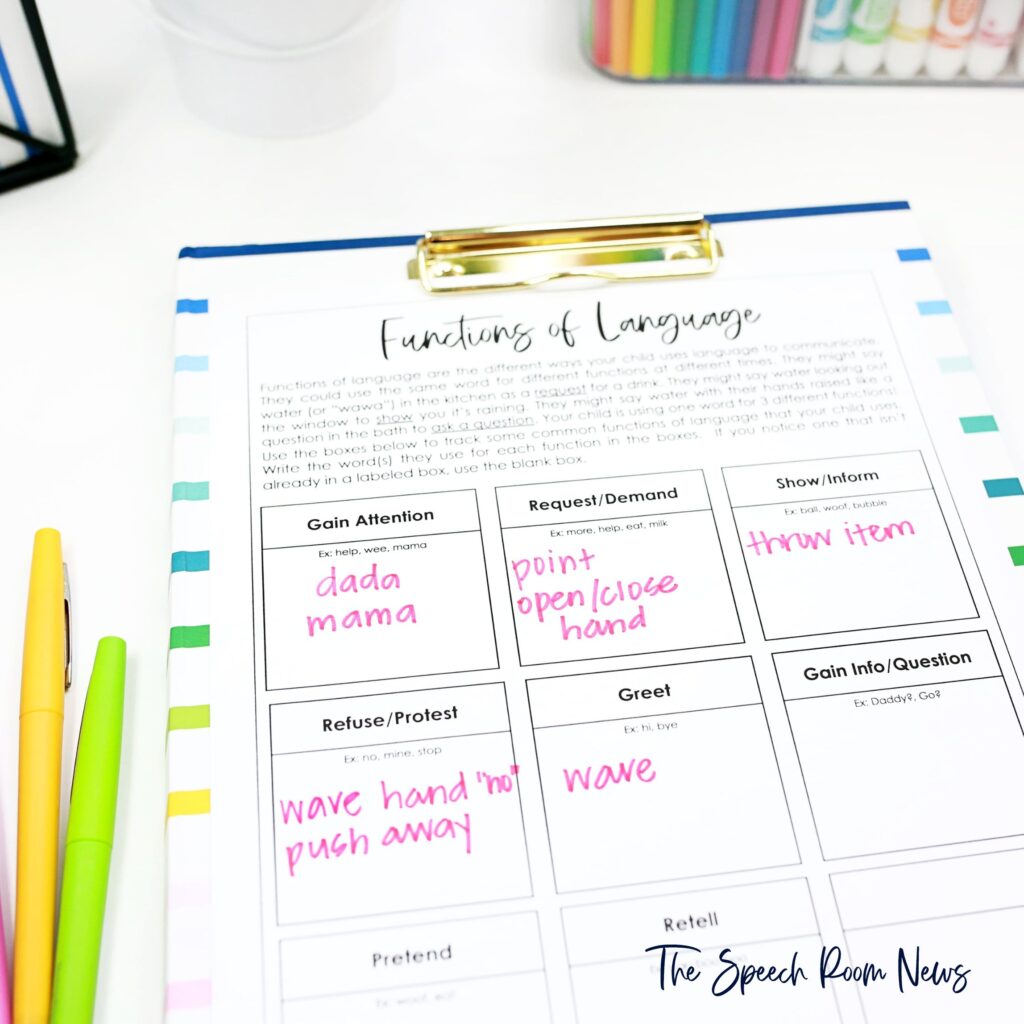
The initial excitement of documenting a child’s language milestones can shift to a focused determination when those milestones are not met as expected. This personal immersion often reveals the emotional and logistical challenges parents face, reinforcing the critical role of data collection in a way that clinical training alone might not fully convey. The development of tools like a "First Words Tracker" emerges directly from this need, providing a structured yet simple method for parents to monitor their child’s linguistic progress, offering clarity amidst concern and valuable data for professional guidance.
The Indispensable Value of Tracking Speech Milestones
Systematic tracking of a child’s early speech sounds and words is a foundational practice in early intervention, offering a clear, data-driven picture of a child’s developmental trajectory. Without such records, the subtle yet significant changes in a child’s communication patterns can easily be overlooked or misremembered, especially as new words emerge rapidly after the initial few.
Key Reasons for Tracking:
- Identifying Milestones and Delays: Children typically follow a predictable sequence of communication development. Tracking helps parents and professionals identify if a child is meeting age-appropriate milestones. For instance, babbling with consonant-vowel combinations usually begins around 6-9 months, first words with meaning emerge between 12-18 months, and children typically combine two words by 18-24 months, possessing a vocabulary of around 50 words. Deviations from these benchmarks serve as crucial indicators for further assessment.
- Informing Therapy: Detailed records provide speech therapists with invaluable insights into a child’s current communication abilities, their progress, and areas needing specific focus. This data allows SLPs to tailor intervention strategies more effectively, measuring growth and change over time. During monthly coaching sessions, precise data empowers parents to provide accurate updates, ensuring therapy remains responsive to the child’s evolving needs.
- Observing Phonological Development: Tracking extends beyond just word count; it involves observing the types of sounds a child is producing and the syllable shapes they are forming. Are they producing consonant-vowel (CV) words like "mama" or "dada"? Are they moving to vowel-consonant (VC) words like "up," or more complex structures like consonant-vowel-consonant-vowel (CVCV) like "wawa" or consonant-vowel-consonant (CVC) like "dog"? This phonological inventory helps assess speech sound development and identify potential articulation or phonological processing issues.
- Empowering Parents: The act of tracking itself empowers parents by giving them a concrete role in their child’s therapy. It transforms anxiety into actionable observation, allowing them to celebrate small victories and feel more engaged in the intervention process. Many families report being surprised by the actual number of sounds and words their child is producing once they begin intentional tracking.
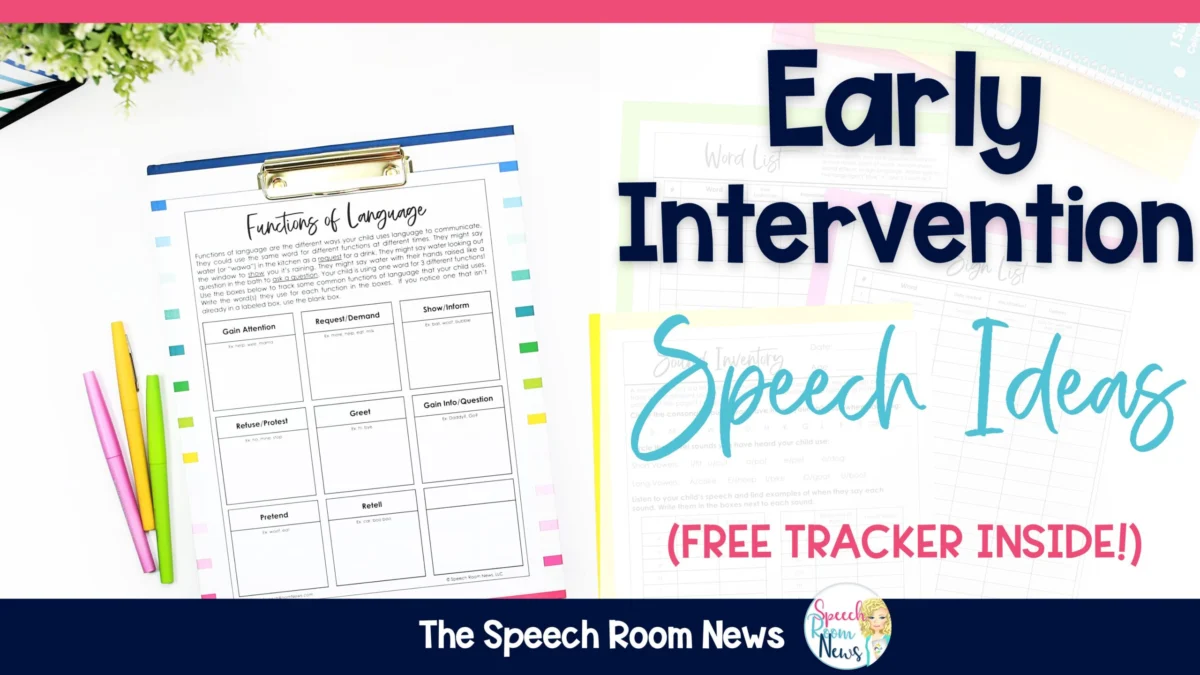
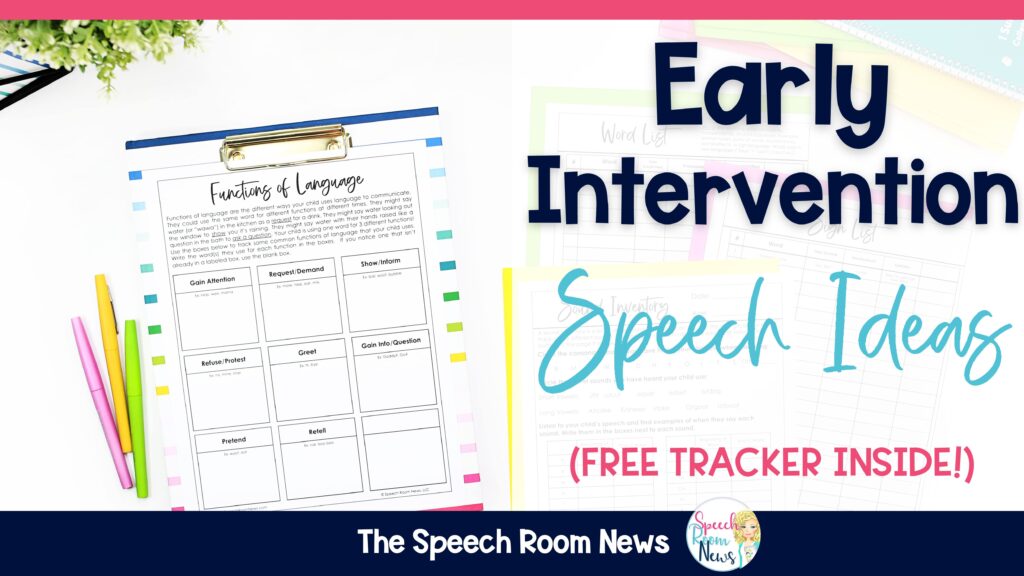
Resources such as the "Encouraging First Words Handouts" are designed specifically to guide parents and SLPs in this initial phase, offering practical strategies for stimulating early language and comprehensive tracking sheets.
Recognizing Late Talkers: When to Seek Professional Guidance
While every child develops at their own pace, there are established guidelines that can help parents and caregivers identify potential speech delays. A "late talker" is generally defined as a child aged 18-30 months who has a good understanding of language, typically developing play skills, good social skills, and normal hearing, but has a limited expressive vocabulary for their age (e.g., fewer than 50 words at 24 months, or no two-word combinations).
Key Indicators for Concern (Red Flags):

- 12-18 Months: No babbling, not responding to their name, not pointing to show interest, not imitating sounds or actions.
- 18-24 Months: Not using at least 6-10 words, not responding to simple verbal requests, not imitating simple words or actions.
- 24-30 Months: Not using at least 50 words, not combining two words (e.g., "more milk," "daddy go"), not following simple two-step directions, difficulty being understood by familiar people.
- 30-36 Months: Not using short sentences, frequent repetitions of words or phrases, difficulty playing and interacting with other children.
It is crucial for parents observing these signs to consult with their pediatrician. The pediatrician can provide an initial assessment and, if necessary, refer the child for a comprehensive speech and language evaluation by a qualified speech-language pathologist. Additionally, parents can contact their local school district or early intervention program directly to inquire about eligibility for services, as these programs often offer free evaluations for children suspected of having developmental delays. Professional guidance ensures that concerns are addressed promptly and appropriate support is initiated.
Effective Home-Based Early Intervention Strategies: Integrating into Daily Life
A cornerstone of successful early intervention is the integration of therapeutic strategies into a child’s natural environment and daily routines. This approach capitalizes on the predictability and repetition inherent in everyday activities, creating consistent opportunities for language learning. When activities become predictable, children are more likely to learn specific vocabulary, social expectations, and actions, maximizing repeated exposure to language in meaningful contexts.
Examples of Daily Routine Integration:
- Eating a Snack (Communication Temptation): Snack time presents an ideal, low-pressure opportunity to encourage imitation and requests. Instead of a full meal, a small bowl of a preferred snack creates a powerful "communication temptation."
- Strategy: Model descriptive language ("Look, I’m pouring some crunchy crackers into the bowl. Yum! I love to eat crackers. You like to eat crackers too. Mmmm, crackers.").
- Prompting: Offer a small amount, then hold back the rest. Ask, "Do you want more?" or "What do you want?" Wait expectantly for a response, celebrating any word approximation or gesture as a valid form of communication. The goal is consistent modeling, creating a rich language environment around a highly motivating activity.
- Brushing Teeth (Mirror Play and Action Words): Time spent in front of the mirror offers unique opportunities for connection, imitation, and language building through social routines.
- Strategy: Engage in back-and-forth social games and mirror imitation. Make silly faces, stick out tongues, blow kisses, or mimic actions with sounds (e.g., "ahhh" for opening mouth).
- Modeling: Verbally describe what you are doing and why, linking actions to words. "It’s time to brush your teeth. We brush and clean our teeth so they stay healthy. We want healthy teeth so we can eat all kinds of foods. Let’s get your green toothbrush. Can you find the toothpaste? Squeeze just a little bit out. Now what do we do? Yes! Let’s brush the front. Now what? Yes—time to brush the back! You brushed your teeth. Now let Mommy brush them too. I am brushing the front and the back. I go up and down and make sure I get all your teeth. We did it! Time to rinse our teeth and our brush so they stay clean."
- Vocabulary: Focus on positional words (up/down, front/back), action verbs (brush, squeeze, rinse), and descriptive adjectives (clean, healthy). Avoid simply saying, "Brush your teeth," as this offers minimal language input.
- Bath Time (Sensory Play and Requesting): Bath time is a sensory-rich environment for language.
- Strategy: Offer choices of toys ("Do you want the duck or the boat?"), model actions ("Splash the water!"), and use descriptive words ("The water is warm," "The bubbles are big").
- Prompting: Hold back a favorite toy until the child makes a request, verbally or gesturally.
- Playtime (Child-Led Play and Expansion): Following a child’s lead during play is one of the most effective ways to encourage spontaneous language.
- Strategy: Observe what the child is interested in and join their play. Comment on their actions ("You’re pushing the car fast!"), expand on their utterances ("Car!" becomes "Yes, a red car!"), and introduce new vocabulary related to their focus.
- Example: If a child is stacking blocks, model "Up! Up! More blocks! Big tower!"
These strategies are not exhaustive but represent the core principle of embedding language learning within natural, engaging contexts. Resources such as the "Early Intervention Daily Routines Handbook" provide extensive ideas for parents to implement these practices consistently.
The Broader Landscape of Support: Resources and Professional Collaboration
Effective early intervention is a collaborative endeavor involving parents, caregivers, pediatricians, and specialized therapists. The ecosystem of support is designed to ensure comprehensive care and sustained progress for children with speech and language delays.
Key Components of the Support System:
- Speech-Language Pathologists (SLPs): These professionals are at the forefront of assessment and intervention, designing individualized therapy plans based on a child’s unique needs. They also play a crucial role in coaching parents, equipping them with strategies to reinforce learning at home.
- Pediatricians: Often the first point of contact, pediatricians monitor developmental milestones and are vital in screening for potential delays, providing referrals to specialists, and educating families on the importance of early intervention.
- Early Intervention Programs: Federally mandated programs, typically managed at the state or local level (e.g., through school districts or health departments), offer evaluations and services for eligible infants and toddlers. These services are often provided in natural environments, such as the child’s home or daycare.
- Parent Education Materials: Handouts and handbooks, like the "Early Intervention Handbooks for Parents" series (covering topics from norms and language strategies to late talkers and gestures), are invaluable tools for empowering parents. They provide accessible information, practical activities, and clear guidance, fostering a sense of agency and confidence in parents as primary facilitators of their child’s language development. These materials can be displayed on bulletin boards in clinics or distributed during parent meetings.
Implications and Broader Impact:
The profound impact of early intervention extends far beyond the immediate improvement in a child’s communication skills. It influences:

- Cognitive Development: Language is intrinsically linked to thought. Enhanced communication skills facilitate better problem-solving, reasoning, and academic readiness.
- Social-Emotional Well-being: Children who can express themselves are better able to communicate their needs, desires, and emotions, leading to more positive social interactions, reduced frustration, and improved self-esteem.
- Educational Success: Children receiving early intervention are more likely to enter school with the foundational language skills necessary for literacy and academic achievement, potentially reducing the need for more intensive special education services later.
- Family Dynamics: Empowering parents with strategies and knowledge reduces parental stress and strengthens the parent-child bond through enhanced communication.
Conclusion
The journey of speech development is a critical chapter in every child’s life, and for those who face challenges, early intervention speech therapy offers a beacon of hope and a pathway to success. By recognizing the signs of delay, meticulously tracking progress, integrating targeted activities into daily routines, and leveraging the collaborative support of professionals and resources, families can unlock a child’s full communicative potential. The data consistently demonstrates that early, intensive, and parent-involved intervention yields the most favorable outcomes, transforming potential obstacles into opportunities for growth and ensuring that every child has the chance to find their voice. The investment in early intervention is not merely an investment in speech; it is an investment in a child’s holistic development and their future place in the world.
