


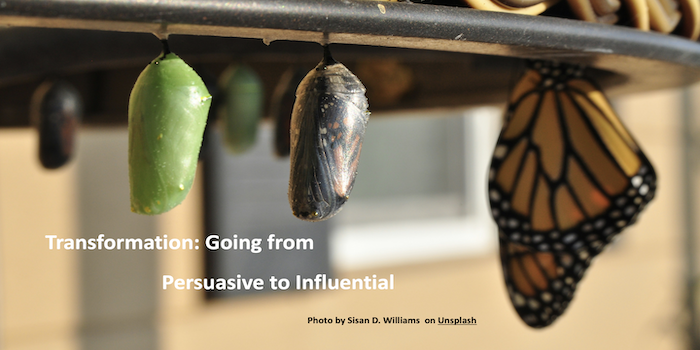
The pursuit of influence, often framed as the mastery of persuasive techniques, delves into a profound question: as we learn to articulate influence, who are we becoming in the process? This inquiry moves beyond the tactical application of influence principles to explore their potential to reshape our internal landscape and, consequently, our fundamental relationships with others. This dynamic was vividly illustrated through a personal transformation that mirrored the deeper implications of ethical influence.
For years, a dedication to strength training, powerlifting, and bodybuilding defined an athletic identity. The very notion of running was met with disdain; the expenditure of calories deemed inefficient compared to the gains in the gym. This perspective, deeply ingrained in a specific athletic subculture, viewed cardiovascular exercise as a detractor from optimal muscular development. The prevailing ethos within these communities often prioritized brute strength and aesthetic mass over endurance and aerobic capacity. This mindset, while effective for its intended purposes, created a significant mental barrier against activities perceived as less rigorous or outcome-oriented in terms of muscle hypertrophy.
A decade after stepping away from competitive weightlifting, a collective challenge emerged: a friend proposed that a group of approximately a dozen individuals attempt the Columbus Marathon. Under gentle persuasion from a spouse, a reluctant agreement was made to participate. The initial foray into running was met with unexpected challenges. However, the experience of completing the race and, more significantly, the subsequent feeling of accomplishment and physical well-being, began to shift this long-held perception. This gradual shift culminated in a profound personal realization: the identity previously anchored in weightlifting began to recede, replaced by a nascent self-conception as a runner.
This redefinition of self had tangible, almost automatic, behavioral consequences. The once-dreaded early morning runs, often in pre-dawn darkness, transitioned from a forced regimen to an integrated aspect of daily life. The internal debate about whether to run each morning dissolved. The identity of "runner" presupposed the action: runners run, and this individual was now a runner. This is not to suggest that running became effortless. The physical demands of speed work, the persistent ache in the legs during long weekend runs, and the rigorous discipline required for marathon training remained. Yet, the critical difference was a newfound intrinsic willingness, a natural inclination to embrace the effort.
This distinction between performing an action and embodying the identity that drives it was recently amplified by an insightful podcast discussion with Dallas Willard, a philosopher and theologian known for his work on spiritual transformation and the Christian life. Willard’s discourse centered on the concept of a "transformed life," where actions organically emerge from a changed inner disposition.
When Doing Flows from Becoming: The Internal Shift
Jesus’ teachings often present calls to action that can appear exceedingly difficult. Consider the injunctions to love one’s enemies or to respond with gentleness when confronted with opposition or the perceived need to assert one’s own correctness. Without an internal recalibration, such directives can feel like an insurmountable struggle. A heart filled with resentment will find loving an adversary an uphill battle. An unyielding conviction of being right can make a gentle response feel nearly impossible. While external behaviors can be mimicked or forced, a deeper, internal change is required for these actions to become sustainable and authentic.
Within the Christian theological framework, this continuous process of internal alteration is termed sanctification. As individuals deepen their trust in Christ and strive to emulate His character, their responses to life’s circumstances begin to originate from a transformed heart. This inner transformation fosters a new capacity for action. Loving a challenging individual may still involve personal cost, and responding with patience will undoubtedly demand conscious effort. However, the willingness to undertake these steps gradually becomes more accessible, as these actions increasingly align with the person one is becoming.
Just as the personal adoption of a "runner" identity fundamentally altered the relationship with the act of running, internal transformation reshapes one’s approach to the ethical and spiritual imperatives presented by figures like Jesus. The external act of running, once a chore, became a natural expression of a new identity. Similarly, the external acts of love, patience, and forgiveness, once arduous duties, can become natural expressions of a transformed inner self.
The Echoes of Inner Transformation in Ethical Influence
The principles of influence, as articulated by social psychologists such as Dr. Robert Cialdini, provide a framework for understanding how individuals and groups are persuaded. When these principles are taught, the focus is often on acquiring practical communication skills. The ability to formulate a clear request, establish credibility, or identify common ground are undeniably valuable. These skills can indeed facilitate agreement and foster positive outcomes. However, the critical question remains: are we merely becoming more adept at eliciting agreement, or are we cultivating ourselves into individuals whom others have genuine reasons to trust and follow?
In his recent work, Influenced from Above, Brian Ahearn explores the profound connections between Dr. Cialdini’s established principles of influence and the tenets of faith. This exploration posits that the ethical application of influence is not solely about technique but also about the character of the influencer.
Consider the principle of liking. The practice of finding commonalities and offering sincere praise can significantly strengthen interpersonal bonds. When this practice is rooted in a genuine interest in others, it transcends mere tactic and evolves into an expression of authentic curiosity and appreciation. This cultivated interest can serve as a foundational step towards a more profound form of relational engagement, akin to brotherly love.
The principle of unity, which highlights the power of recognizing shared identities, can indeed make agreement more attainable. However, when this recognition is coupled with an internal disposition of care, it invites a deeper connection. Perceiving oneself as belonging together with another fosters a genuine concern for their well-being, exemplifying the concept of agape love—a selfless, unconditional regard.
Commitment and consistency serve as a powerful reminder of the importance of adhering to one’s word. Living by the principle of letting one’s "yes" be "yes" and one’s "no" be "no" builds trust through consistent, everyday faithfulness. This commitment to integrity is not merely a strategic advantage but a reflection of a person of their word.
The principle of reciprocity helps illuminate why acts of generosity often inspire similar responses. However, the Golden Rule, a related ethical imperative, directs our attention beyond the expectation of return. It prompts us to consider how we would wish to be treated if we were in another person’s circumstances. This outward focus on the other, irrespective of personal gain, is a hallmark of ethical influence.
These principles, when understood and applied through the lens of inner transformation, offer a pathway to ethical influence that is virtually indistinguishable from manipulation. When one’s actions are motivated by a genuine concern for others, the need to differentiate between manipulative tactics and ethical persuasion largely dissolves. As Ahearn posits, one would not seek to manipulate a friend, nor would they consciously engage in manipulative behavior towards anyone they deeply respected or cared for. The inner disposition dictates the approach.
Practicing Influence with a Profound Purpose
The journey of transformation does not necessitate waiting for a complete inner overhaul before engaging in practice. The adage "practice makes perfect" holds a deeper truth in this context: practice often leads to becoming. The personal narrative of becoming a runner began with the act of running. Similarly, individuals can cultivate virtues such as generosity, honesty, and care through consistent practice.
However, the ultimate goal extends beyond the mere mastery of influence strategies. It is about evolving into an individual whose words and actions consistently reflect a sincere concern for the well-being of others. This includes the capacity to accept a "no" without jeopardizing the relationship, a testament to the strength of the underlying connection. It is at this juncture that ethical influence authentically begins to emanate from one’s core being, not as a learned skill, but as an intrinsic quality.
This perspective invites a moment of personal reflection: What skill, initially practiced with deliberate effort, eventually became an integral part of who you are? The answer to this question often illuminates the path from external performance to internal embodiment, a journey that enriches not only one’s own life but also the lives of those with whom one interacts. The science of influence, when grounded in character development, transforms from a tool for persuasion into a pathway for genuine connection and positive societal impact.
