

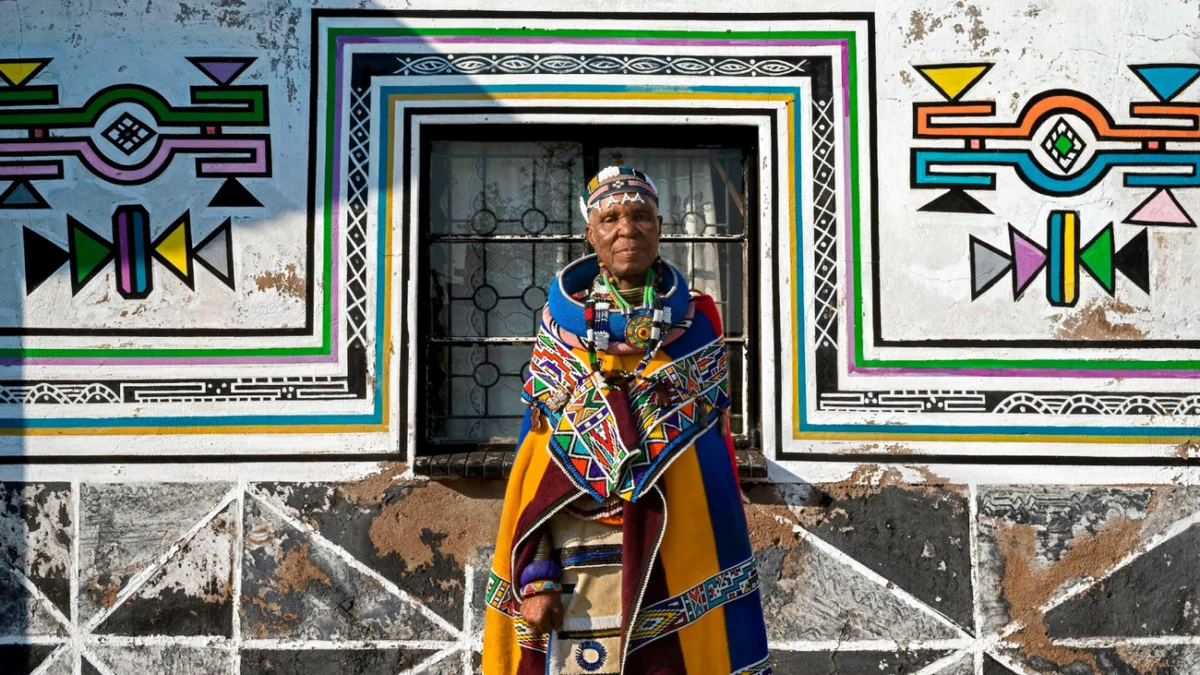
The digital landscape of global art history has reached a significant milestone with the launch of the first comprehensive online retrospective dedicated to the life and work of the iconic South African artist, Dr. Esther Mahlangu. Announced on the occasion of her 91st birthday, this initiative by Google Arts & Culture represents a massive undertaking in cultural preservation, blending traditional Ndebele artistry with cutting-edge generative artificial intelligence. The project, titled "Then I Knew I Was Good at Painting," serves as a definitive archive of a career that has spanned nearly eight decades, bringing together more than 45 curated stories, virtual tours of her homestead, and a visual reconstruction of her earliest memories.
Developed in close collaboration with Dr. Nontobeko Ntombela of the Wits School of Arts at the University of the Witwatersrand, the retrospective aims to bridge a critical gap in the historical record. While Dr. Mahlangu’s international acclaim skyrocketed following her participation in the 1989 "Magiciens de la Terre" exhibition in Paris, the formative years of her practice—spanning from the 1940s to the late 1970s—remained largely undocumented by traditional archival methods. Through the use of AI-driven "synthetic memories," the project has successfully visualized these missing decades, providing a holistic view of an artist who transformed a localized communal tradition into a global contemporary phenomenon.
A Life Rooted in Tradition and Innovation
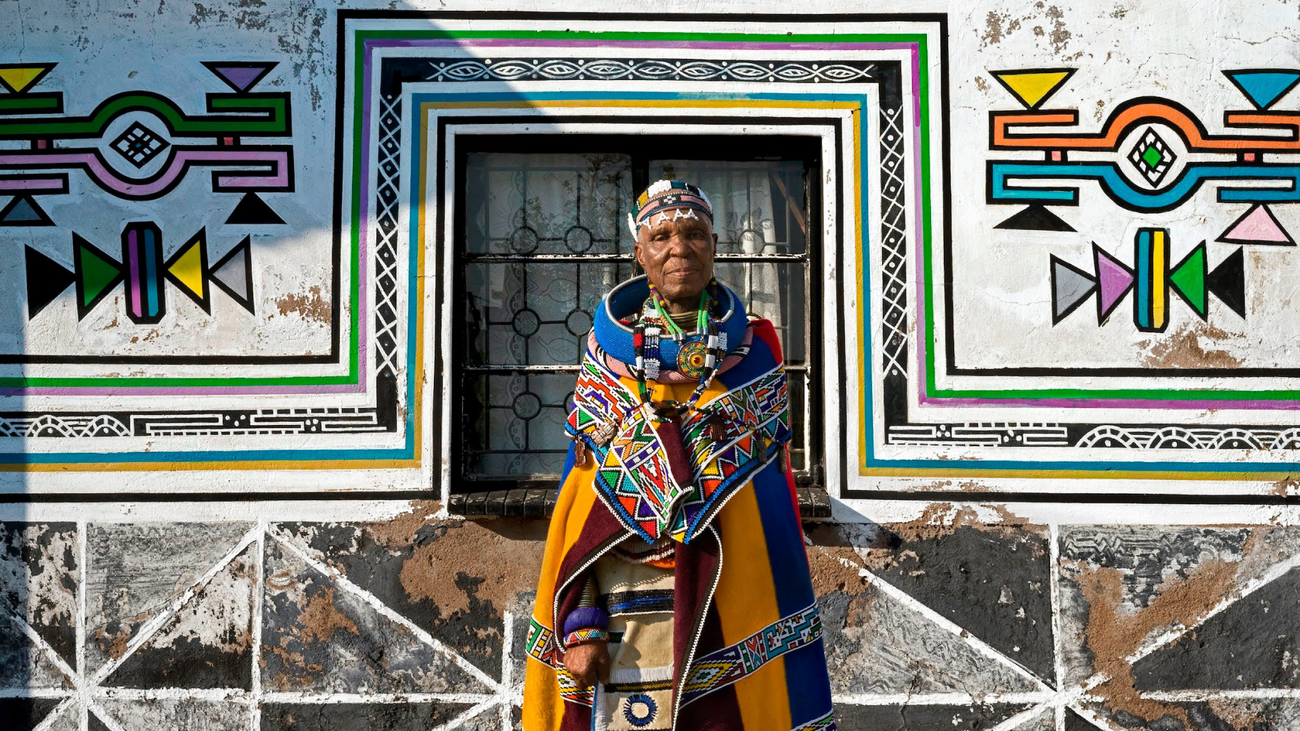
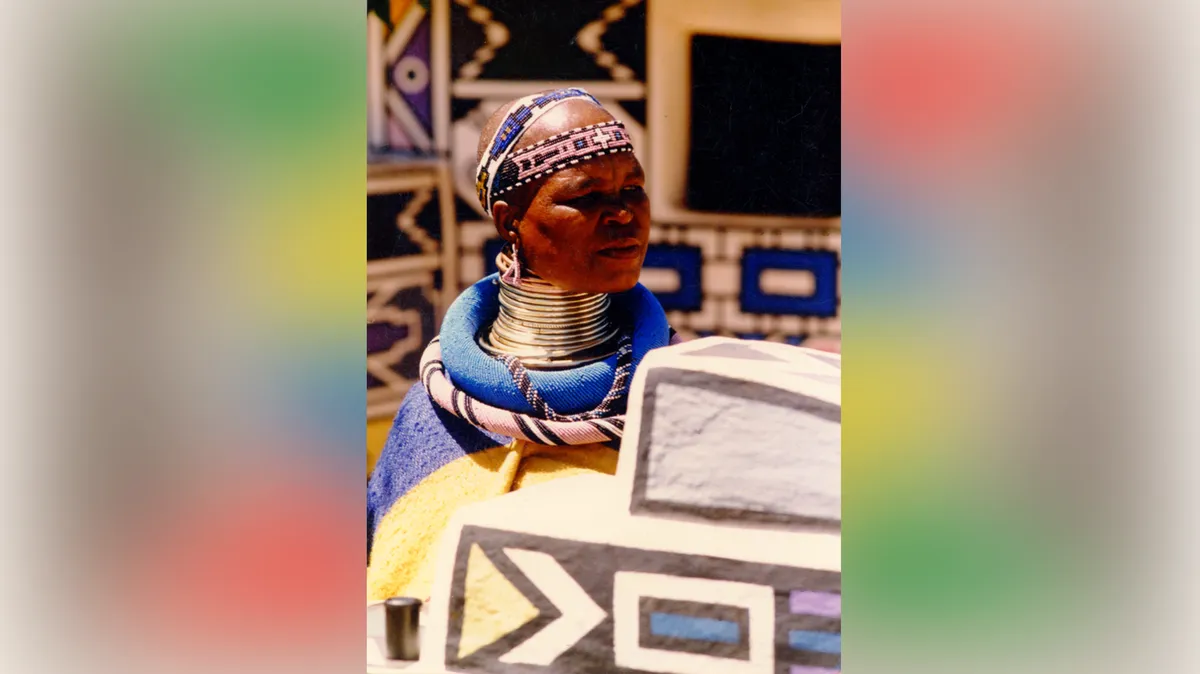
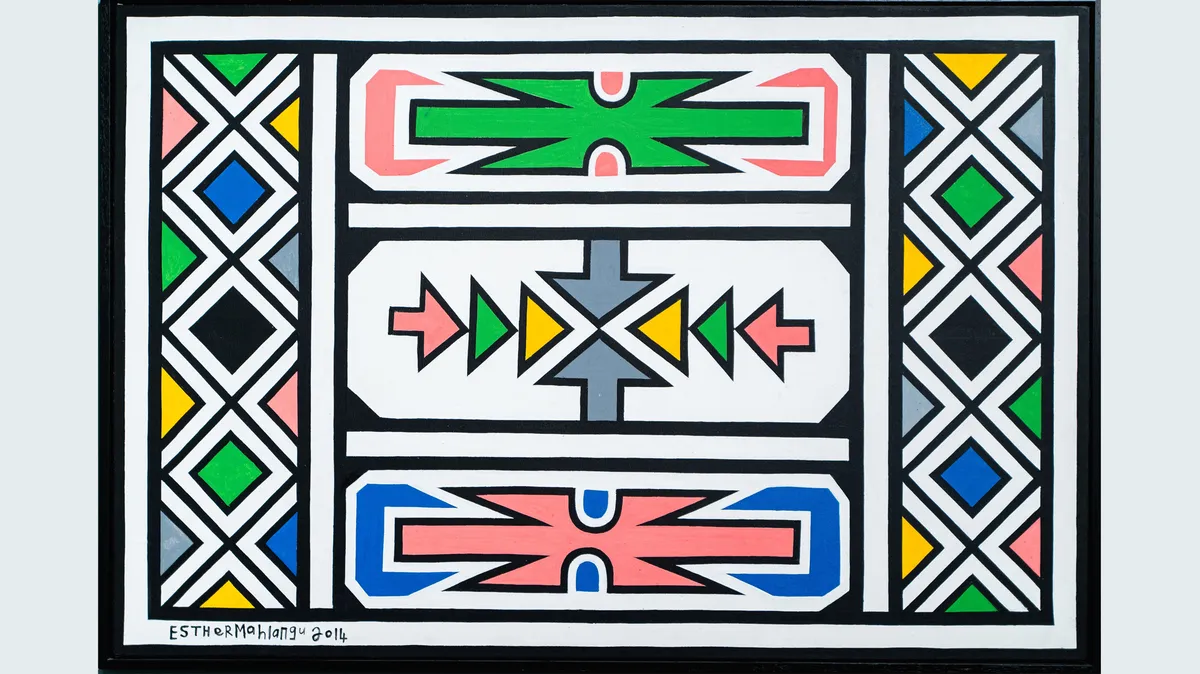
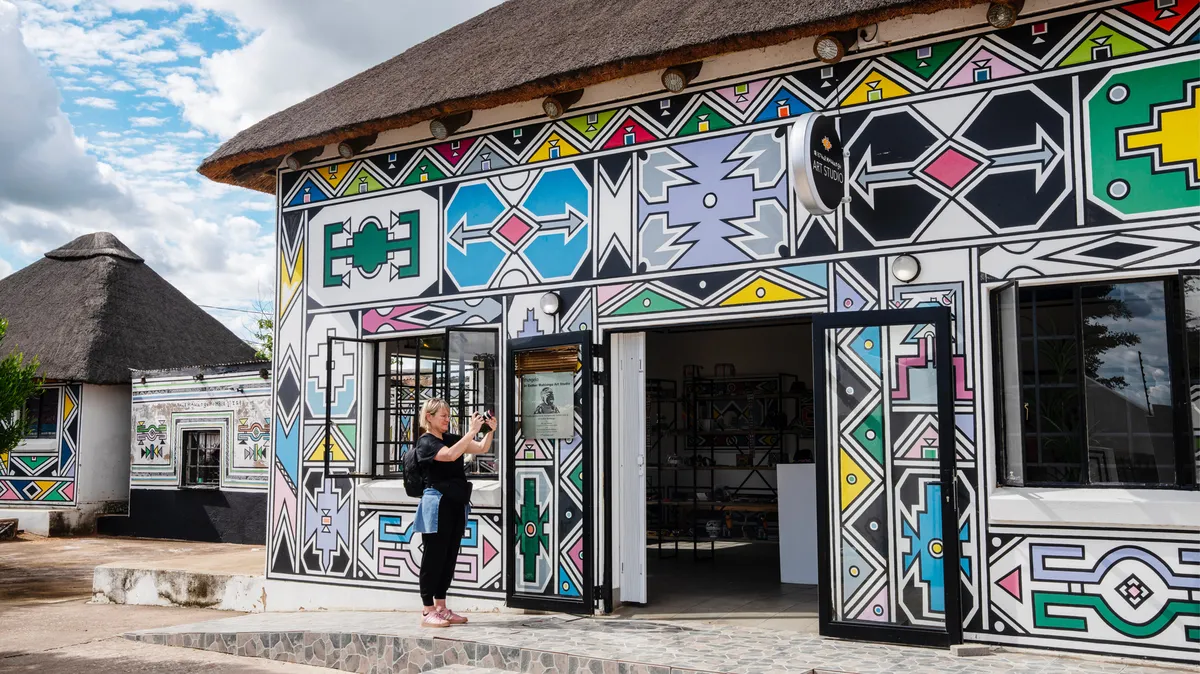
Born in 1935 in Middelburg, Mpumalanga, Esther Nikwambi Mahlangu began her artistic journey at the age of ten. Under the guidance of her mother and grandmother, she learned the traditional Ndebele technique of wall painting, a practice historically reserved for women to communicate social status and announce major life events within the community. The Ndebele style is characterized by its vibrant, large-scale geometric patterns, typically outlined in black and filled with bold, flat colors.
For much of the mid-20th century, Mahlangu’s work was confined to the domestic sphere of the Ndebele nation. However, her inherent talent and desire to innovate led her to experiment with materials. While traditional murals were created using natural pigments and cow dung, Mahlangu was among the first to transition to acrylic paints and modern canvases, allowing her work to become portable and permanent. This transition was not merely a change in medium; it was a revolutionary step that allowed Ndebele geometry to migrate from the walls of a homestead to the galleries of the world.
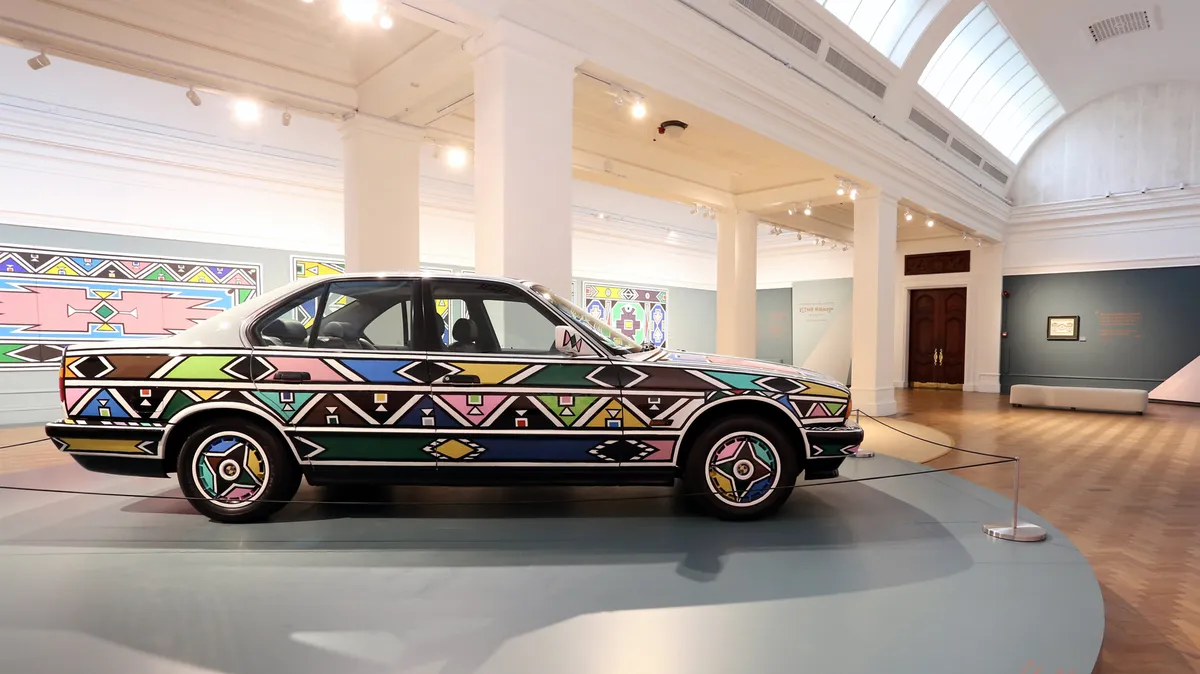
The retrospective highlights this evolution through a rich collection of rare archival materials. It tracks her trajectory from a local practitioner to a global icon who, in 1991, became the first woman and the first African artist to commission a BMW Art Car. Her work on the BMW 525i placed her in the company of legends like Andy Warhol and Roy Lichtenstein, signaling a shift in how African traditional art was perceived by the Western canon.
Bridging the Archival Gap with Generative AI
One of the most technically ambitious aspects of this retrospective is the "Synthetic Memories" initiative. Curators and researchers faced a significant challenge: there were virtually no photographs or film recordings of Mahlangu’s work or life before 1980. To document this missing period, Google Arts & Culture Lab partnered with Google DeepMind and the research studio Domestic Data Streamers.
The process involved extensive interviews with Dr. Mahlangu, where she recounted specific, vivid memories of her youth. One such memory involves the moment she discovered her talent at age ten, sneaking away to paint while the elders were away, using feathers as brushes because she was not yet permitted to use professional tools.
Using these oral testimonies as source material, the team utilized "Veo," Google’s advanced video generation model, to turn still images based on her recollections into moving vignettes. This methodology does not aim to replace historical fact but rather to visualize oral history in a way that resonates with contemporary audiences. By seeing a visual representation of a young Esther painting with feathers, viewers gain a deeper emotional understanding of her pioneering spirit. This use of AI marks a new frontier in curatorial practice, where technology acts as a medium for restorative justice by documenting histories that were ignored by colonial-era archives.
A Global Collaboration of Institutions
The scale of the "Then I Knew I Was Good at Painting" retrospective is supported by a coalition of world-renowned institutions. The archive features contributions from:
- Iziko Museums of South Africa: Providing context on the regional importance of Ndebele heritage.
- The British Museum: Offering a look at how African art has been curated and interpreted internationally.
- The Jean Pigozzi Collection: Featuring some of the most significant contemporary African artworks ever collected.
- The National Museum of Women in the Arts: Highlighting Mahlangu’s role as a trailblazer for female artists globally.
- Serpentine Galleries: Showcasing her influence on modern urban aesthetics.
These partnerships have allowed for the creation of over 45 digital exhibitions that explore various facets of her career. Beyond her paintings, the retrospective includes Street View captures of the Esther Mahlangu Homestead and her art studio in Mhluzi, Mpumalanga. This allows users from anywhere in the world to virtually walk through the environment that continues to inspire her work, democratizing access to a site of immense cultural significance.
Official Responses and Cultural Impact
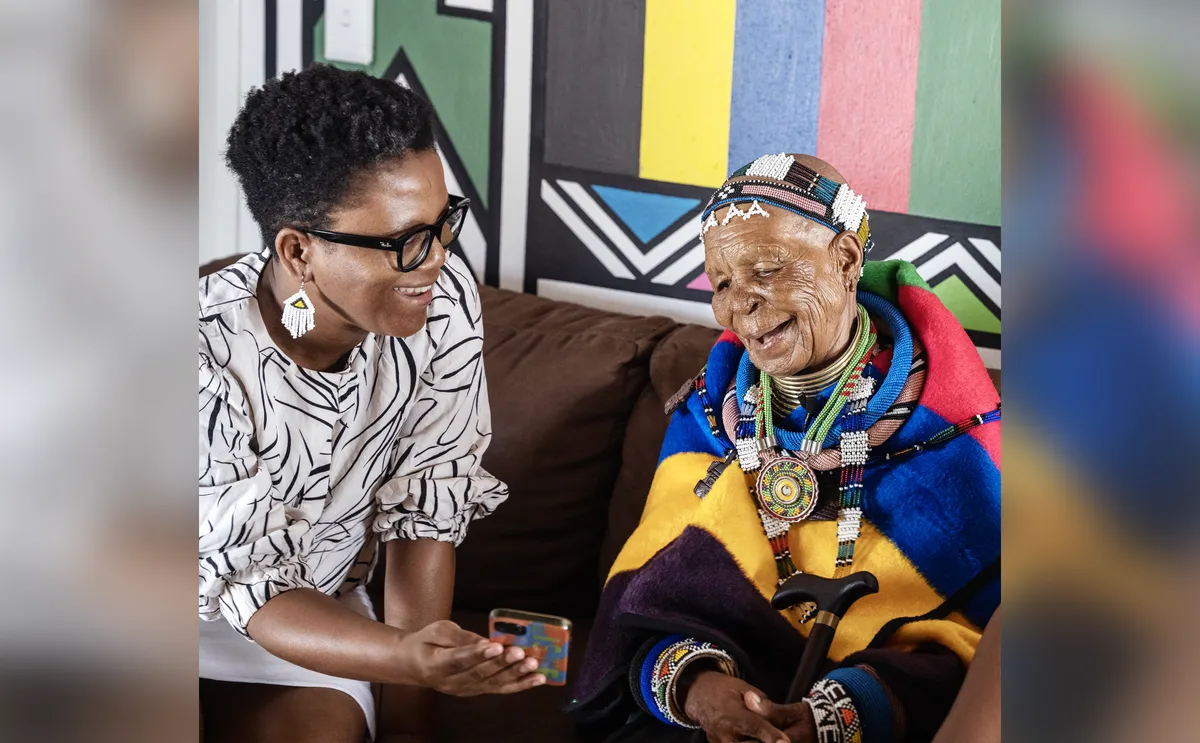
The launch of the retrospective has been met with praise from both the academic and tech communities. Dr. Nontobeko Ntombela, the lead curator, emphasized that the project is the culmination of years of research. "My goal has always been to present a comprehensive exploration of her life and work, contributing to my long-standing research on South African women artists who have made an impact on the arts since the early 20th century," Ntombela stated. She noted that the AI collaboration was essential in "documenting a missing period of Mam’ Esther’s history," ensuring that her full story is finally told.
Amit Sood, Vice President of Google Arts & Culture, remarked on the importance of global accessibility. "We’re honored to help celebrate Dr. Esther Mahlangu’s legacy by making her work globally accessible online, offering younger generations everywhere the chance to explore Ndebele heritage and be inspired by her pioneering vision," Sood said.
For Dr. Mahlangu herself, the project represents the fulfillment of a lifelong wish. In a statement released through the platform, she expressed her gratitude: "Thank you to Google Arts & Culture for sharing my story, artwork, and the culture of the Ndebele nation with the world. It has always been my wish to ensure that the art and culture of my Nation lives on for those who follow."
Analysis of Implications for Digital Preservation
The Esther Mahlangu retrospective sets a precedent for how the "Global South" can utilize digital platforms to reclaim and preserve its heritage. Historically, many African artists have been marginalized in digital archives due to a lack of physical documentation from the pre-digital era. By employing AI to reconstruct these narratives, this project offers a blueprint for other cultures whose histories may have been lost to time, conflict, or neglect.
Furthermore, the project challenges the traditional definition of a "retrospective." While a physical museum show is limited by space and time, this digital archive is infinite and permanent. It allows for a multi-layered narrative that combines high-resolution imagery of artworks with personal anecdotes, geographical data, and technological reconstructions. This "hybrid" approach to curation ensures that Dr. Mahlangu is recognized not just as a "traditional" artist, but as a pivotal voice in global contemporary art.
The implications for education are equally profound. The archive serves as a free, high-quality resource for students and researchers worldwide, breaking down the financial and geographical barriers that often prevent the study of African art history. As the Ndebele nation continues to navigate the complexities of the 21st century, this digital repository ensures that the geometric language of their ancestors remains vibrant and relevant.
Conclusion: A Legacy Secured
As Dr. Esther Mahlangu enters her tenth decade, her influence shows no signs of waning. From the walls of small villages in South Africa to the facades of skyscrapers and the bodies of luxury vehicles, her patterns have become a universal shorthand for resilience and creative excellence.
The Google Arts & Culture retrospective "Then I Knew I Was Good at Painting" is more than just a birthday celebration; it is a rigorous academic and technological tribute to a woman who refused to let her culture be forgotten. By inviting the world to experience her art and legacy through this immersive digital experience, the project ensures that Dr. Mahlangu’s artistic vision will continue to inspire, educate, and provoke thought for generations to come. The exhibition is now live and accessible to the public at goo.gle/esther-mahlangu, standing as a testament to the power of memory, the precision of tradition, and the possibilities of the digital future.
