


Curriculum Night, a cornerstone event in the academic calendar, presents a critical opportunity for Speech-Language Pathologists (SLPs) to forge vital connections with parents, demystify the complexities of speech and language therapy, and underscore their indispensable role within the broader educational framework. This evening, traditionally focused on classroom teachers introducing academic curricula, extends its significance to related service providers who support students with diverse learning needs, offering a unique platform for specialized communication and collaboration. The strategic engagement of SLPs during this event is not merely an optional add-on but a fundamental component of fostering a holistic, supportive learning environment that maximizes student outcomes and strengthens the home-school partnership.
Understanding the Educational Landscape of Curriculum Night
Curriculum Night, also widely known as Open House or Back-to-School Night, serves as an annual occasion for parents to immerse themselves in their child’s educational world. It typically involves visiting classrooms, meeting educators, and gaining insights into the academic objectives, teaching methodologies, and expectations for the upcoming school year. For many parents, it is their first formal interaction with the school community outside of enrollment, setting the tone for their involvement. Historically, these events have focused heavily on core academic subjects. However, with the increasing recognition of comprehensive student support, special education and related services, including speech-language pathology, have become integral components.
In special education programs, particularly at the preschool level, Curriculum Night often takes a more structured approach, allowing parents to choose informational sessions tailored to their child’s specific needs. Topics might range from behavioral strategies and sensory integration to fine motor skill development and, critically, communication. This segmented approach, as observed in successful models, enables targeted information delivery and facilitates more meaningful interactions between specialists and families. The shift toward inclusive educational practices has underscored the necessity for all support staff, including SLPs, to actively participate, ensuring that parents of children with communication disorders receive equally comprehensive information and support.

The Pivotal Role of Speech-Language Pathologists in Education
Speech-Language Pathologists are healthcare professionals who specialize in the prevention, diagnosis, and treatment of communication and swallowing disorders. In an educational setting, their scope of practice is broad, addressing articulation, fluency, voice, receptive and expressive language, pragmatics (social communication), and often literacy development and augmentative and alternative communication (AAC). According to the American Speech-Language-Hearing Association (ASHA), school-based SLPs are integral to the educational success of students with communication disorders, impacting their ability to learn, socialize, and participate fully in the curriculum.
Despite their crucial contributions, the specific functions of SLPs can sometimes be misunderstood by parents and even other educators. Unlike classroom teachers whose roles are immediately apparent, an SLP’s work might occur in small group sessions, individual pull-out therapy, or integrated within classroom activities, making their direct impact less visible to parents. Curriculum Night thus becomes a vital opportunity to illuminate these often-unseen efforts and articulate the direct correlation between effective communication skills and overall academic achievement.
Data-Driven Importance of Parent Engagement
Research consistently demonstrates a strong positive correlation between parent involvement in education and improved student outcomes, particularly for children with special needs. A study published in the Journal of Educational Psychology highlighted that parental engagement leads to higher academic achievement, better social-emotional development, and reduced behavioral problems. For students receiving speech-language services, this engagement is even more critical. Children spend the majority of their time outside the school environment, and consistent reinforcement of therapeutic strategies at home can significantly accelerate progress.

When parents are informed about their child’s communication goals and equipped with practical strategies, they become active partners in the therapeutic process. This collaborative model, often referred to as a "home-school connection," extends the reach of therapy beyond the school walls. Furthermore, early and informed parental involvement can lead to earlier identification of communication challenges, facilitating timely intervention—a factor known to significantly improve long-term prognoses for many speech and language disorders. Data from the Centers for Disease Control and Prevention (CDC) indicates that approximately 1 in 12 (7.7%) U.S. children aged 3-17 years have a disorder of voice, speech, language, or swallowing, underscoring the widespread need for effective SLP services and parent partnership.
Strategic Framework for SLP Curriculum Night Engagement
To maximize the impact of Curriculum Night, SLPs should adopt a structured and thoughtful approach, focusing on clarity, practicality, and collaboration. The following five strategic pillars form a comprehensive framework for success:
1. Cultivating a Relevant and Engaging Topic
The foundation of a successful Curriculum Night presentation lies in selecting a topic that genuinely resonates with parents’ concerns and interests regarding their child’s speech and language development. This requires moving beyond a generic overview of speech therapy to addressing specific, prevalent issues. Instead of merely stating "what we do," the topic should answer the question, "How can you help your child succeed in communication?"
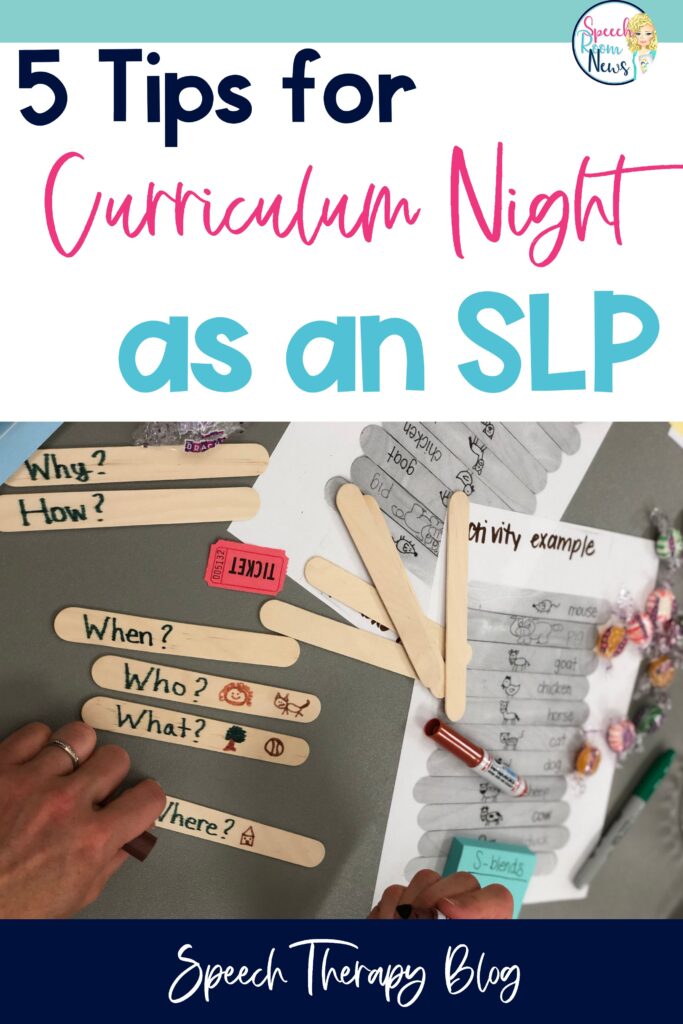
Effective topic selection often involves a preliminary assessment of common parent questions, observed developmental trends within the student population, or frequently encountered challenges in the therapy room. For instance, if many students are struggling with early literacy skills, a presentation on "Fostering Early Reading Skills Through Language Play" would be highly pertinent. Other impactful topics might include:
- Understanding Communication Milestones: Providing clear, age-appropriate guidelines on what to expect at different developmental stages can alleviate anxiety and help parents identify potential areas of concern.
- Effective Home Practice Strategies: Offering tangible, easy-to-implement activities that parents can integrate into daily routines (e.g., "Language-Rich Mealtimes" or "Storytelling for Speech Development").
- Demystifying Augmentative and Alternative Communication (AAC): For parents of children using AAC devices, a session on understanding and supporting their child’s communication system can be invaluable.
- Social Communication Skills for School Success: Addressing pragmatic language and social interaction strategies, particularly relevant for children on the autism spectrum or those with social communication disorder.
- The Link Between Language and Literacy: Explaining how strong oral language skills form the bedrock for reading and writing, and how parents can support this connection.
The objective is to empower parents with knowledge and actionable steps, demonstrating that the SLP is not just a therapist but a resource and partner in their child’s comprehensive development.
2. Addressing Real Parental Problems with Practical Solutions
A truly impactful Curriculum Night presentation transcends theoretical explanations, focusing instead on alleviating the tangible challenges and anxieties parents face. This involves active listening to their unspoken questions and offering practical, implementable solutions. Parents arrive seeking guidance on how to navigate their child’s communication difficulties, improve their academic performance, foster social connections, and prepare them for future success.
For example, a parent concerned about their child’s limited vocabulary might benefit from specific strategies for expanding word usage during play, rather than a lecture on linguistic theory. A parent worried about their child’s difficulty making friends due to communication barriers would appreciate tips on structuring social interactions or practicing conversational turn-taking at home. The "Solve REAL Problems" approach builds immediate trust and relevance. It positions the SLP as an empathetic expert who understands the daily realities of raising a child with communication needs. Providing concrete, "take-home" action steps ensures that parents leave feeling more capable and less overwhelmed, transforming passive attendance into active empowerment. This problem-solution framework underscores the tangible benefits of speech-language therapy and reinforces the SLP’s role as a vital partner in the child’s developmental journey.
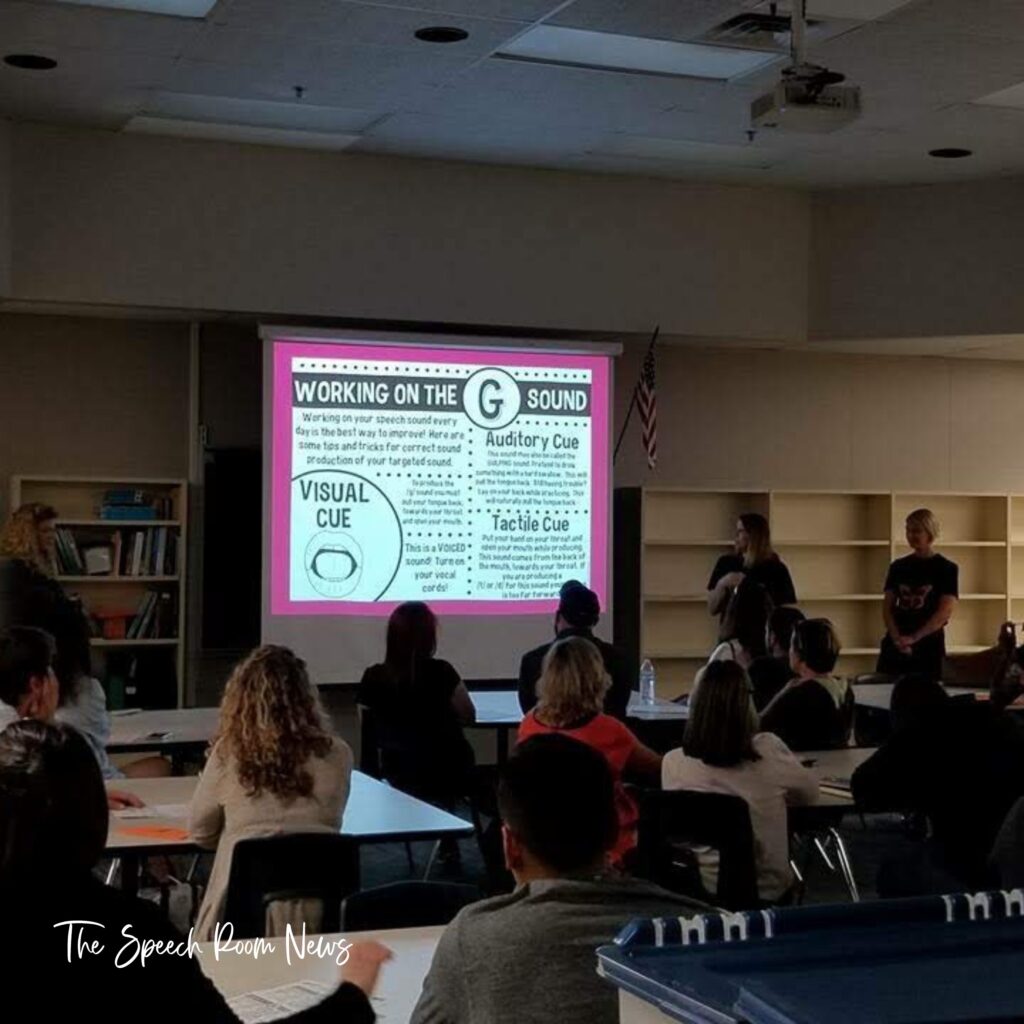
3. Employing Parent-Friendly Language: Bridging the Jargon Gap
The specialized nature of speech-language pathology often involves technical terminology and acronyms that can be alienating and confusing to those outside the profession. Terms like "phonological processes," "pragmatic language deficits," "dysarthria," or "IEP goals" are commonplace for SLPs but can create significant barriers to parental understanding. The imperative, therefore, is to translate complex clinical concepts into accessible, everyday language.
Adopting the "explain it to a fifth grader" philosophy is a highly effective communication strategy. This means avoiding jargon entirely or, when absolutely necessary, providing clear, concise explanations immediately. For instance, instead of "The child exhibits difficulties with velar fronting," an SLP might say, "Your child is having trouble making ‘k’ and ‘g’ sounds, often replacing them with ‘t’ and ‘d’ sounds." This simplification fosters comprehension, reduces feelings of intimidation, and encourages parents to ask questions without fear of appearing unknowledgey. It builds a foundation of trust and respect, ensuring that parents feel valued as active participants rather than passive recipients of information. Clear communication also respects the diverse educational backgrounds and linguistic capabilities of families, promoting inclusivity.
4. Incorporating Interactive "Make and Take" Activities
Engagement is significantly enhanced when parents can actively participate in the learning process. An interactive "Make and Take" activity transforms a presentation from a passive information dump into a dynamic, memorable experience. This hands-on approach provides parents with practical, tangible tools they can immediately utilize to support their child’s communication development at home.
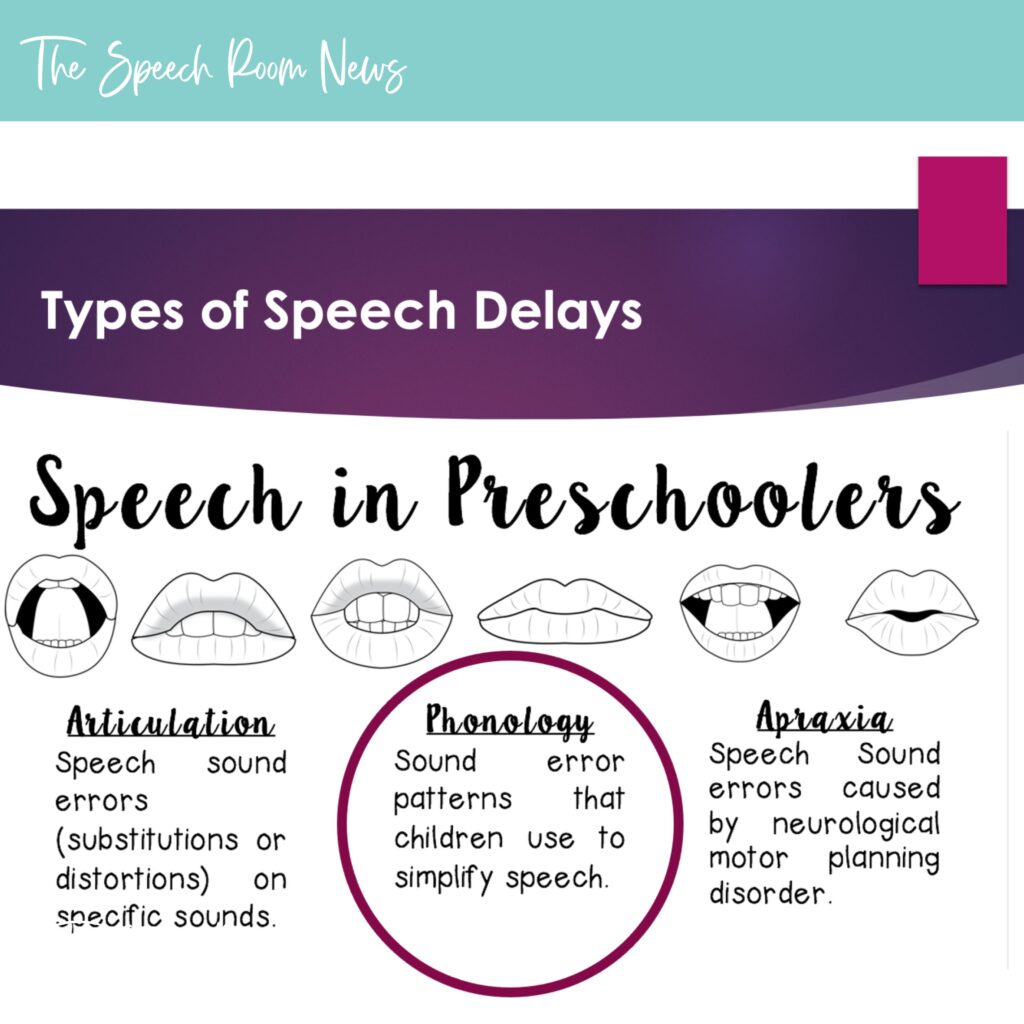
Examples of effective "Make and Take" activities include:
- Simple Communication Boards: For children with emerging language skills or those using AAC, parents can create personalized visual schedules or choice boards using provided templates and images.
- Articulation Practice Cards: Parents can assemble flashcards for target sounds, perhaps decorating them, to make home practice more engaging.
- Language Game Templates: Providing materials to create simple board games or matching cards focused on vocabulary, grammar, or question-answering skills.
- Social Story Starters: Helping parents outline and begin personalized social stories to address specific social challenges their child might face.
The act of creating these resources empowers parents, reinforcing their active role in the therapeutic process. It also ensures they leave not just with knowledge, but with a concrete resource, increasing the likelihood of follow-through at home. This type of activity fosters a deeper understanding of the strategies, making them more likely to be implemented effectively.
5. Providing Informative Handouts for Sustained Reference
Even the most engaging presentation can be forgotten amidst the deluge of information parents receive on Curriculum Night. Therefore, providing comprehensive, well-designed handouts is a simple yet powerful strategy to ensure the discussion’s longevity and impact. These handouts serve as a critical reference guide, allowing parents to revisit key concepts, strategies, and resources long after the event concludes.
Effective handouts should include:
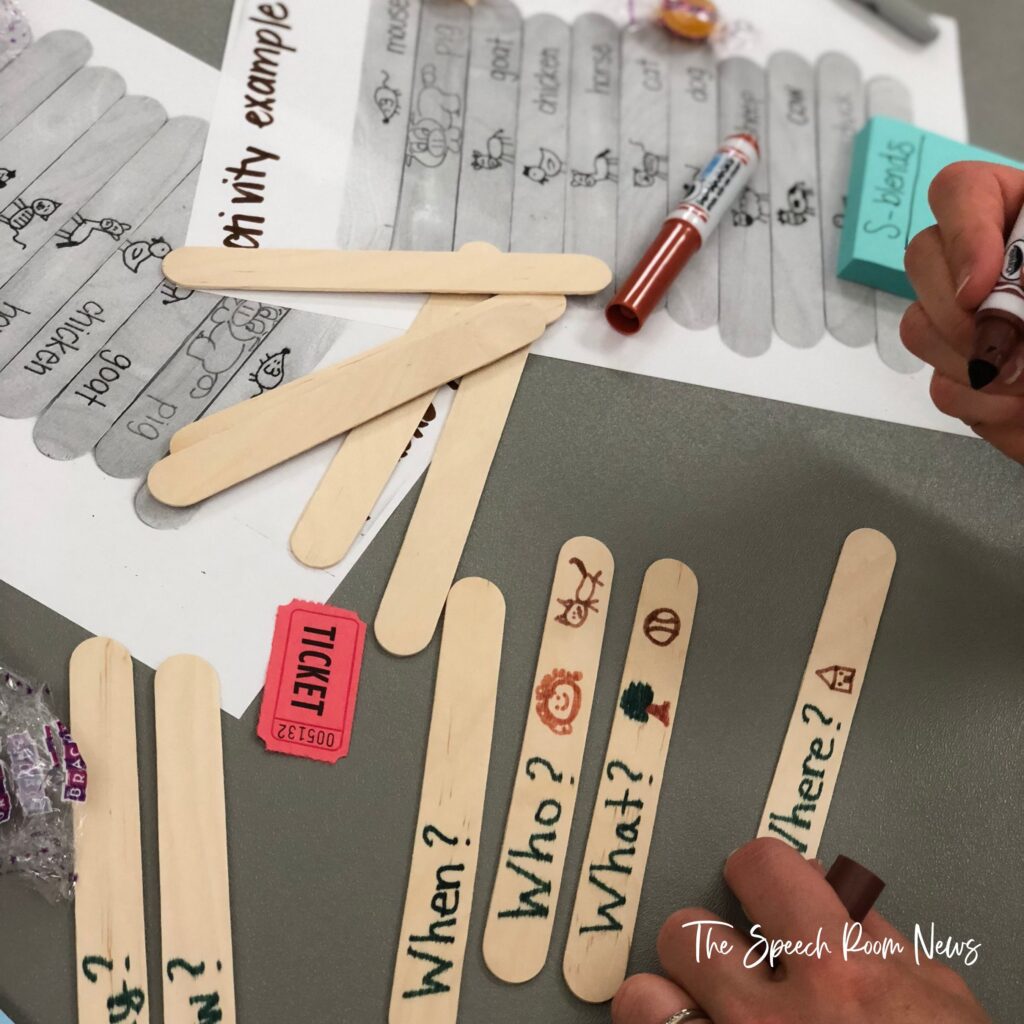
- Summary of Key Points: A concise recap of the presentation’s main takeaways.
- Practical Strategies and Tips: Detailed instructions for implementing the discussed home practice activities or communication techniques.
- Relevant Resources: Links to reputable websites (e.g., ASHA, Reading Rockets, local early intervention programs), recommended books, or apps that can further support communication development.
- Contact Information: Clear details on how to reach the SLP for follow-up questions or concerns, fostering ongoing communication.
- Frequently Asked Questions (FAQs): Addressing common queries parents might have.
Handouts are particularly valuable for parents who may have missed certain details during the presentation, those who prefer to process information at their own pace, or those who wish to share the information with other family members or caregivers. They demonstrate the SLP’s commitment to ongoing support and provide a tangible bridge between the school and the home, reinforcing the message that the journey of communication development is a shared responsibility. Many pre-designed, comprehensive parent handouts are available through professional resources and online platforms like TeachersPayTeachers, streamlining this preparation for busy SLPs.
Broader Implications and Future Outlook
Successful SLP engagement during Curriculum Night extends beyond individual student progress, contributing significantly to the broader school community. It elevates the profile of speech-language pathology within the educational system, fostering greater understanding and appreciation among administrators, teachers, and parents alike. This enhanced visibility can lead to improved interdisciplinary collaboration, better resource allocation for special education services, and a more inclusive school culture.
Challenges remain, including managing time constraints, ensuring adequate parent attendance, and addressing the diverse linguistic and cultural backgrounds of families. Future trends may see an increase in hybrid or fully virtual Curriculum Nights, offering greater accessibility and flexibility for parents. Leveraging technology for interactive presentations, digital handouts, and follow-up communication will become increasingly vital.
Ultimately, Curriculum Night represents a strategic investment in the home-school partnership. By adopting these five essential strategies—cultivating relevant topics, solving real problems, employing parent-friendly language, facilitating interactive activities, and providing informative handouts—Speech-Language Pathologists can transform this annual event into a powerful catalyst for improved student communication, enhanced parental empowerment, and a more connected, supportive educational ecosystem. The SLP’s role is not just to teach children to speak, but to empower families to be their child’s most effective communication champions.
