

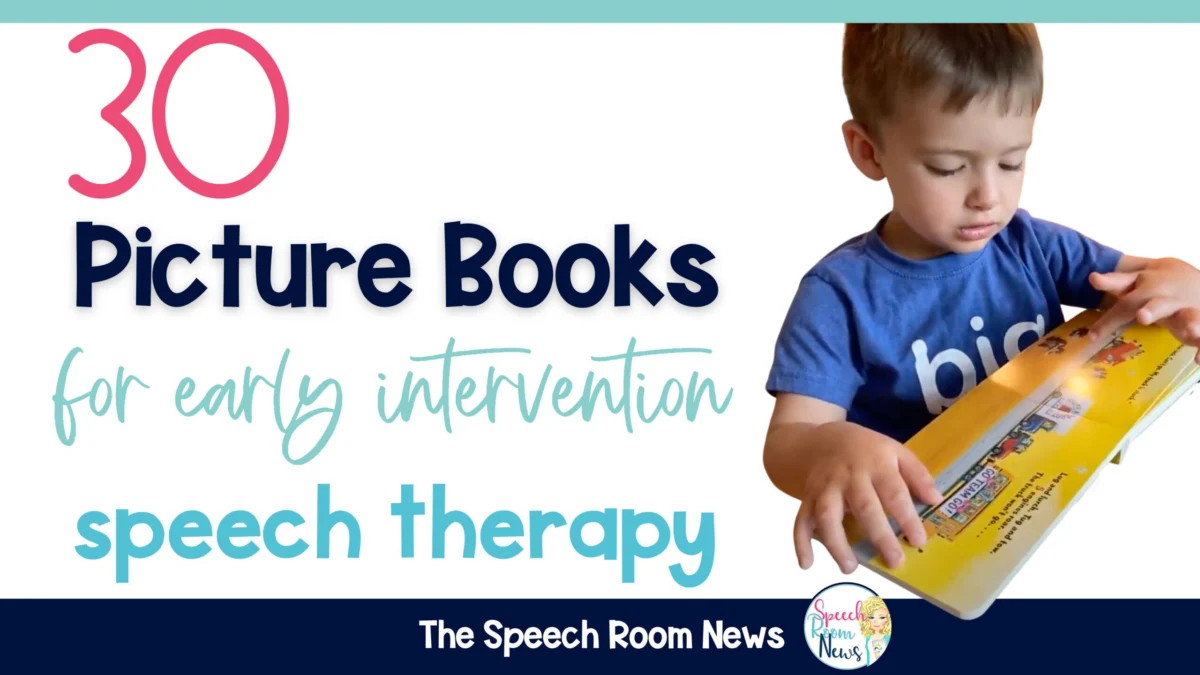
Picture books serve as invaluable resources in early intervention (EI) speech therapy, profoundly supporting language development and enhancing communication skills in young children. Their strategic incorporation can significantly boost language acquisition, refine communication abilities, and cultivate an engaging learning environment crucial for children exhibiting speech and language delays. This article explores the multifaceted benefits of integrating picture books into therapeutic practices, detailing their impact on various developmental domains and outlining characteristics that make them particularly effective for early intervention.
Understanding Early Intervention Speech Therapy (EIST)

Early intervention in speech therapy represents a proactive and critical approach to addressing speech and language difficulties identified in young children, typically from birth to three years of age. This period is characterized by rapid neurological development and heightened neuroplasticity, making it an optimal window for therapeutic interventions. The primary objective of EIST is to support and enhance a child’s communication skills during these formative years, thereby maximizing their developmental potential.
Speech-Language Pathologists (SLPs) play a pivotal role in EIST, working with infants and toddlers who may exhibit delays or disorders in areas such as articulation, receptive language (understanding), expressive language (speaking), social communication, and feeding/swallowing. The timely recognition of these challenges is paramount, as early intervention has been consistently shown to lead to improved long-term speech and language outcomes. For instance, according to the Centers for Disease Control and Prevention (CDC), approximately one in six children aged 3–17 years in the United States has one or more developmental disabilities, with communication disorders being a significant subset. Early identification and subsequent intervention can significantly mitigate the impact of these delays, preventing them from escalating into more complex issues later in life.
A hallmark of EIST is its family-centered approach. SLPs collaborate extensively with parents and caregivers, developing individualized treatment plans that are seamlessly integrated into daily routines. This partnership ensures that therapeutic strategies extend beyond clinic walls, empowering families to become active facilitators of their child’s communication growth in natural, meaningful contexts.
The Foundational Power of Books in Speech and Language Development
Books are powerful pedagogical tools in speech and language therapy, offering a wealth of benefits for children undergoing intervention. Incorporating picture books into therapy sessions not only fosters language development and improves communication skills but also creates a rich, interactive, and engaging learning experience. Beyond the immediate therapeutic goals, books lay a critical foundation for lifelong learning and literacy.
- Promoting Language and Vocabulary Development: Books expose children to a rich tapestry of words, expanding their receptive and expressive vocabulary and enhancing overall language comprehension. Through reading aloud, SLPs can introduce new words, reinforce concepts, and encourage children to use new vocabulary in context. The visual support in picture books often clarifies the meaning of unfamiliar words, making abstract concepts more concrete for young learners.
- Enhancing Storytelling and Narrative Skills: Engaging with books naturally nurtures storytelling abilities and narrative skills. As children follow plots and characters, they begin to grasp fundamental story structures, sequencing of events, and cause-and-effect relationships. These components are essential for coherent communication, allowing children to recount experiences, share ideas, and participate effectively in conversations. Repetitive stories, in particular, help children anticipate events and practice retelling, strengthening their narrative frameworks.
- Stimulating Imagination and Creativity: Books transport children to imaginative worlds, fostering creativity, critical thinking, and problem-solving skills. They encourage children to visualize and describe scenes, characters, and events, thereby promoting expressive language and descriptive skills. This imaginative play often extends beyond the reading session, allowing children to internalize and expand upon the language presented in the book.
- Fostering Joint Attention and Engagement: Picture books are excellent tools for developing joint attention, which is the shared focus between a child and another person on an object or event. During shared reading, the child and SLP or caregiver can focus together on the illustrations, characters, and text, creating opportunities for sustained engagement, turn-taking, and reciprocal communication. This shared experience is fundamental for early social communication development.
- Promoting Pre-Literacy Skills: Beyond direct language acquisition, books are crucial for developing pre-literacy skills. Children learn about print awareness (e.g., understanding that print carries meaning, recognizing letters), phonological awareness (e.g., rhyming, alliteration, identifying sounds in words), and the directionality of reading. These foundational skills are strong predictors of future reading success.
- Developing Social-Emotional Understanding: Stories often feature characters experiencing various emotions and navigating social situations. This provides a safe context for children to learn about different feelings, understand social cues, and develop empathy. SLPs can use these scenarios to discuss emotions, predict outcomes, and explore appropriate social responses, enhancing a child’s social communication competence.
- Enhancing Auditory Processing and Comprehension: The act of listening to a story helps children develop crucial auditory processing skills. They learn to attend to spoken language, follow a narrative, and comprehend information presented orally. This is particularly important for children with auditory processing difficulties, as repeated exposure in an engaging format can support their development.
- Modeling Articulation and Fluency: For children with articulation challenges, books provide a natural context for SLPs to model clear speech and appropriate intonation. Repetitive phrases in books offer opportunities to practice specific sounds or word patterns, while engaging narratives can reduce pressure, allowing children to practice speech in a more relaxed and motivating setting.
Strategic Selection: Characteristics of Effective Picture Books for EIST
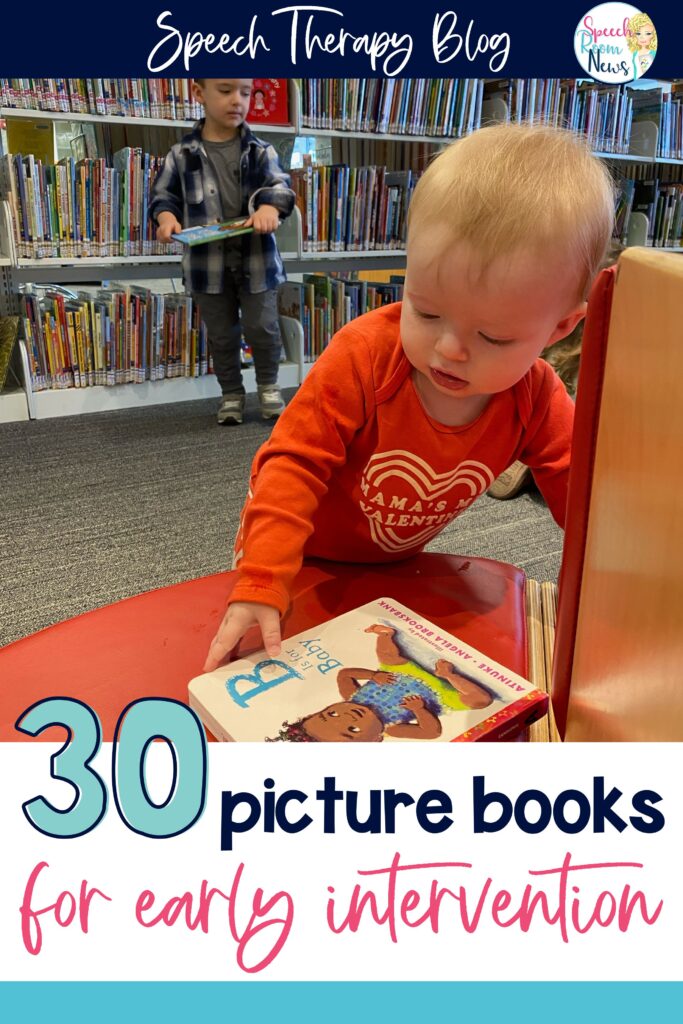
The careful selection of picture books is critical to maximizing their therapeutic impact in early intervention. Each book should be chosen with specific speech and language goals in mind, tailored to the individual needs and developmental stage of the child.
- Targeting Specific Goals: SLPs meticulously select books to address particular objectives. For a child working on requesting, books with predictable patterns and opportunities to ask for "more" or "turn the page" are ideal. For vocabulary expansion, books with clear illustrations of target words or concepts are chosen. Books featuring repetitive sounds or alliterative phrases can target specific phonological goals.
- Age Appropriateness: The content and complexity of the book must align with the child’s cognitive and linguistic developmental level. For very young children (0-18 months), simple board books with high-contrast images and single words are effective. As children approach two to three years, books with simple narratives, repetitive phrases, and clear plotlines become more suitable.
- Visual Engagement: Clear, uncluttered, and engaging illustrations are paramount. For young children, who are primarily visual learners, strong visual cues support comprehension and engagement, helping them to connect words with images and understand the story even before they fully grasp the verbal narrative.
- Repetitive Text and Predictable Structures: Books with repetitive phrases or predictable narrative structures are highly beneficial. They allow children to anticipate what comes next, facilitating participation, boosting confidence, and reinforcing new vocabulary and grammatical patterns. The predictability supports memory and allows children to "fill in the blanks," actively engaging in the storytelling process.
Categories of Picture Books for Early Intervention
While specific titles are often chosen based on individual child needs, certain categories of books consistently prove effective in early intervention speech therapy due to their inherent characteristics.
-
Interactive Books: These books are designed to encourage physical interaction, making them highly engaging for young children and valuable for increasing attention and promoting vocabulary development.
- Description: Interactive books include touch-and-feel elements (different textures), lift-the-flaps, peek-through holes, pop-ups, and slide-and-reveal features.
- Benefits: They provide multi-sensory experiences, which can be crucial for children who learn best through tactile exploration. They facilitate the development of fine motor skills (e.g., lifting flaps). They offer natural opportunities for requesting ("open," "more"), labeling (identifying what’s under the flap), and understanding cause-and-effect. The element of surprise often sustains attention and encourages vocalizations and expressive language.
-
Durable Books: Built to withstand the rigorous handling of young children, durable books are essential for early intervention settings where books are frequently used and explored.
- Description: This category primarily includes board books (thick cardboard pages), but also cloth books (soft, washable, often with crinkly sounds), and vinyl books (waterproof, suitable for bath time).
- Benefits: Their sturdy construction means they can endure repeated use, chewing, and accidental spills, promoting independent exploration without fear of damage. This durability allows children to engage with books on their own terms, fostering a sense of ownership and positive association with reading materials. They are also hygienic, as many are easily cleaned.
-
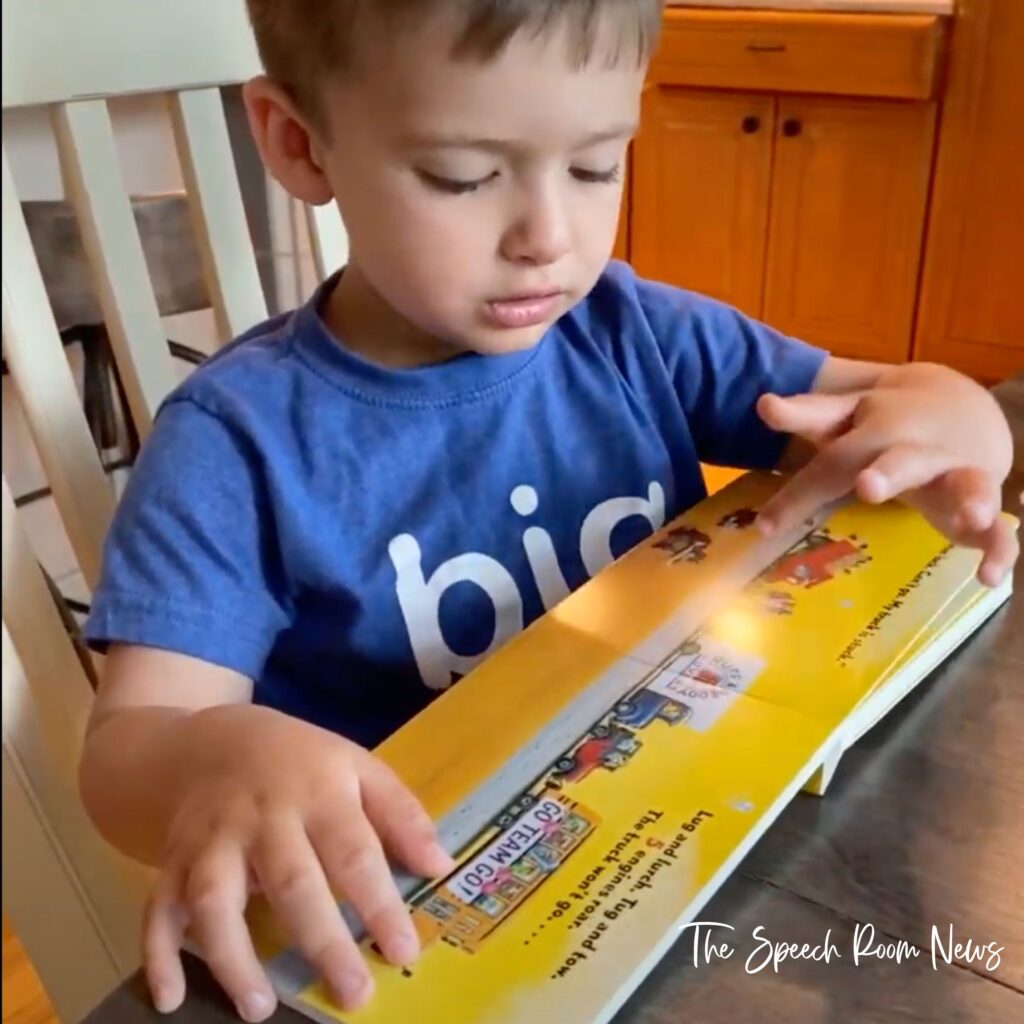
Board Books: A popular and foundational choice in early intervention speech therapy, board books combine durability with features specifically beneficial for early language acquisition.
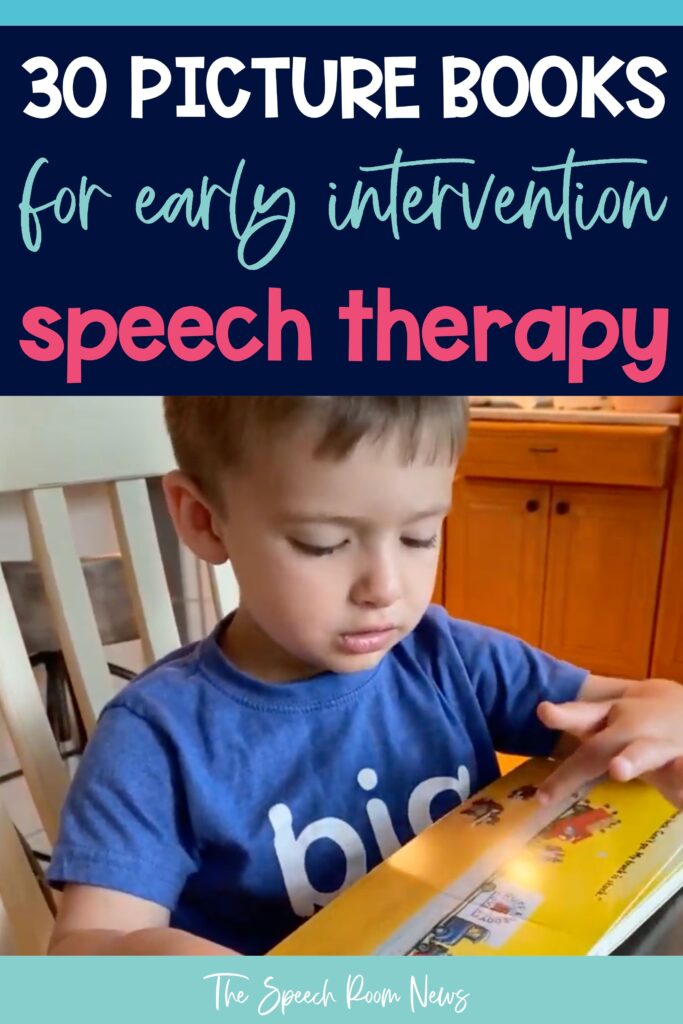
- Description: Characterized by their thick, laminated cardboard pages, board books typically feature simple, repetitive text, bold and engaging illustrations, and are often designed to incorporate songs or rhythmic elements.
- Benefits: Their robust nature makes them ideal for infants and toddlers. The repetitive text and predictable storylines are excellent for building early vocabulary, practicing sentence structures, and developing phonological awareness through rhyme and rhythm. The clear, uncluttered pictures support visual attention and aid comprehension. Many board books incorporate simple songs or chants, which are powerful tools for memory, rhythm, and intonation development. They encourage active participation, as children quickly learn to anticipate words or actions and often "read along" by repeating familiar phrases.
Integrating Books into Therapy Sessions and Home Environments
The effectiveness of picture books in EIST is amplified when integrated thoughtfully into both therapy sessions and daily home routines.
- SLP Strategies: During sessions, SLPs employ various techniques, such as modeling (demonstrating correct speech and language), prompting (providing cues to encourage responses), expanding (rephrasing and adding to a child’s utterance), and asking open-ended questions ("What do you think happens next?"). They also use books to teach concepts like colors, shapes, numbers, and categories, linking these to the narrative.
- Parental Empowerment: A crucial aspect of EIST is coaching parents and caregivers on how to use interactive reading techniques at home. This includes teaching them to follow the child’s lead, ask engaging questions, expand on the child’s utterances, and create a joyful, pressure-free reading experience. Providing parents with specific strategies empowers them to become primary language facilitators.
- Creating a Language-Rich Environment: Encouraging daily reading routines at home fosters a language-rich environment. Even short, consistent reading sessions contribute significantly to a child’s linguistic development. This routine also establishes a positive association with books and learning.
- Beyond the Book: SLPs guide families on extending learning beyond the pages of the book. This might involve acting out scenes, discussing how characters relate to real-life experiences, or incorporating book themes into play activities, reinforcing learned concepts in diverse contexts.
Broader Implications and Long-Term Impact
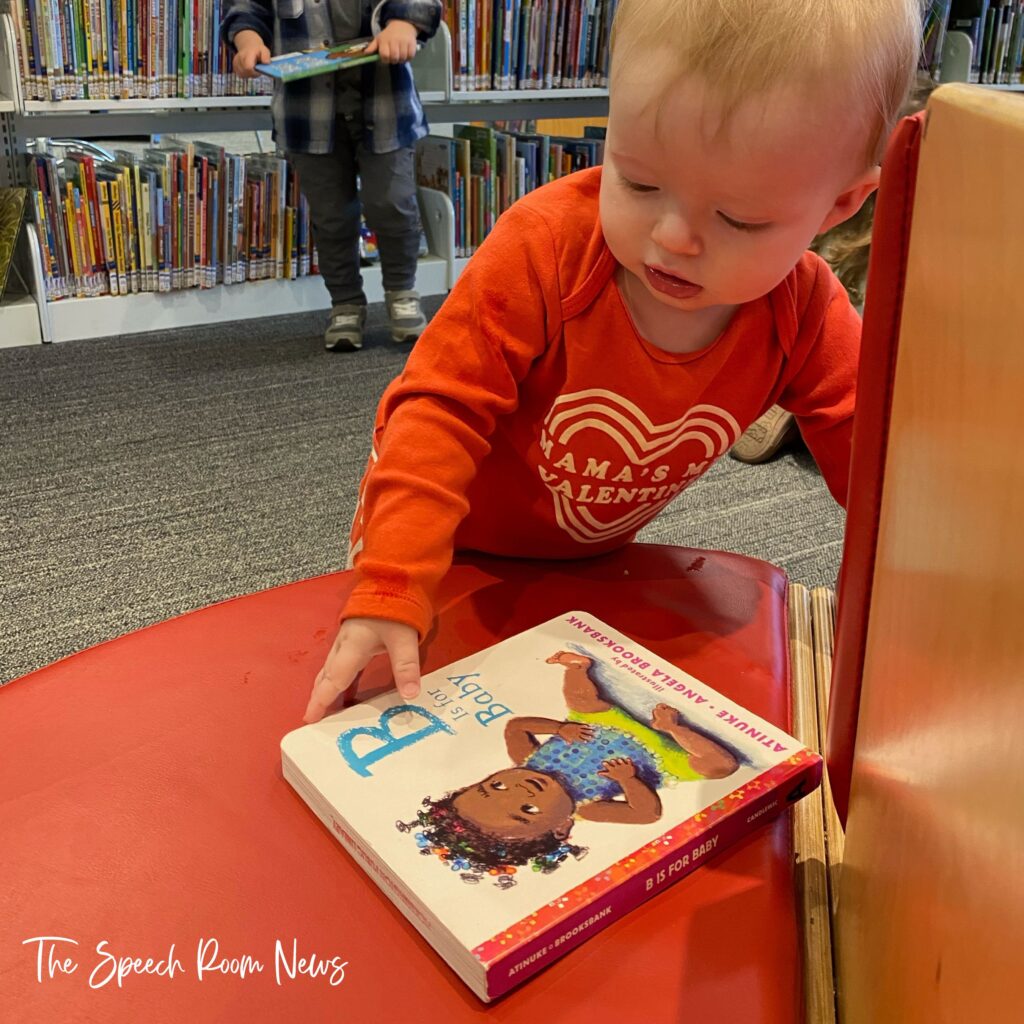
The strategic use of picture books in early intervention speech therapy carries profound implications that extend far beyond the immediate therapeutic goals, shaping a child’s developmental trajectory and future well-being.
- Bridging Developmental Gaps: Effective early intervention, significantly supported by early literacy experiences, can help bridge developmental gaps, ensuring that children with initial delays catch up to their peers. This early support is crucial for mitigating the long-term academic, social, and emotional challenges that can arise from unaddressed communication difficulties.
- Foundation for Academic Success: Research consistently demonstrates a strong correlation between early language skills and later academic achievement, particularly in reading and writing. Children who develop strong foundational language skills through early literacy exposure are better prepared for school, possess stronger emergent literacy skills, and are more likely to succeed academically.
- Social and Emotional Well-being: Enhanced communication skills directly contribute to a child’s social competence. The ability to express needs, understand others, and participate in conversations fosters better peer relationships, reduces frustration, and builds self-confidence, thereby improving overall social and emotional well-being.
- Policy and Resource Allocation: The recognized importance of early literacy in EIST underscores the need for robust policy support and adequate resource allocation. This includes funding for early intervention programs, access to diverse and high-quality book collections for therapy centers and families, and ongoing training for SLPs and caregivers in evidence-based literacy practices. Public health initiatives promoting early reading are vital components of supporting child development.
- Ongoing Research: The evolving understanding of early brain development, language acquisition, and the impact of environmental factors continues to inform and refine early intervention practices. Ongoing research further solidifies the evidence base for integrating literacy into speech therapy, guiding the development of new strategies and resources.
Conclusion: A Testament to the Power of Early Literacy
In conclusion, incorporating picture books into early intervention speech therapy sessions offers numerous and indispensable benefits for young children with communication difficulties. From expanding vocabulary and nurturing narrative skills to fostering joint attention and pre-literacy competencies, picture books are dynamic tools that engage, educate, and empower. This practice, when implemented collaboratively by dedicated Speech-Language Pathologists and actively involved families, creates a strong foundation for language growth, stimulates imagination, and instills a love for reading that extends far beyond the therapy room. The enduring legacy of fostering language development through engaging stories is a testament to the transformative power of early literacy in shaping a child’s present and future.
