

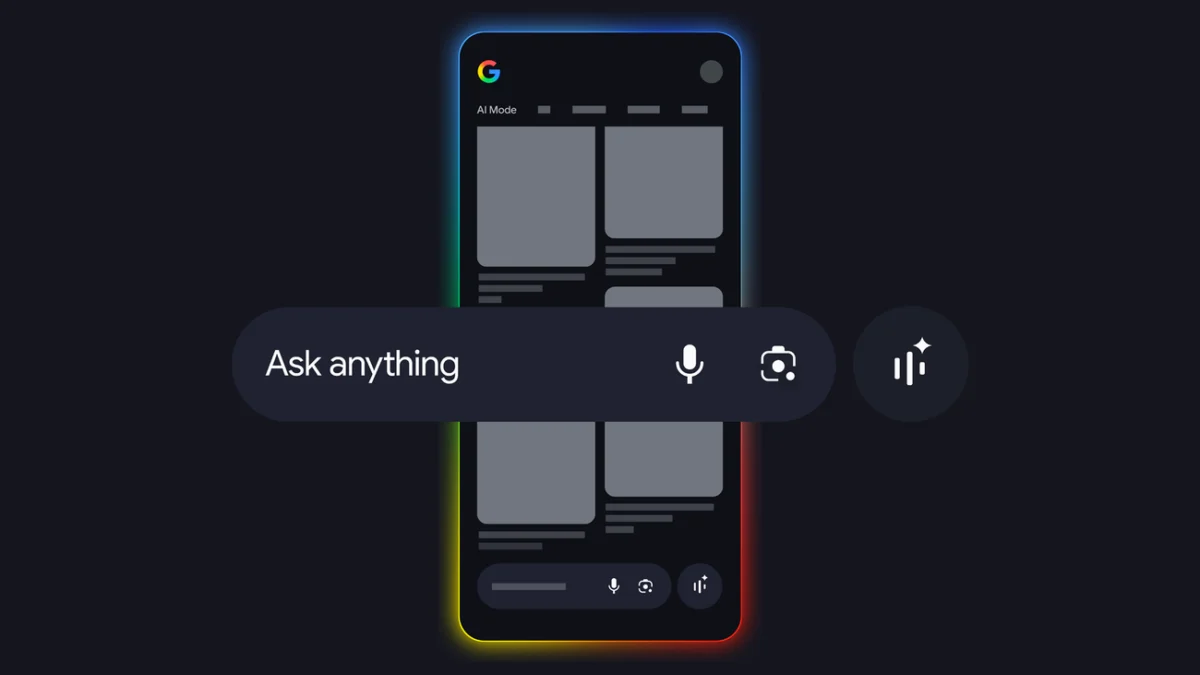
The landscape of digital discovery has undergone a fundamental transformation as Google integrates advanced multimodal artificial intelligence into its core search functionalities. In a significant update to its "Circle to Search" and "Google Lens" features, the technology giant has moved beyond the constraints of single-item identification, enabling a sophisticated multi-object reasoning system that can analyze and categorize an entire visual scene simultaneously. This evolution marks a shift from reactive identification—answering "What is this?"—to proactive contextual understanding, effectively allowing the search engine to interpret the "why" and "how" behind a user’s visual query. By leveraging the Gemini family of models, Google is now capable of breaking down complex images, such as a fully furnished living room or a multi-layered fashion ensemble, and delivering comprehensive, categorized results for every individual component within seconds.
The Technical Framework of Multi-Object Reasoning
At the heart of this update is a departure from traditional computer vision techniques, which often relied on isolated object detection. Previously, if a user encountered an image of a styled interior, they would be required to crop the image or focus the lens on a specific lamp, then a specific chair, and subsequently a specific rug to find purchasing information or design details. The new architecture utilizes a "fan-out" technique, a parallel processing method where the AI acts as a central orchestrator.
According to Dounia Berrada, Senior Engineering Director for Search, the system functions as a dual-component entity consisting of a "brain" and a "library." The Gemini model serves as the brain, possessing the multimodal capability to "see" and interpret the spatial relationships between objects. When a user initiates a Circle to Search action on an Android device, the Gemini model performs multi-object reasoning to identify all relevant elements. It then triggers the fan-out process, executing dozens of searches simultaneously across Google’s index—the library—which contains billions of web results. The final output is not a disjointed list of links but a cohesive, synthesized response that weaves together product listings, care instructions, and stylistic suggestions into a single interface.
A Chronology of Visual Search Evolution
The journey toward this level of visual intelligence has been nearly two decades in the making. To understand the significance of the current multi-object update, one must look at the trajectory of Google’s visual search development:
- 2009: Google Goggles: An early experiment in visual search that allowed users to identify landmarks and barcodes via mobile cameras. While revolutionary for its time, it struggled with complex textures and lighting.
- 2017: The Launch of Google Lens: Built on more advanced neural networks, Lens integrated visual search into the camera and Google Photos, focusing on identifying plants, animals, and text translation.
- 2021: Multitask Unified Model (MUM): Google introduced MUM to enhance the understanding of complex queries. This set the stage for "multisearch," allowing users to search with an image and then add a text refinement (e.g., searching for a pattern and typing "in blue").
- 2024: Circle to Search: Launched initially on premium Android devices, this feature allowed users to search anything on their screen without switching apps, significantly reducing the friction of the search process.
- 2025-2026: The Integration of Generative AI and Fan-Out Searches: The most recent phase involves the implementation of AI Mode, where the search engine provides a generative overview of an entire image, handling multiple sub-queries at once to explain entire scenes rather than just individual pixels.
Supporting Data and Market Impact
The shift toward visual-first searching is supported by significant changes in consumer behavior. Industry data indicates that visual search is no longer a niche tool; Google Lens now facilitates billions of searches every month. Market research suggests that approximately 62% of Gen Z and Millennial consumers desire visual search capabilities over any other new technology when shopping online. By streamlining the "inspiration to purchase" pipeline, Google is positioning itself to capture a larger share of the "visual commerce" market, which is projected to grow substantially as AI becomes more adept at identifying unbranded items and vintage goods.
Furthermore, the "fan-out" technique addresses a critical metric in search engine performance: latency. By executing multiple searches in the time it previously took to execute one, Google is maximizing the utility of its server architecture while meeting the high expectations of modern users who demand near-instantaneous results. The ability to process a museum wall filled with paintings or a bakery window full of pastries in a single "look" represents a massive leap in computational efficiency and user engagement.
Official Perspectives and User Experience Goals
Dounia Berrada emphasizes that the goal of these updates is to make the interaction with information feel more natural and less mechanical. "Visual search is redefining how we interact with information; Lens should be intelligent enough to understand the ‘why’ behind your search," Berrada noted. This philosophy is evident in the system’s ability to handle complex queries that go beyond simple identification. For instance, when a user uploads a photo of a garden, the AI does not just name the plants; it evaluates the climate, maintenance requirements, and shade tolerance of each species found in the frame.
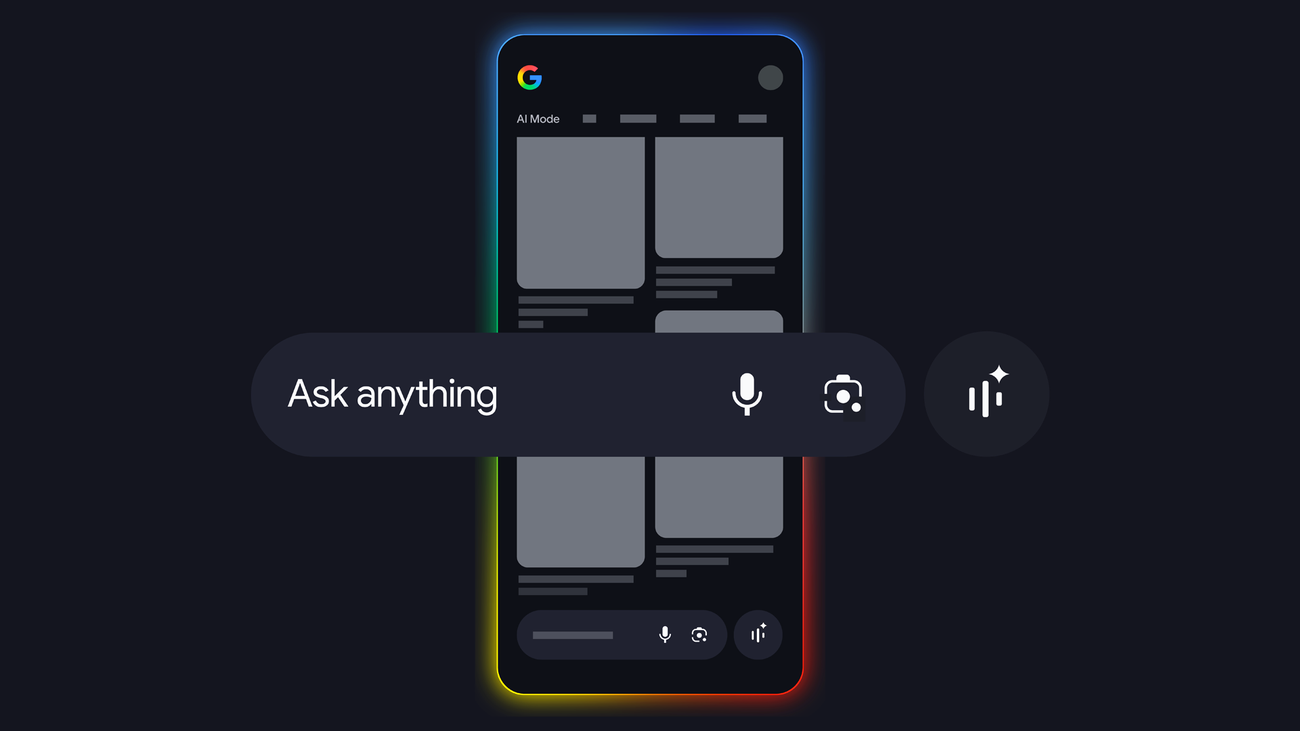
The system also allows for a "text-first" entry point into visual discovery. A user can begin with a text query like "mid-century modern living room" and, upon finding an image they like, use AI Mode to "fan-out" and find specific matches for the furniture within that image. This bidirectional flow between text and imagery is a cornerstone of Google’s multimodal strategy, ensuring that users can transition between different modes of inquiry without losing the context of their original search.
Broader Implications for Education, Commerce, and Accessibility
The implications of multi-object visual search extend far beyond the retail sector. In educational contexts, the ability to "explain this entire scene" provides a powerful tool for learners. A student can take a photo of a complex mathematical equation or a biological diagram, and the AI can break down the individual components and provide step-by-step explanations for each. In cultural settings, such as museums, the tool acts as a digital docent, providing history and context for every artifact in a display case simultaneously.
From an accessibility standpoint, these advancements offer significant benefits for users with visual impairments or cognitive disabilities. A tool that can describe an entire scene and the relationships between objects within it provides a higher level of situational awareness than a tool that can only identify one object at a time. As the AI becomes more descriptive and contextual, it can serve as a more effective intermediary between the physical world and digital information.
However, the rapid expansion of visual AI also brings challenges regarding data privacy and the accuracy of AI-generated responses. Google has addressed these concerns by stating that its AI Mode and generative search results are grounded in the vast index of the web, with the AI acting as a filter and synthesizer rather than an independent creator of facts. The company continues to refine its "AI Overviews" to ensure that the information provided is backed by reliable sources, particularly when dealing with topics like plant toxicity or historical facts.
The Future of the Multimodal Interface
As Google continues to roll out these updates to a wider range of Android and iOS devices, the distinction between "searching the web" and "interacting with the world" is becoming increasingly blurred. The multi-object reasoning powered by Gemini suggests a future where the camera is the primary interface for information retrieval. Instead of typing keywords into a box, users will simply point their device at their environment, and the AI will provide a layer of digital intelligence over the physical reality.
The move toward "AI Mode" in search signifies a broader industry trend toward agentic AI—systems that can take a high-level goal (like "help me recreate this room") and execute the numerous sub-tasks required to achieve it. As these models become more sophisticated, the "fan-out" technique will likely expand to include actions, such as checking inventory at local stores or comparing prices across multiple retailers in real-time, all stemming from a single visual trigger.
In conclusion, the latest updates to Google’s visual search tools represent a significant milestone in the field of multimodal AI. By combining the reasoning capabilities of Gemini with the massive scale of Google’s search index, the company has created a tool that understands the world not as a collection of isolated objects, but as a series of complex, interconnected scenes. This technological shift is set to redefine the user experience for millions, making the process of discovery more intuitive, comprehensive, and instantaneous than ever before.
