

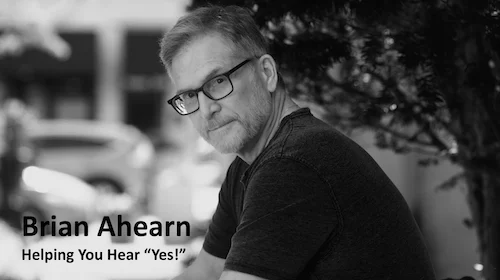
The professional landscape of 1986, when Brian Ahearn began his career at Travelers Insurance fresh out of Miami University, was markedly different from today’s environment. While technological advancements and evolving dress codes represent visible changes, one of the most profound transformations lies in the realm of workplace conversation – specifically, what was once considered strictly off-limits. Topics such as sex, religion, and politics were tacitly understood to be personal matters, best left outside the office doors. The unwritten rule was clear: professional conduct meant focusing solely on the job at hand, not on personal beliefs or advocacy.
However, the past four decades have witnessed a seismic shift. These once-taboo subjects have not only permeated the business world but are now frequently discussed on professional platforms like LinkedIn, with an almost palpable expectation for individuals to articulate their stances on social, political, and deeply personal issues. This evolution is a significant backdrop to Ahearn’s recent book, Influenced from Above: Where Faith and Influence Meet, which he describes as a personal turning point. In it, Ahearn chose to embrace a more open expression of his faith, not to proselytize, but to offer a sense of permission and hope to others who might feel compelled to hide this integral aspect of their lives.
For Ahearn, this juncture represents the confluence of his decades-long study and teaching of influence with his deeply held personal faith. He posits that the traditional notion of faith being confined to private spaces, such as homes or places of worship, is challenged by theological tenets. If the Holy Spirit resides within believers, as many faiths teach, then faith inherently extends beyond designated sanctuaries, shaping worldview, decision-making, and interpersonal interactions, even when not explicitly discussed. Consequently, faith, whether acknowledged or not, inevitably surfaces in the professional arena.
A New Era of Workplace Dialogue
The anecdotal evidence of this transformation is abundant. A recent exchange Ahearn experienced on LinkedIn underscores this point. Despite being a fellow Christian, the other participant expressed reservations about discussing religion on the platform. Ahearn, however, respectfully countered, arguing that in an era where previously unacceptable topics are now openly debated in professional settings, faith, when expressed with thoughtfulness and respect, should not be uniquely excluded.
The substance of the disagreement was less important to Ahearn than the manner of their engagement. The conversation, characterized by honesty, curiosity, and civility, culminated in a remarkable response from the other individual: "Candor and disagreement without vitriol! Who would have thought. Thank you for the invitation." This affirmation resonated with Ahearn’s core belief that true influence is not about coercion but about cultivating relationships built on mutual respect.
This shift has not been without its complexities. Ahearn admits to a period of adjustment in becoming accustomed to professional spaces featuring discussions on sobriety journeys, political viewpoints, social activism, and personal struggles. He emphasizes that his personal agreement or disagreement with an individual’s decision to share is secondary to the reality that such expressions are now an intrinsic part of the business landscape. While he often chooses not to engage in conversations that risk devolving into divisive debates rather than constructive dialogue, he distinguishes between choosing not to engage and choosing to conceal one’s authentic self.
Ahearn anticipates that his outspokenness about how faith informs his perspective on influence may not be universally welcomed. However, his intention is not to persuade but to share his lived experience, with the hope of encouraging others to reflect on how their core values shape their professional actions – their leadership, sales tactics, hiring practices, and overall influence.
The Unseen Influence of Values
The fundamental premise is that faith and values do not cease to influence individuals upon entering the workplace or logging onto professional networks. The pertinent question, therefore, is not whether these elements exert influence, but rather an individual’s willingness to examine how they do so. This introspective process, Ahearn contends, is instrumental in fostering better human beings, more effective leaders, and more ethically grounded influencers.
Historical Context: The "Don’t Ask, Don’t Tell" Workplace
For decades, particularly in the latter half of the 20th century, a prevailing ethos dictated a clear separation between professional and personal life. This was reinforced by corporate policies and societal norms that discouraged discussions of sensitive personal topics in the workplace. The reasoning was largely practical: to maintain focus, avoid conflict, and ensure a neutral environment conducive to productivity. Companies prioritized a unified, task-oriented culture, viewing personal beliefs and affiliations as potential distractions or sources of division.

This era predates the widespread adoption of social media and the interconnectedness it fosters. Professional networking was largely confined to in-person interactions, and the boundaries between work and home were more rigidly defined. The absence of online platforms meant that personal expressions were less visible, and the pressure to share such aspects of oneself was minimal.
The Rise of Digital Professionalism and Increased Transparency
The advent of the internet and, more significantly, the proliferation of professional networking sites like LinkedIn, have dramatically altered this paradigm. These platforms, designed for connection and career advancement, have inadvertently become arenas for broader self-expression. As professionals began sharing more about their personal journeys, including challenges and triumphs related to health, family, and personal growth, the definition of professional discourse began to expand.
Data from various studies on workplace inclusion and employee engagement consistently indicate a growing desire among employees to bring their authentic selves to work. A 2022 survey by Deloitte, for instance, found that 70% of respondents believe that their employer’s stance on social and political issues impacts their decision to join or stay with a company. This suggests a generational shift in expectations, where younger workforces often prioritize environments that align with their values and permit open dialogue on a wider range of topics.
Theological Perspectives on Faith in Public Life
From a theological standpoint, the idea that faith is solely a private matter is often debated. Many religious traditions emphasize the importance of living out one’s faith in all aspects of life, including professional endeavors. The concept of being a "light" or "salt" in the world implies an active engagement with society, rather than a withdrawal into private spaces. This perspective suggests that a believer’s faith inevitably influences their actions, decisions, and interactions, making its presence in the workplace a natural, albeit sometimes challenging, reality.
This theological framework provides a rationale for Ahearn’s assertion that faith shapes individuals even when not explicitly discussed. It influences one’s ethical compass, approach to conflict resolution, and commitment to integrity. Therefore, acknowledging and reflecting upon this influence can lead to more conscious and value-aligned professional conduct.
Navigating the New Terrain: Challenges and Opportunities
The increased transparency and open discourse in professional settings present both opportunities and challenges. While it can foster a more inclusive and authentic work environment, it also raises concerns about potential polarization, discrimination, and the blurring of professional boundaries.
Potential for Division and Misunderstanding
The direct engagement with sensitive topics like politics and religion can indeed lead to conflict if not managed with care. When discussions become debates, the potential for division increases. This is why Ahearn’s emphasis on "candor and disagreement without vitriol" is crucial. The ability to engage in civil discourse, even amidst differing viewpoints, is a skill that requires practice and a commitment to mutual respect.
The Role of Leadership in Fostering Dialogue
Leaders play a pivotal role in shaping the culture around these evolving workplace norms. Organizations that proactively establish guidelines for respectful dialogue, promote diversity of thought, and encourage empathy can navigate these discussions more effectively. This might involve providing training on inclusive communication or creating forums for employees to share their perspectives constructively.
Case Studies of Faith-Based Influence in Business
While specific public case studies directly linking faith expression to business outcomes are often private, the broader impact of value-driven leadership is evident. Companies with strong ethical foundations, often rooted in the values of their founders or leadership, frequently report higher employee morale, customer loyalty, and long-term sustainability. For example, the principles of servant leadership, deeply intertwined with many faith traditions, emphasize putting the needs of others first, which can translate into more effective and ethical business practices.
The Evolving Definition of Professionalism
Ultimately, the workplace is becoming a more holistic reflection of the individuals within it. The rigid separation between personal and professional identity is eroding, leading to a greater emphasis on authenticity and the integration of one’s values into their work. This evolution necessitates a re-evaluation of what it means to be professional – moving beyond mere adherence to protocol to encompass a more nuanced understanding of ethical conduct, compassionate interaction, and authentic self-expression. Brian Ahearn’s journey and his book represent a significant contribution to this ongoing conversation, encouraging individuals to embrace their multifaceted identities and leverage their deepest values for positive influence in the professional sphere.
