

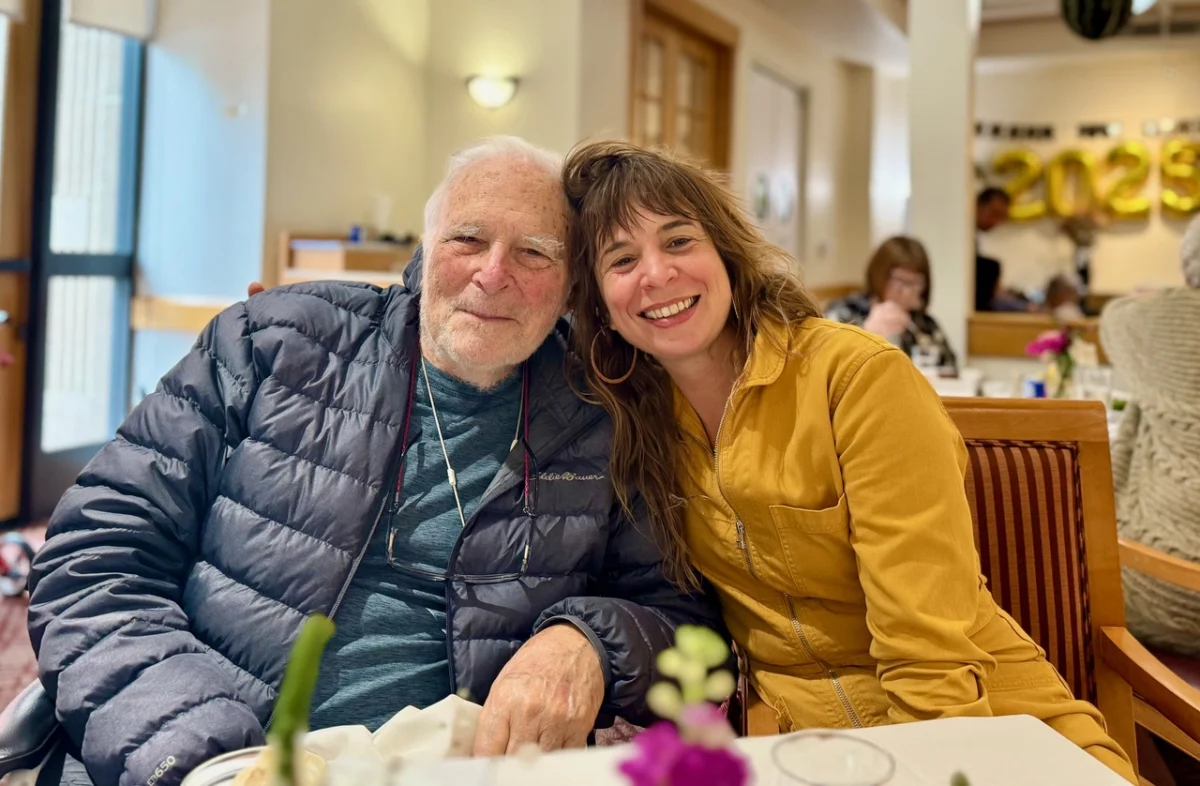
The passing of Dr. Paul Ekman, a towering figure in the field of psychology and emotion research, has prompted widespread reflection on his profound contributions, personal journey, and the enduring impact of his work. While obituaries have begun to surface, his daughter, Eve Ekman, has offered a deeply personal yet universally resonant perspective, highlighting not only his scientific achievements but also his remarkable personal transformation and unwavering commitment to reducing human suffering. This article seeks to provide a more comprehensive and nuanced portrait of Dr. Ekman, situating his life’s work within its historical context, exploring the evolution of his thinking, and examining the far-reaching implications of his research and initiatives.
A Life Shaped by Trauma and a Quest for Understanding
Paul Ekman’s early life was marked by significant trauma and loss, experiences that profoundly shaped his intellectual trajectory and fueled a lifelong dedication to understanding the human emotional landscape. As a child, he navigated profound personal challenges, which instilled in him a deep empathy and a drive to comprehend the origins and manifestations of human emotion. This formative period underscored his personal commitment to becoming the kind of supportive and present parent he had yearned for. His daughter, Eve Ekman, eloquently describes him as a father who, despite his own imperfections, poured immense energy into being present, curious, loving, and supportive. He evolved from a parent into a trusted friend and collaborator, a testament to his unwavering loyalty and genuine delight in the lives of his children.
His fatherly guidance extended beyond mere emotional support; it encompassed rigorous intellectual development. Dr. Ekman imparted essential life lessons, including the importance of maintaining an open and vulnerable heart, the imperative of critical thinking and questioning assumptions, and the profound value of dedicating one’s efforts to work that serves others. His passion for music and even practical skills, such as parallel parking on San Francisco’s steep hills, were all integral parts of his rich and multifaceted personality.
For 41 years, Dr. Ekman shared a deep and supportive partnership with his wife, Eve Ekman, who pursued her own distinguished academic career at UC Berkeley. Their marriage, which began after previous unions for both, was characterized by mutual adoration and a shared zest for life. Dr. Ekman often expressed his enduring delight that his wife had taken a chance on him, a sentiment that underscored the profound joy and fulfillment they found in their life together. His passing leaves a void not only in the scientific community but also in the hearts of those who knew him intimately.
The Dharamsala Turning Point: A Catalyst for Transformation
A pivotal moment in Dr. Ekman’s career and personal life occurred in 2000 during a landmark meeting in Dharamsala, India. This gathering brought together Dr. Ekman, His Holiness the Dalai Lama, and a distinguished group of scientists and contemplatives to explore the nature of "Destructive Emotions." This experience proved to be a profound catalyst, fundamentally altering his understanding of the world and, crucially, of himself.
For years, colleagues and friends were aware of Dr. Ekman’s personal struggles with anger earlier in his life. However, the Dharamsala meeting offered him a tangible and deeply embodied sense of what it might feel like to live with diminished reactivity and anger. He frequently spoke of this transformative encounter, acknowledging its ineffable quality and his inability to fully articulate the profound shift it engendered. This moment marked a significant departure, demonstrating a capacity for personal change that mirrored the scientific rigor he applied to his research.
His Holiness the Dalai Lama’s approach, as articulated by Dr. Ekman’s daughter, was not to seek special treatment but to offer the practical tools of Buddhist practice as a means to alleviate suffering. The core message emphasized the importance of understanding one’s emotions, cultivating a calm mind, and embracing kindness as the most rational and humane response in an interconnected world. Dr. Ekman embraced this philosophy wholeheartedly, integrating its principles into his subsequent scientific endeavors.
Bridging Science and Contemplation: The Cultivating Emotional Balance Initiative
The profound connection forged in Dharamsala, coupled with Dr. Ekman’s innate scientific curiosity and his deep-seated desire to help others achieve a similar sense of inner freedom, led to a groundbreaking synthesis of his decades of research with ancient contemplative traditions. This period saw him collaborate with esteemed figures, most notably Alan Wallace, to develop the "Cultivating Emotional Balance" (CEB) program.
Eve Ekman, with her background as a clinical social worker in a level-one trauma center, played an instrumental role in this endeavor. Her practical experience grounded the initiative, ensuring that the training offered tangible, real-world applications for individuals seeking to manage their emotions and enhance their well-being. CEB, an evidence-based program, has since been disseminated globally, empowering countless individuals with tools to understand and regulate their emotional responses.
Furthering this mission, Dr. Ekman, commissioned by the Dalai Lama in 2016, collaborated on the creation of the "Atlas of Emotions." This free online resource provides a rich vocabulary for describing the complexities of human emotional experience, aiming to foster greater emotional literacy and self-awareness. The Atlas is slated for a relaunch on its ten-year anniversary, underscoring its enduring relevance and impact. Both CEB and the Atlas of Emotions embody Dr. Ekman’s ultimate aspiration: to equip individuals with the knowledge and skills to reduce suffering, both for themselves and for others, by fostering a deeper understanding of their emotional lives.
Addressing Scientific Discourse and Misrepresentations
In the wake of Dr. Ekman’s passing, his daughter has voiced concerns regarding certain public narratives that have framed his life’s work through the lens of "controversy," particularly citing a singular critique in a New York Times obituary. She argues that such a focus misrepresents the vast body of peer-reviewed research that has supported, expanded, and refined the field he helped establish.
Science, by its very nature, thrives on disagreement and debate. Dr. Ekman, a proponent of rigorous inquiry, welcomed such discourse. However, the emphasis on a selective critique, rather than the hundreds of studies and the work of dozens of laboratories that have built upon his foundational findings, obscures the true scope and impact of his contributions. This narrow portrayal risks misrepresenting not only his scientific legacy but also the broader field of emotion research, which has been significantly advanced by his pioneering work across disciplines such as psychology, neuroscience, medicine, anthropology, national security, animation, and everyday life.
The implications of Dr. Ekman’s research extend far beyond academic circles. His foundational work on universal facial expressions of emotion, while subject to ongoing scientific debate and refinement, has provided a crucial framework for understanding nonverbal communication. This has had practical applications in fields ranging from artificial intelligence and human-computer interaction to law enforcement and international relations, where accurate interpretation of emotional cues can be paramount.
A Legacy of Scientific Rigor and Personal Growth
Dr. Paul Ekman dedicated his life to the pursuit of scientific knowledge with the explicit goal of alleviating human suffering. His meticulous research was complemented by a sincere and deeply personal commitment to helping individuals achieve greater self-understanding. He openly shared his own vulnerabilities, actively worked to repair relationships, and evolved into a man characterized by joy, open-heartedness, and generosity. His ability to forge deep and meaningful connections continued until the final months of his life, a testament to his enduring humanity.
His legacy is that of a scientist of immense influence, but also of a man who transcended painful beginnings to rebuild himself. He demonstrated a profound and visible capacity for personal transformation, becoming a collaborator who masterfully integrated ancient wisdom with modern scientific inquiry. In his later decades, he not only studied but actively embodied a life characterized by reduced anger and increased compassion.
A Complex, Imperfect, and Inspiring Human Being
Dr. Ekman was, like all individuals, a complex and imperfect being. However, he was also a man of immense kindness, bravery, humor, and an insatiable curiosity. His unwavering commitment to making the world a better place, through both his scientific endeavors and his personal example, defines his enduring story. This narrative of scientific impact and personal transformation, interwoven with a profound dedication to understanding emotion and expanding compassion, is the fuller picture that deserves to be remembered.
The outpouring of well wishes from individuals worldwide serves as a powerful testament to the far-reaching impact of Dr. Ekman and his work. It is an inspiring reflection of how a life dedicated to understanding the human heart, in all its complexities and potentials, can resonate deeply and inspire profound change across generations and cultures. His journey, from overcoming personal adversity to pioneering new frontiers in emotion science and championing the cultivation of compassion, offers a timeless lesson in the power of human resilience, intellectual pursuit, and the enduring quest for a more understanding and empathetic world.
