

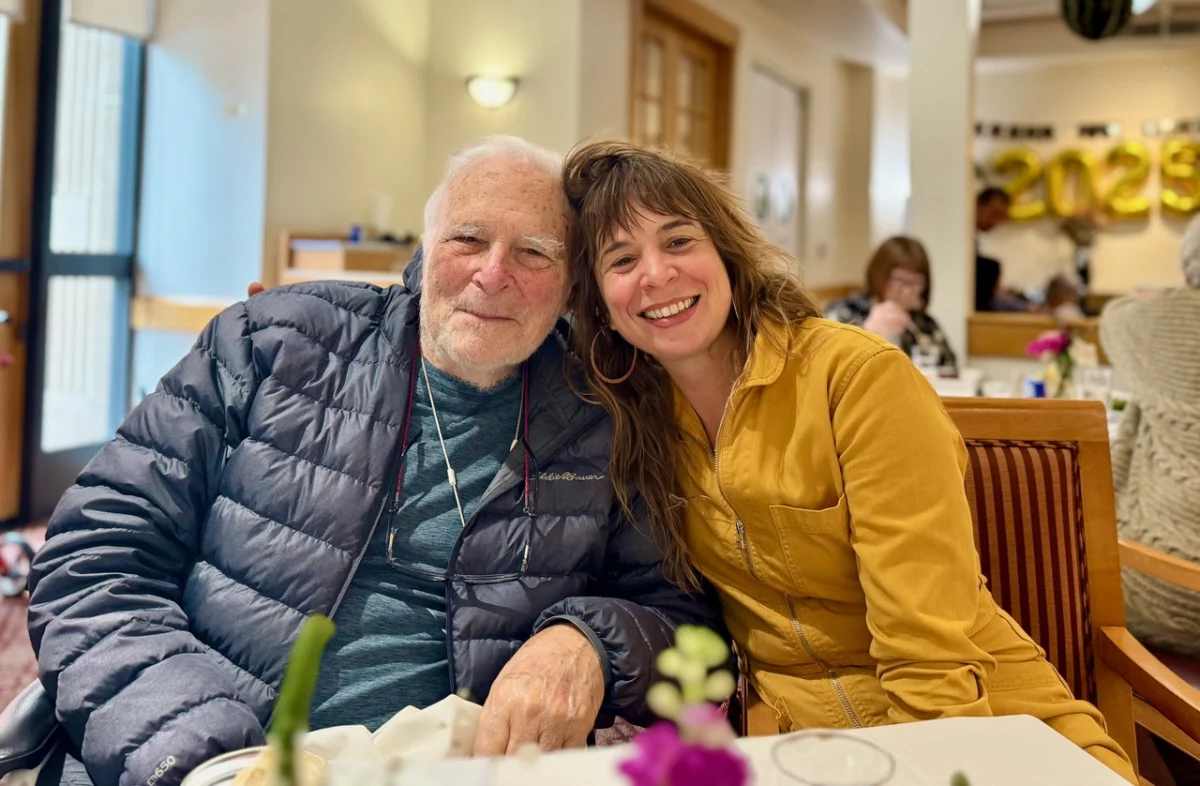
The passing of Dr. Paul Ekman, a towering figure in the field of emotion research, marks the end of an era defined by groundbreaking scientific inquiry and profound personal transformation. While widely recognized for his seminal work on universal facial expressions and the science of microexpressions, Dr. Ekman’s later life was characterized by a deep engagement with contemplative traditions, a journey that significantly reshaped his understanding of human suffering and the cultivation of compassion. This narrative, often overshadowed by early career controversies, reveals a more nuanced portrait of a man dedicated to serving humanity through both rigorous science and a commitment to personal growth.
Born into a world marked by childhood adversity, Dr. Ekman’s early life experiences, including profound trauma and loss, irrevocably shaped his intellectual trajectory. These formative experiences instilled in him a deep-seated desire to understand the complexities of human emotion, a drive that would fuel a distinguished career spanning over six decades. His commitment to becoming the kind of parent he himself had lacked was a guiding principle, manifesting in a nurturing and supportive approach to his children, Eve and his brother. This personal commitment extended to his professional life, where he fostered a spirit of collaboration and intellectual kinship, particularly with his daughter, Eve Ekman, a clinical social worker.
The Dharamsala Turning Point: A Meeting of Minds and Hearts
A pivotal moment in Dr. Ekman’s life and career occurred in the year 2000 with a landmark meeting in Dharamsala, India. This historic gathering brought together Dr. Ekman, His Holiness the Dalai Lama, and a select group of scientists and contemplative scholars to explore the nature of “Destructive Emotions.” For Dr. Ekman, this experience proved to be more than an academic exercise; it was a profound personal awakening.
Colleagues and friends were aware of Dr. Ekman’s earlier struggles with anger. However, the extent of his personal transformation following the Dharamsala meeting remained less widely known. He often spoke of an “unmistakable, embodied sense” of what it might feel like to live with reduced reactivity and anger, a feeling he found difficult to fully articulate but which clearly resonated deeply. This encounter provided him with a tangible experience of the benefits of a calmer mind, a realization that would become a cornerstone of his later work.
The Dalai Lama’s enduring hope was that the tools of Buddhist practice could serve as a pathway to reducing human suffering. His vision centered on empowering individuals to understand their emotions, cultivate inner peace, and embrace kindness as the most rational approach in an interconnected world. Dr. Ekman embraced this philosophy wholeheartedly, channeling his scientific curiosity and rigorous methodology toward exploring these principles.
Bridging Science and Contemplation: Cultivating Emotional Balance
The synergy between Dr. Ekman’s scientific expertise and his newfound appreciation for contemplative traditions led to the development of groundbreaking initiatives aimed at reducing suffering. The most prominent of these was the “Cultivating Emotional Balance” (CEB) program, an evidence-based training developed in collaboration with Alan Wallace. Emerging from the insights gained at the Dharamsala meeting, CEB offered participants practical tools for understanding and managing their emotions and fostering compassion.
Eve Ekman, drawing on her background as a clinical social worker at a level-one trauma center, played a crucial role in translating these concepts into practical, accessible applications. Her involvement ensured that the training not only resonated with scientific validity but also addressed the immediate needs of individuals seeking to improve their emotional well-being. The CEB program has since been implemented globally, reaching diverse populations and demonstrating tangible benefits in emotional regulation and interpersonal relationships.
Further testament to this integration of science and wisdom is the “Atlas of Emotions,” a free online resource commissioned by the Dalai Lama in 2016. This project, a collaboration between Dr. Ekman and his daughter, aimed to build a shared vocabulary for describing the vast spectrum of human emotional experiences. The Atlas, slated for relaunch on its ten-year anniversary, serves as a testament to Dr. Ekman’s late-career focus on empowering individuals with the knowledge and language to navigate their inner lives more effectively. Both CEB and the Atlas of Emotions embody Dr. Ekman’s core belief that a deeper understanding of emotions is a critical step towards reducing personal and collective suffering.
Addressing Scientific Discourse: Nuance Beyond Controversy
In the wake of Dr. Ekman’s passing, the narrative surrounding his legacy has been a subject of significant discussion. While acknowledging his monumental contributions, some outlets have focused on early career critiques and controversies. One particular obituary, by centering a single scientist’s opinion, presented a selective and, according to many in the field, a misrepresentative view of Dr. Ekman’s extensive body of work.
It is essential to contextualize scientific progress within its historical framework. Dr. Ekman’s foundational research on universal facial expressions, published in the 1960s and 1970s, was groundbreaking and challenged prevailing cultural relativist views. While some early critiques emerged, the overwhelming trajectory of research in the subsequent decades has been one of replication, expansion, and refinement of his core findings. Hundreds of studies and dozens of research laboratories worldwide have built upon his work, solidifying its impact across numerous disciplines, including psychology, neuroscience, medicine, anthropology, and even fields like animation and national security.
Disagreement, of course, is an inherent and vital component of the scientific process. Dr. Ekman himself welcomed intellectual debate and actively engaged with differing perspectives. However, framing his entire life’s work primarily through the lens of a single, selective critique risks overlooking the vast consensus and extensive peer-reviewed research that validates and expands upon his contributions. This perspective also diminishes the profound and widespread impact his work has had on global understanding of human emotion.
A Life Dedicated to Service and Personal Growth
Dr. Paul Ekman dedicated his life to the service of science, driven by an unwavering commitment to reducing human suffering. This commitment extended beyond the laboratory, encompassing a sincere desire to help individuals achieve a greater understanding of themselves and their emotional landscapes. His willingness to share his own vulnerabilities, to mend relationships, and to evolve into a more open-hearted and generous individual over the years is a testament to his personal journey. He cultivated deep and meaningful connections, remaining engaged and vibrant until the final months of his life.
The narrative of Dr. Ekman is one of multifaceted accomplishment: a scientist of immense influence, a survivor who rebuilt his life from painful beginnings, a man who demonstrated profound and visible personal change, and a collaborator who masterfully bridged ancient wisdom with modern scientific inquiry. In his later decades, he not only studied but actively practiced and embodied a life characterized by reduced anger and increased compassion.
While acknowledging his complexities and imperfections – a shared human trait – it is crucial to recognize his kindness, bravery, humor, insatiable curiosity, and unwavering dedication to making the world a better place. The story of Paul Ekman is one of remarkable scientific impact intertwined with profound personal transformation. Above all, it is the story of a human being who devoted his life to unraveling the mysteries of emotion and expanding the reach of compassion, a lifelong learner who continuously sought to love more fully and wisely.
The outpouring of well wishes from near and far serves as a powerful testament to the enduring impact of Dr. Ekman and his work. It is a source of inspiration to know how profoundly his contributions have touched so many lives, echoing his lifelong dedication to understanding and alleviating human suffering.
