

The proliferation of home recording studios, particularly within the burgeoning voice-over industry, has brought to the forefront a persistent question: "Do I need a sound reflection filter in my home studio?" This inquiry, frequently posed by aspiring and established professionals alike, demands a comprehensive and evidence-based response. To definitively address this, we must first establish a foundational understanding of what constitutes a home recording studio, the fundamental principles of microphone operation, and the intricate interplay between acoustics and audio capture.
The Genesis of the Home Recording Studio
The primary objective of establishing a home recording studio, or any professional recording environment for that matter, is to engineer a controlled and consistent space for audio capture. This ideal environment is characterized by two key elements: the complete isolation of external sound ingress and the containment of internal sound egress. Crucially, it also aims to meticulously minimize unwanted sound reflections that can degrade the fidelity of a recording.
Understanding these components is paramount. Sound ingress refers to any external noise that penetrates the recording space, such as traffic, household appliances, or even conversations from adjacent rooms. Conversely, sound egress is the leakage of sound from within the studio to the outside world, a concern for both privacy and avoiding interference with other activities. The most nuanced and often overlooked aspect is the management of sound reflections. When sound waves encounter hard, flat surfaces within a room, they bounce off, creating echoes and reverberations. These reflected sound waves can re-enter the microphone alongside the direct sound source, leading to a "boxy," "distant," or "unnatural" vocal quality. The ultimate goal is to capture the purest possible representation of the performer’s voice, free from the acoustic artifacts of the recording environment.
The Physics of Sound and Microphones: A Deeper Dive
To effectively combat unwanted sound reflections, a grasp of acoustic principles is essential. Sound travels as waves, and its behavior upon encountering different materials dictates the sonic outcome of a recording. Hard, non-porous surfaces like glass, plaster walls, and polished wood are highly reflective. They bounce sound waves back into the room with minimal absorption. Conversely, soft, porous materials such as thick curtains, upholstered furniture, and acoustic foam are designed to absorb sound energy. This absorption process converts sound waves into heat, thereby reducing the intensity and number of reflections.
The effectiveness of any sound treatment is directly tied to the material’s density, porosity, and thickness. For instance, while a thin blanket might offer some minimal absorption, a thick, heavy duvet will provide significantly more acoustic dampening. Similarly, a bare wall will reflect nearly all incident sound, whereas a wall covered in strategically placed acoustic panels will absorb a substantial portion of it. This principle underpins the various DIY and professional acoustic treatment strategies employed in studios worldwide.

The Microphone’s Perspective: Understanding Polar Pickup Patterns
At the heart of any recording setup lies the microphone. Microphones are transducers that convert sound waves into electrical signals. However, not all microphones are created equal in how they "hear" the sound around them. This directional sensitivity is described by their polar pickup pattern. This pattern illustrates the microphone’s sensitivity to sound arriving from different angles relative to its front.
The most common polar pickup patterns include:
- Omnidirectional: This pattern picks up sound equally from all directions (360 degrees). While capturing a full, natural sound, it also records a significant amount of room ambiance and reflections, making it less ideal for untreated home studios.
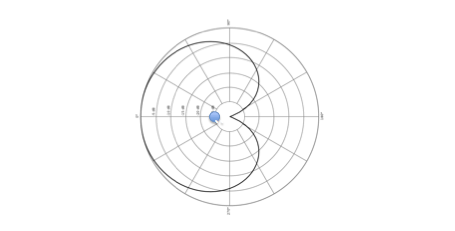
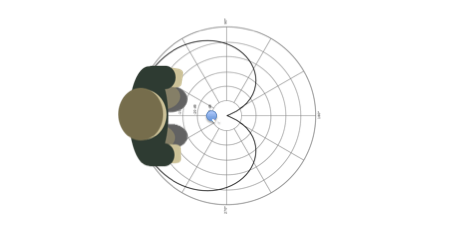
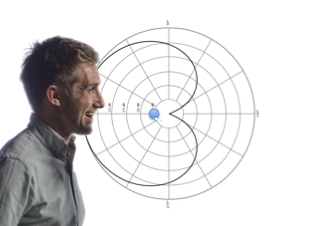
- Cardioid: This is the most prevalent pattern for voice-over work. It is most sensitive to sound directly in front of the microphone, with progressively less sensitivity to the sides and almost none to the rear. This directional focus helps to reject unwanted room noise and reflections from the sides and back.
- Figure-8 (Bidirectional): This pattern picks up sound equally from the front and the rear of the microphone, while rejecting sound from the sides. It’s often used for specific recording techniques like capturing duets or for certain instrument recordings.
- Subcardioid and Hypercardioid: These are variations of the cardioid pattern, offering slightly wider (subcardioid) or narrower and more focused (hypercardioid) pickup areas.
Many high-end microphones, such as the widely respected Neumann U87, offer switchable polar patterns, allowing engineers to adapt the microphone’s sensitivity to the specific recording situation. However, for most home studio applications, particularly for voice-over artists, the cardioid pattern is the preferred choice due to its inherent ability to minimize the capture of ambient sound and reflections. This deliberate choice to utilize a directional microphone is the first line of defense against acoustic imperfections in a recording space.
The Illusion of the Reflection Filter
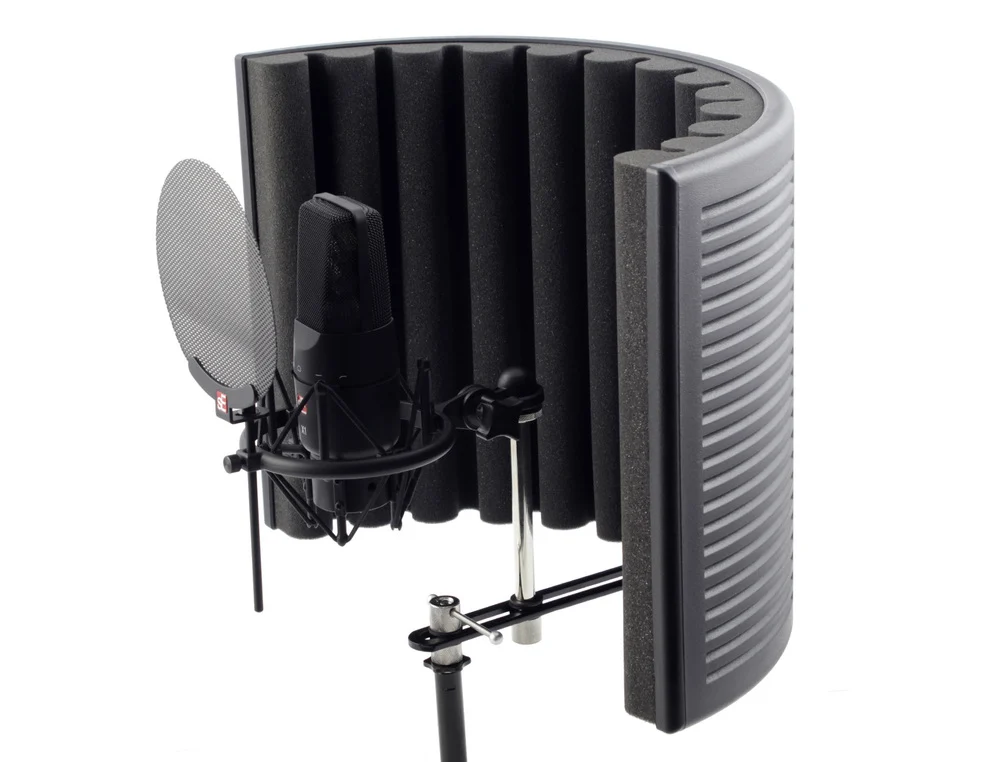
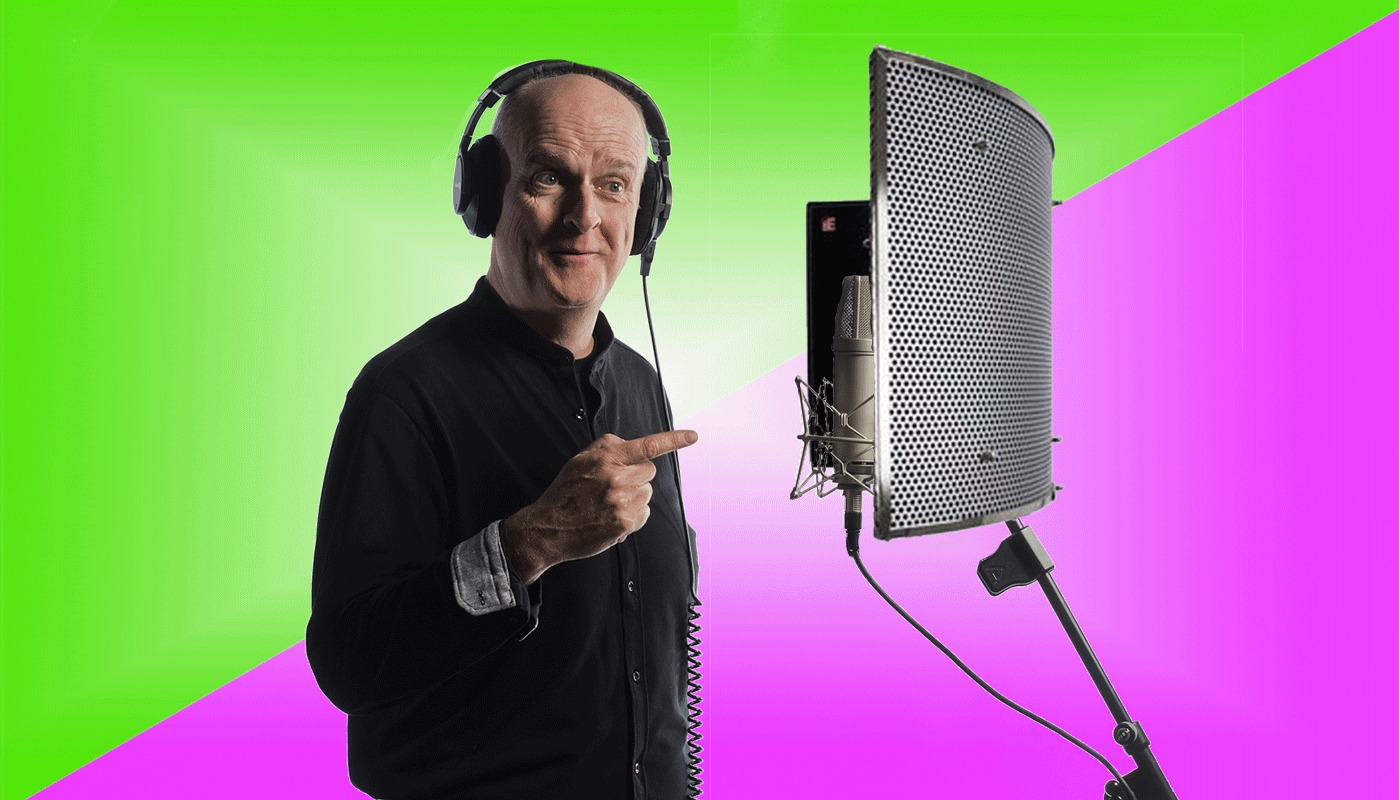
The concept of a sound reflection filter emerged as a seemingly straightforward solution for home studio users seeking to mitigate acoustic issues without undertaking extensive room treatment. These devices typically consist of a semi-circular shield made of sound-absorbing material, designed to be mounted around a microphone. The marketing premise is that this filter acts as a barrier, preventing ambient room reflections from reaching the microphone.
Visual representations often depict the microphone positioned centrally within the filter, suggesting a localized acoustic treatment zone. The idea is to create a "sweet spot" where the performer’s voice is captured directly, while the surrounding reflections are absorbed by the filter.
However, a critical examination of the physics of sound and microphone polar patterns reveals a significant limitation of these devices. When a microphone is set to a cardioid pattern, its primary sensitivity is directed forward. While the reflection filter does absorb some sound energy from the sides and rear, the cardioid pattern itself is already significantly attenuating sound from these directions. Therefore, the additional benefit provided by the filter in reducing what the microphone actually captures is often marginal.
Extensive testing and practical experience have demonstrated that the sonic difference between recording with and without a reflection filter, when using a directional microphone in a moderately reflective room, is often negligible. The filter’s effectiveness is largely negated by the microphone’s inherent directional rejection. This has led to considerable debate within the audio engineering community, with many concluding that reflection filters are an ineffective and potentially misleading solution to acoustic problems.
The Evidence: A Deeper Look at the Data
To quantify the impact of reflection filters, controlled experiments are crucial. These typically involve recording the same vocal performance with and without the filter, using identical microphones, preamplifiers, and recording levels. The resulting audio files are then analyzed using acoustic measurement software and, more importantly, through critical listening by experienced audio engineers.
Such analyses consistently reveal that while reflection filters may absorb some sound from their immediate vicinity, they do not fundamentally alter the acoustic signature of the room as perceived by the microphone’s primary pickup pattern. The sound waves reflecting off distant walls, ceilings, and floors still reach the microphone from angles that the cardioid pattern is designed to reject. The filter, by its very design, only intercepts sound waves in its immediate proximity, which is a limited area relative to the overall sound field of the room.
Furthermore, the design and material properties of reflection filters vary. While some employ dense acoustic foam, others may utilize less effective materials. The size and shape of the filter also play a role, but even the most robust designs struggle to overcome the physics of sound propagation and microphone directivity. The data suggests that the perceived improvement is often psychosomatic, driven by the visual presence of the "professional-looking" equipment rather than an actual objective enhancement in audio quality.
The Real Solution: Strategic Acoustic Treatment
If reflection filters are not the answer, then what is? The definitive solution to achieving high-quality recordings in a home studio lies in strategic acoustic treatment of the recording space. This involves addressing the room’s acoustics directly, rather than attempting to shield the microphone from the room.
The core principles of effective acoustic treatment include:
- Absorption: Using materials to absorb sound energy and reduce reflections. This can involve strategically placed acoustic panels, bass traps (designed to absorb low frequencies), and upholstered furniture.
- Diffusion: Using surfaces with irregular shapes to scatter sound waves in multiple directions. This helps to prevent strong, direct reflections and creates a more natural-sounding reverberation.
- Isolation: Preventing sound from entering or leaving the recording space. This is a more involved process and may require structural modifications, such as double-layered walls with insulation.
For home studio users, the most accessible and effective approach often involves a combination of absorption and diffusion within the recording area. This can range from DIY solutions using readily available materials to professionally designed acoustic paneling. The goal is to create a "dead" or acoustically controlled environment where the microphone captures the direct sound source with minimal interference from room reflections.
The Broader Impact: Industry Trends and Professional Standards
The understanding that reflection filters offer limited practical benefit has significant implications for aspiring voice professionals and home studio owners. It highlights the importance of investing in foundational acoustic treatment rather than relying on superficial solutions. Industry professionals and experienced audio engineers consistently emphasize the critical role of a well-treated recording space in achieving broadcast-quality audio.
The widespread adoption of home studios, accelerated by advancements in technology and the rise of remote work opportunities, has also brought a greater awareness of audio quality standards. Platforms and clients often have specific technical requirements that necessitate a certain level of sonic fidelity. Relying on ineffective tools like reflection filters can hinder an artist’s ability to meet these standards, potentially impacting their career progression.
Conclusion: Re-evaluating the Investment
In response to the frequently asked question, the evidence strongly suggests that a sound reflection filter is generally not necessary for a home recording studio, especially when utilizing a directional microphone set to a cardioid pattern. The primary function of such filters is already largely accomplished by the microphone’s inherent directivity.
The resources and funds that might be allocated to purchasing a reflection filter would be far more effectively invested in understanding and implementing fundamental acoustic treatment principles for the recording space itself. This might involve building a small vocal booth, strategically placing acoustic panels, or even employing temporary, yet effective, sound-dampening solutions. The pursuit of pristine audio quality in a home studio is an endeavor that rewards informed decisions and practical application of acoustic science, rather than the adoption of trendy but ultimately limited accessories. For those serious about professional audio capture, the focus should remain on creating a sonically controlled environment, not merely on shielding the microphone from it.
