


The practice of "debreathing" in voice-over recordings, the meticulous removal of audible breaths, is a nuanced aspect of audio production that often sparks debate and can lead to significant misconceptions within the industry. While seemingly a straightforward editing technique, understanding its proper application is crucial for voice artists and producers alike, impacting the authenticity and effectiveness of vocal performances across various media. This article delves into the intricacies of debreathing, exploring its historical context, technical execution, and the critical considerations that dictate its use, particularly in the evolving landscape of voice-over work.
Understanding the Technique: What Exactly is Debreathing?
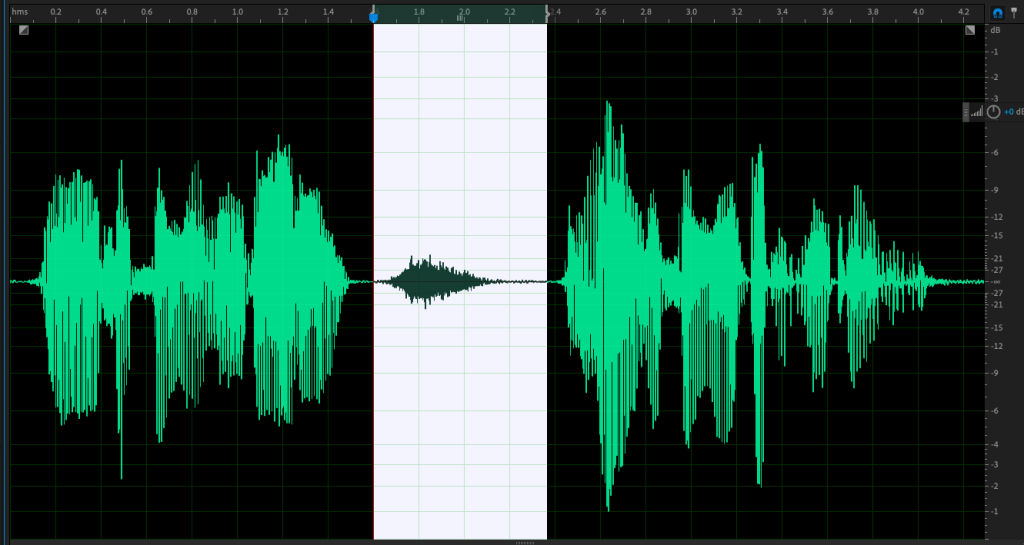
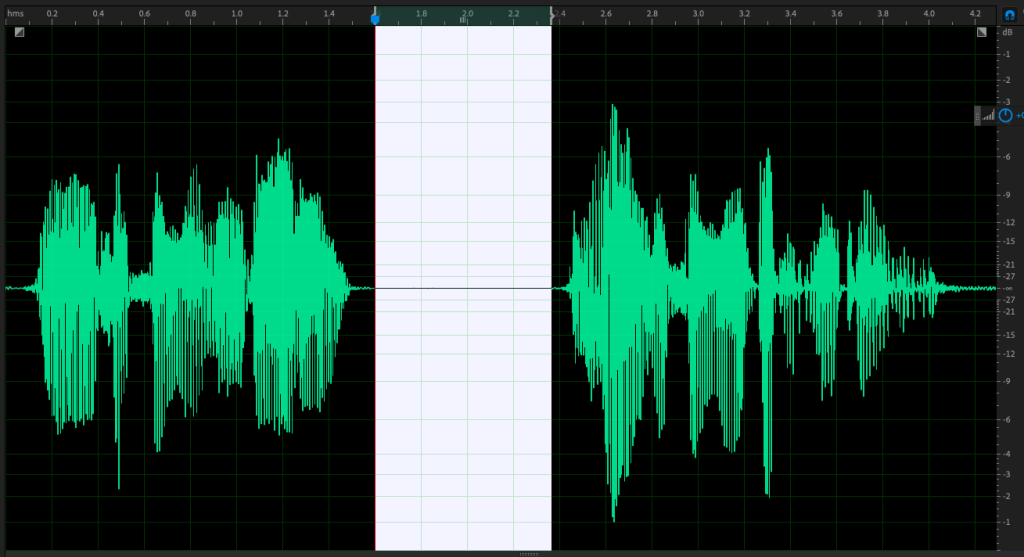
At its core, debreathing involves isolating and mitigating the sound of a performer’s inhalation during a vocal recording. This is typically achieved through digital audio editing software, such as Adobe Audition, where breaths manifest as distinct waveform patterns. The process can involve either silencing the breath – rendering it inaudible while retaining the original timing of the performance – or completely removing it, along with the silent space it occupied.
The visual representation of audio waveforms clearly illustrates this distinction. A breath appears as a transient spike or a series of rapid fluctuations. Silencing a breath involves reducing its amplitude to zero or near-zero, effectively muting it without altering the temporal flow of the spoken content. Conversely, removing a breath entails deleting the audio segment containing the breath and collapsing the waveform, shortening the overall duration of the recording. This latter method can sometimes lead to an unnatural, abrupt transition between spoken phrases, a phenomenon that has significant implications for listener perception.
Historical Context and Traditional Application
Historically, the practice of debreathing found its most prominent application in the realm of commercial voice-overs, particularly for advertisements intended for broadcast media like television, radio, and cinema. The prevailing rationale was to ensure that the primary message of the advertisement remained paramount, unhindered by any perceived vocal imperfections or distractions. In an era where attention spans were arguably shorter and the competition for audience engagement more intense, every element of an advertisement was scrutinized for its potential to detract from the core selling proposition.
The underlying principle was that a perfectly polished, uninterrupted vocal delivery would enhance the perceived professionalism and authority of the message. This was especially true in commercials where music and sound effects often played a significant role, creating a dense sonic environment where subtle vocal nuances like breaths might be less noticeable, but their presence could still be seen as a minor detractor from the overall clarity and impact.
The Evolving Definition of "Commercial" and its Impact on Debreathing
A significant point of contention and confusion within the voice-over community arises from the multifaceted definition of "commercial" work. The term can be broadly interpreted in two primary ways:
-
Commercial in Nature: This encompasses any voice-over work for which the artist is compensated, regardless of its specific purpose. This could include corporate narration, e-learning modules, explainer videos, and even internal company communications. From this perspective, all paid voice-over work could be considered "commercial."
-
Actual Advertisements: This refers specifically to paid promotional content designed to sell a product, service, or idea directly to consumers. This includes traditional television commercials, radio spots, cinema advertisements, and digital advertisements across various platforms.
The critical distinction for debreathing lies in adhering to the second definition – actual advertisements. While many voice artists have traditionally debreathed all forms of paid work, industry best practices and a deeper understanding of vocal performance suggest that this approach is often misguided and can be detrimental to the integrity of the recording. The primary objective of debreathing in advertisements is to eliminate distractions that might detract from the persuasive power of the message. However, this objective does not universally apply to all forms of paid voice-over work.
Why Debreathing is Often Inappropriate for Non-Advertising Voice-Overs
The argument against debreathing voice-over recordings outside of direct advertising campaigns is compelling and rooted in the fundamental principles of human communication and artistic delivery.
The Naturalness of Human Speech
Humans naturally inhale during speech. These breaths serve not only as physiological necessities but also as integral components of conversational rhythm and pacing. For listeners, the absence of these natural pauses can create an unsettling, almost artificial experience. When breaths are meticulously removed from a spoken narrative, corporate presentation, or dramatic performance, the listener may subconsciously perceive it as unnatural or even uncanny. This is because our brains are wired to expect and process breathing as a cue that a human being is speaking. The lack of this cue can lead to a subtle but pervasive sense of unease, making the performance feel robotic or inhuman.
This phenomenon is further highlighted by the evolution of text-to-speech (TTS) technologies. Early iterations of AI voices, while technically proficient, often lacked the subtle nuances of human speech, including breathing. This resulted in a sterile and detached auditory experience. In recent years, advancements in TTS have incorporated more realistic breathing patterns, recognizing that their inclusion enhances the perceived humanity and naturalness of synthesized voices. This underscores the importance of breath in conveying a genuine human presence, a critical factor when human voice artists are competing with increasingly sophisticated AI alternatives.
The Role of Breath in Pacing and Comprehension
Beyond mere physiological necessity, audible breaths function as natural pauses within spoken discourse. These pauses are not simply voids in audio; they are essential for effective communication. They provide listeners with moments to process information, assimilate new ideas, and form internal responses. In narratives, dramatic performances, or informative content, these pauses allow the audience to digest the spoken word, enhancing comprehension and retention.
When breaths are removed from non-advertising voice-overs, the result can be a relentless, unbroken stream of dialogue. This can overwhelm the listener, diminishing their ability to fully engage with and remember the content. The intended message, no matter how well-articulated, may fail to resonate because the listener has not been afforded the necessary cognitive space to absorb it. This is particularly relevant in educational or corporate content, where clarity and retention are paramount. The perceived acceleration of speech due to the removal of breaths can lead to a sense of urgency that is antithetical to reflective understanding.
Preserving the Natural Style of Delivery
The contemporary trend in voice-over performance across many genres is a move towards naturalism and authenticity. Clients and audiences increasingly favor a conversational, relatable, and genuine vocal delivery over an overly polished or theatrical one. Breathing is an intrinsic element of this natural style. It signals spontaneity, human emotion, and an unforced connection with the material.
By removing breaths, voice artists inadvertently strip away a layer of this naturalness, transforming a potentially authentic performance into something more manufactured. This can undermine the very qualities that clients are seeking in their voice-over talent, particularly in areas like character acting in video games, audiobook narration, or documentary voice-overs, where an engaging and relatable delivery is key. The absence of breath can make a performance feel less alive, less dynamic, and ultimately, less impactful.
The Unintended Consequences of Audio Processing Tools
A crucial point of awareness for voice artists, especially those working in less-than-ideal recording environments, concerns the inadvertent removal of breaths by certain audio processing tools. Technologies such as noise gates and expanders are often employed to reduce background noise and enhance the clarity of a vocal recording. However, these tools operate by identifying and reducing audio signals below a certain threshold. Since breaths often fall into this category, they can be unintentionally attenuated or eliminated along with ambient noise.
While this might seem like a beneficial side effect, it carries the same negative implications as deliberate debreathing. The "cleaning up" of the audio by such tools, without careful manual oversight, can result in a loss of the human element, leading to the aforementioned issues of unnaturalness and a compromised performance. This underscores the importance of addressing recording environment issues directly through acoustic treatment rather than relying on post-production "fudges" that can compromise the integrity of the vocal performance. Investing in a sound-treated recording space is a hallmark of professional practice, preventing the need for such compromises.
Expert Analysis and Industry Perspectives
Industry professionals often emphasize the importance of context when it comes to debreathing. Sarah Vo, a seasoned voice director, commented, "The trend has definitely moved towards more natural performances across the board. For corporate narration or character work, breaths are often a positive. They add realism and pacing. It’s only when we’re talking about a high-energy, fast-paced advertisement where every second counts that we might consider it, and even then, it’s a conversation with the client."
Similarly, Mark Davison, a freelance audio engineer specializing in voice-over, noted, "Clients often don’t realize the impact of requesting debreathing for non-advertisement content. They might think it sounds ‘cleaner,’ but they often end up with something that feels sterile and less engaging. My job is to educate them on the benefits of keeping breaths in, especially for anything narrative or conversational."
The subtle art of debreathing is thus not merely a technical edit but a strategic decision that hinges on the specific purpose and intended audience of the voice-over.
Broader Implications and the Future of Voice-Over
In an era where artificial intelligence is rapidly advancing and capable of producing increasingly sophisticated synthetic voices, the unique human qualities of voice artists become even more valuable. The ability to convey emotion, nuance, and authentic human experience – including the natural rhythms of breathing – is a key differentiator. Deliberately removing these humanizing elements from non-advertisement content risks diminishing this inherent advantage.
The recommendation for voice artists is clear: unless explicitly instructed otherwise for a specific advertising project, breaths should generally be left in. This approach not only preserves the naturalness and humanity of the performance but also aligns with the growing demand for authentic and relatable vocal content. The subtle inclusion of breath can enhance listener connection, improve comprehension, and contribute to a more impactful and memorable audio experience.
Conclusion: A Call for Informed Practice
The practice of debreathing in voice-over recordings is a subject that demands careful consideration and informed decision-making. While it has a legitimate, albeit narrow, application in the production of direct advertisements, its indiscriminate application to other forms of voice-over work can be detrimental. By understanding the physiological and psychological roles of breathing in human communication, voice artists and producers can make more effective choices that enhance, rather than detract from, the quality and impact of their audio productions. The breath, far from being a flaw, is an intrinsic element of the human condition and a powerful tool for authentic vocal delivery. In the competitive landscape of modern media, embracing and preserving this human element is not just a stylistic choice, but a strategic imperative.
