

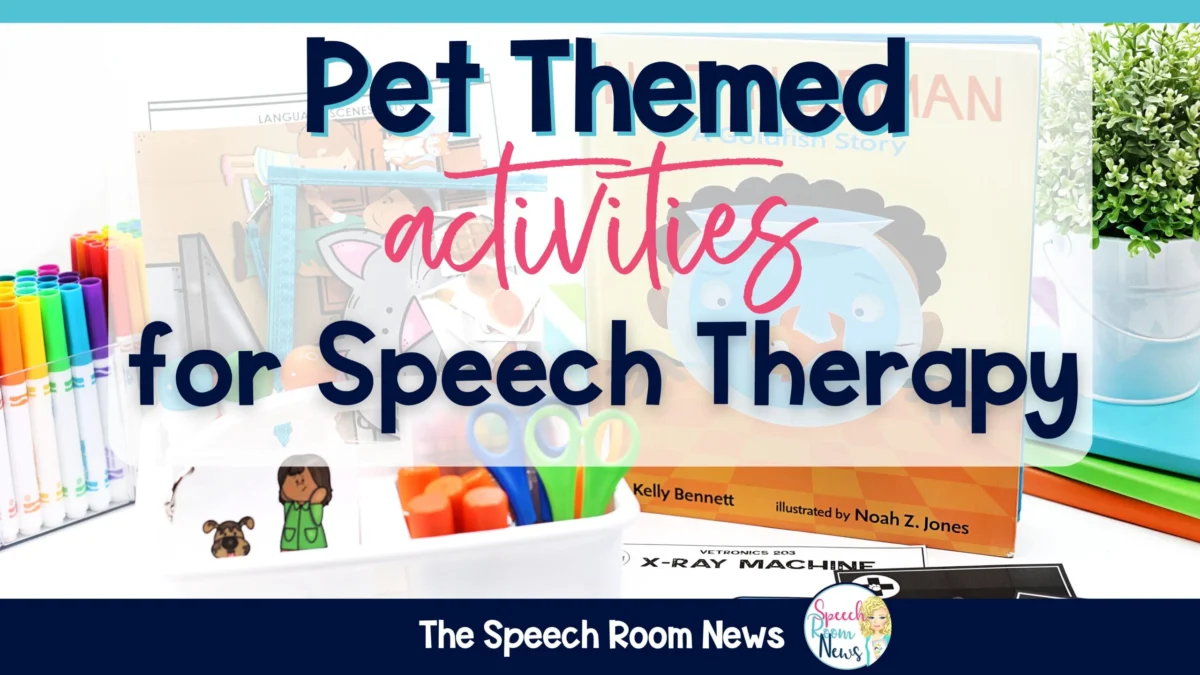
The integration of thematic learning, particularly year-round themes such as "pets," is increasingly recognized as a highly effective and efficient strategy within pediatric speech-language pathology (SLP). This pedagogical approach streamlines activity preparation, enhances student engagement, and offers a versatile framework for addressing a wide array of speech and language goals across various developmental stages. Beyond the immediate benefits of reduced preparation time for busy clinicians, thematic units foster deeper learning experiences, promote generalization of skills, and provide a contextually rich environment conducive to therapeutic progress. The strategic deployment of non-holiday-specific themes, like those centered around domestic animals, further amplifies their utility, allowing for multiple applications throughout the academic year and maximizing resource investment.
The Efficacy of Thematic Learning in Speech-Language Pathology
Speech-language pathologists are continually seeking innovative methods to engage young learners and optimize therapeutic outcomes. Thematic teaching, which organizes curriculum around specific topics, has emerged as a cornerstone of effective intervention. Research and practitioner observations consistently highlight several key advantages. Firstly, themes provide a natural organizational structure for lessons, allowing SLPs to integrate multiple goals—from articulation and phonology to vocabulary, syntax, and pragmatic skills—within a cohesive unit. This integration ensures that learning is holistic and interconnected, mirroring how language is acquired and used in real-world contexts.

Secondly, thematic units significantly boost student engagement. Children are inherently curious, and a well-chosen theme can tap into their interests, transforming therapy sessions from structured exercises into enjoyable, interactive experiences. Enhanced engagement often correlates with improved attention, motivation, and ultimately, better retention of learned skills. When children are actively interested in the subject matter, they are more likely to participate enthusiastically, initiate communication, and generalize newly acquired skills outside the therapy room.
Thirdly, the repetitive exposure to target vocabulary and concepts within different activities throughout a theme reinforces learning. For instance, a "farm animal" theme might repeatedly introduce words like "cow," "moo," "eat," and "barn," allowing children to encounter these words in books, songs, games, and crafts. This repeated, varied exposure is crucial for vocabulary acquisition and semantic development, particularly for children with language impairments. Moreover, thematic units support the development of organizational skills, categorization, and the ability to make connections between seemingly disparate pieces of information, all of which are vital cognitive-linguistic processes.
Why a "Pets Theme"? Unpacking its Unique Advantages
Among the myriad of potential themes, "pets" stands out as a particularly potent and universally appealing choice for speech therapy. The inherent connection many children have with animals, whether their own pets or those of friends and family, creates an immediate foundation of interest and familiarity. This universal appeal transcends cultural boundaries and avoids the seasonal or holiday-specific limitations of other themes, making it truly adaptable for year-round use.

The "pets" theme offers a rich linguistic landscape for targeting diverse therapeutic goals:
- Vocabulary Expansion: Children can learn the names of various animals (dog, cat, fish, bird, hamster), their associated sounds (bark, meow, chirp), actions (run, jump, cuddle, feed, groom), habitats (kennel, cage, aquarium), and care items (leash, bowl, brush, toy). This provides a robust lexicon for descriptive language, categorization, and concept development.
- Articulation and Phonology: Animal sounds are excellent for practicing specific phonemes (e.g., /m/ in "meow," /b/ in "bark," /s/ in "hiss"). Words associated with pets also offer abundant opportunities for target sound practice in various positions within words.
- Sentence Structure and Grammar: Discussions about pet care naturally elicit a variety of sentence structures (e.g., "The dog eats food," "I feed the cat," "She walks the puppy"). Therapists can target verb tenses, pronouns (he, she, it), prepositions (in, on, under the bed), and adjectives (fluffy, fast, small, friendly).
- Narrative Skills: Creating stories about pets, recounting personal experiences with animals, or discussing characters in pet-themed books helps develop narrative comprehension, sequencing, and expressive storytelling abilities.
- Pragmatic and Social Skills: Pretend play involving pets (e.g., a vet clinic) encourages turn-taking, role-playing, expressing empathy, asking and answering questions, and initiating conversations—all critical social communication skills. Discussing pet responsibilities can also introduce concepts of empathy, care, and routine.
- Following Directions: Activities involving pet care, crafts, or games provide numerous opportunities to practice following multi-step instructions.
Comprehensive Resources for Implementation: A Multifaceted Approach
Effective thematic therapy relies on a diverse range of engaging resources. A well-rounded "pets" theme integrates various modalities to cater to different learning styles and therapeutic objectives.
1. Literacy Integration: Books as Therapeutic Tools
Books are foundational to language development, offering exposure to new vocabulary, narrative structures, and abstract concepts. For a pets theme, carefully selected literature can serve as powerful therapeutic tools:

- "Not Norman" by Kelly Bennett: This humorous story about a boy’s initial disappointment with a goldfish, only to discover its unique charm, is excellent for discussing emotions, perspective-taking, and character analysis. SLPs can use it to target inferencing skills, cause-and-effect, and expressive language related to feelings and personal preferences.
- "Some Pets" by Angela DiTerlizzi: With vibrant illustrations and a focus on a diverse group of children and their animal companions, this book is ideal for vocabulary building (different types of pets, actions, attributes), promoting inclusivity, and exploring the joys and responsibilities of pet ownership. It can also be used for identifying and describing various animals.
- "Lola Gets a Cat" by Anna McQuinn: This story delves into the realities of pet ownership, highlighting the responsibilities involved. It’s valuable for discussing expectations versus reality, sequencing events (the process of getting and caring for a cat), and understanding the commitment required for animal welfare.
- Interactive Vocabulary Books about Pets: These specialized resources often target core vocabulary directly, using repetitive phrases and visual aids. They are particularly effective for early learners and children with significant language delays, facilitating word recognition, matching, and basic sentence construction. They can also be paired with hands-on activities, such as a "critter vet clinic," to provide contextualized learning.
2. Auditory Learning: Songs for Engagement and Repetition
Songs are an incredibly effective medium for speech and language therapy, leveraging rhythm, melody, and repetition to enhance learning. Pet-themed songs provide an engaging way to practice articulation, reinforce vocabulary, and develop auditory processing skills:
- "I Have a Pet" and "Do You Have a Pet?": These songs often use simple, repetitive structures that are excellent for targeting animal names, sounds, and basic actions. The call-and-response format can encourage turn-taking and verbal participation.
- "I Love Dogs" and "Wag Your Tail": Focusing on specific animals or actions allows for concentrated practice of related vocabulary and verbs. Songs that incorporate actions (like "Wag Your Tail") also integrate motor skills, enhancing engagement and comprehension for kinesthetic learners. The predictable patterns in these songs make them ideal for practicing word patterns and early phonological awareness.
3. Interactive Play: Games for Skill Reinforcement
Games transform therapeutic goals into enjoyable challenges, fostering active participation and social interaction.
- "Color and Play Pets Bingo": This game is highly versatile. It can be used to target receptive and expressive vocabulary (naming pets, identifying colors), following directions, turn-taking, and even articulation practice by having students say the name of the pet or color as they mark it. The visual nature of Bingo supports learners with diverse needs.
- "Feed the Dog Articulation Boom Cards": Digital interactive games like these are invaluable for articulation therapy. The gamified approach, where students "feed" an animated dog their target speech sounds, provides immediate feedback and high levels of repetition, which are crucial for articulation drill. The engaging nature of the digital format, complete with auditory feedback like crunching sounds, keeps children motivated through sustained practice. This resource efficiently targets a comprehensive range of articulation sounds, making it a highly adaptable tool for SLPs.
4. Hands-On Exploration: Toys for Functional Language and Imaginative Play
Toys are essential for facilitating play-based therapy, which is recognized as a cornerstone of pediatric SLP. They provide concrete objects for interaction and opportunities for spontaneous language use.
- Critter Clinic Toy Vet Set: This popular toy, featuring small doors, locks, stuffed animals, and veterinary tools, is a rich source of therapeutic opportunities. It encourages imaginative play, which naturally elicits a wide range of language skills:
- Vocabulary: Vet, doctor, sick, healthy, bandage, medicine, examine, listen, open, close, lock, unlock.
- Verbs: Feed, heal, check, give, take, fix, hurt, play.
- Concepts: Big/small, healthy/sick, inside/outside.
- Sequencing: Discussing the steps of examining a pet, giving medicine.
- Social Scripts: Role-playing interactions between a vet and a pet owner, practicing polite language and asking/answering questions.
- Problem-solving: Figuring out what’s "wrong" with the animal and how to "help" it.
- Hape Family Pet Houses: These sets, with their small pieces and distinct pet figures, are excellent for developing language through imaginative play. They facilitate:
- Prepositions: Placing pets "in" the house, "on" the mat, "under" the tree.
- Descriptive Language: Describing the pets (color, size, texture) and their houses.
- Storytelling: Creating narratives about the pets’ daily lives, their adventures, and their interactions.
- Categorization: Sorting pets by type, size, or habitat.
- Requesting and Commenting: Children can request specific pieces or comment on the play scenario.
5. Creative Expression: Crafts for Fine Motor and Following Directions
Crafts combine fine motor skill development with language practice, offering a tangible outcome that children can proudly display.

- Paper Plate Clifford Craft: Inspired by the beloved character Clifford the Big Red Dog, this craft integrates literacy (reading Clifford books) with hands-on creation. It supports:
- Following Multi-Step Directions: Crucial for auditory processing and comprehension.
- Vocabulary: Colors, shapes, actions (cut, glue, draw), body parts (ears, eyes, nose).
- Descriptive Language: Describing their finished craft.
- Sequencing: Discussing the order of steps taken.
6. Sensory Engagement: Sensory Bins for Tactile and Descriptive Language
Sensory bins offer a multi-sensory experience that can be highly calming and engaging, especially for children who benefit from tactile input.
- Pet-Themed Sensory Bin: Filling a bin with soft materials (e.g., shredded paper, fabric scraps) and hiding small pet figures or pet-related items (miniature bowls, collars) creates a rich environment for exploration. This activity encourages:
- Descriptive Language: Children can describe the textures, colors, and shapes of the materials and the hidden objects. Phrases like "I see a pointy black ear" or "I feel something soft and furry" promote specific vocabulary and attribute descriptions.
- Inferencing: Guessing what animal is hidden based on partial visibility.
- Questioning: "What do you see?" "What does it feel like?"
- Fine Motor Skills: Digging, grasping, and manipulating small objects.
Expert Perspectives and Practitioner Insights
Leading speech-language pathologists emphasize the holistic benefits of thematic learning. Dr. Elara Vance, a renowned expert in pediatric communication disorders, notes, "Themes provide a natural scaffolding for language acquisition. By immersing children in a consistent topic, we reduce cognitive load and enhance their ability to integrate new information across various contexts. The ‘pets’ theme, in particular, leverages an innate interest that many children possess, making therapy feel less like work and more like play, which is paramount for sustained progress."
Educational experts also highlight the connection between engagement and generalization. "When a child is genuinely captivated by a theme, they are more likely to apply the skills learned in therapy to their daily lives," states Dr. Marcus Chen, an educational psychologist. "A pet theme can easily extend into conversations at home, visits to the pet store, or interactions with real animals, providing invaluable opportunities for skill generalization that are often challenging to achieve with isolated drills." Parents frequently report increased enthusiasm and willingness to participate in language activities when themes resonate with their children’s interests, underscoring the practical impact of such approaches.

The Role of Curated Kits and Professional Development
For busy SLPs, the challenge often lies not in recognizing the value of thematic learning, but in the time-consuming process of planning and preparing diverse materials. This is where pre-curated thematic kits, such as a "Pet Themed Speech Therapy Kit," become invaluable. Such comprehensive kits typically include an entire month’s worth of lessons, incorporating therapy printables, interactive play resources, circle time lessons, parent handouts, crafts, and book companions. These resources offer a structured yet flexible framework, saving clinicians significant planning time while ensuring a rich and varied therapeutic experience. The availability of such kits reflects a growing trend in professional development, acknowledging the need for ready-to-implement, evidence-informed resources that empower SLPs to deliver high-quality, engaging therapy efficiently.
Broader Impact on Pediatric Therapy and Education
The widespread adoption of thematic approaches, exemplified by the "pets" theme, signifies a broader shift in pediatric speech-language pathology towards more child-centered, play-based, and integrated intervention models. This approach not only optimizes direct therapeutic outcomes but also contributes to a more positive perception of therapy among children, reducing anxiety and fostering a love for learning. Furthermore, by providing parents with themed activities and strategies, these approaches facilitate continuity of care and extend the therapeutic impact into the home environment, reinforcing learned skills and empowering families to support their child’s communication development.

This pedagogical evolution has implications beyond the therapy room, influencing early childhood education and special education settings where collaborative, thematic learning is increasingly valued. As SLPs continue to innovate, themes like "pets" will remain a cornerstone, demonstrating how simple, relatable concepts can unlock complex learning and profoundly impact children’s communicative abilities. The enduring appeal and versatility of animal-centric themes underscore their vital role in creating dynamic, effective, and joyful learning experiences for children on their speech and language journeys.
