

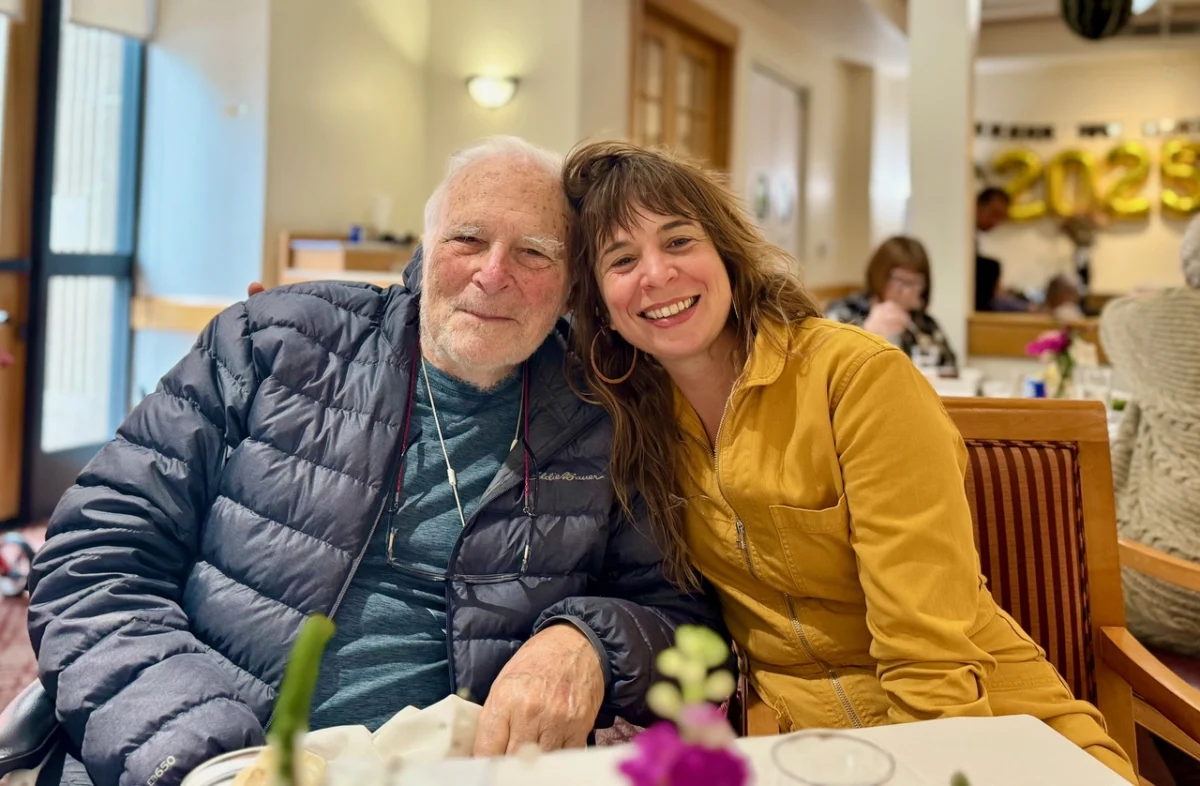
The passing of Dr. Paul Ekman, a towering figure in the field of emotion research and a profound influence on our understanding of human psychology, has prompted a deep reflection on his multifaceted life and enduring contributions. While an obituary in The New York Times highlighted certain controversies, a more comprehensive view reveals a man whose career was characterized by rigorous scientific inquiry, a remarkable personal transformation, and an unwavering commitment to reducing human suffering through the cultivation of emotional intelligence and compassion. His daughter, Eve Ekman, has offered a poignant perspective, emphasizing not just his groundbreaking scientific achievements but also his personal journey of growth and his dedication to applying his insights for the betterment of humanity.
A Life Shaped by Resilience and Driven by Purpose
Paul Ekman’s journey was marked by early adversity. As a child, he experienced profound trauma and loss, experiences that indelibly shaped his academic pursuits. These formative challenges, while deeply personal, fueled a lifelong dedication to understanding the intricacies of human emotion. His daughter, Eve Ekman, a clinical social worker herself, noted that her father’s childhood experiences instilled in him a powerful desire to be the kind of supportive and present parent he had lacked. This commitment manifested in his personal life, where he strove to be an engaged father, a loving husband, and a loyal friend, characterized by a "huge heart, great humor, and an indelible hunger for life."
His marriage of 41 years to his wife, who pursued her own distinguished academic career at UC Berkeley, was a cornerstone of his life. He cherished her presence and support, viewing their shared life as a testament to taking chances and embracing joy. This deep personal connection and shared life enriched his perspective, grounding his scientific endeavors in the realities of human relationships.
The Dharamsala Meeting: A Turning Point in Scientific and Personal Evolution
A pivotal moment in Dr. Ekman’s career, and indeed in his personal evolution, was the 2000 meeting in Dharamsala, India. This historic gathering brought together Dr. Ekman, the Dalai Lama, and a distinguished circle of scientists and contemplative practitioners to explore the nature of "Destructive Emotions." For Dr. Ekman, this encounter proved transformative, significantly altering his understanding of the world and his own internal landscape.
Colleagues and friends were aware of his earlier struggles with anger, a vulnerability he openly acknowledged. However, the profound shift he experienced after the Dharamsala meeting was less widely understood. He often spoke of an "unmistakable, embodied sense" of what it felt like to live with diminished reactivity and anger, a sensation he found difficult to fully articulate but which clearly resonated deeply within him. This experience marked a critical juncture, bridging his scientific exploration of emotions with the practical wisdom of contemplative traditions.
The Dalai Lama’s aspiration for this meeting was not to elevate his own status, but to share the tools of Buddhist practice as a means to alleviate suffering. His hope was that by fostering a deeper understanding of emotions, cultivating a calm mind, and embracing kindness, individuals could navigate the complexities of an interconnected world with greater equanimity. Dr. Ekman embraced this philosophy wholeheartedly, channeling his scientific curiosity and rigor into exploring these profound insights.
Cultivating Emotional Balance: From Research to Global Application
The synergy between Dr. Ekman’s extensive research and his newfound appreciation for contemplative practices led to groundbreaking initiatives aimed at fostering emotional well-being globally. This collaboration was not merely an academic exercise; it was a direct application of his life’s work to alleviate suffering.
Following the Dharamsala meeting, Dr. Ekman, in partnership with Alan Wallace, developed "Cultivating Emotional Balance" (CEB). This evidence-based training program, grounded in both scientific research and contemplative wisdom, was designed to equip individuals with practical tools for understanding and managing their emotions. Eve Ekman, with her background as a clinical social worker in a level-one trauma center, played a crucial role in supporting and disseminating CEB, ensuring its practical application in real-world settings. The program has since been offered internationally, reaching countless individuals seeking to enhance their emotional resilience and compassion.
Further testament to this integrated approach was the creation of the "Atlas of Emotions," a free online tool commissioned by the Dalai Lama in 2016. This project aimed to build a shared vocabulary for describing the vast spectrum of human emotional experiences. The Atlas, which is set to be relaunched for its ten-year anniversary, reflects Dr. Ekman’s enduring commitment to empowering people with the knowledge to understand their emotional lives more fully, thereby fostering greater empathy and reducing conflict. Both CEB and the Atlas of Emotions stand as powerful examples of his dedication to making his research accessible and beneficial to individuals and communities worldwide.
Addressing Scientific Discourse and Misrepresentation
Dr. Ekman’s significant contributions to the field of emotion research have been widely recognized, with his work forming the bedrock for numerous subsequent studies and applications across diverse disciplines, including psychology, neuroscience, medicine, anthropology, national security, and even animation. However, the portrayal of his legacy in certain media outlets, such as a New York Times obituary that emphasized "controversy" by centering a single scientist’s dissenting opinion, has been met with concern.
Eve Ekman has articulated that while scientific discourse inherently involves disagreement and Dr. Ekman welcomed constructive critique, misrepresenting his life’s work by prioritizing a selective critique over an extensive body of peer-reviewed research is a disservice to his scientific contributions and the broader field. The field he helped establish has been extensively replicated, expanded, and refined by hundreds of studies and dozens of laboratories worldwide. To frame his legacy primarily through one critique overlooks the vast consensus and the profound impact his foundational findings have had on global understanding.
A Legacy of Science, Service, and Personal Growth
Paul Ekman’s life was a testament to the power of dedication to both scientific inquiry and personal transformation. He committed his career to the service of reducing human suffering, not only through meticulous research but also through a genuine desire to help individuals achieve greater self-understanding. His willingness to share his own vulnerabilities, to repair relationships, and to evolve into a more open-hearted and generous individual underscores the humanistic core of his work.
He passed away having cultivated deep, meaningful connections and embodying the principles he championed. His daughter’s perspective offers a more complete portrait: a scientist of immense influence, yes, but also a man who rebuilt himself from adversity, a collaborator who bridged ancient wisdom with modern science, and a human being who dedicated his later years to embodying a life characterized by less anger and more compassion.
Dr. Ekman’s life was, by his daughter’s account, complex and imperfect, a reflection of the human condition. Yet, it was also marked by kindness, bravery, humor, boundless curiosity, and an unwavering commitment to improving the world. This narrative of both scientific achievement and profound personal transformation is the story of Paul Ekman that merits wider recognition. Above all, it is the story of a human being who dedicated his life to understanding emotion and expanding compassion, and who never ceased learning how to love well.
The outpouring of well wishes from around the globe following his passing serves as a powerful testament to the far-reaching impact of his work and the personal connections he forged. It is a clear indication that his legacy extends beyond academic journals and into the hearts and minds of countless individuals whose lives have been touched by his insights and his enduring spirit of inquiry and compassion.
