

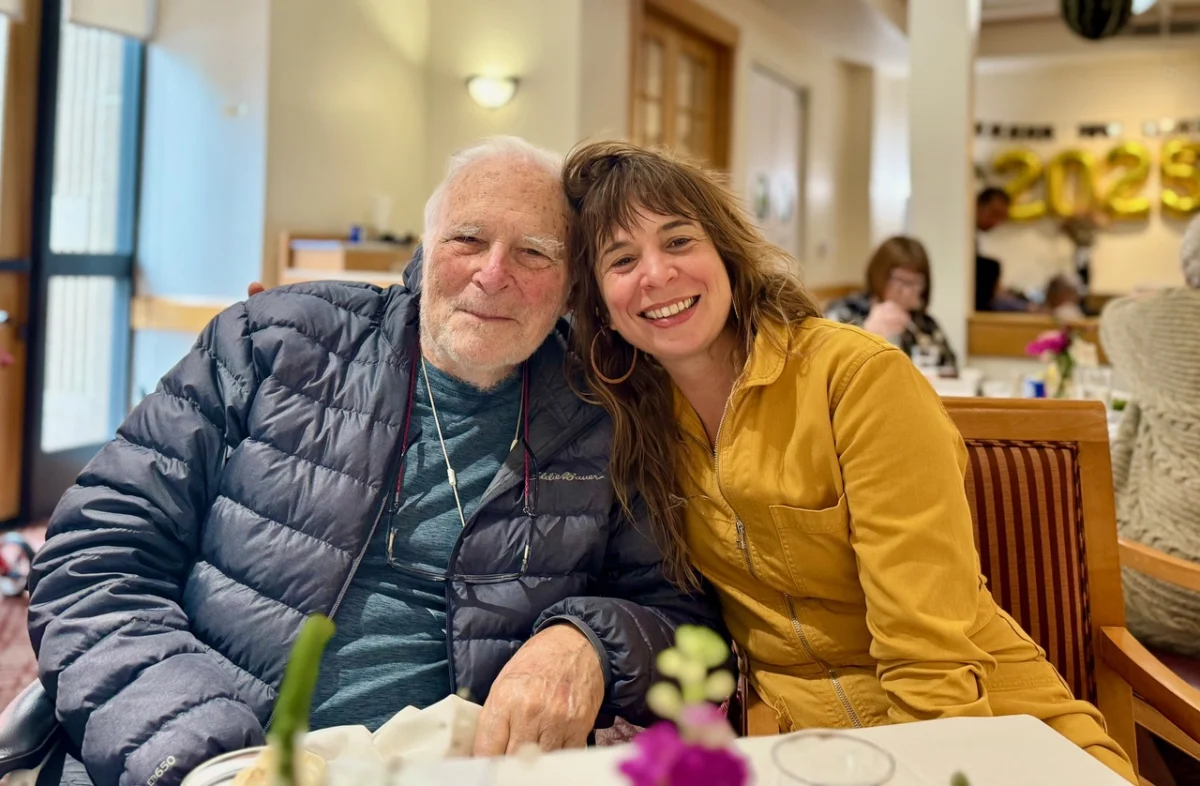
The passing of Dr. Paul Ekman, a towering figure in the field of emotion research, has prompted a wave of reflection on his multifaceted contributions, his personal journey of transformation, and the profound impact of his work on our understanding of human psychology and compassion. While a recent obituary in The New York Times focused on perceived controversies, his daughter, Eve Ekman, has offered a more comprehensive and deeply personal perspective, highlighting not only his scientific achievements but also his remarkable capacity for personal growth and his lifelong dedication to alleviating human suffering. This revised account seeks to provide a broader context for Dr. Ekman’s legacy, weaving together his groundbreaking research with his personal evolution and the enduring influence of his collaborations.
A Life Shaped by Trauma, Dedicated to Understanding
Paul Ekman’s life, from its earliest chapters, was marked by significant personal challenges. As a child, he experienced profound trauma and loss, experiences that, as his daughter articulates, indelibly shaped his scientific inquiry into the nature of human emotion. This early exposure to adversity appears to have fueled a lifelong commitment to understanding the universal and individual expressions of feelings, and a deep-seated drive to contribute to the well-being of others.
His dedication to fatherhood is a recurring theme in his daughter’s remembrance. Despite the absence of a father figure in his own childhood, Dr. Ekman strived to be a present, curious, and supportive parent to Eve and her brother. This commitment extended beyond mere parental duty; he fostered a relationship of genuine friendship and collaboration with his children, acting as a "co-conspirator" in their lives, offering unwavering loyalty and encouragement. His teachings encompassed not only rigorous intellectual pursuits, such as critical thinking and questioning assumptions, but also the cultivation of an open heart, a deep appreciation for music, and practical life skills, such as navigating the steep hills of San Francisco.
The bedrock of his personal life was his enduring partnership with his wife, Eve Ekman, an accomplished academic in her own right at UC Berkeley. Their 41-year marriage, which tragically ended with her death in 2020, was characterized by mutual adoration and support for each other’s careers. Dr. Ekman often expressed his profound gratitude for her belief in him, cherishing the vibrant life they shared together.
The Dharamsala Turning Point: A Catalyst for Change
A pivotal moment in Dr. Ekman’s life, and indeed in his scientific trajectory, was the 2000 meeting in Dharamsala, India. This historic gathering brought together Dr. Ekman, the Dalai Lama, and a distinguished circle of scientists and contemplatives to explore the complex topic of "Destructive Emotions." This encounter profoundly reshaped Dr. Ekman’s worldview and his understanding of himself.
For years, Dr. Ekman had openly acknowledged his own struggles with anger earlier in his life. However, the Dharamsala meeting catalyzed a significant and lasting shift in his approach to managing these emotions. He described an "unmistakable, embodied sense" of what it felt like to live with reduced reactivity and anger, a profound experience that he found difficult to fully articulate but which resonated deeply with him. This personal transformation became a cornerstone of his later work, inspiring a dedication to helping others achieve similar emotional equilibrium.
The Dalai Lama’s vision, as interpreted by Dr. Ekman, was not about elevating him to a position of special reverence, but rather about harnessing the practical tools of Buddhist practice to alleviate suffering. The hope was that by fostering a deeper understanding of emotions, cultivating a calm mind, and embracing kindness in an interconnected world, individuals could lead more fulfilling lives. Dr. Ekman, with his characteristic scientific rigor and insatiable curiosity, embraced this philosophy, dedicating the subsequent decades of his career to exploring its implications and developing practical applications.
Cultivating Emotional Balance and the Atlas of Emotions
The integration of Dr. Ekman’s extensive research with ancient contemplative traditions marked a significant evolution in his career. This period saw the emergence of groundbreaking initiatives aimed at translating complex psychological insights into accessible tools for the public.
Following the Dharamsala meeting, Dr. Ekman, in collaboration with Alan Wallace, developed "Cultivating Emotional Balance" (CEB). This evidence-based training program focuses on understanding emotions and cultivating compassion. Its development was a direct outgrowth of the insights gained from the historic 2000 gathering and Dr. Ekman’s personal journey. Eve Ekman, with her background as a clinical social worker in a level-one trauma center, played a crucial role in supporting and teaching CEB, ensuring its practical application and accessibility to individuals seeking to manage their emotional lives. The program has since been offered globally, underscoring its widespread relevance and impact.
Further cementing this collaborative spirit and his commitment to accessible emotional education, Dr. Ekman partnered with his daughter to create the "Atlas of Emotions." Commissioned by the Dalai Lama in 2016, this free online tool was designed to equip individuals with a richer vocabulary for describing their emotional experiences. The Atlas aims to empower users to better understand the nuances of their feelings, a crucial step in managing them effectively and fostering greater empathy. With its ten-year anniversary approaching, the Atlas of Emotions is slated for a relaunch, signaling its continued importance in the field of emotional literacy. Both CEB and the Atlas of Emotions embody Dr. Ekman’s deepest convictions in his later years: that understanding one’s emotions is paramount to reducing personal and collective suffering.
Addressing Scientific Discourse and Legacy
Eve Ekman’s commentary directly addresses a perceived misrepresentation of her father’s work in a recent New York Times obituary, which she contends framed his extensive contributions through the lens of "controversy" by prioritizing a single critic’s perspective over the vast body of peer-reviewed research. She emphasizes that scientific progress inherently involves debate and disagreement, which Dr. Ekman actively welcomed. However, she argues that centering his legacy on a selective critique, rather than the hundreds of studies and dozens of research labs that have built upon his foundational findings, distorts both his scientific impact and the broader field of emotion research.
The implications of Dr. Ekman’s work extend far beyond academic psychology. His research has significantly influenced diverse fields, including neuroscience, medicine, anthropology, national security, and even animation. The ability to understand and express emotions universally, a core tenet of his research, has practical applications in international relations, conflict resolution, and the development of more empathetic artificial intelligence. The meticulous study of facial expressions, a cornerstone of his early career, provided a scientific basis for understanding non-verbal communication, which is critical in various professional and interpersonal contexts.
A Scientist, a Father, a Human Being
Paul Ekman’s life was a testament to the power of personal transformation and the enduring pursuit of knowledge in service of humanity. He dedicated himself not only to rigorous scientific inquiry but also to fostering genuine human connection and empathy. His willingness to share his own vulnerabilities, to mend relationships, and to evolve into a more open-hearted and generous individual throughout his life is a powerful narrative of personal growth.
He maintained deep and meaningful connections with loved ones until the final months of his life, a testament to his enduring capacity for love and companionship. While acknowledging that he was, like all individuals, complex and imperfect, his daughter highlights his kindness, bravery, humor, and boundless curiosity. His commitment to making the world a better place through his work and his personal example is the narrative she hopes will be remembered alongside his scientific achievements.
The story of Paul Ekman, as presented by his daughter, is one of profound scientific influence intertwined with a deeply personal journey of rebuilding from adversity, embracing change, and integrating ancient wisdom with modern science. Ultimately, it is the story of a human being who dedicated his life to understanding the intricate landscape of human emotion and expanding the reach of compassion, a journey of continuous learning and an unwavering commitment to loving well. The outpouring of well wishes from individuals around the globe serves as a powerful affirmation of the significant impact Dr. Ekman and his work have had on countless lives, a legacy that continues to inspire and guide.
