

Ten years ago, a groundbreaking initiative aimed at demystifying the complex terrain of human emotion was unveiled to the world. The Atlas of Emotions, a project born from a unique and profound collaboration between renowned psychologist Dr. Paul Ekman, his daughter and fellow researcher Dr. Eve Ekman, and His Holiness the 14th Dalai Lama, set out to create a scientifically robust yet universally accessible framework for understanding our inner emotional lives. Today, a decade after its inception, the Atlas of Emotions stands as a testament to its enduring impact, its influence reverberating across educational institutions, therapeutic practices, cutting-edge research laboratories, and countless everyday conversations globally.
The Genesis of a Vision: Bridging Science and Contemplation
The conceptualization of the Atlas of Emotions began with Dr. Paul Ekman’s ambitious quest to identify common ground within the scientific community regarding the fundamental nature of human emotions. This endeavor was crucial in establishing a solid foundation for the project. His extensive survey, encompassing the insights of nearly 250 emotion scientists, revealed a significant consensus on the existence and universality of certain core emotions. This seminal research, detailed in his own publications, provided the scientific bedrock upon which the Atlas would be built.
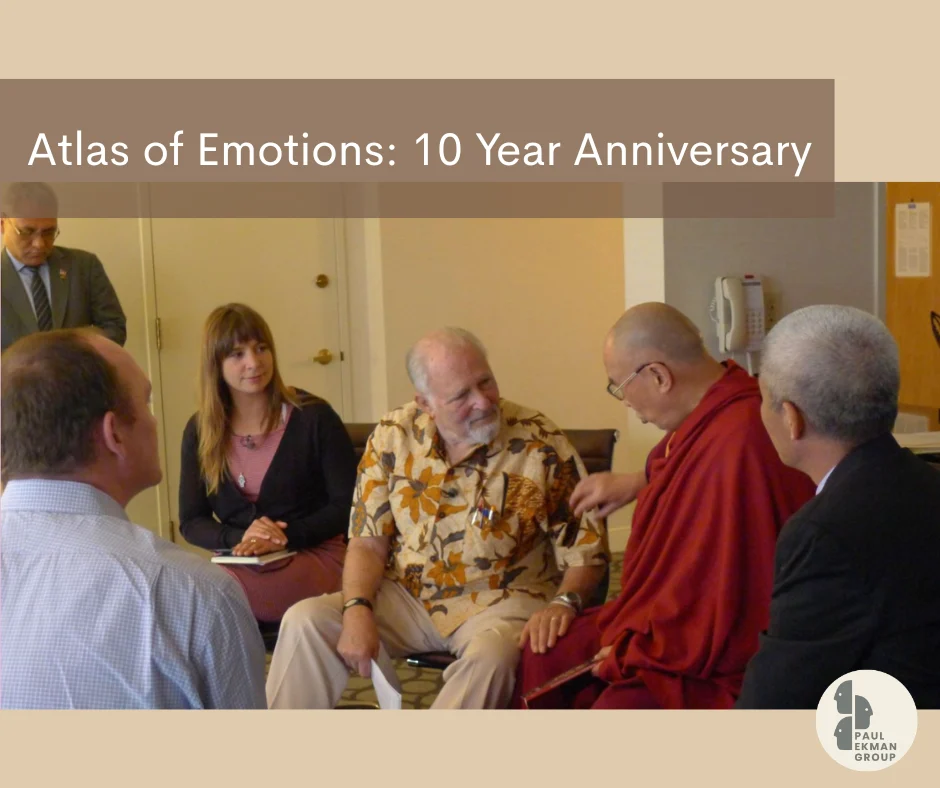
The collaborative spirit that defined the Atlas was further exemplified by a rare glimpse into its developmental stages. Never-before-seen footage from a working meeting between the Ekman team and His Holiness the Dalai Lama has been released to commemorate the ten-year anniversary. This intimate documentary footage captures the dynamic interplay of rigorous psychological inquiry, sophisticated graphic design, and the profound contemplative wisdom offered by the Dalai Lama. It vividly illustrates the interdisciplinary approach that characterized the Atlas’s creation, emphasizing a shared commitment to making the science of emotion accessible and applicable. The footage underscores the project’s foundational principle: building understanding through consensus and cross-disciplinary dialogue.
From Concept to Global Recognition: The Atlas’s Journey
Launched in 2016, the Atlas of Emotions swiftly garnered international acclaim. Its innovative approach to mapping the emotional landscape and translating complex psychological concepts into an easily digestible format captured the public’s imagination. Prominent media outlets, including The New York Times, recognized the Atlas’s significance, publishing articles that highlighted its unique methodology and its potential to foster greater emotional literacy worldwide. This early recognition served as a powerful catalyst, propelling the Atlas into widespread adoption across diverse sectors.
Over the past decade, the Atlas has demonstrably permeated various spheres of influence. Educational institutions have integrated its framework into curricula, equipping students with essential tools for emotional intelligence from an early age. In the realm of mental health, therapists and counselors have found the Atlas to be an invaluable resource for facilitating client self-awareness and deepening therapeutic interventions. Researchers continue to leverage the Atlas as a conceptual anchor for studies exploring the nuances of emotional experience and its impact on human behavior. Beyond these formal settings, the Atlas has empowered individuals to navigate their own emotional lives with greater clarity and understanding, fostering more constructive interpersonal relationships and contributing to personal well-being.
Quantifying the Impact: Data and Anecdotal Evidence
While precise quantitative data on the Atlas’s global reach is still being compiled, its widespread integration speaks volumes. The interactive online platform has been accessed by millions of users worldwide, with analytics indicating significant engagement from North America, Europe, and Asia. Case studies and testimonials from educators, clinicians, and individuals consistently point to tangible benefits. For instance, a survey conducted among educators who have implemented the Atlas in primary and secondary schools reported a notable increase in students’ ability to identify and articulate their emotions, leading to a reduction in classroom conflicts and an improvement in overall learning environments.
In therapeutic settings, therapists have reported that the Atlas aids in clients articulating feelings that were previously difficult to name, thereby accelerating the process of identifying underlying issues and developing coping mechanisms. The framework’s ability to differentiate between similar emotions, such as sadness and disappointment, or anger and frustration, has been frequently cited as a key benefit. This nuanced understanding, facilitated by the Atlas, empowers individuals to respond to their emotional states more effectively, rather than react impulsively. The visual and interactive nature of the Atlas has also proven particularly effective for individuals who struggle with verbalizing their internal experiences, providing a common language and a visual reference point for emotional exploration.
A Collaborative Endeavor: The Dalai Lama’s Vision
His Holiness the Dalai Lama’s involvement was instrumental in shaping the Atlas’s philosophical underpinnings. His lifelong advocacy for compassion, mindfulness, and emotional well-being provided a critical contemplative dimension to the project. The Dalai Lama has consistently emphasized the importance of understanding our emotions as a pathway to inner peace and a more harmonious society. His participation lent a profound ethical and humanitarian perspective, ensuring that the Atlas was not merely an academic exercise but a tool for fostering human flourishing. In his public statements regarding the Atlas, the Dalai Lama has often articulated the idea that understanding our emotions is akin to understanding ourselves, and that this self-knowledge is the foundation for developing empathy and compassion for others. This perspective aligns with the Buddhist concept of vipassanā, or insight meditation, which involves mindful observation of one’s own mental and emotional states.
Looking Ahead: Evolution and Expansion
As the Atlas of Emotions celebrates this significant ten-year milestone, the focus is firmly set on the future. The project team is actively engaged in developing new iterations and expanding its reach. Updates to the online, interactive Atlas are planned for the near future, promising enhanced features and a more intuitive user experience. Furthermore, Dr. Eve Ekman is currently authoring an Atlas of Emotions book, slated for release in 2027. This forthcoming publication is anticipated to delve deeper into the intricacies of the emotional landscape, offering expanded insights, updated research findings, and novel approaches to engaging with the emotional experiences that shape our lives.
The development of the book represents a significant step in consolidating and disseminating the Atlas’s accumulated knowledge. It aims to provide a comprehensive resource for academics, practitioners, and the general public alike, offering a rich tapestry of emotional understanding grounded in both scientific rigor and contemplative wisdom. This expansion signifies a commitment to continuing the dialogue on emotional intelligence and its vital role in personal and societal well-being.
Engaging the Community: Shaping the Next Chapter
In commemoration of its anniversary, the Atlas of Emotions team is actively soliciting feedback from its global user base. This initiative underscores a commitment to a user-centric approach, recognizing that the ongoing evolution of the Atlas depends on the lived experiences of those who engage with it. Users are invited to share how they have utilized the Atlas, what insights it has provided, and what changes it has facilitated in their understanding and approach to emotions.
This feedback mechanism is crucial for informing the next phase of development. By gathering diverse perspectives, the project team can identify areas for improvement, explore new applications, and ensure that the Atlas remains a relevant and impactful resource. The call for contributions is an invitation to become active participants in the ongoing journey of emotional exploration and understanding. The submission form for feedback is readily available, encouraging individuals to contribute their valuable experiences and help shape the future trajectory of this influential initiative. This participatory approach ensures that the Atlas of Emotions continues to grow and adapt, remaining at the forefront of emotional literacy and well-being initiatives.
The Enduring Significance of Emotional Literacy
The ten-year anniversary of the Atlas of Emotions serves as a powerful reminder of the profound and often underestimated importance of emotional literacy. In an increasingly complex and interconnected world, the ability to understand, manage, and express emotions effectively is not merely a personal asset but a societal imperative. The Atlas, through its unique synthesis of scientific inquiry and contemplative wisdom, has provided an invaluable tool for fostering this critical human capacity. As it continues to evolve and expand, its legacy as a beacon for emotional understanding and its potential to foster greater empathy, resilience, and well-being across the globe are poised to grow even stronger. The ongoing work promises to further illuminate the intricate tapestry of human emotion, equipping individuals with the knowledge and tools to navigate their inner worlds with greater clarity, compassion, and wisdom.
