

The ubiquitous presence of home recording studios, particularly within the burgeoning voice-over industry, has brought a common question to the forefront of audio production discussions: "Do I need a sound reflection filter in my home studio?" This inquiry, frequently posed by aspiring and established voice artists alike, demands a comprehensive examination beyond simple affirmations or negations. To provide a definitive answer, we must first establish a fundamental understanding of what constitutes a home recording studio, the principles governing microphone functionality, and the intricate interplay between these elements and acoustic environments.
Defining the Home Recording Studio’s Purpose
At its core, a home recording studio aims to create a controlled and consistent environment for capturing audio. This involves achieving two primary objectives: isolating the recording space from external sound ingress and egress, and critically, minimizing the impact of internal sound reflections on the microphone. Unwanted reflections, often referred to as room echo or reverberation, can significantly degrade the clarity and professional quality of an audio recording, introducing muddiness and diminishing the intelligibility of speech. The ultimate goal is to capture a "dry" vocal signal, free from the sonic coloration of its surroundings, allowing for maximum flexibility in post-production.

The Physics of Sound and Reflection
Understanding how sound behaves within a recording space is crucial. Sound waves emanate from a source and propagate outwards. When these waves encounter surfaces, they can be absorbed, transmitted, or reflected. Hard, flat surfaces, such as plaster walls, glass windows, or untreated wooden desks, are highly reflective. This means that sound energy bounces off these surfaces with minimal loss, creating echoes that can interfere with the direct sound captured by the microphone. Conversely, soft, porous materials like thick curtains, carpets, or acoustic foam are designed to absorb sound energy, reducing the intensity of reflections.
The effectiveness of sound treatment is directly proportional to the material’s ability to dissipate sound energy, converting it into heat. This principle underlies various approaches to acoustic conditioning, from the professional installation of acoustic panels to the more rudimentary methods of using blankets or duvets. Even the presence of objects within the room can influence sound reflection. For instance, a densely packed bookshelf might diffuse sound waves, while a large, flat monitor screen will likely reflect them.
The Rise of the Reflection Filter: A Market Response
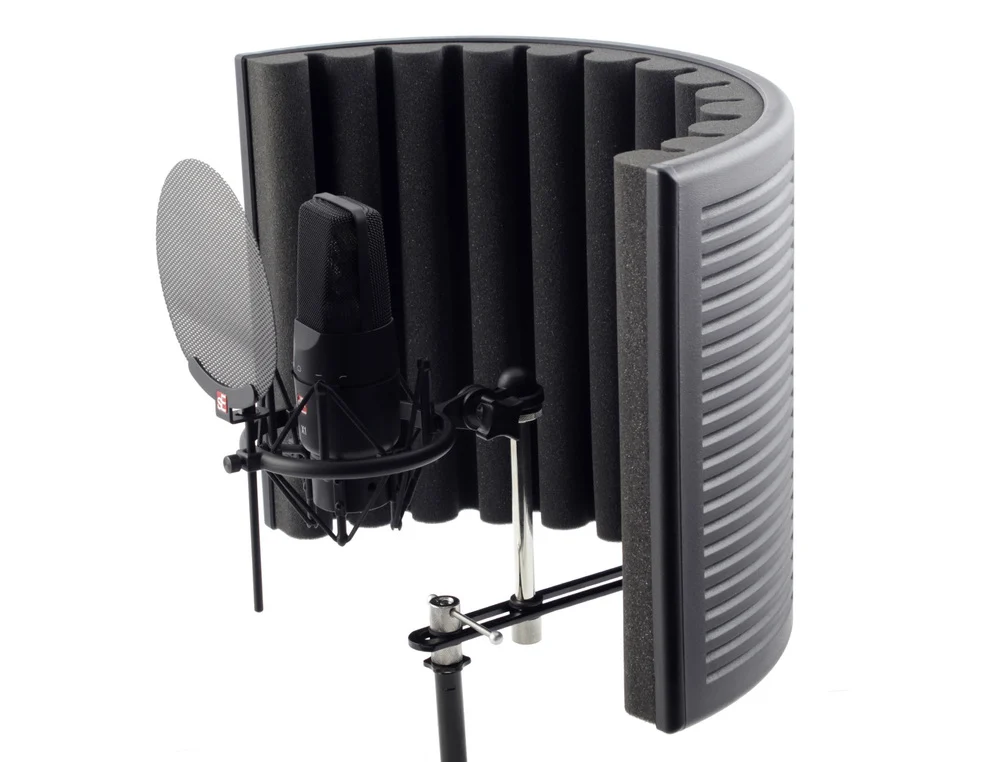
In response to the common challenge of acoustic treatment in home studios, a specific piece of equipment known as the sound reflection filter emerged as a popular solution. These devices typically consist of a semi-circular or circular baffle lined with sound-absorbing material, designed to be mounted around a microphone. The premise is that by enclosing the microphone, these filters will prevent ambient room reflections from reaching the microphone’s capsule, thereby isolating the sound source.

Marketed as an accessible and effective way to improve home studio acoustics, reflection filters have been widely adopted by voice artists and musicians operating in less-than-ideal recording environments. Prominent manufacturers include Auray and sE Electronics, whose products are often showcased in promotional materials and online tutorials. The visual appeal of these filters, suggesting a professional setup, has contributed to their perceived efficacy.
Deconstructing the Reflection Filter’s Efficacy: The Microphone’s Role
Despite their widespread use and intuitive appeal, the actual effectiveness of sound reflection filters in achieving their stated purpose is a subject of considerable debate within audio engineering circles. The key to understanding this lies in the fundamental operational principles of the microphone itself, specifically its polar pickup pattern.
Microphones are not omnidirectional sound collectors. Instead, most directional microphones are designed to be most sensitive to sound originating from a particular direction, while exhibiting reduced sensitivity to sound from other directions. This directional characteristic is defined by the microphone’s polar pickup pattern.
Common Polar Pickup Patterns:
- Omnidirectional: This pattern captures sound equally from all directions. While useful for capturing a sense of space or for situations where the sound source is not fixed, it is highly susceptible to picking up ambient room noise and reflections.
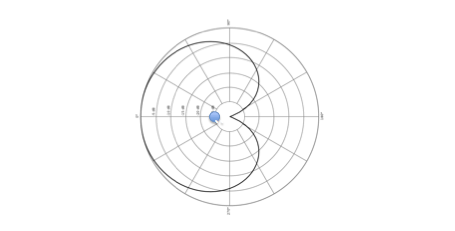
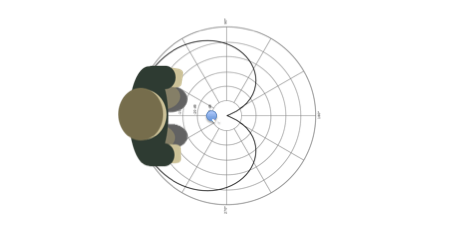
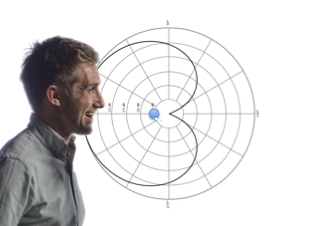
- Cardioid: This is the most common pattern for voice recording. It is most sensitive to sound from the front of the microphone and progressively less sensitive to sound from the sides and rear. This directional focus helps to minimize the capture of room reflections and background noise.
- Figure-8 (Bidirectional): This pattern is equally sensitive to sound from the front and the rear of the microphone, with significant rejection from the sides. This pattern is often used in stereo recording techniques or for isolating specific sources while allowing others to be captured from the rear.
- Hypercardioid and Supercardioid: These patterns are variations of the cardioid pattern, offering tighter front pickup but also picking up a small amount of sound directly from the rear.
The choice of polar pattern is a critical factor in managing sound capture. For voice-over work, where clarity and isolation are paramount, the cardioid pattern is almost universally preferred. By focusing on the sound source directly in front of the microphone, the cardioid pattern inherently rejects a significant portion of sound originating from the sides and rear, which is precisely where most room reflections would originate.
The Critical Flaw in the Reflection Filter Argument
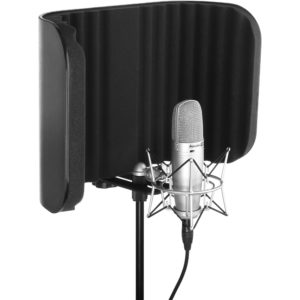
The fundamental misunderstanding regarding reflection filters arises from their placement in relation to the microphone’s actual pickup pattern. When a reflection filter is positioned around a cardioid microphone, the absorbent material is primarily blocking sound waves that the microphone is already designed to reject.
Consider a visual representation: Imagine the cardioid pickup pattern as a heart-shaped "bubble" extending forward from the microphone. Sound waves originating from within this bubble are captured most effectively. Sound waves arriving from the sides are picked up to a lesser degree, and sound waves from the rear are largely ignored.
Now, introduce the reflection filter. This device, typically mounted behind and to the sides of the microphone, intercepts sound waves originating from the room. However, many of these intercepted waves are already being significantly attenuated by the microphone’s cardioid pattern. The filter may absorb some sound that would have reached the sides of the microphone, but its impact on the primary pickup area – the front – is minimal.
The crucial point is that the reflection filter does not alter the microphone’s inherent directional sensitivity. It acts as a barrier, but the barrier is positioned in a way that largely overlaps with the microphone’s zones of rejection. Therefore, while it might offer a marginal reduction in side reflections, it does not fundamentally change the acoustic signature of the recording in the way that comprehensive room treatment does. Numerous empirical tests, including blind A/B comparisons, have consistently shown that the audible difference between recordings made with and without a reflection filter, in the same untreated room, is often negligible.
Why the Misconception Persists: Psychological and Marketing Factors
The persistent popularity of reflection filters can be attributed to several factors. Firstly, the visual cue of a professional-looking piece of equipment can create a psychological sense of improvement, even if the technical impact is minimal. Users may feel they are "doing something" to improve their acoustics, which can be reassuring.
Secondly, marketing plays a significant role. Manufacturers and retailers often present reflection filters as essential tools for home studio success, leveraging aspirational imagery and testimonials. This creates a perceived need, encouraging less experienced users to invest in equipment that promises quick and easy acoustic solutions.
Thirdly, there’s a genuine desire among many voice artists to improve their recordings. Faced with the complexities of acoustic treatment, a seemingly simple and relatively inexpensive solution like a reflection filter can appear highly attractive. The lack of immediate, obvious negative consequences (i.e., it doesn’t harm the recording, it just doesn’t help significantly) further perpetuates its use.
The True Path to Professional Sound: Comprehensive Acoustic Treatment
If reflection filters are largely ineffective, what is the genuine solution for achieving professional-sounding recordings in a home studio? The answer lies in addressing the acoustic environment itself. This involves a multi-faceted approach to sound treatment, aiming to control reflections throughout the recording space.
Key Strategies for Acoustic Treatment:
- Room Selection: The ideal scenario is to choose a room that is already conducive to recording. Smaller rooms with irregular shapes, or rooms with a significant amount of soft furnishings (like bedrooms with beds, wardrobes, and carpets), tend to be acoustically better than large, square rooms with hard surfaces.
- Absorption: Employing broadband acoustic panels strategically placed on walls and ceilings is the most effective way to absorb sound reflections. These panels are typically made of dense fiberglass or mineral wool and are designed to absorb a wide range of frequencies. Placement should focus on "first reflection points" – areas where sound bounces directly from the source to the microphone.
- Diffusion: While absorption is crucial for taming reflections, diffusion involves scattering sound waves in multiple directions. This helps to prevent the room from sounding "dead" and can create a more natural and pleasing acoustic space. Diffusive elements can include irregularly shaped surfaces, bookshelves filled with books of varying sizes, or specialized acoustic diffusers.
- Isolation: While not directly related to reflections, preventing sound from entering or leaving the recording space is also a critical aspect of home studio setup. This can involve sealing gaps under doors, using heavy curtains over windows, and potentially employing double-layered walls or soundproof doors for more advanced isolation.
- DIY Solutions: For those on a budget, effective acoustic treatment can be achieved through DIY methods. This might involve building simple acoustic panels from readily available materials or utilizing existing soft furnishings strategically. The key is to understand the principles of sound absorption and reflection and apply them thoughtfully.
The Implications for the Voice Artist
The realization that reflection filters are an ineffective investment has significant implications for voice artists and other audio professionals working from home. It underscores the importance of prioritizing acoustic treatment over superficial aids. Instead of spending money on a reflection filter, those funds would be far better allocated towards materials for building acoustic panels, or even towards professional acoustic consultation if budget allows.
The absence of a reflection filter does not preclude the possibility of excellent recordings. Many highly successful voice artists have achieved professional results in home studios that have been meticulously treated for acoustics. The critical difference lies in the commitment to understanding and managing the acoustic properties of the recording environment.
Conclusion: A Call for Informed Investment
In response to the persistent question, the definitive answer is that a sound reflection filter is not a necessary or effective tool for improving the quality of recordings in a home studio. Their perceived benefits are largely illusory, stemming from a misunderstanding of microphone technology and the impact of marketing. The true path to professional-sounding audio lies in investing time, effort, and resources into creating a properly sound-treated recording space. By focusing on absorption and diffusion techniques, voice artists can achieve a level of audio clarity and control that no reflection filter can replicate. The advice from experienced audio professionals and the evidence from countless successful home studios point towards a singular truth: prioritize your room’s acoustics, and save your money on devices that offer little to no real-world benefit.
