

The debate surrounding the efficacy of sound reflection filters in home recording environments is a recurring theme among audio professionals and hobbyists alike. This in-depth analysis aims to provide a definitive answer, dissecting the core principles of acoustic recording and the actual function of these often-misunderstood devices.
Understanding the Home Recording Studio Ecosystem
At its heart, a home recording studio, regardless of its scale or sophistication, is designed to achieve a singular goal: to create a controlled and consistent environment for capturing audio. This controlled space must meticulously prevent unwanted sound from entering (ingress) and escaping (egress) the recording area. Crucially, it must also minimize internal acoustic anomalies, particularly sound reflections, that can compromise the integrity of the recorded signal.

The fundamental purpose of a recording studio is to isolate the desired sound source – typically a voice or musical instrument – from its surroundings. This isolation ensures that the microphone captures only the intended audio, free from the detrimental effects of room reverberation, ambient noise, and other acoustic interference. When these elements are not properly managed, the resulting recordings can sound "boxy," distant, or generally unprofessional, requiring extensive post-production processing to correct, which often leads to a loss of audio fidelity.
The Science of Sound and Microphones
To comprehend the role, or lack thereof, of reflection filters, it’s imperative to understand how microphones capture sound and the nature of acoustic reflections. Sound waves are energy that travel through a medium, and when they encounter a surface, they can be absorbed, transmitted, or reflected. In an untreated room, hard, flat surfaces like walls, ceilings, and windows act as efficient reflectors, bouncing sound waves back into the room. These reflected waves, upon reaching the microphone, can interfere with the direct sound, creating undesirable coloration and reducing clarity.
Microphones, the primary tools for capturing sound, are designed with varying sensitivities and directional characteristics. These characteristics are described by their "polar pickup patterns," which map the microphone’s sensitivity to sound arriving from different directions relative to its front.

Common Polar Pickup Patterns:
- Omnidirectional: Picks up sound equally from all directions. While it captures a full, natural sound, it also picks up a significant amount of room ambience and reflections.
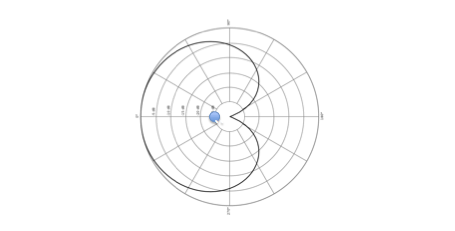
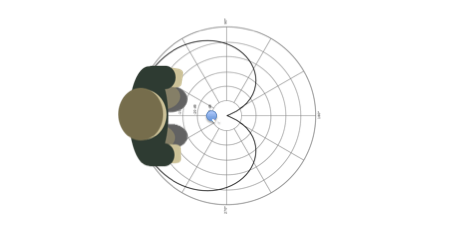
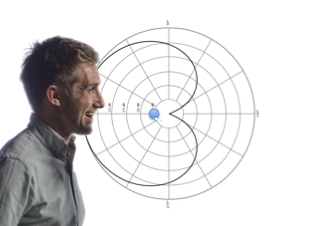
- Cardioid: Picks up sound most effectively from the front, with progressively less sensitivity to the sides and rear. This directional pattern is highly effective at isolating the sound source and minimizing the capture of room reflections.
- Figure-8 (Bidirectional): Picks up sound equally from the front and rear, with significant rejection from the sides. Often used for specific stereo techniques or capturing two sources simultaneously.
- Hypercardioid and Supercardioid: These are variations of the cardioid pattern, offering even tighter directional pickup at the front but with small lobes of sensitivity at the rear.
For voice-over artists and most home studio applications, the cardioid pattern is the preferred choice. This is because its inherent directionality significantly reduces the amount of ambient sound and reflections that reach the microphone. By focusing on the sound source directly in front of the mic, the cardioid pattern inherently acts as a form of acoustic filtering.
The Illusion of the Reflection Filter
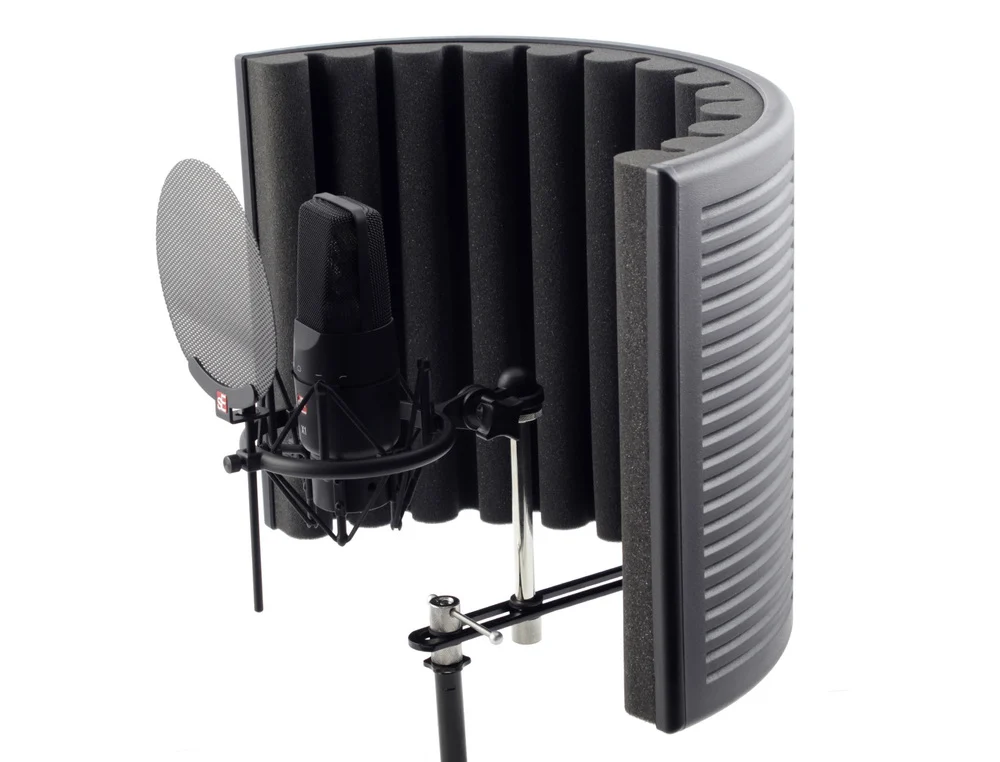
Sound reflection filters, commonly seen as semi-circular or bell-shaped devices with acoustic foam lining, are designed to be placed around a microphone. The marketing and perceived utility of these filters suggest they create a localized "dead zone" around the microphone, effectively preventing room reflections from reaching the capsule.
However, a closer examination of microphone polar patterns reveals a critical flaw in this premise. When a microphone is set to its cardioid pattern, it is already designed to reject sound from the sides and rear. The primary sound source, the voice, is directed towards the front of the microphone, which is precisely where the polar pattern is most sensitive.
Consider a typical setup: a voice artist speaking into a cardioid microphone. The microphone’s sensitivity "bubble" is concentrated in front of it. Sound reflections, originating from the walls, ceiling, and other surfaces in the room, arrive at the microphone from various angles. While the cardioid pattern significantly attenuates reflections coming from the sides and rear, the reflection filter, positioned around the microphone, primarily blocks reflections that would have already been largely rejected by the microphone’s inherent directionality.
Visualizing the Interaction:
Imagine a diagram representing the cardioid pickup pattern. This pattern, often depicted as a heart shape from a top-down view, illustrates that sound is most strongly captured from the front. Reflections, arriving from all directions, would interact with the microphone. However, the cardioid pattern means that only a fraction of these reflections, particularly those originating from the sides and to a lesser extent the front, would be significantly captured.
Now, introduce a reflection filter. This filter surrounds the microphone, attempting to absorb or deflect incoming sound waves. The crucial point is that the filter’s protective barrier is positioned outside the microphone’s primary pickup zone. While it might offer some marginal reduction in sound reaching the sides of the microphone, it does little to alter the sound captured from the front, which is the direct voice. Furthermore, it has virtually no impact on reflections that might arrive from the front of the microphone, albeit from a slightly angled path.
Extensive testing, including blind A/B comparisons of recordings made with and without these filters, has consistently shown a negligible, if any, discernible difference in the final audio quality. The perceived improvement is often attributed to the placebo effect or subtle changes in microphone placement due to the filter’s presence, rather than the filter’s actual acoustic properties.
Why the Persistent Popularity?
The continued prevalence of sound reflection filters in home studios can be attributed to several factors:
- Visual Appeal and Marketing: They appear professional and are frequently featured in marketing materials and online tutorials, creating an impression of necessity.
- Inexperience and Misinformation: Newer audio enthusiasts, often seeking quick fixes for acoustic problems, are susceptible to believing that such devices offer a simple solution.
- Social Proof: Seeing other, ostensibly successful, producers and voice artists using them can lead to a "fear of missing out" or an assumption of efficacy.
- Misunderstanding of Acoustics: A lack of deep understanding of how microphones and sound waves interact can lead to the adoption of seemingly logical but ultimately ineffective solutions.
The Unvarnished Truth: Do You Need One?
Based on acoustic principles and empirical evidence, the answer is a resounding no. Sound reflection filters, in their current common form, are largely ineffective at significantly improving the sound quality of a home recording. They represent a significant expenditure that could be far better allocated towards actual acoustic treatment.
The Real Solution: Investing in Acoustic Treatment
If the goal is to achieve professional-sounding recordings, the focus must shift from peripheral accessories to fundamental acoustic principles. The most effective way to combat unwanted sound reflections is to create a properly sound-treated recording space. This involves:
- Absorption: Utilizing materials that absorb sound waves, such as acoustic foam panels, bass traps, and heavy curtains. These materials convert sound energy into heat, preventing reflections.
- Diffusion: Employing diffusers, which are irregularly shaped surfaces that scatter sound waves in multiple directions, preventing the formation of strong, coherent reflections and creating a more natural-sounding acoustic environment.
- Isolation: Building or adapting a space to prevent sound ingress and egress. This can range from professional vocal booths to DIY solutions like building a closet into a vocal booth.
The concept of a "dead room" is a misconception. The aim is not to eliminate all sound, but to control reflections and create a balanced acoustic environment where the microphone can capture a clean, direct signal.
A Timeline of Acoustic Solutions
The journey to understanding effective home studio acoustics can be seen as an evolution:
- Early Days: Reliance on natural room acoustics, often leading to inconsistent results.
- Emergence of Reflection Filters: Introduced as a seemingly simple, portable solution to reflections, gaining traction due to marketing and ease of perceived implementation.
- Rise of DIY Acoustic Treatment: As understanding grew, individuals began experimenting with readily available materials like blankets, duvets, and egg cartons to dampen sound.
- Professional Acoustic Solutions: Development of specialized acoustic panels, bass traps, and diffusers designed for optimal sound absorption and diffusion.
- Modern Approach: A comprehensive understanding that true acoustic control requires addressing the room itself, rather than relying on accessories placed directly around the microphone.
Implications for the Audio Industry
The widespread adoption of ineffective reflection filters has potentially hampered the progress of many aspiring audio professionals. The resources that could have been invested in proper acoustic treatment are instead spent on devices that offer little to no tangible benefit. This perpetuates a cycle of suboptimal recordings and a misunderstanding of fundamental audio engineering principles.
The industry, particularly educational platforms and manufacturers, has a responsibility to disseminate accurate information regarding acoustic treatment and the limitations of devices like reflection filters. Promoting evidence-based practices over marketing-driven pseudoscience is crucial for fostering genuine improvement in audio quality.
Conclusion: Prioritize the Environment
In conclusion, while the intention behind sound reflection filters may be to improve recording quality, their actual impact is minimal, especially when compared to the significant benefits of proper acoustic treatment. For anyone serious about achieving professional-sounding recordings in their home studio, the focus should be on creating a well-treated acoustic space. This involves investing time, effort, and resources into controlling the room’s acoustics through absorption and diffusion, rather than relying on a device that, while visually impressive, fails to address the core acoustic challenges effectively. Save your money, invest in your room, and your recordings will thank you.
