


The subtle yet critical element of "flow" in voiceover delivery is paramount for engaging an audience, and a common impediment to achieving this is a phenomenon known as "blocking." This technical issue, often prevalent among newcomers to the voiceover industry, disrupts the natural cadence of speech, resulting in a disjointed and less impactful auditory experience for the listener. This article delves into the intricacies of voiceover flow and blocking, offering a comprehensive understanding and practical strategies for its rectification.
The Essence of Voiceover Flow
Voiceover flow refers to the natural, unforced rhythm and pacing of spoken dialogue, mirroring the organic patterns of human conversation. Consider, for a moment, an unscripted conversation between friends. If such an interaction were recorded and analyzed, several key characteristics would emerge. Human speech is not a relentless, unbroken stream of words. Instead, it incorporates natural pauses, breaths, subtle hesitations, and variations in speed and emphasis that contribute to its intelligibility and emotional resonance. These elements, when replicated effectively in voiceover, create an auditory experience that is not only pleasing to the ear but also facilitates comprehension and maintains listener engagement.
In the realm of professional voiceover, achieving this natural flow is crucial, though its precise manifestation can vary significantly across different genres. For instance, character voices in animation often require a more exaggerated and dynamic flow compared to the measured and informative delivery needed for e-learning modules. Similarly, corporate narration demands a polished yet accessible rhythm, distinct from the often highly stylized and performative nature of commercial advertising. Regardless of the specific application, the goal remains consistent: to imbue the delivery with an appropriate pace and strategic use of space, ensuring the message is conveyed effectively without overwhelming or disengaging the audience. This might involve incorporating subtle humanizing elements, such as slight imperfections in articulation or natural breaths, or conversely, adhering to a more precise and controlled delivery when the context demands it.
The fundamental principle underpinning effective voiceover flow is its humanistic quality. As the adage suggests, "It’s crucial that we deliver dialogue with a good, human flow to it, so that the listener doesn’t have to work to understand or accept it." This implies that the delivery should feel intuitive and effortless for the listener, allowing them to absorb the information or narrative without cognitive strain.

Deconstructing ‘Blocking’ in Voiceover
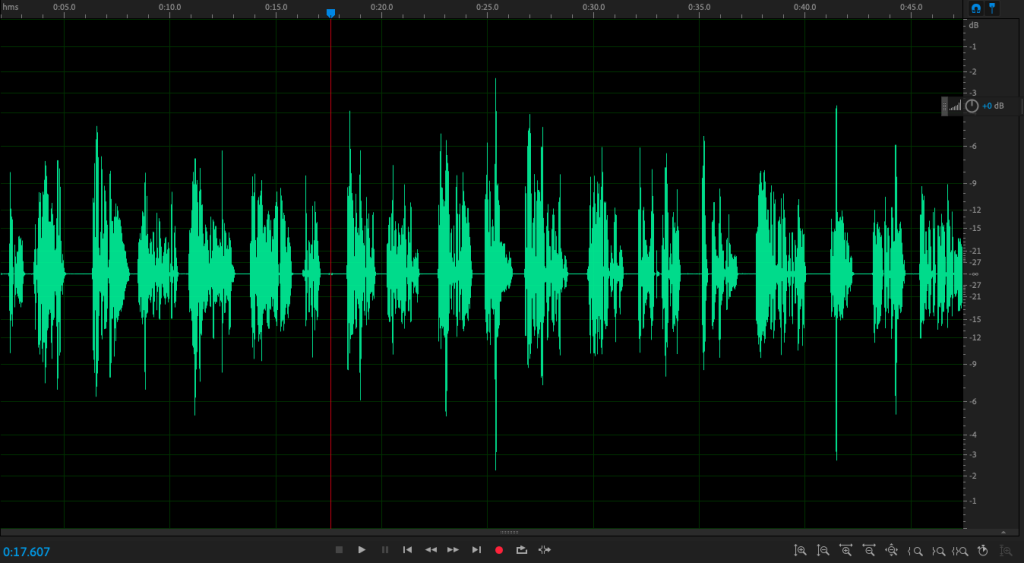
"Blocking" is the technical term used to describe an unnatural disruption in voiceover flow. The name originates from the visual representation of such an anomaly in audio editing software. When a voiceover exhibits blocking, the waveform, which visually depicts the sound, displays distinct, segmented "blocks" of audio separated by unusually large or abrupt silences. This visual cue directly correlates with an audible effect that can be described as "staccato" or disjointed.
An examination of a waveform exhibiting blocking, as illustrated in accompanying visual aids, reveals stark, isolated segments of speech. When listening to audio characterized by blocking, the effect is akin to a series of abrupt stops and starts. This deviates significantly from the smooth, continuous nature of natural human speech that listeners are accustomed to. Consequently, this creates an uncomfortable experience for the audience, forcing them to anticipate the next segment of speech and diminishing the overall pleasure and effectiveness of the delivery. The listener is essentially being made to "work" to follow the narrative, a scenario that professional voiceover artists strive to avoid.
The Visual Manifestation of Blocking
The visual representation of blocking in audio editing software is a key diagnostic tool for voiceover professionals. As seen in a typical representation of blocked audio, there are distinct periods of silence that are disproportionately long or jarring compared to the natural pauses found in fluent speech. These silences create a fragmented perception of the spoken content.
The Auditory Impact of Blocking
Audibly, blocking translates into a delivery that feels choppy, hesitant, and lacks a sense of forward momentum. It can make even well-written scripts sound unnatural and difficult to follow. The listener’s attention is drawn to the interruptions rather than the content of the message. This can lead to a perception of unprofessionalism or a lack of confidence on the part of the speaker, even if the underlying intention was simply to enunciate clearly.
The Ideal: Voiceover Without Blocking
In stark contrast to the visual evidence of blocking, a voiceover delivery characterized by natural flow presents a different waveform. This ideal state is often described by audio engineers and voiceover coaches as resembling "hairy caterpillars" – a metaphor for the continuous, organic undulations of sound that reflect natural speech patterns.

The waveform of a naturally flowing voiceover is rich with subtle variations in amplitude and frequency, with silences that are brief and serve the purpose of natural breathing or emphasis. When listening to such audio, the difference is immediately apparent. The delivery feels smooth, engaging, and effortless. The pace is appropriate, allowing the listener to process the information without feeling rushed or bored. This humanistic quality makes the voiceover relatable and persuasive, whether it’s for a documentary, a podcast, an audiobook, or any other spoken word medium.
The visual of a "hairy caterpillar" waveform signifies a healthy, organic delivery. The sound is continuous, with natural variations that reflect the nuances of human speech. This is the auditory equivalent of a flowing river, as opposed to a series of disconnected puddles.
Genesis of Blocking: Understanding the Causes
Blocking is a common pitfall, particularly for those new to the professional voiceover arena, although experienced artists can also fall prey to it under certain circumstances. Several factors contribute to its occurrence:
- Over-Articulation: An excessive focus on enunciating every single syllable with extreme clarity can lead to unnaturally long pauses between words or phrases, creating a staccato effect. This often stems from a desire to ensure the script is understood, but it can inadvertently hinder natural speech.
- Fear of Pauses: Some performers may feel that pauses in their delivery are indicative of forgetting their lines or a lack of confidence. This anxiety can lead them to rush through sentences, only to create even larger, more noticeable gaps when they inevitably need to take a breath or gather their thoughts.
- Lack of Familiarity with the Script: When a voiceover artist is not thoroughly familiar with the material, they may struggle with pacing and rhythm, leading to hesitations and uneven delivery. This is especially true for scripts that are read cold or with minimal preparation.
- Technical Issues: In some instances, technical problems with recording equipment or editing software can inadvertently contribute to perceived blocking. However, this is less common than performance-related causes.
- Misinterpretation of Direction: Ambiguous or misunderstood direction from a client or director can sometimes lead an artist to adopt a delivery style that results in blocking, even if their intention was to follow instructions.
- Focus on Individual Words Over Sentences: An overemphasis on delivering each word perfectly can detract from the natural flow of entire sentences and phrases. This can result in a mechanical, word-by-word delivery rather than a cohesive, flowing statement.
The Counterpoint: The Pitfalls of Over-Editing and Excessive Pace
While blocking is characterized by too much space and unnatural pauses, its opposite extreme is equally detrimental to effective voiceover. This involves over-editing, excessive de-breathing, or delivering dialogue at an unnaturally fast pace. This phenomenon, often seen in certain local radio advertisements, where a significant amount of copy is crammed into a tight time slot, leaves the listener with little to no opportunity to process the information. The result is a barrage of words that the listener struggles to comprehend, leaving them with a sense of confusion and an inability to recall what they have just heard. This is a failure of engagement born from an overwhelming influx of information without adequate time for assimilation.
Contextual Relevance: When Blocking Might Be Intentional
It is important to acknowledge that "blocking," or a deliberately staccato delivery, can be a conscious artistic choice employed for specific narrative or stylistic purposes. In certain contexts, a fragmented or abrupt delivery can serve to:
- Emphasize Urgency or Panic: For characters experiencing extreme stress, fear, or excitement, a staccato delivery can effectively convey their agitated state.
- Portray Mechanical or Robotic Characters: When voicing non-human characters or artificial intelligences, a deliberately segmented delivery can enhance their non-organic nature.
- Create Dramatic Pauses for Effect: In certain dramatic scenarios, a precisely placed, abrupt pause can heighten tension or allow a specific line to land with greater impact.
- Depict Characters with Speech Impediments: For characters with certain speech patterns, a more segmented delivery might be an intentional choice to authentically portray their condition.
The crucial distinction lies in intent. When a voiceover artist deliberately employs a staccato delivery, it is a calculated artistic decision aimed at serving the character or narrative. This is a tool wielded by a skilled performer. However, the vast majority of instances where blocking is observed are not the result of conscious choice but rather a lack of awareness of natural speech patterns and vocal control.
Rectifying Blocking: Strategies for Natural Flow
Fortunately, overcoming blocking is a manageable challenge that can be addressed through focused practice and a heightened awareness of vocal delivery. The key lies in cultivating a more natural and humanistic approach to speech. Here are actionable strategies:
- Embrace Natural Pauses and Breaths: Understand that pauses are not failures but essential components of natural speech. Allow yourself to breathe naturally and to pause where you would in an actual conversation. This provides the listener with crucial moments to absorb information.
- Focus on Phrasing, Not Just Words: Instead of concentrating on enunciating each word perfectly, focus on delivering complete phrases and sentences with a coherent rhythm. Think about the natural ebb and flow of spoken language.
- Record and Listen Critically: Regularly record your practice sessions and listen back with a critical ear. Pay attention to the silences between words and phrases. Are they too long? Do they feel abrupt? Compare your recordings to examples of natural human conversation.
- Practice with a Metronome (Sparingly): While not a long-term solution, using a metronome at a moderate tempo during practice can help establish a baseline rhythm. However, the goal is to internalize natural pacing, not to become rigidly metronomic.
- Read Aloud Extensively: The more you read aloud, the more comfortable you will become with the rhythm and cadence of spoken language. Experiment with different types of text – novels, articles, poetry – to develop versatility.
- Seek Feedback: Collaborate with other voice actors, coaches, or audio engineers who can provide constructive criticism on your delivery. An outside perspective can often identify issues that you may not be aware of.
- Understand the Script’s Intent: Deeply understanding the context, emotional tone, and purpose of the script will guide your delivery. This allows for a more intuitive and natural flow that serves the message.
- Practice Active Listening: Pay close attention to how people speak in everyday life, in podcasts, audiobooks, and films. Observe their pacing, their use of pauses, and their overall vocal expressiveness.
Conclusion: The Artist’s Control Over Delivery
Ultimately, the responsibility for the quality of voiceover delivery rests with the professional artist. As a voice actor, you possess the agency to shape your performance, understanding how your vocal choices will be perceived by the listener and how to best engage them. Whether you opt for a brisk, energetic pace, a deliberate staccato delivery, or a more naturalistic and flowing style, the choice is yours. These are tools in your arsenal, and when wielded with awareness and control, they contribute to a compelling and effective performance. The critical juncture where issues arise is when these tools are used unconsciously or without a full understanding of their impact on the audience. By mastering the principles of flow and actively working to overcome tendencies like blocking, voiceover artists can elevate their craft and ensure their deliveries resonate powerfully with every listener.
Hugh Edwards.
[Updated Jan 2026]
