


Mouth clicks, a ubiquitous and often frustrating artifact in audio production, pose a significant challenge for voiceover artists and audio engineers alike. While commonly perceived as an unavoidable aspect of vocal delivery, this article delves into the multifaceted causes and effective mitigation strategies for these distracting sounds, moving beyond anecdotal fixes to provide a scientifically grounded and practically applicable guide. The issue is not merely an aesthetic nuisance; it can have tangible economic consequences, impacting an artist’s employability and the overall production budget.
Understanding the Anatomy of Mouth Clicks
Mouth clicks, often referred to in the industry as "clicky mouth," "dry mouth," or simply "mouth noise," are audible percussive sounds generated within the oral cavity during speech. These sounds are not indicative of a physiological defect for the vast majority of individuals. Instead, they arise from the interplay of the tongue, teeth, and saliva. As the tongue moves to articulate words, it can create suction against the palate or teeth, or interact with the surface tension of saliva, resulting in the characteristic popping or clicking sounds.
In everyday conversation, these subtle sounds are typically filtered out by the listener’s brain as irrelevant background noise. However, the recording and post-production process significantly alters their prominence. This amplification is a direct consequence of how audio is processed to achieve professional broadcast quality.
The Amplification Effect: Recording and Post-Production
The perceived increase in mouth clicks on recordings is not due to an increase in their actual occurrence but rather their enhancement during the audio workflow. Once a vocal performance is captured, it undergoes post-production processes, primarily compression and normalization.

Compression, a fundamental tool in audio engineering, works by reducing the dynamic range of a signal – the difference between the loudest and quietest parts. Imagine squeezing an audio waveform within a vice; the loudest peaks are brought closer to the quieter troughs. This process makes the overall audio signal more consistent in volume, which is crucial for blending voiceovers with music, sound effects, or other audio elements. Without compression, a voiceover might have passages that are too quiet to hear clearly, followed by sudden, jarringly loud moments.
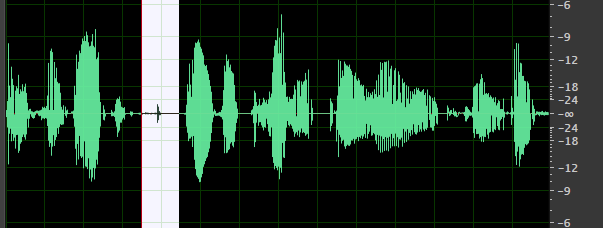
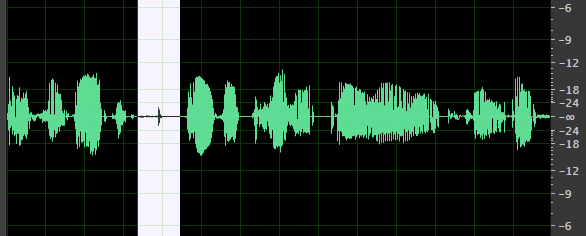
The critical implication of compression for mouth clicks lies in its effect on the entire audio spectrum. While the primary goal is to manage the volume of the spoken word, the compression process also affects any incidental noises present in the recording, including mouth clicks. These clicks, which are often very short and sharp transients, have a high peak amplitude relative to the sustained vocal signal. When compression reduces the overall dynamic range, these sharp clicks, while not increasing in absolute amplitude, become significantly louder relative to the surrounding speech.
Following compression, audio is often normalized or subjected to a further volume increase to bring it up to a standard listening level. This final adjustment further boosts the overall perceived loudness of the recording, including the now-amplified mouth clicks.
To illustrate this phenomenon, consider a simplified waveform representation. Before compression, a mouth click might appear as a sharp, high-amplitude spike against a lower-amplitude speech signal. After compression, the speech signal’s amplitude is reduced, bringing it closer to the level of the click. When the entire waveform is then turned up to a standard listening level, the click, which was already relatively high in amplitude, now stands out much more prominently against the boosted speech.
This amplification means that even a few unaddressed mouth clicks during recording can become highly distracting, even offensive, to the listener. Producers and clients are acutely aware of this, and excessive mouth noise can lead to rejection of takes, costly editing sessions, or even the complete re-recording of a project. Anecdotal evidence from industry professionals suggests that the cost of editing out extensive mouth clicks can, in some cases, outweigh the cost of hiring a new voice artist for a project.

Dehydration: The Primary Culprit
The most common and significant contributor to increased mouth clicks is dehydration. When the body is adequately hydrated, saliva production is healthy, resulting in a moist oral environment. This lubrication allows the tongue and other oral structures to move smoothly, minimizing friction and suction that lead to clicks.
Conversely, dehydration leads to a reduction in saliva production and a change in its consistency. Saliva becomes thinner, stickier, and less viscous. This drier, stickier environment significantly increases the likelihood of the tongue adhering to the palate or teeth, creating the audible clicks.
Factors Contributing to Dehydration:
- Caffeine and Alcohol: Beverages like coffee, tea, energy drinks, and alcohol are diuretics, meaning they promote water loss from the body. Heavy consumption of these, particularly in the hours leading up to a recording session, can exacerbate dehydration.
- Smoking: Nicotine and other chemicals in cigarettes have a drying effect on the oral tissues and can also contribute to reduced saliva flow.
- Dry Air Environments: Recording studios, especially those with air conditioning, can have very low humidity levels, accelerating moisture loss from the body.
- Medications: Certain medications can have dry mouth as a side effect.
- Illness: Conditions such as colds, allergies, or sinus infections can affect mucus production and lead to a drier mouth.
It is a common misconception that drinking a large amount of water immediately before a session will solve the problem. The body’s ability to absorb and distribute water is limited. Gulping down excessive fluids shortly before recording can lead to temporary over-hydration in the mouth, which can also cause clicks due to the increased volume of liquid facilitating tongue movements. The key is consistent, sustained hydration.
The Paradox of Over-Hydration
While dehydration is the primary cause, an ironic situation can arise from attempting to overcompensate for dryness by drinking large volumes of water in quick succession. Having an excess of fluid in the mouth can also create conditions where the tongue’s movements generate clicks, similar to how a sticky mouth does. This highlights the importance of balanced, consistent hydration rather than acute, excessive intake.
Addressing Mouth Clicks at the Source: Proactive Strategies
Given that post-production processing amplifies mouth clicks, the most effective approach is to minimize their occurrence during the recording session itself. This involves a multi-pronged strategy focusing on physiological preparation, vocal technique, and environmental awareness.
Step 1: Proactive and Consistent Hydration
The cornerstone of click-free recording is proper hydration, which needs to begin well in advance of the session.
- Pre-Session Hydration Timeline: It is recommended to start hydrating at least two hours before a recording session. This allows the body sufficient time to absorb and distribute water effectively, ensuring optimal saliva production. For early morning sessions, beginning hydration the night before is crucial, as water is lost during sleep.
- The Water Standard: When discussing hydration, the focus must be solely on plain water. Sugary drinks, caffeinated beverages, dairy products, and acidic fruit juices can all have dehydrating or adverse effects on oral moisture. A common mistake, as observed in professional training programs, is consuming large quantities of soft drinks or coffee under the mistaken belief of staying hydrated.
- Vocal Cord Health: Beyond preventing clicks, adequate hydration is vital for vocal cord health. The vocal cords are delicate mucous membranes. Dehydration leads to reduced lubrication, increasing friction during vibration, which can result in hoarseness, a gravelly voice, and vocal fatigue.
Step 2: Strategic Microphone Placement and Vocal Projection
The relationship between microphone distance and vocal projection plays a significant role in the perceived loudness of mouth clicks.
-
The Inverse Relationship: Consider the extreme scenarios:
- Shouting from a distance: When a sound source is far away, its relative loudness compared to background noise is reduced. Similarly, projecting your voice loudly from a distance minimizes the audibility of subtle mouth clicks.
- Whispering at close range: Conversely, whispering directly into someone’s ear makes even the smallest mouth noises highly noticeable.
-
Microphone Technique: In a recording environment, this translates to microphone placement and vocal effort.
- Distance: Moving the microphone further away from the mouth (e.g., 7-8 inches, as opposed to 3 inches) allows for a more natural vocal delivery. This distance, combined with slightly increased projection, ensures that the spoken word is captured at an appropriate level without requiring excessive gain.
- Projection vs. Volume: It is not about shouting, but about projecting the voice with a controlled, slightly more resonant tone from a greater distance. This ensures the primary vocal signal is strong, while the incidental mouth noises remain at a lower relative amplitude.
- Close-Miking and Bass-Effect: Productions requiring a close-up, intimate sound (often for commercial spots utilizing the "proximity effect" for a warmer, bassier tone) inherently increase the risk of prominent mouth clicks. In such cases, the voice artist must accept that more extensive post-production editing will be necessary, as the desired sonic aesthetic comes at the cost of increased click mitigation efforts.
Step 3: Consistent Sipping During Sessions
Even with optimal pre-session hydration, the act of speaking for extended periods can lead to gradual dehydration and increased mouth click frequency.
- The Dehydrating Effect of Speaking: Continuous vocalization uses up moisture in the mouth. This is why a voice artist who starts a session click-free can develop noticeable clicks within 45 minutes to an hour.
- The Professional’s Practice: A hallmark of a professional voiceover artist is the consistent presence and use of a water bottle during recording sessions. This practice is not merely about comfort; it is a critical component of maintaining vocal quality and minimizing post-production issues.
- Sipping Cadence: A recommended practice is to take small sips of water every 10-15 lines of dialogue. This regular intake helps maintain oral moisture without overwhelming the mouth with fluid. While it may necessitate more frequent breaks for restroom visits, the resulting clear, click-free audio is paramount for re-hiring and client satisfaction.
Step 4: Rethinking Anecdotal Fixes: The Green Apple Myth
A widely circulated "fix" for mouth clicks involves consuming acidic fruits, particularly green apples, before a session. The theory is that the citric acid cleanses the mouth and counteracts dry, sticky saliva.
While acidic substances can indeed temporarily alter the oral environment and may provide a short-term reduction in clicks for some individuals, relying on this method is ill-advised for professional voiceover work.
- Temporary and Unreliable: The effects of acidic foods are transient and can vary significantly between individuals. They do not address the underlying physiological cause of dehydration.
- Potential for Vocal Irritation: Frequent consumption of acidic substances can irritate the vocal cords and damage tooth enamel over time.
- Focus on Fundamentals: The true solution lies in addressing the core issues of consistent hydration, proper mic technique, and mindful sipping. These fundamental practices are far more reliable and sustainable than relying on a quick, temporary fix. The "green apple myth" should be considered a last resort for exceptional circumstances, such as severe hangovers, rather than a standard pre-session protocol.
Conclusion: A Proactive Approach to Audio Excellence
The persistent problem of mouth clicks in voiceover recordings is not an insurmountable obstacle. By understanding the underlying physiological causes and the amplifying effects of post-production, voiceover artists can adopt a proactive and strategic approach to minimize these distracting artifacts. Consistent, pre-emptive hydration, meticulous attention to microphone placement and vocal projection, and the disciplined practice of sipping water during sessions are the cornerstones of achieving clean, professional audio. By focusing on these fundamental techniques, artists can not only enhance the quality of their recordings but also solidify their reputation as reliable and technically proficient professionals, ensuring their continued success in the competitive voiceover industry. The investment in these practices yields significant returns, saving time, reducing editing costs, and ultimately leading to more polished and client-satisfying audio deliverables.
