


Securing budget approval is not merely a transactional exchange of figures; it is the foundational act that empowers an organization’s future, laying the groundwork for product innovation, market expansion, critical infrastructure development, and the compelling articulation of its mission on a global stage. This cascade of strategic outcomes originates from a singular, pivotal moment: effectively demonstrating why decision-makers should invest in your vision. When an idea receives the green light, it signifies readiness to cultivate nascent plans into tangible realities. However, many struggle to articulate this potential, failing to transform a patch of conceptual dirt into a vibrant garden of opportunity for those holding the purse strings.
Budget approvers, often tasked with immense fiduciary responsibility, operate within a framework of concrete metrics and immediate accountability. Their world, governed by financial statements and quarterly reports, demands clarity and quantifiable returns. The pressure to make sound financial choices is paramount, with the health of the company and prudent stewardship acting as twin anchors guiding their focus firmly toward the bottom line. This inherent bias often results in budget conversations that fixate almost exclusively on dollar amounts, scrutinizing expenses with a critical eye. Industry analyses consistently show that a significant percentage of promising projects fail to secure funding not due to lack of merit, but due to inadequate communication of their holistic value beyond raw numbers.
For budget seekers, the challenge, and indeed the opportunity, lies in transcending mere financial data. It is imperative to paint a comprehensive picture that no dashboard or spreadsheet, however detailed, can fully convey. While the meticulous balancing of expenses is undeniably thrilling—and absolutely essential for any project to move forward—it is the narrative that elevates the proposal. This narrative must draw leaders away from the granular details of project allocations and rigid fiscal calendars, enabling them to truly grasp the full, vibrant potential of their approval. It’s akin to stepping through a monochrome world into the full technicolor brilliance of Oz, as famously depicted in cinema.
Crafting such a compelling vision of the road ahead is critical for securing the trifecta of project success: time, resources, and unwavering organizational backing. These elements are the main ingredients that transform a concept into a successful endeavor. To assist project advocates in gaining traction and earning vital funding, strategic communication experts recommend integrating sophisticated narrative techniques into budget presentations. These methods are designed to bring a project to life, appealing to both the analytical and emotional intelligence of decision-makers.
Elevating Budget Approvers as Heroes of Return on Investment (ROI)
It is insufficient for a budget proposal to merely outline where funds will be spent; it must vividly illustrate how those funds will reappear in the form of substantial return on investment. While the future inherently holds uncertainties, a well-constructed narrative about a project’s vision helps budget approvers align their expectations, providing a clear trajectory for success. Much like film producers meticulously review scripts and storyboards before committing millions to a production, financial decision-makers require a clear, compelling vision of the "final cut" of a project.

Consider the cinematic parallel: Before Christopher Nolan could envision a potential $250 million reimagining of The Odyssey, he successfully helmed The Prestige for a more modest $40 million. Set in Victorian London, the 2006 film masterfully portrays a rivalry between two magicians, beginning with a voiceover by Michael Caine describing the three acts of a magic trick: The Pledge, The Turn, and The Prestige. This three-act structure, a cornerstone of storytelling, offers a powerful framework for budget proposals.
The Three-Act Structure in Budget Storytelling:
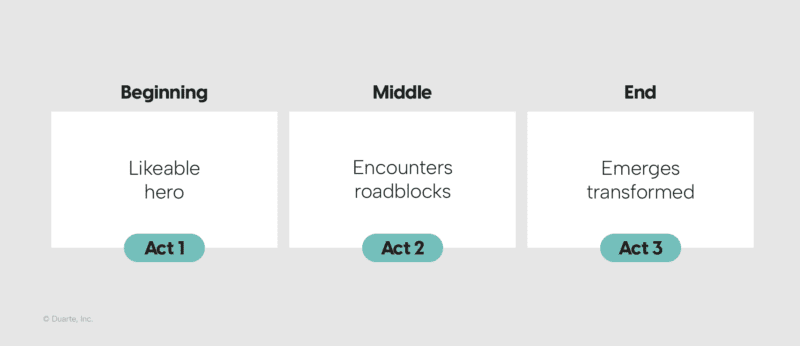
At Duarte, a renowned communication firm, the three-act structure—beginning, middle, and end—is advocated for all persuasive storytelling, from presenting data-driven recommendations to inspiring audiences to embrace new ideas. Applied to a budget proposal, this structure transforms a dry financial request into an engaging narrative:
-
The Pledge (Beginning): This act establishes the current reality and the core problem or opportunity. It introduces the "likeable hero" – your project or idea – and clearly defines the initial investment required. This is where you set the stage, outlining what the budget approvers are asked to pledge in terms of resources. For instance, a proposal might detail the existing market gap, the limitations of current systems, or an unmet customer need, clearly stating the initial capital outlay.
-
The Turn (Middle): Here, the narrative explores the journey and the challenges inherent in the project. It acknowledges potential roadblocks, risks, and the strategic efforts required to overcome them. This phase is crucial for building credibility, as it demonstrates a realistic understanding of the complexities involved. The "turn" illustrates how the initial investment will be utilized to navigate these obstacles, transforming the current state through focused action and resource allocation. This is where the project’s operational details and strategic execution plans are detailed, showing how the "magic trick" is performed.
-
The Prestige (End): This is the climax, where the envisioned future—the "new bliss"—is unveiled. It’s where the investment reappears as tangible ROI, but also as broader strategic value. This act clearly articulates the expected financial returns, alongside loftier dimensions such as enhanced brand reputation, competitive advantage, customer loyalty, or societal impact. It demonstrates the profound transformation achieved and the lasting legacy of the project, making the budget approvers the ultimate orchestrators of this success.
To highlight the dramatic effect of this narrative approach, consider two ways to pitch a film project:
-
Version 1 (Light on Story): "With a $40 million budget, the film is projected to gross upwards of $100 million at the box office, achieve a runtime of 130 minutes, and ultimately aggregate a 76% on Rotten Tomatoes based on 208 reviews."
- This pitch is precise and data-backed, yet utterly devoid of the life and emotional resonance needed to inspire investment beyond pure financial speculation. It presents numbers but fails to create a vision.
-
Version 2 (With 3-Act Structure): "With your pivotal approval of our $40 million budget, this film will become a stunning reimagining of Christopher Priest’s award-winning novel, featuring compelling performances by Hugh Jackman, Christian Bale, Scarlett Johansson, Michael Caine, and David Bowie in his most authentic role since Labyrinth. The adaptation will demand painstaking detail and artistic precision, but its cross-over appeal into fantasy and science fiction genres, combined with the immense star-power of its cast, will attract diverse, global audiences. Given the caliber of craft and talent behind this project, we confidently project it will delight and challenge generations of viewers, earn critical accolades, and achieve over 200% ROI at the box office and beyond, cementing its place as a cultural touchstone."
- The difference is stark. The second example actively positions the budget approver as the hero, the catalyst who sets a transformative process in motion. It acknowledges the creative struggle inherent in such an ambitious project but transmutes the dollar amount into a fully formed vision of the finished product. It masterfully combines projected financial ROI with aspirational dimensions like cultural legacy and critical acclaim, significantly elevating the pitch. This is the difference between presenting a story as a static chart and one destined for the silver screen. Studies in behavioral economics consistently demonstrate that decision-making, even in corporate finance, is heavily influenced by narrative framing and emotional engagement, making such a pitch far more persuasive.
The "Called Shot": Cultivating Confidence and Crafting S.T.A.R. Moments
When presenting a budget story, the confidence exuded by the project advocate can be as crucial as the data itself. This is not about making unsubstantiated claims—the disastrous Fyre Festival debacle serves as a stark reminder of the perils of such recklessness. Rather, it’s about projecting a profound belief in one’s capabilities, born from meticulous preparation and a deep understanding of the project’s potential and challenges. Budget approvers need to be convinced that the team behind the proposal possesses the expertise and resolve to deliver on their promises. Before goals can be achieved, decision-makers must be inspired to believe in the team’s ability to achieve them. This requires a blend of strategic communication, executive presence, and the skill to back it up. Babe Ruth’s infamous "called shot" offers a quintessential illustration.
In Game 3 of the 1932 World Series, with the New York Yankees facing the Chicago Cubs at Wrigley Field, tensions were high and the crowd was notoriously hostile. As Babe Ruth stepped up to bat in the 5th inning, after taking two strikes from Cubs pitcher Charlie Root, legend has it that Ruth pointed dramatically to the center field stands. On the very next pitch, he launched a towering home run, and the Yankees went on to sweep the series. While eyewitness accounts, books, and grainy footage continue to debate the exact nature of Ruth’s gesture, reporter Joe Williams’ iconic headline captured the popular imagination: "RUTH CALLS SHOT AS HE PUTS HOME RUN NO. 2 IN SIDE POCKET."
This legendary moment exemplifies what communication experts at Duarte refer to as a S.T.A.R. moment—Something They’ll Always Remember. These are strategically deployed opportunities to stand out, creating indelible impressions. S.T.A.R. moments, which have been instrumental in everything from Academy Award-winning documentaries to impactful keynote presentations, can be a potent tool in winning over budget approvers and securing project funding. Before any budget discussion, project leaders should ask themselves: "How can I convince budget approvers that my next swing will be a home run?"
There are five types of S.T.A.R. moments that can be leveraged:
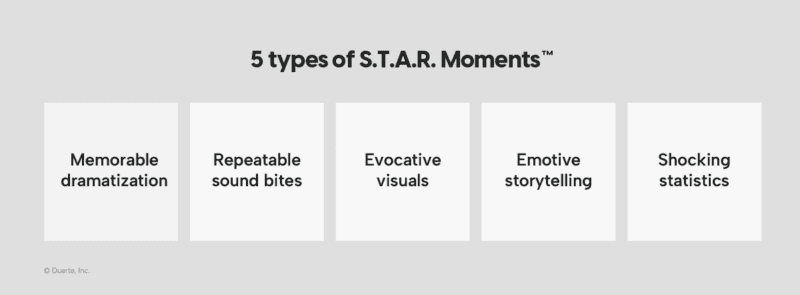
- Memorable Dramatization: A live demonstration, a compelling prototype, or a simulation that vividly brings the project to life.
- Repeatable Sound Bites: Concise, powerful phrases or slogans that encapsulate the project’s essence and are easily remembered and repeated.
- Evocative Visuals: High-impact images, infographics, or videos that convey complex information quickly and emotionally.
- Emotive Storytelling: Personal anecdotes or narratives that connect the project to broader human experiences or organizational values.
- Shocking Statistics: A surprising data point or trend that underscores the urgency or immense potential of the project.
While a degree of audaciousness can be effective, true confidence in budget conversations is built upon deep thinking, extensive practice, and meticulous preparation. Ruth’s "called shot" was not a fluke; he was batting .341 in 1932 and had already amassed 41 home runs. As a budget seeker, you often have one primary chance to demonstrate competence, build trust, and earn credibility. Spending too much time detailing personal accomplishments or simply listing industry analysis can cause budget approvers to disengage. Instead, craft a S.T.A.R. moment by presenting your budget proposal with integrated multimedia elements, delivering a crisp, clear story that centers the approver as a key player. Before entering the room or clicking that video call, consider which phrase best describes your budget story: "Here’s what I can do" or "With your help, here’s what we can do." By framing the approver as a central participant in the S.T.A.R. moment, you foster a sense of shared ownership, transforming them from a mere signatory to a committed stakeholder.
Inspiring Belief: Beyond the Financial Ledger to the "New Bliss"
Beyond captivating with magic and mystique, the most profound connections are forged through empathy and emotional resonance. Crafting a message infused with complex feelings transcends mere details and plot points, enabling audiences to perceive something larger and more significant—the intrinsic value that explains why films evoke tears or why certain commercials resonate deeply.
A powerful technique to engage both analytical and emotional audiences is to skillfully balance the financial imperatives of a budget request with the "new bliss" it promises. At Duarte, "new bliss" represents the ideal future state, the profound gains audiences (or stakeholders) stand to achieve after navigating the "messy middle" of implementing change or working towards a goal. As budget seekers, illustrating the tension between "what is" and "what could be" can guide approvers to genuinely crave the "new bliss" outlined in your proposal.
Incorporating robust structure and compelling storytelling ensures that your budget proposal addresses financial realities while simultaneously inspiring decision-makers to envision this desirable future. Consider the individual motivations of your budget approvers: perhaps your CFO, while demanding stringent financial reassurances, also struggles with work-life balance and misses family events. Could your project, by streamlining workflows, offer a path to greater efficiency that indirectly grants them more personal time? Or perhaps leadership is anxious about the company’s competitive standing, yearning for an innovation that could redefine its market position. The "new bliss" could be the launch of a product or service that is not only highly profitable but also genuinely impactful, solving critical customer pain points or contributing positively to society.
While focusing solely on maximizing profit is one approach, a more holistic budget story highlights broader benefits. For instance, instead of just projecting revenue, imagine a narrative that emphasizes how a proposed technology investment could significantly reduce employee burnout, leading to higher morale and retention—a "new bliss" that resonates deeply with an executive concerned about team well-being. Or how a new marketing initiative could reinvigorate public interest in your brand, fostering a renewed sense of purpose across the organization. By addressing these deeper, often unstated, motivations, you can cultivate a personal commitment to the project that extends far beyond a simple transactional approval.
Achieving this perfect balance necessitates rooting your story in audience-first empathy. This means moving beyond superficial demographic data to understand the inner lives of your budget approvers—their professional aspirations, personal values, anxieties, and unstated objectives. By acknowledging these human elements, you can structure your story to integrate sound financial reasoning with details that register on an emotional level. After time and financial resources, organizational backing is often the greatest predictor of a project’s success. Securing this backing at scale requires transforming mere "buy-in" into a profound "belief" through a story that reverberates at every level of the organization, fostering a shared vision and collective enthusiasm.
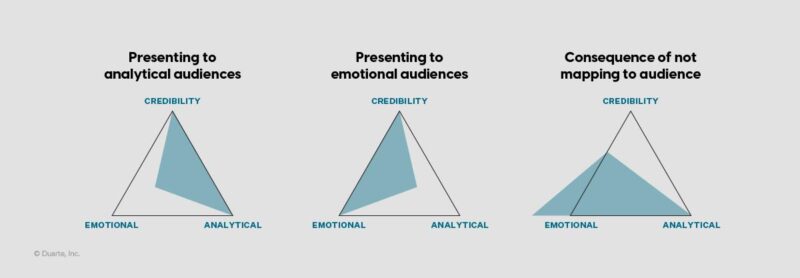
However, the line between emotive storytelling and excessive sentimentality must be carefully navigated. Overly emotional appeals without robust data can undermine credibility and distract from the tangible stakes. The most effective budget proposals strike a judicious balance, leveraging empathy to connect, data to substantiate, and confidence to inspire.
Paving the Road Ahead with Strategic Storytelling
In an increasingly competitive landscape, where every dollar is scrutinized, mastering the art of the budget narrative is no longer a soft skill but a strategic imperative. Budget approval is fundamentally a communication challenge, demanding a sophisticated blend of financial acumen and persuasive storytelling. By adopting techniques that make approvers the heroes of ROI, infuse proposals with confident "called shots" and S.T.A.R. moments, and tap into deeper motivations beyond mere monetary gain, project advocates can transform a dry financial request into a compelling, shared vision for the future.
Delivering a budget story that is structured, empathetic, and bolstered by strategically placed S.T.A.R. moments ensures that proposals are not just understood, but felt. This approach cultivates genuine belief, fostering deep connections and long-term organizational commitment. With such a powerfully crafted narrative, budget proposals become rubberstamp-ready, paving a clear and exciting road ahead for innovation, growth, and sustained success.
