

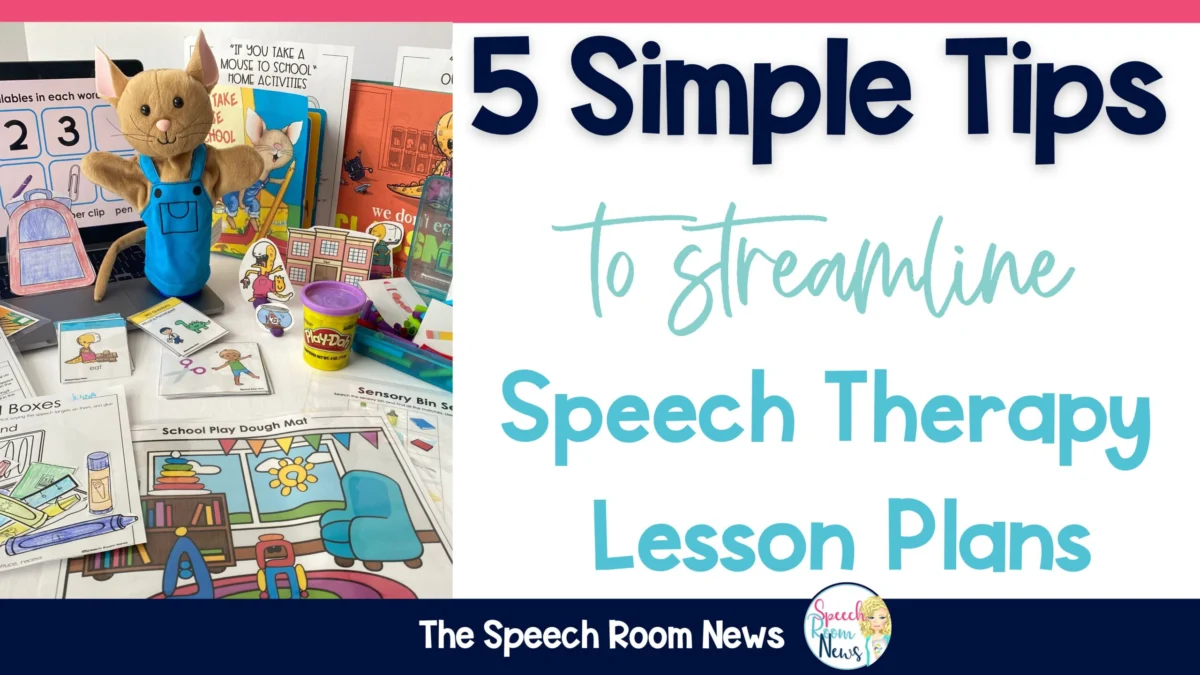
Speech-Language Pathologists (SLPs) nationwide are increasingly seeking innovative and efficient methods to manage extensive caseloads while delivering high-quality, individualized therapy. The traditional approach of meticulously crafting 50 unique lesson plans for each student weekly is proving unsustainable and inefficient, leading to increased administrative burden and potential burnout among professionals. A paradigm shift towards streamlined, integrated planning strategies is emerging as a critical solution, promising to enhance both clinician well-being and student outcomes.
The challenge for school-based SLPs is significant. Many new practitioners, grappling with diverse student populations and a wide array of speech and language goals, find themselves overwhelmed by the sheer volume of planning required. The initial days in a new setting can be particularly arduous, often involving hours dedicated to preparing materials for dozens of students. This intensive, individualistic planning model often consumes valuable time that could otherwise be spent on direct therapy, collaboration, or professional development. Recognizing this systemic inefficiency, leading experts and experienced SLPs are advocating for the adoption of several key strategies designed to simplify and optimize the lesson planning process. These approaches leverage thematic integration, literacy-based instruction, narrative development, versatile resource utilization, and structured AAC protocols to create a more manageable and impactful therapy environment.
The Growing Demand for Efficient SLP Practices
The landscape of special education has evolved, with a rising number of students identified as requiring speech and language services. According to data from the American Speech-Language-Hearing Association (ASHA), school-based SLPs often manage caseloads far exceeding recommended guidelines, frequently serving 50-70 students, each with unique Individualized Education Program (IEP) goals. This demographic reality underscores the urgent need for planning methodologies that allow SLPs to address a broad spectrum of needs without sacrificing depth or quality of intervention. The goal is not to reduce the complexity of therapy, but to simplify the process of preparing for it, ensuring that every session is purposeful and productive.
Historically, speech therapy lesson planning could be highly individualized, leading to fragmented efforts across a large caseload. The current push is towards holistic, evidence-based frameworks that can be adapted to multiple students and goals simultaneously. This shift is informed by a growing body of research demonstrating the effectiveness of integrated approaches that mirror general education curriculum models, thereby promoting skill generalization and academic success.
Five Core Strategies for Streamlined Speech Therapy Planning
Experienced SLPs have identified five key strategies that significantly reduce planning time while maintaining or even enhancing therapeutic efficacy. These methods prioritize versatility, integration, and systematic application, moving away from the laborious "one-lesson-per-goal" mentality.
1. Leveraging Theme-Based Therapy Plans
One of the most impactful strategies for streamlining lesson planning is the adoption of a theme-based therapy approach. This involves selecting a central theme for a week or month and coordinating all therapeutic materials and activities around it. For instance, a "Farm Animals" theme could involve books about farm life, animal-themed toys for articulation practice, worksheets focused on farm vocabulary, and crafts that reinforce semantic categories.
Pedagogical Rationale and Benefits: Theme-based therapy offers several significant advantages. It provides a cohesive context for learning, which aids in cognitive organization and memory retention for students, particularly those with language processing difficulties. By embedding diverse goals within a single thematic unit, SLPs can address articulation, vocabulary, syntax, social communication, and narrative skills concurrently. This integrated approach naturally aligns with classroom curricula, fostering stronger ties between therapy and academic learning and promoting the generalization of newly acquired skills across different environments.
Efficiency and Sustainability: From a planning perspective, theme-based therapy dramatically reduces preparation time. Once a theme is chosen and initial materials are gathered, these resources can be adapted for multiple students with varying goals within a therapy group. Furthermore, themed lesson plans are highly reusable, allowing SLPs to build a comprehensive library of pre-made materials that can be easily updated and redeployed year after year. This long-term investment in planning significantly diminishes weekly prep work, freeing up SLPs for more direct student interaction or data analysis. Experts estimate that this approach can reduce weekly individual lesson preparation time by up to 40-50% after the initial setup phase.
Market Trends: The popularity of theme-based therapy has led to a proliferation of commercially available resources and digital platforms offering pre-designed thematic kits, making it even easier for SLPs to implement this strategy without extensive initial material creation.
2. Implementing Literacy-Based Therapy Plans
Integrating high-quality children’s literature into speech and language therapy sessions forms the cornerstone of literacy-based therapy plans. This approach centers therapeutic activities around engaging picture books, leveraging the rich linguistic and narrative content they offer.
Evidence-Based Practice: Research consistently supports the efficacy of using literature to foster language development. Books provide natural contexts for vocabulary acquisition, grammatical structures, inferential reasoning, and narrative comprehension. For students with language impairments, exposure to well-structured stories can significantly enhance their ability to understand and produce complex language.
Framework and Versatility: A typical literacy-based intervention follows a structured framework:
- Pre-story knowledge activation: Students connect the book’s themes to their existing experiences.
- Shared story reading: The book is read aloud, with opportunities for explicit instruction and discussion.
- Focused-skill activities: Targeted exercises related to specific IEP goals (e.g., identifying character emotions, sequencing events, practicing target sounds from the book’s vocabulary).
- Post-story comprehension discussion: Reviewing key events, characters, and themes, encouraging critical thinking.
Crucially, a single book can be utilized across multiple sessions and adapted for mixed therapy groups, where students have diverse goals ranging from articulation to social pragmatics. For example, a book like "The Very Hungry Caterpillar" can be used to target sequencing, vocabulary (food items, days of the week), descriptive language, past tense verbs, and even early articulation sounds.
Curriculum Alignment and Resource Accessibility: By selecting books that align with classroom curricula, SLPs can strengthen the link between therapy and academic learning, aiding in the generalization of skills and reinforcing classroom concepts. The vast availability of children’s literature, coupled with a growing online repository of pre-made, book-specific therapy materials, makes this a highly accessible and cost-effective planning strategy.
3. Adopting a Narrative Language Approach
While related to literacy-based therapy, the narrative language approach distinctively focuses on teaching the structure of storytelling alongside other speech and language skills. This methodology emphasizes story grammar (e.g., characters, setting, initiating event, internal response, plan, attempt, consequence, resolution) and its application in both comprehending and generating stories.
Foundational Importance: Narrative skills are paramount for academic success. Proficiency in understanding and producing narratives is strongly correlated with reading comprehension, written expression, and effective social communication. Students who struggle with narrative organization often face challenges in following classroom instructions, retelling events, or articulating their thoughts coherently.
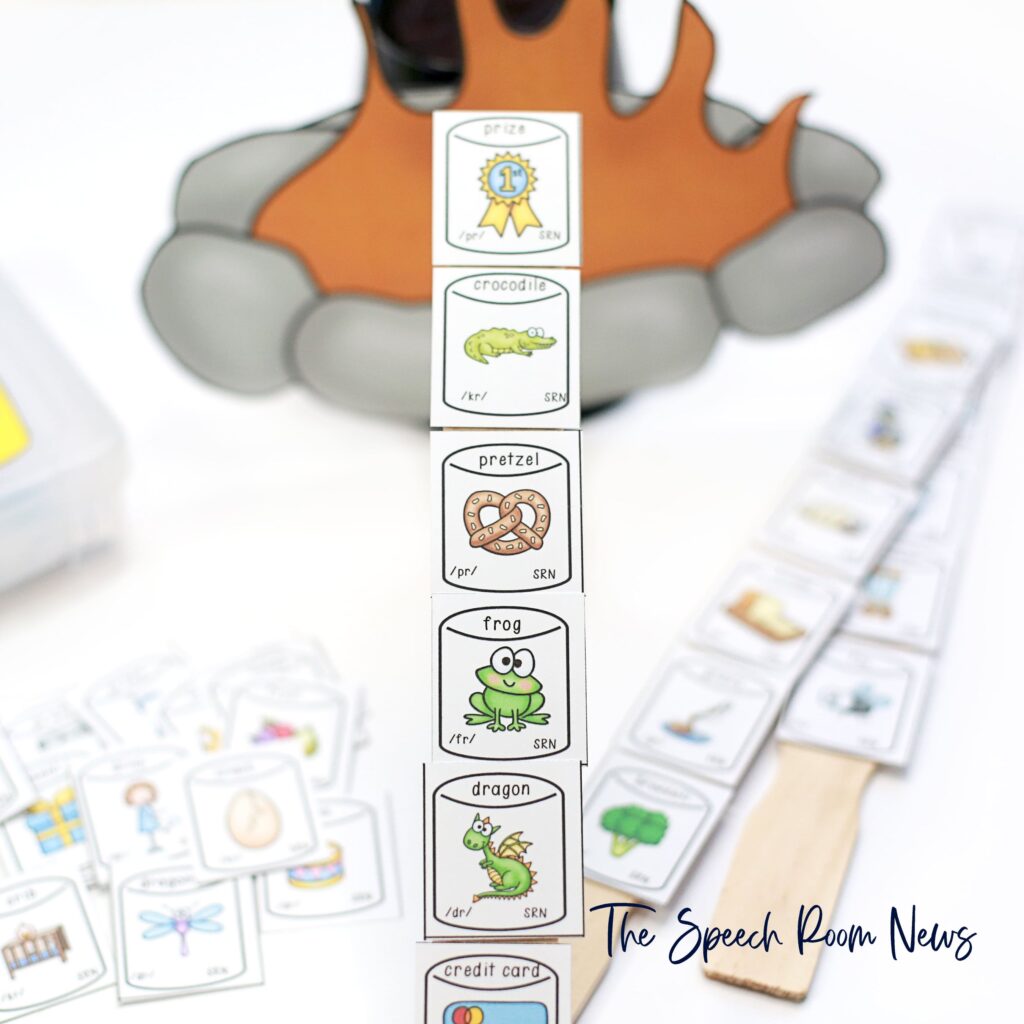
Intervention Focus: In narrative language intervention, SLPs typically expose students to multiple stories over time, often focusing on a specific story grammar element or narrative type each session. The core activities revolve around story retell and story generation tasks, with a significant emphasis on developing complex syntax and rich vocabulary within a narrative context. Visual aids, such as story grammar icons, are frequently employed to provide scaffolding for students as they learn to deconstruct and construct stories.
Broader Impact: The primary benefit of this approach is the profound carryover of improved narrative skills into the academic curriculum. By explicitly teaching storytelling frameworks, SLPs empower students to better understand textbooks, write essays, and engage in more sophisticated discourse. This targeted intervention not only addresses IEP goals directly but also builds a crucial cognitive foundation for lifelong learning. Professional development in narrative intervention models, such as "Story Champs" or "Story Grammar Marker," is becoming increasingly common, reflecting the recognized importance of this pedagogical strategy.
4. Maximizing Single Therapy Toys and Games
A highly practical and low-prep strategy involves utilizing a single, versatile therapy toy or game to target a multitude of speech and language goals across a group of students. This resource maximization technique is particularly valuable in school settings where budgets may be limited and planning time is scarce.
Engagement and Versatility: Engaging toys and games inherently increase student motivation and participation, creating a more dynamic and enjoyable therapy environment. The key lies in the SLP’s ability to creatively adapt these common items to address specific IEP objectives. For example:
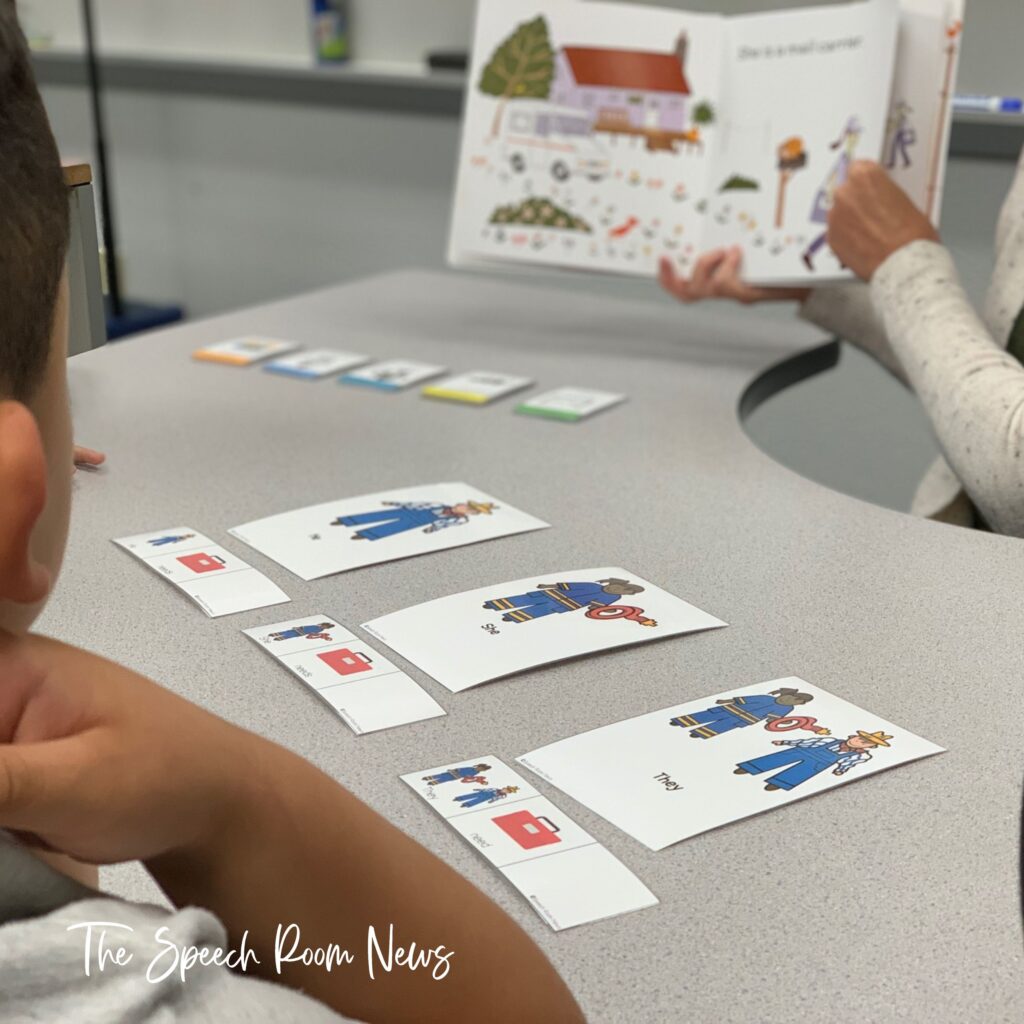
- Candyland: This classic board game can be transformed into a comprehensive therapy tool. Movement around the board can be contingent on articulating target sounds, defining vocabulary words, answering comprehension questions, or generating sentences with specific grammatical structures. Pre-made cards linked to Candyland spaces can target articulation, expressive and receptive language, pragmatics, and fluency.
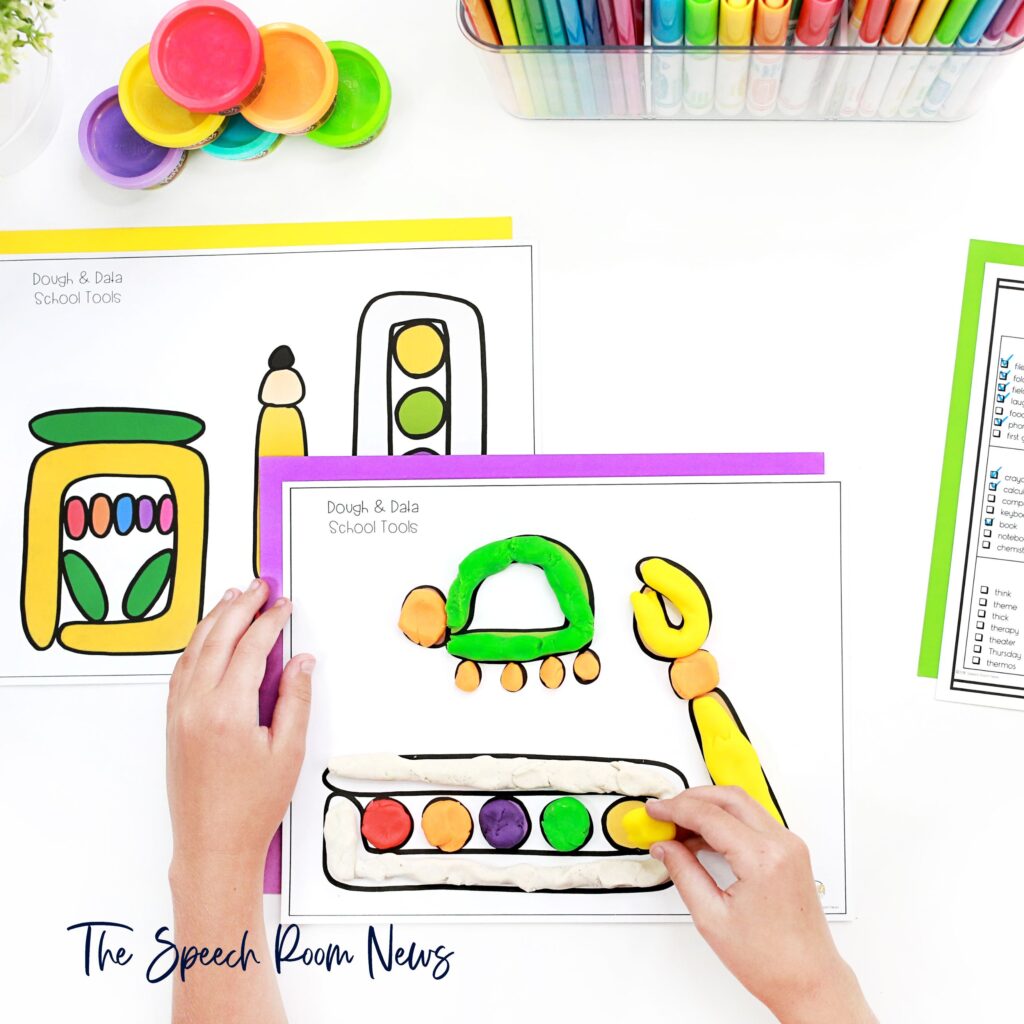
- Play-Doh: Beyond fine motor development, Play-Doh is an excellent medium for language and articulation practice. Students can form shapes while practicing target words, describe their creations using descriptive adjectives, follow multi-step directions, or engage in imaginative play to develop narrative skills. Tools like "Dough and Data Sets" provide structured mats that allow for simultaneous progress monitoring during play.
- Mini Objects: These small, tangible items are incredibly versatile. They can be used for articulation drills (e.g., finding objects with a specific sound), vocabulary building (naming, categorizing, describing), preposition practice (placing objects "on," "under," "behind"), requesting, sequencing, and even simple narrative generation. Their compact size makes them ideal for portability and space-saving.
- Themed Toys (e.g., Crocodile Dentist, Ice Cream Shop): Toys like "Crocodile Dentist" can be integrated into thematic units (e.g., dental health) to target vocabulary, articulation, turn-taking, and simple conversational exchanges. An "Ice Cream Shop" playset offers rich opportunities for practicing requesting, descriptive language, spatial concepts ("on top of"), sequencing (making an ice cream cone), and social scripts, proving particularly useful for preschool evaluations to gauge vocabulary and early language skills.
Efficiency and Cost-Effectiveness: This approach requires minimal upfront planning and material preparation, as the SLP’s clinical reasoning is primarily focused on adapting the chosen item to individual goals. It also represents a highly cost-effective strategy, leveraging readily available or inexpensive resources rather than requiring specialized, single-use materials for every goal.
5. Implementing AAC Core Word of the Week (WOW) Programs
For students utilizing Augmentative and Alternative Communication (AAC) systems, a structured "Core Word of the Week" (WOW) program offers a systematic and highly effective method for lesson planning. Core vocabulary consists of a small set of high-frequency words (e.g., "go," "want," "more," "stop," "in," "out") that are versatile and applicable across various contexts and communication functions.
Systematic Instruction and Generalization: A WOW program provides a consistent framework for teaching core vocabulary. By focusing on 2-4 core words each week or month, SLPs can ensure repeated exposure and practice across different activities and environments. This systematic approach is crucial for AAC users to develop automaticity and fluency in their communication.
Interdisciplinary Collaboration: A significant benefit of the WOW program is its inherent capacity to foster interdisciplinary collaboration. The lesson plans, often pre-designed to provide a full month of instruction, can be easily shared with teachers, paraprofessionals, and parents. This ensures that all members of the student’s IEP team are consistently modeling and prompting the target core words, promoting generalization of communication skills beyond the therapy room. Visual aids, room signs, and parent letters further reinforce this collaborative effort.
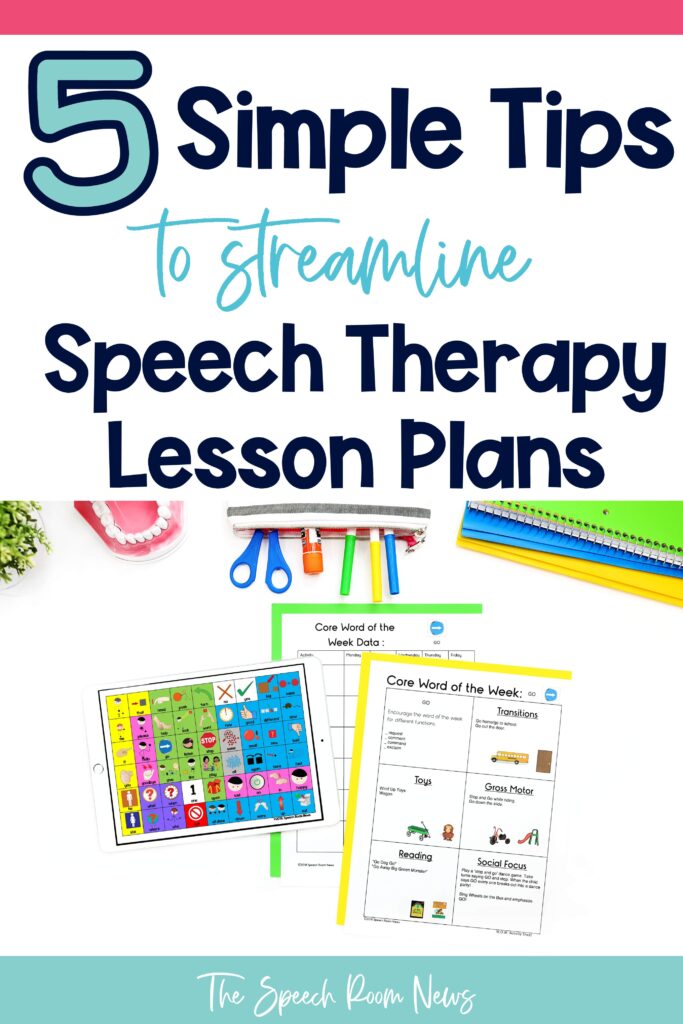
Empowerment and Inclusion: By building a robust core vocabulary, AAC users gain greater communicative independence, enabling them to express a wider range of thoughts, needs, and desires. This empowerment significantly contributes to their participation in academic and social activities, aligning with broader goals of inclusive education. Ready-to-use bundles of AAC Core Word of the Week lessons provide a comprehensive toolkit for SLPs to implement this vital strategy with minimal preparation.
Bonus Tip: Cultivating a "Grab and Go" Materials Toolkit
Beyond systematic planning strategies, maintaining a readily accessible "Grab and Go" toolkit of essential materials is a professional best practice for all SLPs. This collection of versatile, pre-prepped resources serves as a crucial backup for unexpected situations, such as last-minute schedule changes, unforeseen therapy needs, or covering for an absent colleague.
Contingency and Flexibility: A well-organized "Grab and Go" toolkit ensures that SLPs are prepared for any contingency, allowing them to maintain service delivery even when primary lesson plans are disrupted. This flexibility reduces stress and ensures that therapy sessions remain productive.
Key Components: Essential "Grab and Go" materials often include:
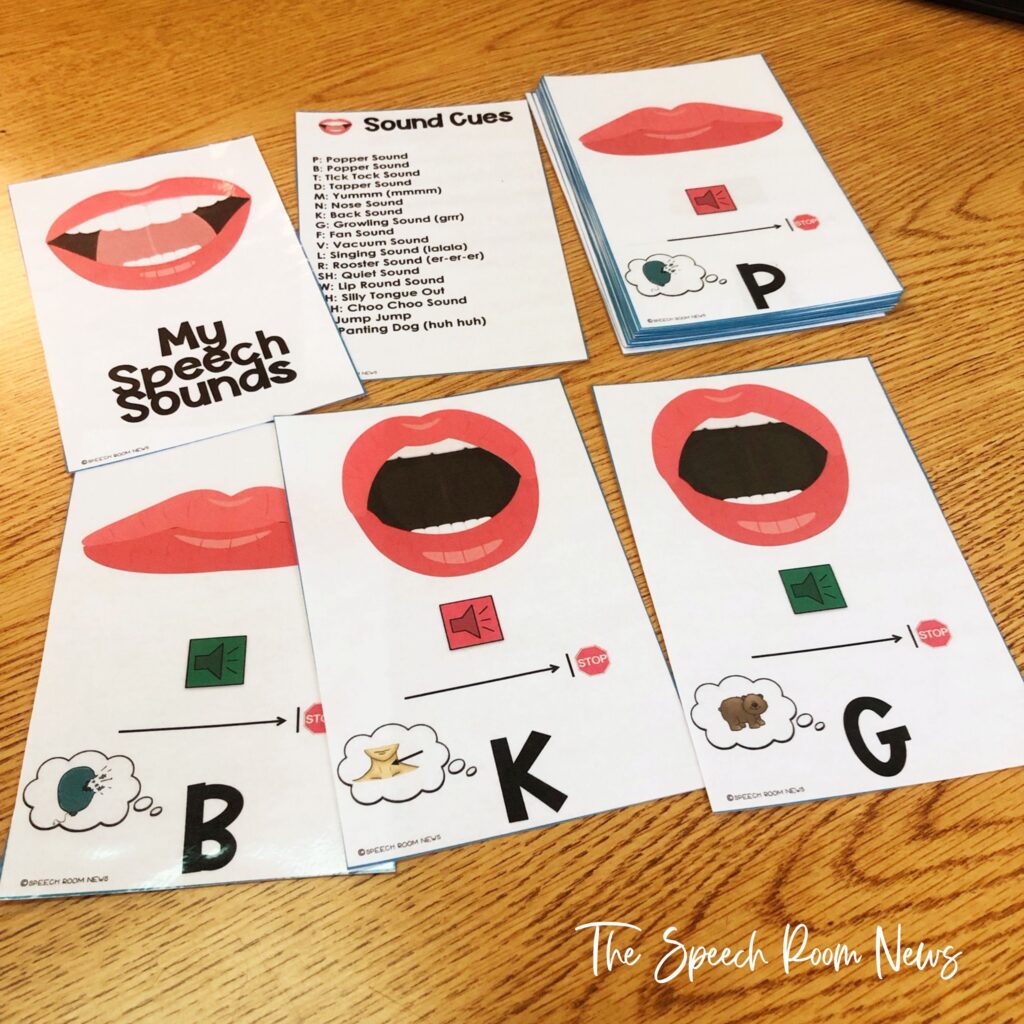
- Articulation Cards with Visual Cues: Easily adaptable for various target sounds and levels.
- Speech Sound Articulation Posters: Visual reminders for sound placement and production.
- Visual Supports and Behavior Supports: Tools for managing classroom behavior, transitions, and understanding expectations.
- Speech Helpers Mini Books/Posters: Resources for teaching anatomy and physiology related to speech production.
- Print & Go Articulation and Phonology Home Packets: Ready-made resources for home practice, facilitating carryover.
These materials require minimal preparation once assembled and can be quickly deployed to address immediate needs or serve as filler activities, ensuring that no therapy time is wasted.
Broader Implications and Future Outlook
The shift towards more streamlined and integrated lesson planning in speech therapy represents a significant advancement in the field. By adopting strategies like theme-based, literacy-based, and narrative language approaches, utilizing versatile toys, and implementing systematic AAC programs, SLPs can dramatically reduce their administrative burden. This efficiency translates into more time for direct student interaction, individualized assessment, data analysis, and interdisciplinary collaboration—all critical components of effective therapy.
Furthermore, these strategies contribute to increased professional satisfaction for SLPs, mitigating the risk of burnout associated with excessive planning demands. For students, the benefits are profound: more engaging, coherent, and curriculum-aligned therapy that promotes greater generalization of skills and ultimately fosters improved communication and academic outcomes. The future of speech-language pathology in educational settings increasingly points towards innovative planning models that prioritize both clinician efficiency and student success, ensuring that high-quality speech and language services remain accessible and effective for all learners.
