

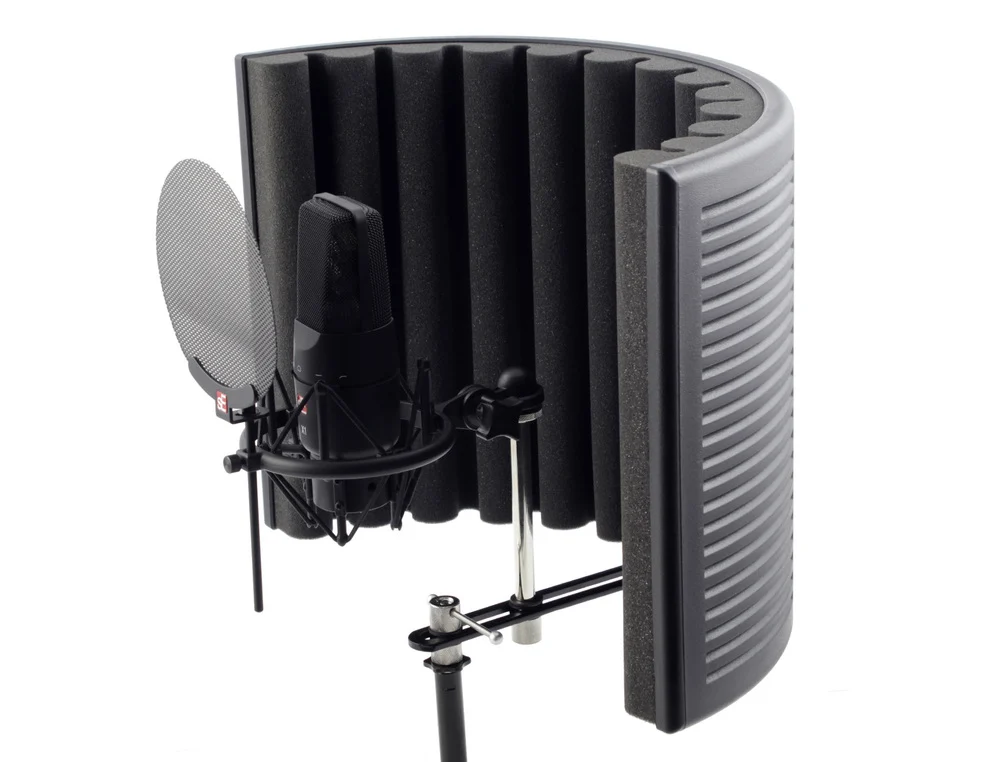
The question of whether a sound reflection filter is a necessary component for a home recording studio is a frequent inquiry within the audio production community, particularly among aspiring voice-over artists and home recordists. This comprehensive examination aims to provide a definitive answer by dissecting the fundamental principles of acoustic recording and the purported function of these devices.
Understanding the Home Recording Studio’s Purpose
At its core, a home recording studio, regardless of its scale or sophistication, is designed to achieve a singular objective: to create a controlled and consistent acoustic environment. This environment must effectively isolate the recording from external sound interference (ingress) and prevent sound from escaping (egress). Crucially, it must also minimize unwanted acoustic artifacts within the recording space itself, primarily sound reflections that can degrade the clarity and fidelity of captured audio.
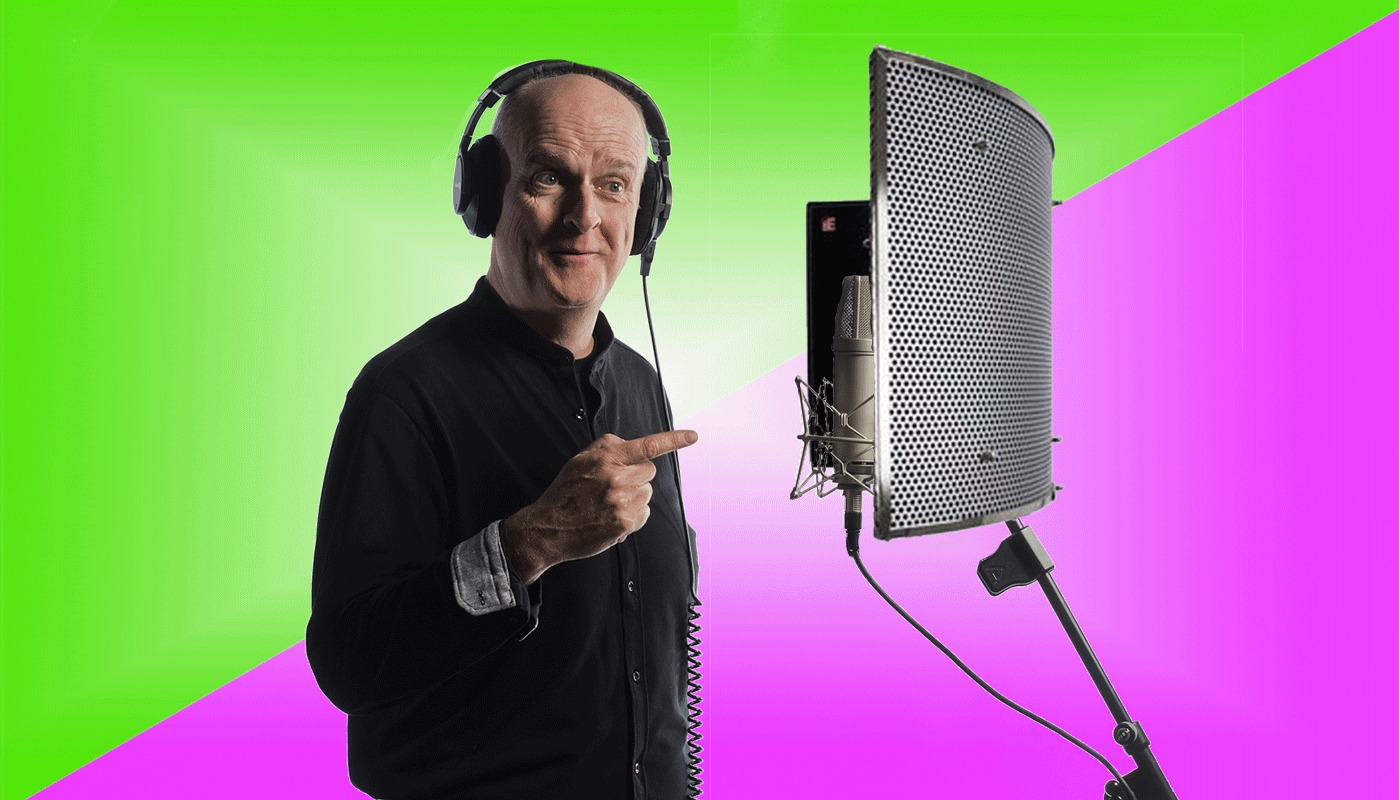
The ideal recording scenario involves capturing a direct, unadulterated sound source – such as a voice or instrument – with minimal influence from the surrounding room. This means that sound waves originating from the performer should travel directly to the microphone, and any sound waves that bounce off surfaces within the room and then reach the microphone should be eliminated or significantly reduced. The ultimate goal is to achieve a "dry" recording, providing maximum flexibility for post-production manipulation, such as adding reverb or other spatial effects.
The Mechanics of Sound and Microphones
To understand the efficacy of reflection filters, one must first grasp how microphones capture sound and the nature of acoustic reflections. Sound travels as waves, and when these waves encounter surfaces, they can be absorbed, transmitted, or reflected. Hard, flat surfaces, such as bare walls, windows, or tabletops, are highly reflective. Softer, irregular surfaces, like thick curtains, upholstered furniture, or even acoustic foam, tend to absorb sound waves, reducing their intensity and the likelihood of reflection.
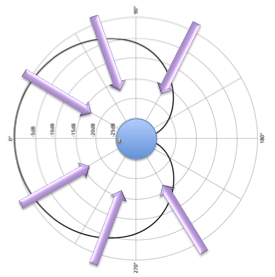
Microphones, the primary transducers in any recording setup, are designed with varying degrees of directionality. This directionality is described by the microphone’s polar pickup pattern, which illustrates the sensitivity of the microphone to sound arriving from different directions relative to its capsule. Understanding these patterns is paramount to effective microphone placement and, consequently, to the role (or lack thereof) of reflection filters.
Key Polar Pickup Patterns Explained
Several polar pickup patterns are commonly found on microphones, each serving distinct recording purposes:
- Omnidirectional: This pattern picks up sound equally from all directions. While it captures a full, natural sound, it is highly susceptible to room acoustics and ambient noise, making it generally unsuitable for untreated home studios.
- Cardioid: This is the most common pattern for voice recording. It is most sensitive to sound from the front and progressively rejects sound from the sides and rear. This directional focus helps to isolate the desired sound source and minimize the capture of unwanted reflections.
- Figure-of-Eight (Bidirectional): This pattern is equally sensitive to sound from the front and the rear, with significant rejection from the sides. It is often used for stereo recording techniques or for capturing two sources facing each other.
- Other Patterns: More advanced microphones, such as the legendary Neumann U87, offer switchable polar patterns, allowing users to adapt the microphone’s sensitivity to different recording situations. However, most microphones intended for home studio use are fixed to a cardioid pattern.
For voice-over work and most home studio applications, the cardioid pattern is the preferred choice. Its ability to reject sound from the sides and rear significantly reduces the amount of room sound and reflections that enter the microphone, leading to cleaner, more focused recordings.
The Role of Reflection Filters: A Closer Look
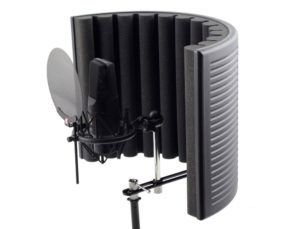
Reflection filters, often seen in marketing materials and online tutorials, are typically curved, portable acoustic enclosures designed to be placed behind the microphone. They are usually lined with sound-absorbing materials and aim to create a more isolated recording environment around the microphone itself. The premise is that by blocking sound from reaching the rear and sides of the microphone, they will prevent reflections from those areas from being captured.
Popular models, such as those manufactured by Auray and sE Electronics, feature designs that surround the microphone on its sides and rear, ostensibly creating a "mini-booth" effect. The visual appeal and the perceived "professionalism" of these devices have contributed to their widespread adoption, particularly among those new to audio engineering.
However, a critical analysis, supported by acoustic principles and practical testing, reveals a significant discrepancy between the advertised function and the actual impact of these filters. The core issue lies in the fundamental physics of sound and the directional nature of the microphones they are intended to complement.
The Cardioid Pattern’s Intrinsic Acoustic Control
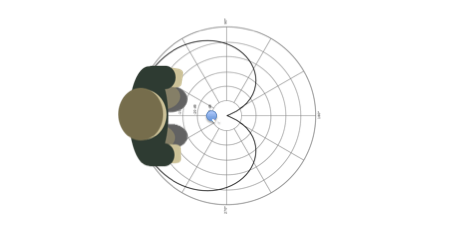
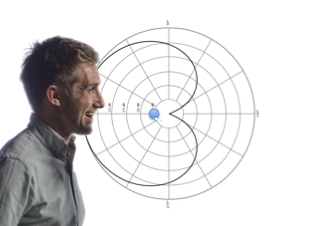
The cardioid pickup pattern inherently rejects a substantial amount of sound from directions other than the front. When a vocalist or speaker positions themselves directly in front of a cardioid microphone, the microphone is already prioritizing the direct sound source while minimizing the capture of reflections originating from the sides and, crucially, the rear of the microphone.
Consider a typical home studio environment – an untreated room with reflective surfaces such as walls, ceilings, and furniture. Sound waves from the performer’s voice will travel outwards in all directions. While the direct sound wave travels to the front of the microphone, other waves will propagate outwards, bounce off room surfaces, and then return to the microphone from various angles.
A cardioid microphone, by its design, will capture the direct sound from the front with high sensitivity. It will capture some sound from the sides, albeit at a reduced level. Critically, it will capture very little sound from the rear. Therefore, the reflections that are most likely to be captured are those that arrive at the sides of the microphone, or those that, after bouncing off surfaces, arrive back at the front of the microphone at a slightly different time.
The Reflection Filter’s Limited Impact
When a reflection filter is introduced, it is positioned behind and to the sides of the microphone. Its primary function is to absorb or block sound waves originating from behind the microphone and from the immediate vicinity to its sides. However, because the cardioid microphone already significantly rejects sound from these very directions, the reflection filter is, in essence, attempting to block sound that the microphone is already largely ignoring.
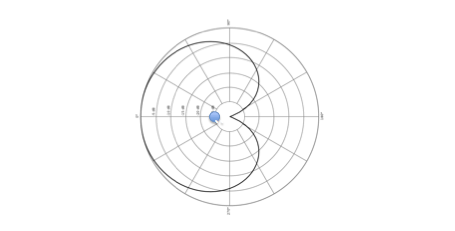
The acoustic energy that the reflection filter could potentially absorb is primarily sound arriving from behind the microphone. But a cardioid pattern already attenuates this sound significantly. The filter’s ability to absorb reflections arriving from the sides is also limited, as the microphone itself is already less sensitive to those angles. The filter does little to address reflections that bounce off surfaces in front of the microphone and then return to its front.
Empirical testing, often involving direct A/B comparisons of recordings made with and without a reflection filter, consistently demonstrates a negligible difference in the overall acoustic quality of the recording. The "dryness" or "isolation" perceived is often more attributable to the performer’s proximity to the microphone and the inherent directional properties of the microphone itself than to the effectiveness of the filter.
Why Do They Persist? The Psychology of Perception
Despite the technical limitations, reflection filters continue to be popular for several reasons:
- Perceived Professionalism: They are visually associated with professional recording setups, leading less experienced users to believe they are a necessary component for achieving high-quality audio.
- Marketing and Misinformation: Manufacturers and retailers often highlight the perceived benefits of reflection filters without fully disclosing their acoustic limitations in common home studio scenarios.
- "It Looks Like It Should Work": The physical presence of the filter, blocking a portion of the space around the microphone, creates an intuitive, albeit inaccurate, impression of acoustic control.
- Lack of Technical Understanding: Many users may not fully grasp the nuances of polar patterns or room acoustics, making them susceptible to adopting perceived "best practices" without critical evaluation.
The financial investment in these filters, which can range from under $100 to several hundred dollars, is often substantial for individuals starting their home studio journey. This expenditure, while seemingly for improvement, diverts resources that could be more effectively allocated to actual acoustic treatment.
The True Path to Quality: Acoustic Treatment
The fundamental truth in achieving professional-sounding recordings in a home studio is not to employ a superficial device like a reflection filter, but to address the acoustic environment itself. This involves creating a space that is properly sound-treated.
Sound Treatment vs. Soundproofing: It is crucial to distinguish between sound treatment and soundproofing. Soundproofing aims to prevent sound from entering or leaving a space, often involving heavy, dense materials and complete sealing. Sound treatment, on the other hand, focuses on controlling the acoustics within a space, primarily by managing reflections.
Effective Acoustic Treatment Strategies:
- Creating a Vocal Booth or Treated Space: The most effective approach is to construct or adapt a dedicated recording space. This could range from a professionally manufactured vocal booth to a DIY solution using acoustic panels, bass traps, and diffusive elements. Even a temporary setup involving strategically placed heavy blankets or moving blankets can offer significant improvements over an untreated room.
- Absorption: The primary goal of treatment is to absorb unwanted sound reflections. This is achieved by strategically placing absorptive materials on walls, ceilings, and floors. Common materials include acoustic foam panels, mineral wool panels, and thick fabrics.
- Diffusion: While absorption is key for controlling reflections, diffusion involves scattering sound waves in various directions. This can help to create a more natural-sounding acoustic space without making it sound overly "dead." Diffusive elements can include specially designed panels with irregular surfaces or even common household items like bookshelves filled with books.
- Bass Trapping: Low-frequency sounds (bass) are particularly problematic in small rooms, often leading to boomy or uneven bass response. Bass traps, typically placed in corners, are designed to absorb these low-frequency energy.
Chronology of Effective Home Studio Setup:
- Early Stages (Untreated Room): Beginners often start with a standard microphone and perhaps a reflection filter, encountering issues with echo and room noise.
- Mid-Stage (Basic Treatment): As knowledge grows, individuals may invest in acoustic foam or blankets, placing them around the microphone and on nearby walls. This begins to yield noticeable improvements.
- Advanced Stage (Dedicated Acoustic Treatment): Experienced recordists understand the importance of a fully treated space, employing a combination of absorption, diffusion, and bass trapping to achieve studio-grade results.
Conclusion: Save Your Money, Treat Your Space
The definitive answer to the question "Do I need a sound reflection filter in my home studio?" is a resounding no. These devices, while visually appealing and often marketed as essential, offer minimal tangible benefits when used with directional microphones in typical home recording environments. Their effectiveness is largely overshadowed by the inherent capabilities of cardioid microphones and the pervasive influence of untreated room acoustics.
Instead of investing in a reflection filter, aspiring audio engineers and voice artists are strongly advised to prioritize creating a properly sound-treated recording space. The time, effort, and financial resources allocated to understanding and implementing effective acoustic treatment will yield significantly more professional and satisfactory results than any reflection filter can provide. The true path to pristine audio lies not in the accessory, but in the environment.
