


Mouth clicks, a pervasive and often frustrating issue for voiceover artists and audio engineers alike, represent a significant challenge in achieving professional-grade audio recordings. These unwanted noises, characterized by sharp pops and clicks, can detract from the clarity and polish of spoken word content, impacting everything from audiobook narration to commercial advertisements and e-learning modules. While often perceived as an unavoidable aspect of human speech, a comprehensive understanding of their causes, amplification during the recording process, and effective preventative measures reveals that mouth clicks are largely a manageable phenomenon, not an insurmountable physiological barrier. This article delves into the intricacies of mouth clicks, offering practical, evidence-based strategies for voiceover professionals to minimize their occurrence and enhance the quality of their final audio products.
Understanding the Nature and Impact of Mouth Clicks
In the vernacular of the voiceover industry, mouth clicks are frequently referred to as "clicky mouth," "dry mouth," or simply "mouth noise." These sounds arise from the interplay of the tongue, teeth, and saliva during speech production. The natural moisture in the mouth, primarily saliva, acts as a lubricant, allowing for smooth articulation. However, deviations from optimal oral moisture levels can lead to the tongue adhering to the palate or teeth, creating audible clicks and pops when released.
While casual conversation often allows these minor noises to be filtered out by the listener’s auditory perception, the recording and post-production process significantly amplifies them. This amplification is a direct consequence of audio engineering techniques, most notably compression. Compression, a fundamental tool in audio mixing, reduces the dynamic range of an audio signal by lowering the amplitude of the loudest parts and increasing the amplitude of the quietest parts. In essence, it "squashes" the audio waveform.
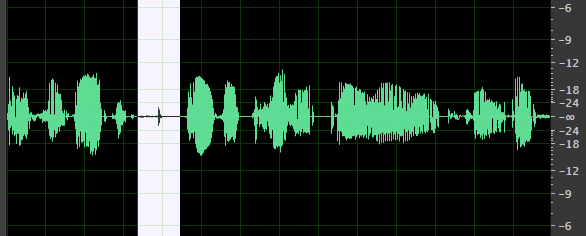
The effect on mouth clicks is stark. A subtle click, barely perceptible in an uncompressed recording, becomes significantly more pronounced after compression and subsequent normalization (adjusting the overall volume to a standard level). An uncompressed waveform might show a click as a brief, high-amplitude spike against a generally lower-amplitude speech signal. However, after compression, the quieter elements of the speech are boosted, bringing them closer in volume to the original peak of the click. When the entire waveform is then normalized to a standard listening level, the previously minor click now stands out as a much louder, more intrusive sound relative to the rest of the speech. This phenomenon is critical for voiceover artists to grasp, as it underscores the importance of addressing mouth clicks at the source rather than relying solely on post-production edits.

The detrimental effect of persistent mouth clicks on a voiceover artist’s career cannot be overstated. In audition scenarios, excessive mouth noise can lead to immediate rejection, as it signals a lack of professionalism or technical proficiency. For established artists, it can result in lost re-hiring opportunities. Anecdotal evidence from industry professionals highlights the severity of this issue. For instance, one audio producer recounted having to re-record an entire five-hour session with a new voiceover artist due to the original artist’s excessive mouth clicks, deeming the cost of editing prohibitive. This illustrates that the financial and time implications of unmanaged mouth noise can outweigh the artist’s fees.
The Role of Hydration: A Crucial Factor
The primary driver behind increased mouth click occurrence is dehydration. When the body is not adequately hydrated, saliva production decreases, leading to a drier and "stickier" mouth. This sticky saliva impedes the smooth movement of the tongue, resulting in a higher incidence of clicks and pops. This is why common dehydrating agents like caffeine (found in coffee and certain sodas) and nicotine (from cigarettes) exacerbate the problem. Both are diuretics, meaning they increase the rate of fluid loss from the body, thus contributing to oral dryness.
However, the relationship between hydration and mouth clicks is not as straightforward as simply drinking more water. Paradoxically, over-hydration, or more accurately, the rapid consumption of large quantities of water in a short period, can also contribute to mouth noise. When an artist gulps down excessive water just before a session, the mouth can become overly saturated. This excess fluid can create a different kind of friction and adhesion, making the tongue’s movements just as likely to produce clicks as a dry mouth.
The key lies in consistent, sustained hydration. The body’s ability to absorb and distribute water is limited. Downing liters of water minutes before a recording session is largely ineffective. To ensure optimal oral moisture levels, voiceover artists should begin hydrating at least two hours prior to their session. This allows the body sufficient time to absorb the water and distribute it evenly, promoting consistent saliva production.
It is imperative to distinguish between proper hydration and the consumption of other beverages. Many individuals mistakenly believe that drinking large volumes of fluids, such as Coca-Cola or other caffeinated or sugary drinks, constitutes adequate hydration. However, these beverages, being diuretics, can actually worsen dehydration. When referring to hydration for voiceover work, the emphasis must be on plain water.

Furthermore, maintaining adequate hydration is not only crucial for minimizing mouth clicks but also for protecting the vocal cords. The vocal cords are delicate mucous membranes that vibrate at high speeds. Dehydration reduces the lubricating mucus layer, leading to increased friction between the cords during phonation. This can result in hoarseness, a deeper vocal tone, and even throat soreness, severely impacting vocal performance.
For early morning recording sessions, pre-session hydration should ideally begin the night before. Overnight, the body naturally loses water, evidenced by the need to urinate upon waking. Without adequate overnight hydration, an artist may not have enough time to fully rehydrate before a morning session, leading to dryness and clickiness. Professionals working on demanding, long-form projects often adhere to strict hydration protocols, beginning their water intake the evening prior to ensure peak vocal condition.
Optimizing Microphone Technique and Vocal Projection
Beyond hydration, vocal technique plays a significant role in managing mouth clicks. Two key components are microphone placement and vocal projection. The distance between the artist’s mouth and the microphone, combined with the intensity of their voice, directly influences the perceived level of mouth noise relative to the spoken word.
Consider an analogy: if someone were to shout at you from 30 feet away, the volume of their voice would be so significant that any incidental mouth clicks would be virtually inaudible. Conversely, if that same person were to whisper directly into your ear, the subtle sounds of their mouth, including clicks, would be highly noticeable. This principle directly applies to microphone technique.
The recording input gain must be set appropriately to capture speech at a suitable level without clipping (distortion caused by exceeding the maximum amplitude). If an artist positions themselves very close to the microphone (e.g., three inches away) and speaks softly, the input gain will need to be increased significantly to achieve a desirable recording level. This amplification boosts not only the dialogue but also the ambient noise floor and any mouth clicks. The result is a recording where mouth clicks are comparatively louder and more prominent.
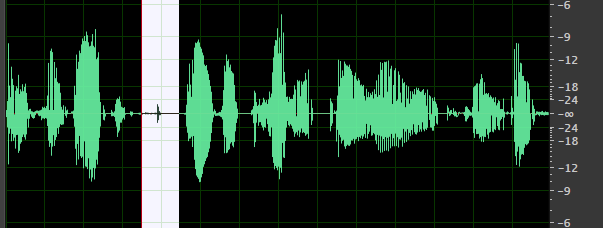
Conversely, maintaining a greater distance from the microphone (e.g., seven to eight inches) and projecting the voice slightly louder than normal speech allows for the input gain to be set lower. This results in a recording where the dialogue is strong and clear, while the noise floor and mouth clicks are comparatively quieter. The general recommendation is to "back off the mic and project more" to effectively reduce the prominence of mouth noise.
It is important to acknowledge that certain recording styles, such as the close-proximity "bass-proximity effect" often used in commercial voiceovers, inherently involve recording very close to the microphone. In such cases, artists must accept that a greater amount of post-production editing will be necessary to address mouth clicks. This is a trade-off for achieving a specific sonic characteristic.
Sustaining Hydration During Recording Sessions
The process of recording itself contributes to dehydration. As voiceover artists speak, they engage their vocal cords, which leads to a reduction in the natural balance of saliva and mucus in the mouth. Consequently, even an artist who begins a session perfectly hydrated can become "clicky" within a relatively short period.
This necessitates a strategy of consistent sipping of water throughout the recording session. While it may seem repetitive, maintaining oral moisture during the session is as critical as pre-session hydration. A professional voiceover artist will always come prepared with a bottle of water and will make a conscious effort to sip it regularly. This practice is a hallmark of a seasoned professional.
A common recommendation is to sip water every 10 to 15 lines of dialogue. While this may lead to more frequent bathroom breaks, the benefit of maintaining clear, click-free audio is paramount. The dry, air-conditioned environments common in modern recording studios can accelerate dehydration, making this continuous hydration strategy even more crucial.
Debunking the Green Apple Myth
A persistent piece of folklore in the voiceover community is the efficacy of eating half a green apple to instantly eliminate mouth clicks. The rationale behind this is that the citric acid in the apple cleanses the mouth and counteracts the dry, sticky saliva. While there might be a temporary effect due to the acidity and increased saliva production, relying on this method is not a sustainable or professional solution.
The primary issue with the green apple "remedy" is that it is a short-term fix. The underlying causes of mouth clicks – dehydration and suboptimal oral moisture balance – are not addressed. Furthermore, the acidic nature of the apple can have long-term detrimental effects on vocal cord health if consumed frequently. The professional approach to managing mouth clicks involves consistent hydration and proper technique, rendering such anecdotal remedies unnecessary, except perhaps in extreme cases of hangover where conventional methods have failed.
Conclusion: A Proactive Approach to Pristine Audio
The prevalence of mouth clicks in voiceover recordings, while a common concern, is largely a preventable issue. By understanding the interplay of physiological factors like hydration and the technical aspects of recording and post-production, voiceover artists can implement proactive strategies to significantly reduce their occurrence. Prioritizing consistent hydration, optimizing microphone technique and vocal projection, and maintaining oral moisture throughout recording sessions are the cornerstones of achieving clean, professional audio. While post-production editing can address some clicks, the most effective and efficient approach is to eliminate them at the source, ensuring a polished and impactful final product that meets the high standards of the voiceover industry.
