

The voice-over industry, a nuanced field where every sonic detail can impact a performance, is often subject to technical practices that, while seemingly straightforward, carry significant implications. Among these is the process of "debreathing," the removal or silencing of vocal breaths from recorded audio. While once a standard practice, particularly in commercial advertising, a closer examination reveals a complex landscape of necessity, artistic choice, and a growing understanding of the human element in vocal delivery. This article delves into the intricacies of debreathing, exploring its historical context, the evolving perspectives within the industry, and the critical distinction between its application in advertising versus other voice-over genres.
Understanding Debreathing: The Technical Process
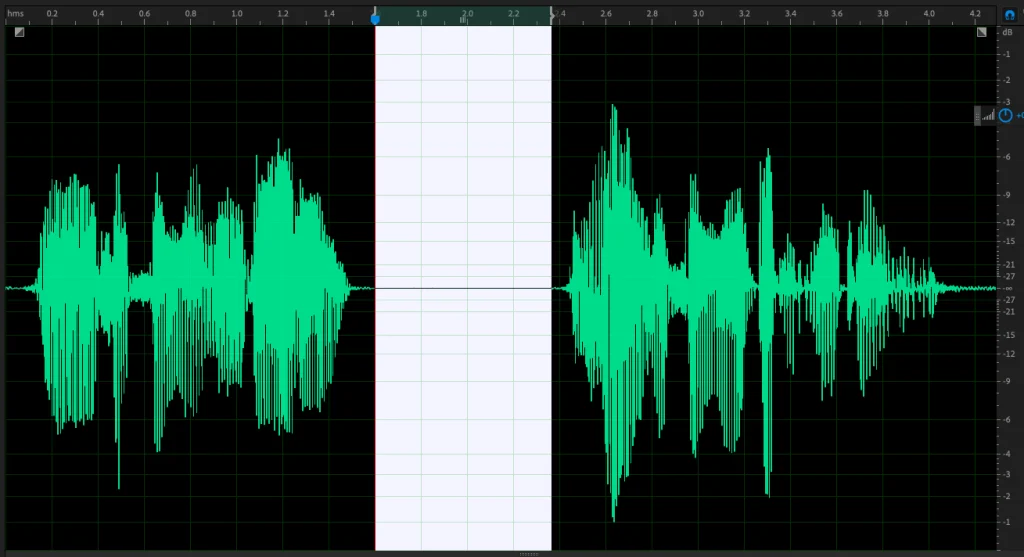
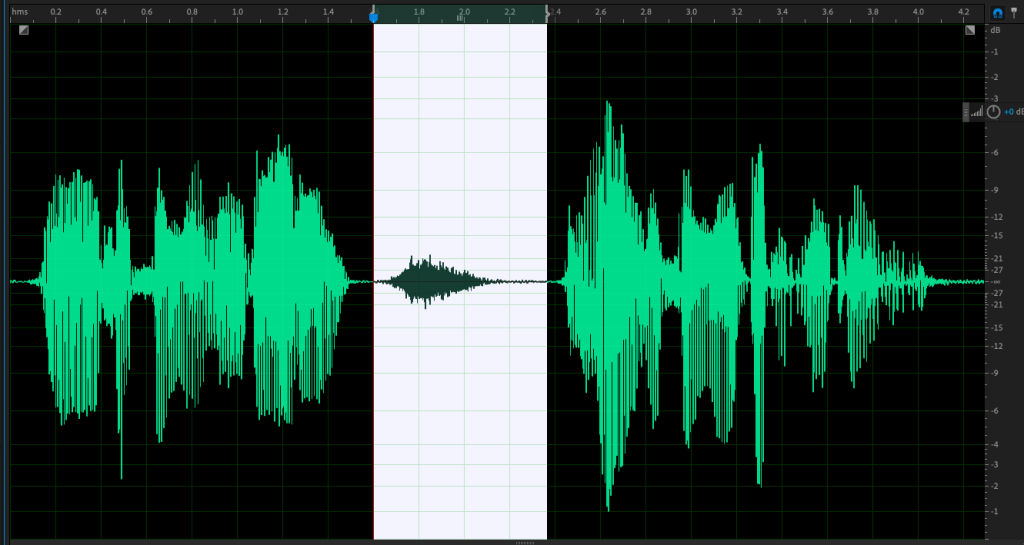
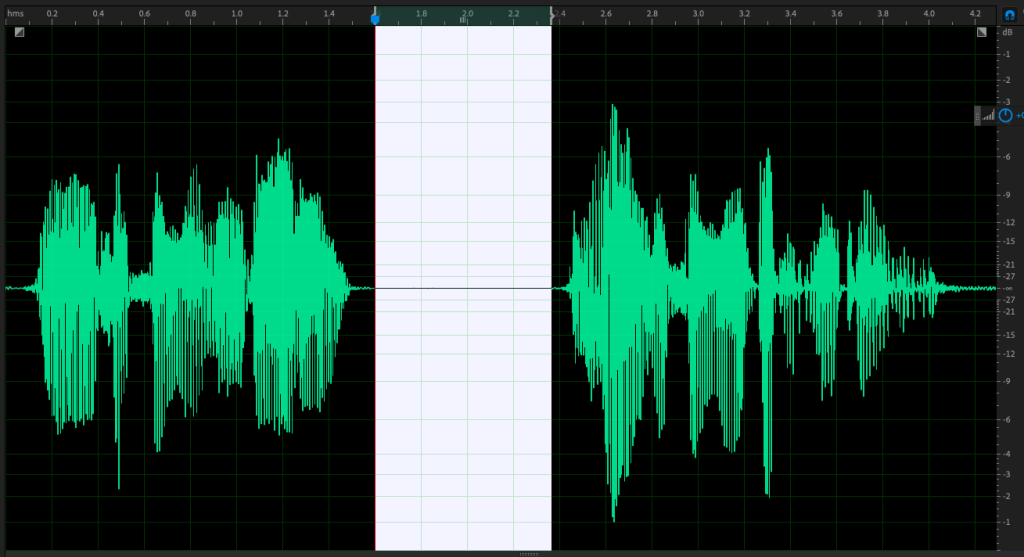
At its core, debreathing is a post-production audio editing technique. It involves identifying audible inhalations within a recorded voice-over performance and subsequently removing or silencing them. This process is typically executed using digital audio workstations (DAWs) such as Adobe Audition, Pro Tools, or Logic Pro. Engineers or editors visually identify the waveform spikes that represent breaths and then apply specific tools to mitigate their presence.
There are two primary methods of debreathing:
- Silencing: This is the more common and generally preferred method. The breath is not physically deleted from the audio file. Instead, its amplitude is reduced to a level where it is inaudible or barely perceptible. This preserves the natural timing and flow of the speech, as the silence where the breath would have been remains. Visually, this appears as a reduced amplitude section in the audio waveform.
- Deletion: This method involves physically removing the breath from the audio file and collapsing the waveform, thereby shortening the overall duration of the spoken phrase. This can sometimes lead to an unnatural sonic gap and a slightly rushed delivery, as the natural pause for breathing is eliminated entirely.
The distinction between these two methods is crucial. While silencing aims to make a breath imperceptible without disrupting the rhythm, deletion fundamentally alters the temporal aspect of the performance.
Historical Context and the Rise of Debreathing
The practice of debreathing gained prominence in the mid-20th century, coinciding with the golden age of radio and the burgeoning television advertising industry. In an era where broadcast audio quality was often limited and listeners were highly attuned to every sound, producers sought to create a polished, pristine, and impactful delivery for commercial messages. The rationale was straightforward: commercial voice-overs were designed to convey a direct, persuasive message to the consumer. Any extraneous sound, including natural human breathing, was perceived as a potential distraction that could detract from the clarity and urgency of the advertisement.
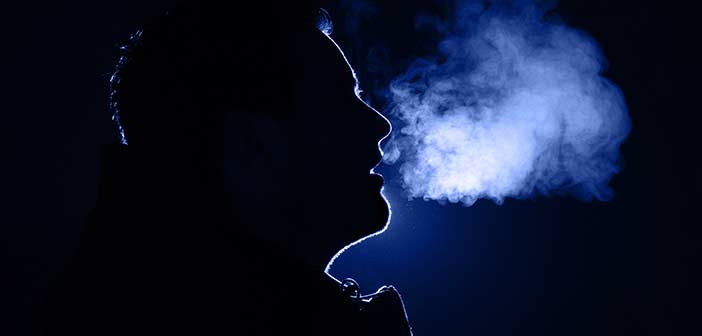
The prevailing philosophy was that commercial messages needed to be delivered with an unwavering focus on the product or service being promoted. The voice actor’s role was to be a conduit for this message, and every element of their performance was scrutinized to ensure maximum efficacy. Breaths, being involuntary physiological actions, were seen as interrupting the smooth flow of persuasive language. Therefore, their removal was deemed a necessary step in optimizing the commercial’s impact. This approach became a de facto standard in many advertising agencies and production houses.
The Evolving Definition of "Commercial"
A key point of contention and a source of confusion within the voice-over community lies in the broad interpretation of "commercial voice-over." Historically, the term has been applied to two distinct categories:
- Voice-over for Companies (Corporate/Branding): This encompasses a wide range of audio content used by businesses for internal communications, training videos, corporate presentations, explainer videos, and brand storytelling. While these projects are "commercial" in the sense that they are paid work for a commercial entity, their purpose is often informational, educational, or narrative, rather than direct advertising.
- Actual Advertisements: This refers to audio and visual content specifically designed to promote a product, service, or event to the public. These are the traditional commercials broadcast on television, radio, cinema, and online platforms.
The industry consensus, and the focus of this discussion, is that debreathing is primarily and traditionally applied to the second category – actual advertisements. The rationale for this targeted application is to ensure that the persuasive message of an advertisement is delivered without interruption, allowing the listener to fully absorb the call to action or product benefits. In many advertisements, the presence of music, sound effects, and a fast-paced delivery often masks the absence of breaths, making the edit less noticeable and the overall effect seamless.
The Case Against Debreathing in Other Genres
The practice of debreathing, however, has faced increasing scrutiny and has largely been deemed inappropriate for many other forms of voice-over work. The reasons for this shift in perspective are multifaceted and rooted in a deeper understanding of human communication and listener perception.
1. The Naturalness Imperative:
Humans are biologically programmed to hear and expect breathing in spoken language. It is an integral part of natural conversation. When breaths are entirely removed from a vocal performance, particularly in genres where the voice is the sole or primary element, it can create an uncanny and unsettling listening experience. Listeners may unconsciously perceive the performance as robotic or unnatural, leading to a disconnect.
This phenomenon is increasingly evident as artificial intelligence (AI) voice generators evolve. Early AI voices, designed for text-to-speech applications like Siri or early iterations of Google Assistant, often lacked audible breathing. While functional, these voices could sound sterile. More advanced AI models have begun to incorporate simulated breathing to enhance realism. This trend highlights the industry’s recognition that breathing is a fundamental characteristic of human vocalization.
2. The Role of Breath as a Pacing Mechanism:
Breaths serve as natural pauses within speech. These pauses are not merely physiological necessities; they are crucial for listener comprehension. During these brief interludes, the listener’s brain processes the information just conveyed, allows for reflection, and prepares to receive the next segment of information. When breaths are removed, particularly in longer spoken passages, the continuous flow of words can become overwhelming.
This can lead to listener fatigue and reduced information retention. In corporate narration, e-learning modules, audiobooks, or documentary voice-overs, where complex information is often presented, these natural pauses are essential for the audience to assimilate the content. Removing them can result in a rushed, anxiety-inducing experience for the listener, who may feel they are constantly being bombarded with words without adequate time to process them. The consequence, as some industry professionals observe, is that the audience may disengage or fail to retain the key messages.
3. Preserving the Human Element and Performance Nuance:
In an era where AI-generated voices are becoming increasingly sophisticated, the unique qualities of human vocal performance are gaining renewed appreciation. Natural delivery, characterized by authentic inflections, emotional resonance, and yes, audible breathing, is a significant advantage for human voice actors. Breathing is an inherent part of expressing emotion and conveying a naturalistic style. A soft sigh can convey weariness, a sharp inhale can indicate surprise, and a gentle exhale can punctuate a moment of calm.
Removing breaths can strip away these subtle but important performance nuances, transforming a dynamic and relatable delivery into something more sterile and less engaging. For genres like character acting in video games, dramatic narration, or intimate podcasting, maintaining this human authenticity is paramount to connecting with the audience. Debreathing in these contexts can diminish the emotional impact and the overall artistic quality of the performance.
Accidental Debreathing: The Pitfalls of Technical "Fixes"
Beyond intentional debreathing, there exists a common pitfall where breaths are inadvertently removed through the misuse of other audio processing tools, particularly noise reduction techniques. Tools such as noise gates and expanders, often employed to clean up recordings made in less-than-ideal acoustic environments, can indiscriminately reduce the amplitude of quiet sounds, including breaths.
While the intention may be to eliminate background noise like room tone, HVAC systems, or ambient sounds, the unintended consequence is the suppression of natural vocal elements. This creates the same detrimental effects as deliberate debreathing: an unnatural listening experience, a loss of human nuance, and a potentially diminished connection with the audience.
Industry experts strongly advise against using noise gates and expanders as a primary solution for poor recording environments. Instead, the focus should be on optimizing the recording space itself. This includes acoustic treatment of the room to minimize echo and reverberation, and ensuring the microphone is positioned correctly to capture a clean signal. Addressing the source of the noise is considered the professional approach, rather than attempting to "fudge" it in post-production, which often compromises the integrity of the performance. This distinction is often seen as a marker between amateur and professional audio engineering practices.
The Future of Debreathing: A Call for Informed Decisions
In conclusion, the practice of debreathing in voice-over production is not a monolithic technique with a universal application. While it historically served a specific purpose in the highly targeted context of advertising, its relevance and appropriateness have evolved significantly.
For actual advertisements, debreathing can still be a valid, albeit often client-driven, technique. However, even in this domain, voice actors and engineers are increasingly encouraged to consult with clients. The question of whether to debreath should be a deliberate decision, not an automatic assumption.
For the vast majority of other voice-over genres – corporate narration, e-learning, audiobooks, gaming, documentary, and dramatic performances – the prevailing professional advice is to retain vocal breaths. These breaths are not flaws; they are integral components of natural human speech and essential for conveying authentic emotion and facilitating listener comprehension. In an era where the human voice faces increasing competition from artificial intelligence, embracing and highlighting our innate human characteristics, including the audible breath, becomes a powerful differentiator and a testament to the unique value of human vocal artistry.
The voice is a deeply human instrument. Its imperfections, its rhythms, and its very breath are what make it relatable, engaging, and ultimately, more powerful. Unless specifically instructed otherwise by a client for a clearly defined advertising purpose, voice talent and audio professionals are urged to champion the natural delivery, allowing the human breath to tell its story. This approach not only honors the craft of voice acting but also fosters a more profound and resonant connection with the audience.
