

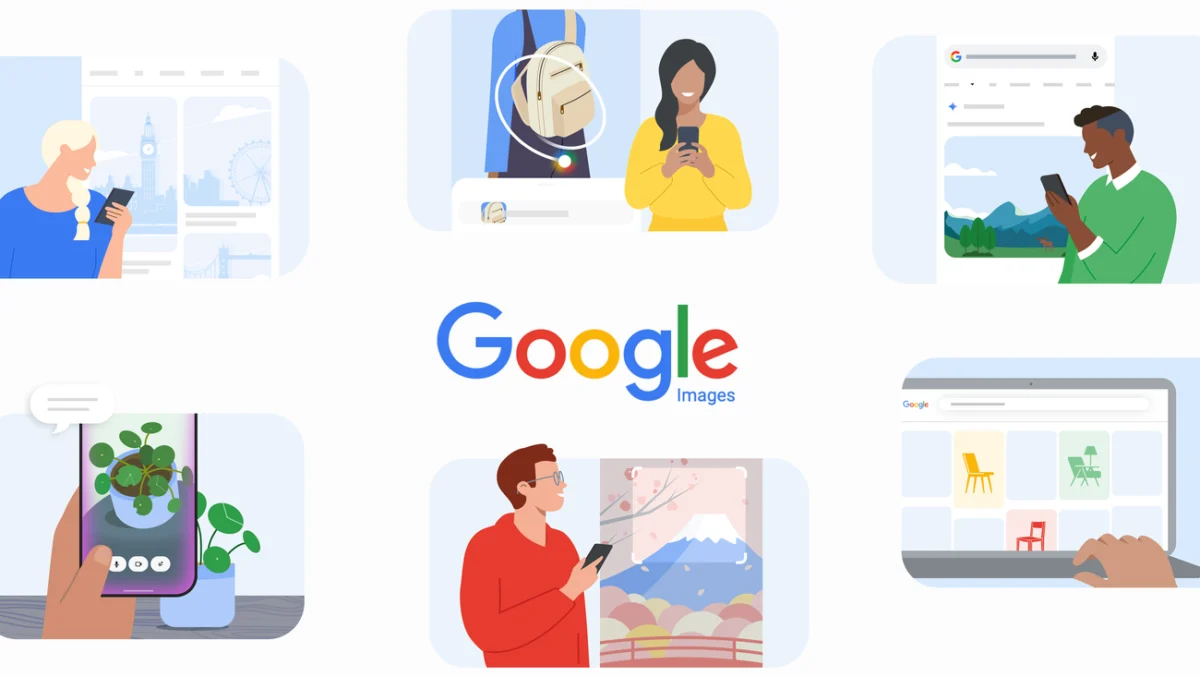
Google has officially marked the 25th anniversary of Google Images, a milestone that underscores the search giant’s transition from a text-centric index to a sophisticated, multimodal ecosystem. To commemorate a quarter-century of visual discovery, the company announced a suite of transformative updates designed to deepen user engagement and bridge the gap between human imagination and digital content. These include a reimagined, immersive homepage for Google Images and the integration of advanced generative AI directly into the Search experience, allowing users to create custom visuals from scratch using the latest proprietary AI models.
The evolution of visual search reflects a broader shift in how information is consumed and processed. What began in 2001 as a response to a viral cultural moment has grown into a cornerstone of the modern internet, facilitating billions of visual queries daily. As part of this anniversary celebration, Google is rolling out a new browseable home for Google Images on desktop. This interface features a dynamic, real-time gallery tailored to individual user interests, integrated with a "collections" feature that allows for seamless saving and organization of visual inspiration. Furthermore, Google is expanding its AI Overviews to include image generation powered by its "Nano Banana" model, marking a significant leap in how users interact with the search bar.
The Cultural Catalyst: From Green Dresses to Global Grids
The genesis of Google Images is famously tied to the 2000 Grammy Awards. When Jennifer Lopez appeared in an iconic green Versace silk chiffon dress, the surge in search volume for the image was unprecedented. At the time, Google’s search results consisted almost entirely of blue text links, which failed to satisfy the public’s desire for visual confirmation of the event. Recognizing this gap in the market, Google engineers worked to develop a dedicated image index, which officially debuted in July 2001.
Initially, the service offered access to 250 million images, a figure that has since ballooned into the trillions. The early years focused on basic metadata and text-based image recognition. However, as web content became more visually dense, the necessity for more sophisticated discovery tools grew. By 2009, Google introduced the "Similar Images" feature, a precursor to modern computer vision. This allowed users to refine their queries based on visual attributes rather than re-typing text, effectively teaching the engine to recognize shapes, colors, and textures as search parameters.
A Chronology of Visual Innovation
The trajectory of Google’s visual search capabilities can be divided into three distinct eras: the Indexing Era (2001–2010), the Recognition Era (2011–2021), and the current Generative Era (2022–present).
In 2011, the launch of "Search by Image" fundamentally altered the direction of the platform. For the first time, an image itself could serve as the query. By uploading a file or pasting a URL, users could track the provenance of a photo or find high-resolution versions of a thumbnail. This functionality became an essential tool for journalists, researchers, and consumers alike.
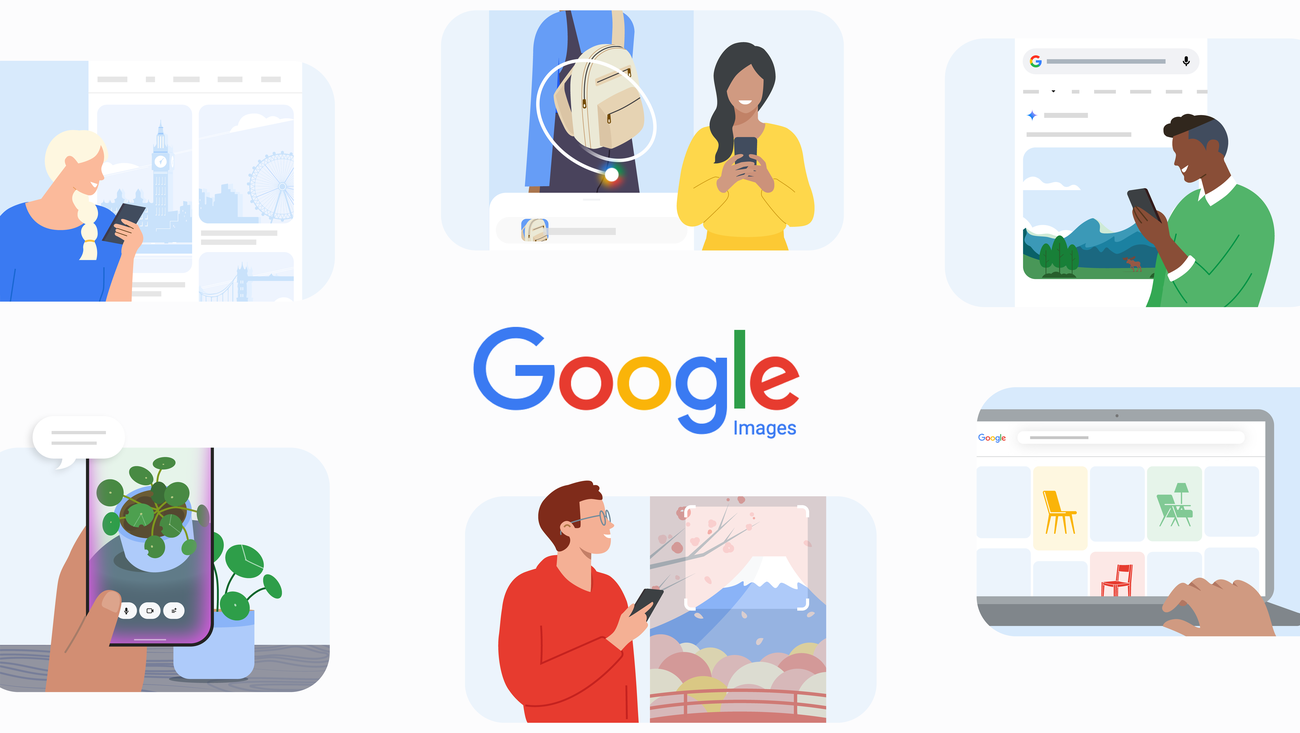
The year 2018 marked another pivot with the introduction of Google Lens. This moved visual search from the browser to the smartphone camera, enabling real-time interaction with the physical world. Lens utilized neural networks to identify plants, translate foreign text on menus, and provide product links for furniture or clothing. By 2022, "Multisearch" allowed users to combine images and text in a single query—such as photographing a pattern and adding the word "wallpaper"—representing a major step toward multimodal AI.
The most recent advancements, spanning 2024 to 2026, have integrated AI more deeply into the operating system level. "Circle to Search," launched in 2024, is now available on over 580 million Android devices. It allows users to initiate a search by simply gesturing at any object on their screen, regardless of the app they are using. By 2025 and 2026, the technology progressed to "Search Live," which facilitates interactive voice and video conversations with the search engine, and "Multi-Object Recognition," which can deconstruct a complex image into multiple searchable entities simultaneously.

New Frontiers: Real-Time Personalization and Generative Creation
The 25th-anniversary updates represent the culmination of these historical threads. Brad Kellett, Senior Engineering Director for Search at Google, noted that the goal is to make the world’s visual information "instantly accessible and useful" while also empowering users to create what does not yet exist.
The new Google Images homepage is designed to function as a discovery engine rather than just a retrieval tool. Utilizing machine learning, the gallery updates in real time based on a user’s browsing history and saved collections. This "immersion-first" design philosophy aims to keep users within the Google ecosystem for longer periods, competing with visual discovery platforms like Pinterest.
Simultaneously, the integration of image generation into AI Overviews signals a move toward "creative search." Using the Nano Banana model, Google Search can now interpret complex text prompts and generate high-quality original images. This feature is particularly aimed at users who have a specific vision—such as a "maximalist bedroom with emerald green accents"—that may not be adequately represented in existing web photography. This shift from "finding" to "making" marks a paradigm shift in the utility of a search engine, transforming it into a creative partner.

Technical Infrastructure and the "Visual Fan-Out" Technique
Behind these user-facing features lies a complex technical infrastructure. One of the most significant recent breakthroughs is the "visual image fan-out" technique. In traditional search, an image is processed as a single entity. With fan-out technology, the AI breaks a single image or video frame into dozens of sub-queries.
For example, when a user utilizes "Search Live" to troubleshoot a piece of home theater equipment, the AI doesn’t just see "a mess of wires." It identifies specific port types, cable colors, and hardware models by fanning out the visual data into multiple concurrent analysis streams. This allows the system to provide nuanced, step-by-step instructions in real time. This multimodal capability is supported by Google’s Gemini family of models, which are trained to process text, images, video, and audio natively and simultaneously.
Market Implications and the Future of the Visual Economy
The implications of these advancements extend far beyond user convenience. For the e-commerce sector, the refinement of visual search is a transformative force. With features like "Visual Results in AI Mode" and "Multi-Object Recognition," the path from inspiration to purchase is becoming increasingly frictionless. Retailers who optimize their visual assets for these AI-driven discovery tools stand to gain significantly as "shoppable" search results become the standard.

Furthermore, the rise of generative AI within search raises important questions regarding digital copyright and the value of original content. By allowing users to generate images directly in the search bar, Google is entering a space traditionally occupied by stock photo agencies and digital artists. While the company maintains that these tools are intended to "bridge the gap between imagination and reality," the long-term impact on the digital creative economy remains a subject of intense industry debate.
Conclusion: The Horizon of Visual Discovery
As Google Images enters its second quarter-century, the definition of "search" has been irrevocably altered. It is no longer a passive act of retrieving indexed data; it is an active, generative, and conversational experience. The transition from a list of blue links to a live, interactive video feed with an AI assistant reflects the rapid pace of technological convergence.
Google’s 25-year journey in visual search demonstrates a consistent focus on reducing the distance between a user’s curiosity and the information they seek. Whether it is identifying a breed of dog through a camera lens or generating a custom visual for a home renovation project, the search engine has evolved into a comprehensive interface for the physical and digital worlds. As AI models continue to grow in sophistication, the boundaries of what can be searched—and what can be created—will likely continue to expand, making the next 25 years of visual search as unpredictable as the first.
