

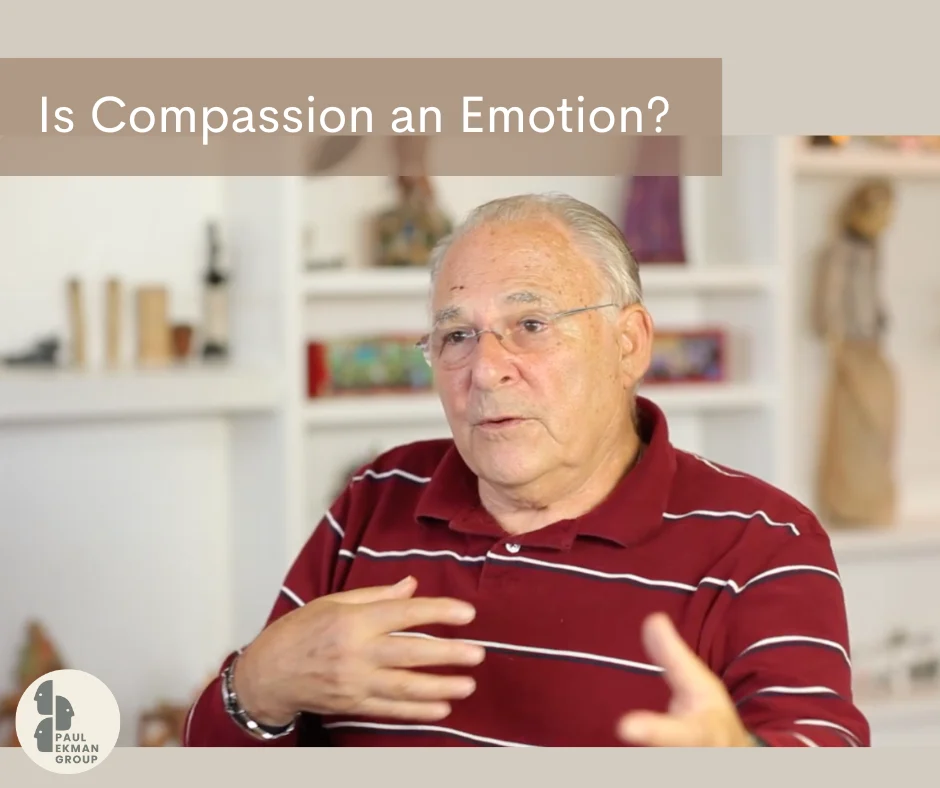
While the act of extending kindness and understanding often brings a sense of personal fulfillment, the concept of compassion is far more intricate than a mere emotional response. Distinct from other universal human emotions such as joy, sadness, fear, or anger, compassion is characterized by its specific focus on suffering and an intrinsic motivation to alleviate it. This fundamental distinction is crucial not only for appreciating the profound significance of compassion but also for recognizing its cultivable nature. Understanding these nuances is paramount in navigating an increasingly interconnected world grappling with widespread suffering.
At its core, compassion is uniquely defined by its singular objective: the reduction of suffering. Unlike emotions, which can be triggered by a vast array of circumstances and serve diverse psychological functions, compassion is narrowly trained on the presence of distress and the desire to diminish it. This psychological definition highlights a critical difference: emotions can be either constructive or destructive, serving purposes that range from self-preservation to social bonding. Compassion, by its very definition, is inherently constructive. Its intent is never to inflict harm, but exclusively to mitigate pain and suffering wherever it is encountered. This unwavering focus distinguishes it as a powerful, intentional force for good.
Three Pillars of Compassion: From Instinct to Intentionality
The spectrum of compassion can be broadly categorized into three distinct forms, each representing a different origin and manifestation of our capacity for concern: familial, stranger, and sentient compassion. These forms illustrate a progression from innate biological drives to deliberate, chosen actions, underscoring the multifaceted nature of this vital human quality.
Familial Compassion: The Evolutionary Imperative
The most primal and instinctual form of compassion is familial compassion, the profound concern we feel for our children and closest blood relatives. This is not a learned behavior but an involuntary biological imperative, deeply embedded in our species’ evolutionary blueprint. When a parent, without a moment’s hesitation, rushes into danger to protect their child, there is no conscious deliberation or choice involved. The action is automatic, an instinctive response to perceived threat. The immediate, unthinking impulse to act, often articulated as "I had to," speaks to the powerful biological underpinnings of this form of compassion.
The evolutionary roots of familial compassion are evident across the animal kingdom, particularly in primates, where strong bonds and parental care are essential for survival. Humans, however, exhibit an exceptionally long period of childhood dependency, spanning many years. This prolonged vulnerability necessitates an equally robust, innate drive to safeguard offspring from harm. This inherent protective instinct ensures the continuation of the species by prioritizing the survival and well-being of the next generation.
Crucially, much of parental compassion operates proactively rather than reactively. Consider the common parental admonition for a child to wear a helmet while cycling. At that moment, the child is not experiencing suffering. The parent’s action is a cognitive effort to anticipate and prevent potential future pain. This anticipatory aspect is a hallmark of familial compassion, where the aim is not merely to relieve immediate distress but to foresee and avert suffering before it arises. This forward-thinking approach, driven by love and a deep-seated instinct, is a cornerstone of effective parenting and a testament to the evolutionary advantage of strong familial bonds.
Stranger Compassion: The Conscious Choice
In contrast to the automatic nature of familial compassion, compassion extended to strangers is a deliberate and conscious choice. This form of compassion is not a biological reflex but a cultivated behavior. When an individual donates to a disaster relief fund, volunteers at a refugee camp, or offers assistance to a complete stranger they will likely never encounter again, these actions stem from a reasoned decision. The individual could have chosen to remain passive, as many do, but instead opts to act.
Stranger compassion is not a universal trait, even within societies that exhibit high levels of altruism and volunteerism. While acts of kindness towards strangers are observed globally, they represent a conscious decision to engage with the suffering of others, irrespective of personal connection. The potential for widespread positive change is immense if stranger compassion were universally practiced. The fact that it is a decision rather than an emotion further underscores its distinction from basic emotional responses. Emotions are a shared human experience; stranger compassion is something that individuals actively choose to foster and express. This capacity for deliberate altruism is a hallmark of advanced social development and ethical reasoning.
Sentient Compassion: The Widest Embrace
The broadest and perhaps most aspirational form of compassion is sentient compassion, which extends concern to all sentient beings – all creatures capable of experiencing feelings and suffering. This form of compassion is central to many spiritual and philosophical traditions, notably Buddhism, where it is considered a cornerstone practice. Charles Darwin himself lauded it as humanity’s highest virtue, recognizing its profound ethical implications.
Sentient compassion transcends species boundaries, extending equal concern to all beings that possess the capacity for feeling and the potential for suffering. This perspective challenges anthropocentric views and advocates for a more inclusive ethical framework. While few individuals naturally exhibit sentient compassion without dedicated training or sustained practice, history offers examples of those who have achieved this expansive state of awareness. The cultivation of sentient compassion represents a significant expansion of our moral circle, challenging ingrained biases and promoting a holistic understanding of interconnectedness.
The Growing Capacity for Compassion
While humans universally experience core emotions like fear, anger, joy, and sadness, providing a foundation for empathy, the expression of this empathy is not always equitable. For many, empathy can be unconsciously restricted to individuals who resemble them, share their immediate environment, align with their values, or belong to their close-knit social circles. The profound moral imperative before us is to consciously widen this circle of empathy and compassion, extending it to encompass all beings.
This expansion, however, is not without its challenges. The modern era, with its ubiquitous media, bombards us with unprecedented levels of suffering from across the globe. An hour spent consuming news can expose us to a volume of pain that far exceeds the scope of any individual’s capacity to personally alleviate. This constant exposure can lead to emotional overload, desensitization, or burnout, making it difficult to maintain a sustained and healthy compassionate response. Navigating this complex landscape requires developing robust coping mechanisms and a refined understanding of how to offer support without becoming overwhelmed.
The Critical Distinction: Why Understanding Compassion Matters
Recognizing compassion as a distinct phenomenon, separate from raw emotion, is vital for understanding its potential for growth and cultivation. While familial compassion may operate on an automatic, instinctual level, compassion for strangers and sentient beings is a capacity that can be deliberately strengthened through intention, training, and consistent practice. This realization empowers individuals and societies to actively work towards becoming more compassionate.
In a world where suffering is increasingly globalized and visible, learning to extend compassion effectively and sustainably is perhaps one of the most critical skills humanity can develop. It is not merely about feeling for others, but about acting with purpose and wisdom, finding ways to contribute to the alleviation of suffering without succumbing to despair. This deliberate cultivation of compassion offers a pathway towards a more just, equitable, and humane future. The ongoing exploration of these different forms of compassion, from the instinctive to the intentional, provides a roadmap for individuals seeking to deepen their understanding and practice of this essential human virtue.
