

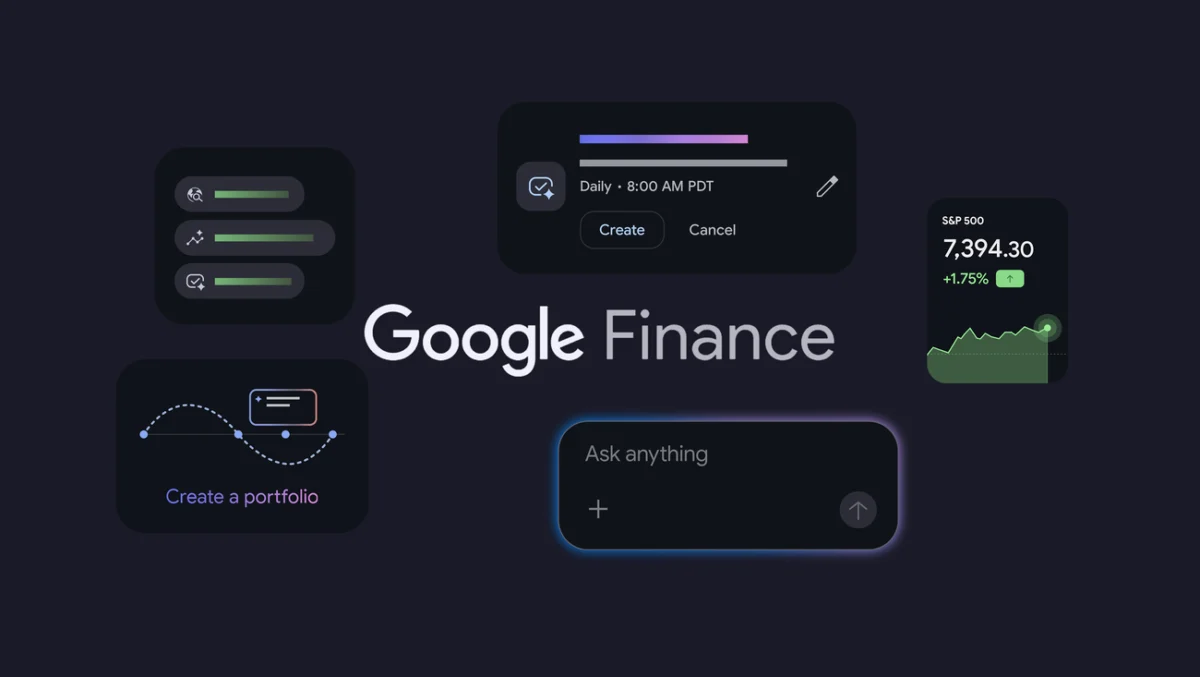
Google has officially announced the transition of its redesigned Google Finance platform out of its beta phase, marking a significant milestone in the company’s effort to modernize its financial data ecosystem. This week’s rollout introduces a comprehensive suite of tools designed to streamline investment tracking, market analysis, and portfolio management through the integration of advanced artificial intelligence and enhanced data processing capabilities. Alongside the web-based updates, the technology giant has launched a dedicated Google Finance app for Android, with an iOS version slated for release later this year. These updates represent a strategic pivot for Google, transforming a traditionally static data aggregator into a dynamic, AI-powered advisory tool intended to assist both novice and seasoned investors in navigating increasingly volatile global markets.
A New Framework for Portfolio Management and Data Integration
The centerpiece of the update is the global rollout of an overhauled portfolio management system. Unlike previous iterations of Google Finance, which required manual entry of ticker symbols and share quantities, the new platform leverages Google’s expertise in document processing and natural language understanding. Users can now populate their portfolios by uploading documents such as CSV files, PDFs of brokerage statements, or even screenshots of their holdings.
This automation is designed to reduce the friction associated with maintaining an accurate record of personal investments. Once the data is ingested, the platform provides a consolidated dashboard that goes beyond simple price tracking. It offers granular insights into asset allocation, identifying the percentage of a user’s wealth distributed across equities, fixed income, and cryptocurrencies. By centralizing performance data, Google aims to provide a holistic view of financial health, allowing users to see how individual assets contribute to their overall net worth in real-time.
For users with existing portfolios in the legacy version of Google Finance, the transition is seamless, with data migrating automatically to the new interface. The inclusion of natural language descriptions as a method for portfolio building further lowers the barrier to entry, allowing users to simply "describe" their investments to the system to begin tracking them.
The Role of Generative AI in Financial Research
As financial markets become more data-dense, the challenge for investors has shifted from accessing information to interpreting it. Google has addressed this by embedding a sophisticated AI research tool directly into the Finance interface. This tool allows users to move beyond looking at charts by asking complex, qualitative questions about their financial strategy.
According to Barine Tee, Principal Engineer for Search at Google, the system can respond to queries such as, "What sectors are currently underrepresented in my portfolio?" or "How does my fixed income allocation impact my long-term growth potential?" By analyzing the user’s specific holdings against broader market trends, the AI provides personalized responses that help contextualize raw data.
Furthermore, the platform introduces "Key Moments," an AI-driven feature that parses thousands of financial news articles and earnings reports to explain the "why" behind significant stock movements. This feature is intended to prevent the information overload that often occurs during high-volatility events, such as quarterly earnings calls or unexpected macroeconomic shifts, by distilling the primary drivers of price action into digestible summaries.
Automated Market Intelligence and Custom Briefings
Google Finance is also expanding its "Market Intel" capabilities, allowing users to automate their daily financial research. A new task-based feature enables users to set up custom briefings. For instance, a user can instruct the platform to "Send me a daily pre-market briefing analyzing significant overnight moves across major cryptocurrencies."
These instructions are highly customizable; users can specify the frequency, the specific assets to monitor, and the depth of analysis required. Once a task is established, Google Finance operates in the background, scanning global markets and news feeds to generate a tailored report. These updates are delivered via notifications through the primary Google app on Android and iOS, as well as within a dedicated research panel on the Google Finance website. This proactive approach to data delivery marks a shift from a "pull" model, where users must seek out information, to a "push" model, where relevant insights are delivered automatically based on predefined user interests.
The Android Launch and the Mobile Strategy
The introduction of a standalone Google Finance app for Android addresses a long-standing gap in Google’s mobile offerings. While financial data has been accessible through Google Search for years, the new app provides a dedicated environment for market monitoring. The app includes the core features of the web experience, such as personalized watchlists, real-time data streaming, and a live financial news feed.

Google’s decision to launch on Android first aligns with its broader ecosystem strategy, but the company confirmed that an iOS version is in active development. Over the coming months, the mobile app is expected to receive updates that bring it into parity with the web version, including the integration of live earnings calls and the full suite of portfolio management tools. For the millions of retail investors who now manage their finances primarily via smartphone, this dedicated app represents a significant improvement in accessibility and user experience.
Historical Context: The Evolution of Google Finance
To understand the significance of these updates, it is necessary to look at the trajectory of Google Finance since its inception in 2006. For much of its early history, Google Finance was a favorite among power users for its clean charts and integration with Google Sheets. However, in 2017, Google significantly scaled back the service, removing several advanced features and folding it more tightly into Google Search. This move was met with criticism from the investment community, who felt the tool had lost its depth.
In 2020, Google began a multi-year effort to revitalize the brand, introducing a more visual interface and better news integration. The current exit from beta and the infusion of AI represent the culmination of this turnaround strategy. Google is no longer positioning Finance as a mere utility for checking stock prices; it is now positioning it as an intelligent companion in the retail investing journey, leveraging the company’s vast advancements in Large Language Models (LLMs) to compete with established players like Yahoo Finance, Bloomberg, and Morningstar.
Market Analysis and the Rise of the Retail Investor
The timing of these upgrades coincides with a massive surge in retail investing. Since 2020, the democratization of trading through platforms like Robinhood and the increased availability of fractional shares have brought millions of new participants into the market. Data from various financial watchdogs suggests that retail trading now accounts for a significant portion of daily market volume.
However, this influx of new investors has also highlighted the "information gap"—the disparity between the sophisticated tools available to institutional traders and the basic data available to the public. By offering AI-powered asset allocation insights and automated briefings for free, Google is effectively narrowing this gap. The ability to upload a PDF of a brokerage statement and receive an instant analysis of sector exposure is a feature that was previously reserved for premium, paid financial services.
Broader Implications for the Fintech Landscape
The enrichment of Google Finance has broader implications for the fintech industry. By integrating financial tracking so deeply into its ecosystem, Google is increasing the "stickiness" of its services. A user who relies on Google Finance for daily briefings and portfolio analysis is more likely to remain within the Google Search and Android ecosystems.
Furthermore, the move signals Google’s intent to utilize AI as a primary interface for complex data. While competitors offer similar data points, Google’s advantage lies in its ability to synthesize information from across the web. The "Key Moments" feature, for example, relies on Google’s indexing of global news, a feat that few other companies can match with the same level of real-time accuracy.
There are, however, considerations regarding data privacy and security. As users upload sensitive financial documents like PDFs and CSVs to Google’s servers, the company will likely face increased scrutiny regarding how this data is stored and whether it is used to inform other parts of Google’s advertising business. Google has historically maintained that financial data in Finance is kept private to the user, but as the tool becomes more central to a user’s financial life, transparency will be paramount.
Future Outlook: Live Earnings and iOS Expansion
Looking ahead, Google has outlined a roadmap that focuses on real-time engagement. The upcoming integration of live earnings calls into the mobile app will allow investors to listen to corporate leadership directly while viewing real-time price reactions and AI-generated summaries of the call’s key points. This "second screen" experience is becoming increasingly popular during high-stakes financial events.
The eventual launch of the iOS app will complete the cross-platform experience, ensuring that Google Finance can serve as a universal tool regardless of hardware preference. As these features roll out globally, the goal remains consistent: to simplify the complexity of investing without sacrificing the depth of information required to make informed decisions. By bridging the gap between raw market data and actionable intelligence, the new Google Finance seeks to empower a new generation of investors to navigate the global markets with greater confidence and clarity.
