

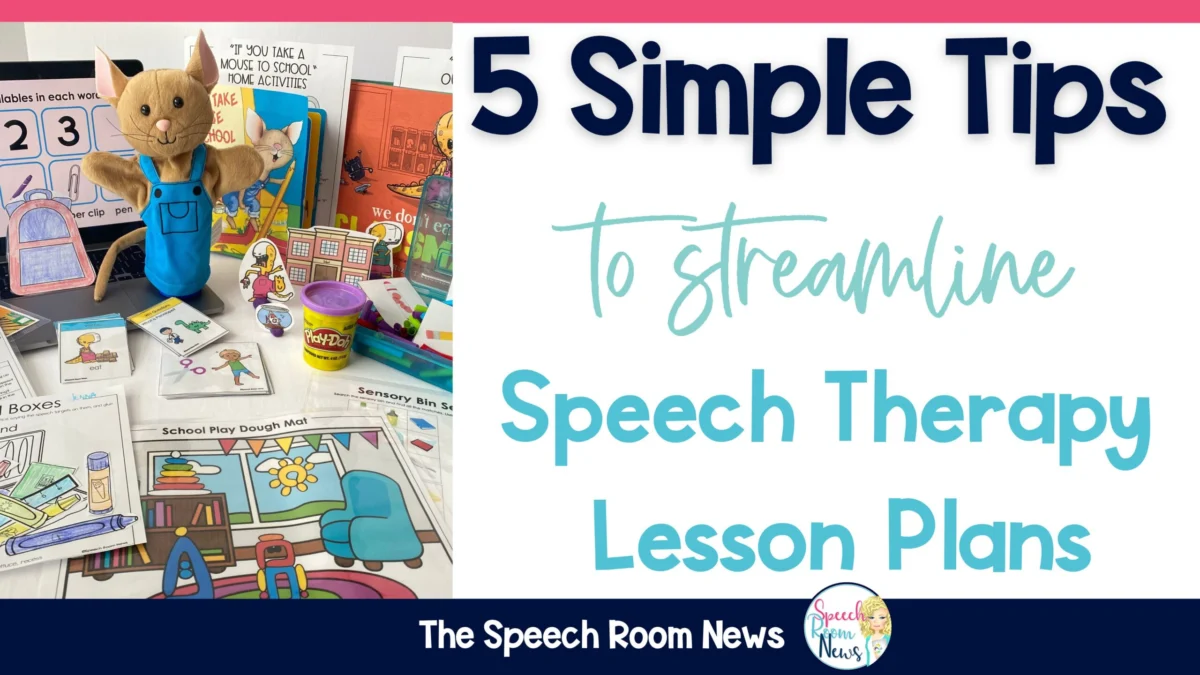
The landscape of school-based speech-language pathology is increasingly complex, with professionals managing diverse student needs, extensive Individualized Education Programs (IEPs), and often considerable caseloads. The initial stages of a career in this field can be particularly daunting, as new Speech-Language Pathologists (SLPs) grapple with the challenge of developing individualized lesson plans for dozens of students each week, each with unique goals. This intricate planning process, if not strategically managed, can lead to overwhelming workloads and reduced direct therapy time. However, a growing body of practice-based evidence and professional consensus points towards several effective strategies that can significantly streamline lesson planning, enhancing both SLP efficiency and student outcomes. These approaches move away from the unsustainable model of creating 50 distinct lessons per student per week, advocating instead for integrated, adaptable frameworks.
The Evolving Demands on School-Based SLPs
School-based SLPs operate at the intersection of education and healthcare, tasked with supporting students across a spectrum of communication disorders. These disorders can range from articulation and phonological impairments to complex language disorders, fluency issues, and social communication deficits. The caseloads managed by SLPs can be substantial, often exceeding the recommended limits set by professional organizations like the American Speech-Language-Hearing Association (ASHA), which has historically advocated for manageable caseloads to ensure quality service delivery. In many districts, SLPs may serve 50, 60, or even more students, each requiring tailored interventions based on their IEP goals.
The administrative burden associated with these roles, including assessments, progress monitoring, report writing, and IEP meetings, further compounds the challenge of lesson planning. In an environment where every minute counts, inefficient planning not only consumes valuable preparation time but can also detract from the quality and consistency of therapy sessions. Early career SLPs, in particular, often report feeling overwhelmed by the sheer volume of material creation required to address varied goals across multiple students. This scenario underscores the critical need for systematic, efficient, and adaptable lesson planning methodologies that empower SLPs to deliver high-quality, evidence-based services without succumbing to burnout.
Strategic Frameworks for Efficient Speech Therapy Planning
Several well-established and emerging strategies offer pathways for SLPs to streamline their lesson planning, transforming a potentially time-consuming task into a more manageable and effective process. These approaches emphasize adaptability, reusability, and the integration of multiple learning objectives within a single activity or theme.
1. Embracing Theme-Based Therapy Plans
One of the most widely adopted and effective strategies for streamlining speech therapy lesson plans is the implementation of a theme-based therapy approach. By selecting a central theme for a week or a month—such as "Fall Harvest," "Ocean Animals," or "Community Helpers"—SLPs can coordinate all their therapeutic materials and activities around this singular concept. This allows for the selection of books, toys, worksheets, and crafts that align with the theme and can be adapted to target a wide array of speech and language goals across different students and groups.
The primary advantage of thematic planning lies in its reusability and inherent organizational structure. Once a theme-based unit is developed, it can be revisited in subsequent years, with SLPs incrementally adding new materials and refining activities based on prior experience. This cumulative approach significantly reduces annual preparation time. Furthermore, themed lesson plans often align seamlessly with classroom curricula, fostering a more integrated educational experience for students and facilitating carryover of skills between therapy sessions and the classroom. For instance, a "Farm Animals" theme could target articulation (e.g., /f/ in "farm," /g/ in "goat"), vocabulary (e.g., "tractor," "barn"), sentence structure (e.g., "The cow eats grass"), and social skills (e.g., taking turns with farm animal toys) within a single session, accommodating students with varied IEP goals.
2. Leveraging Literacy-Based Therapy Frameworks
Integrating picture books and other literature into speech and language therapy sessions offers another powerful method for streamlining lesson plans, particularly for mixed groups. Literacy-based therapy harnesses the rich linguistic content of books to target a multitude of speech and language goals without the need for extensive material creation. Research consistently supports the efficacy of shared story reading in promoting language development, making this a robust, evidence-based intervention.
A typical literacy-based intervention framework involves several key stages:
- Pre-story Knowledge Activation: Engaging students in discussions to activate their prior knowledge related to the book’s themes or vocabulary.
- Shared Story Reading: Facilitating an interactive reading experience, pausing to discuss vocabulary, make predictions, and model language structures.
- Focused-Skill Activities: Designing activities directly related to the book that target specific IEP goals, such as identifying story elements, inferring character emotions, or practicing target sounds found in the book’s words.
- Post-story Comprehension Discussion: Reviewing the story, summarizing key events, and relating the story to students’ personal experiences.
The versatility of books allows SLPs to address goals ranging from phonological awareness and articulation to comprehension, vocabulary expansion, and narrative skills. Moreover, if SLPs coordinate with classroom teachers to use books already integrated into the general curriculum, it strengthens the connection between therapy goals and academic learning, enhancing the relevance and impact of interventions, even into secondary grades. The ability to use the same book and associated materials over multiple sessions further reduces the planning burden.
3. Implementing a Narrative Language Approach
While sharing similarities with literacy-based therapy, a narrative language approach distinguishes itself by focusing explicitly on the structure and generation of stories. This approach teaches storytelling as a core skill while simultaneously addressing specific speech and language objectives. Narrative skills are foundational for academic success, influencing reading comprehension, written expression, and social interaction.
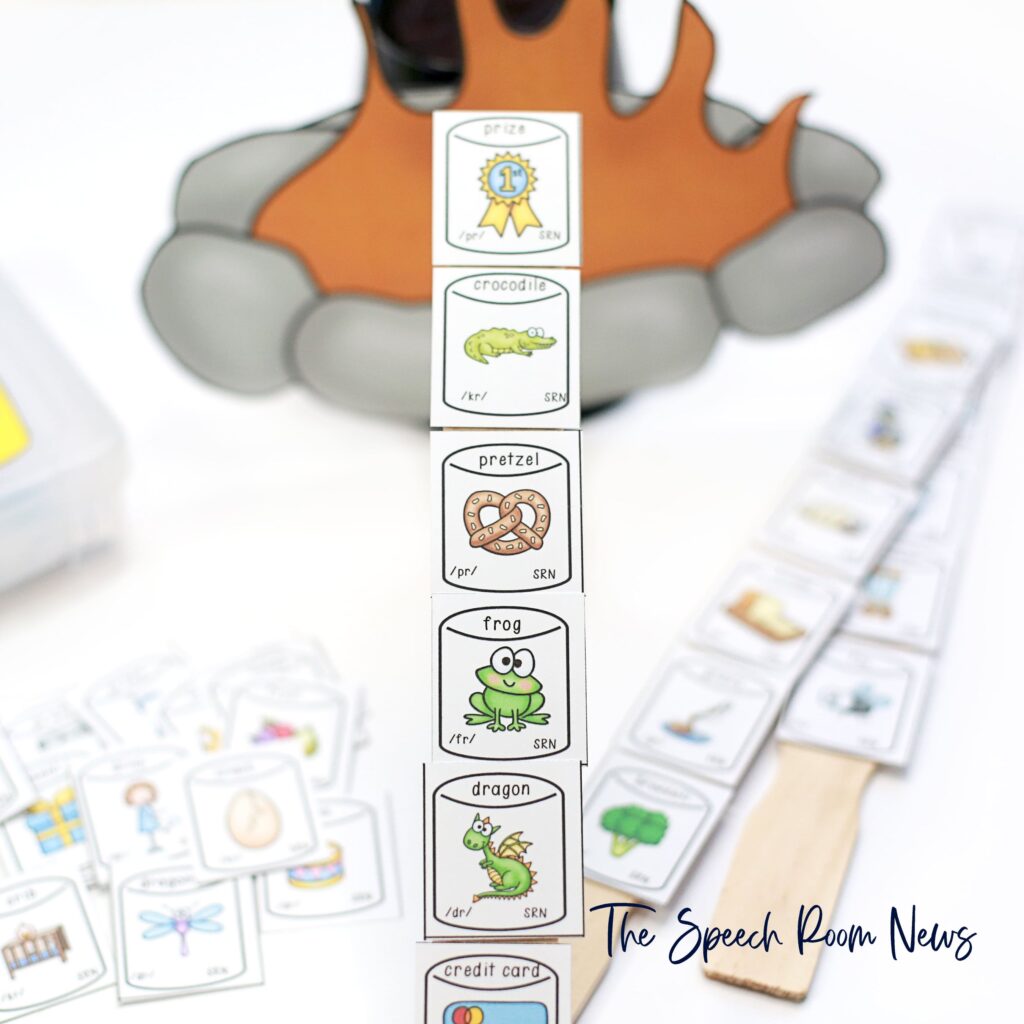
In narrative language intervention, SLPs typically present multiple stories with similar structures over time, often one per session. The emphasis is placed on story retell and story generation tasks, prompting students to understand and produce coherent narratives. This approach dedicates significant attention to story grammar (e.g., characters, setting, initiating event, attempts, consequence, resolution) and the development of complex syntax and rich vocabulary within narrative contexts. The benefit of this strategy is its direct focus on a skill critical for curriculum success, facilitating significant carryover of speech and language skills into broader academic and social environments. By systematically targeting narrative structures, SLPs can address goals related to sequencing, inferencing, problem-solving, and expressive language organization, all within a meaningful and functional context.
4. Maximizing Single Therapy Toys or Games for Multiple Goals
One of the most pragmatic and least preparation-intensive planning strategies involves utilizing a single, versatile therapy toy or game to target a diverse range of goals within a group session. This "resource maximization" approach transforms common items into powerful therapeutic tools, promoting engagement and reducing the need for extensive material preparation.
Examples of highly versatile items include:
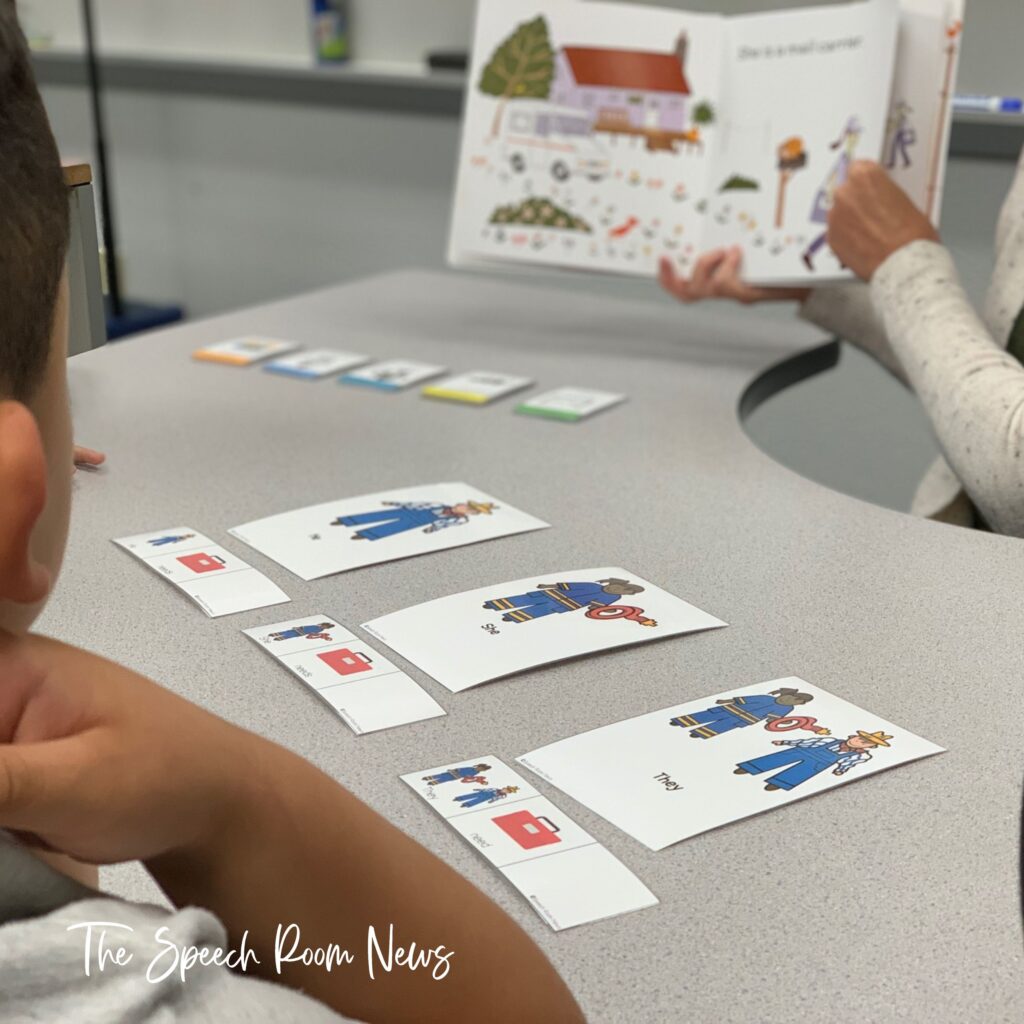
- Classic Board Games (e.g., Candyland): A simple game board can become a scaffold for numerous activities. SLPs can create custom cards or prompts linked to game squares to target articulation, vocabulary, describing actions, answering "wh" questions, or practicing social turn-taking. This allows for simultaneous addressing of multiple IEP goals within a single group.
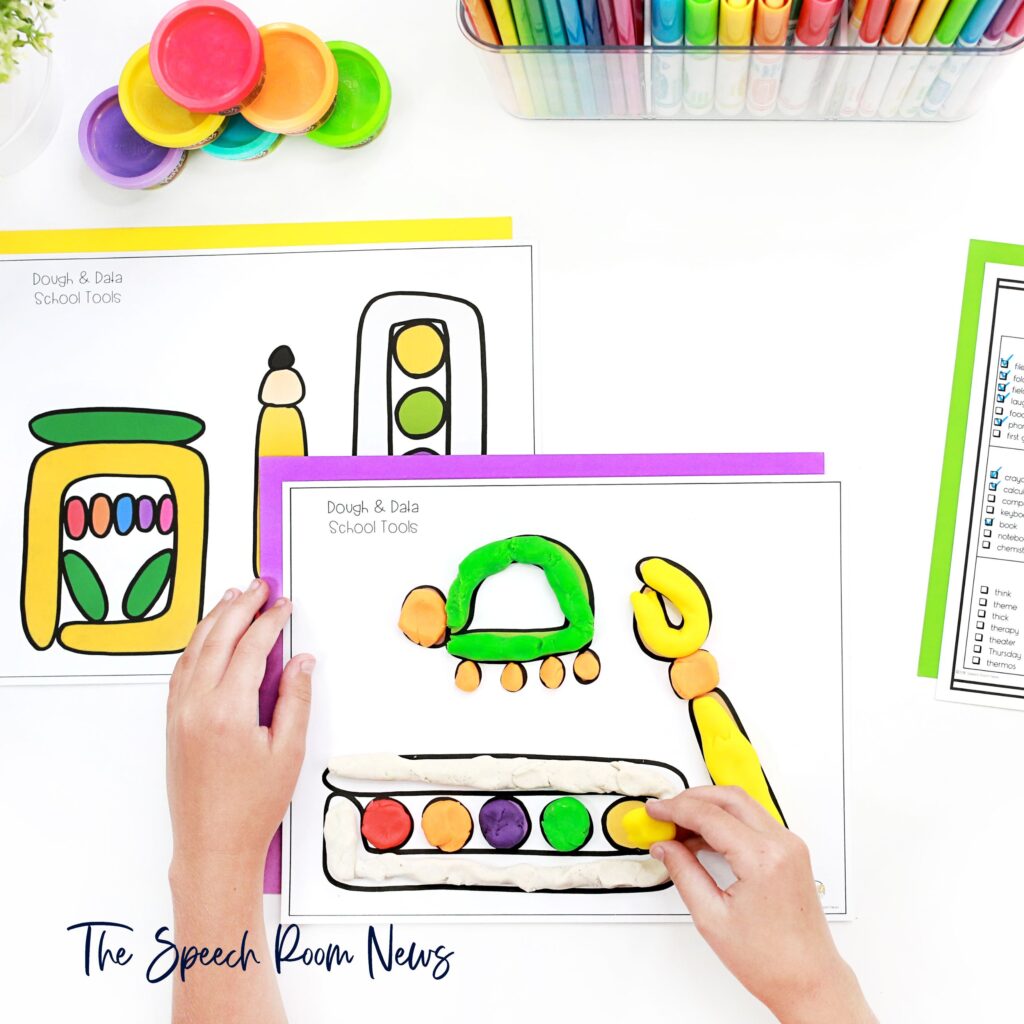
- Play-Doh: This malleable material is excellent for fine motor skills but also serves as a dynamic medium for language development. Activities can include following directions ("Make a long, skinny snake"), describing attributes ("It’s soft and green"), targeting specific sounds (e.g., /s/ in "snake," "squish"), or using it to represent concepts from a story. Tools like "Dough and Data Sets" provide pre-designed mats that integrate data collection with play, making progress monitoring seamless and engaging for students.
- Mini Objects: Small, tactile objects are incredibly versatile for targeting a vast array of speech and language goals. Their concrete nature makes them ideal for vocabulary development, categorizing, prepositions ("put the car under the table"), articulation practice (e.g., using objects starting with target sounds), and developing descriptive language ("Tell me about the tiny, shiny button"). They are easily portable and highly motivating for many students.
- Pretend Play Sets (e.g., Ice Cream Shop, Doctor Kit): Role-playing scenarios provide rich opportunities for naturalistic language intervention. Students can practice requesting, commenting, turn-taking, problem-solving, and using specific vocabulary and sentence structures relevant to the play scenario. For instance, an ice cream shop set allows for practice with verbs ("scoop," "serve"), prepositions ("on top," "next to"), adjectives ("sweet," "cold"), and social scripts for ordering and interacting. These sets are particularly valuable for preschool evaluations, offering insight into a child’s spontaneous language use and conceptual understanding.
The key to this strategy is the SLP’s ability to adapt the activity to individual student needs and goals, demonstrating clinical creativity and flexibility. This approach not only saves planning time but also fosters a dynamic and engaging therapy environment.
5. Systematizing AAC Core Word of the Week (WOW) Planning
For students who use Augmentative and Alternative Communication (AAC), systematic planning around a "Core Word of the Week" (WOW) can dramatically streamline intervention and ensure consistent exposure and practice. Core words are a small set of high-frequency words (e.g., "go," "want," "more," "stop," "in," "out") that account for a significant portion of spoken language. Focusing on these words systematically provides a robust framework for language acquisition and functional communication.
A well-structured AAC Core Word of the Week program offers several benefits:
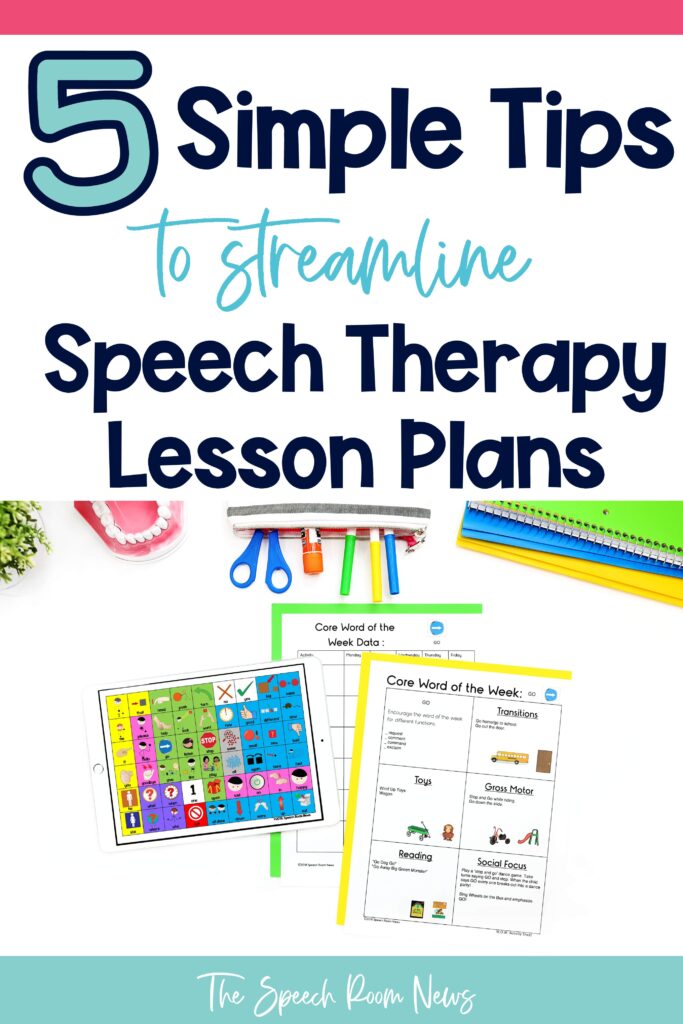
- Structured Instruction: It provides a clear, week-long or month-long framework for targeting specific core words, ensuring depth of practice.
- Interdisciplinary Collaboration: By sharing the core word focus with teachers, paraprofessionals, and parents, SLPs can foster a consistent communication environment across all settings, maximizing opportunities for practice and generalization. This enhances the entire IEP team’s involvement and understanding of the student’s communication goals.
- Reduced Planning Time: Pre-designed WOW lesson plans offer a ready-to-use curriculum that can be adapted rather than created from scratch. These often include visual aids, activity ideas, and parent letters, further reducing preparation.
- Systematic Progress: By focusing on a manageable number of high-frequency words, students can build a functional vocabulary incrementally and with consistent reinforcement.
Implementing a WOW program, such as those that target 4 core words at a time (e.g., "Go, In, Different, Help"), allows for comprehensive instruction that can be tailored to various activities and contexts, fostering both expressive and receptive language development for AAC users.
Bonus Tip: Cultivating a "Grab and Go" Materials Repertoire
Beyond structured planning frameworks, maintaining a collection of pre-prepped, readily accessible "grab and go" materials is an indispensable strategy for any SLP. These materials serve as invaluable resources for unexpected situations, such as needing a filler activity, covering for an absent SLP, or when primary materials haven’t been prepped due to unforeseen circumstances.
Essential "grab and go" items typically include:
- Articulation Cards: Comprehensive sets targeting various speech sounds at different word positions and levels of complexity.
- Visual Supports: Behavior charts, first/then boards, visual schedules, and communication boards to support student engagement and self-regulation.
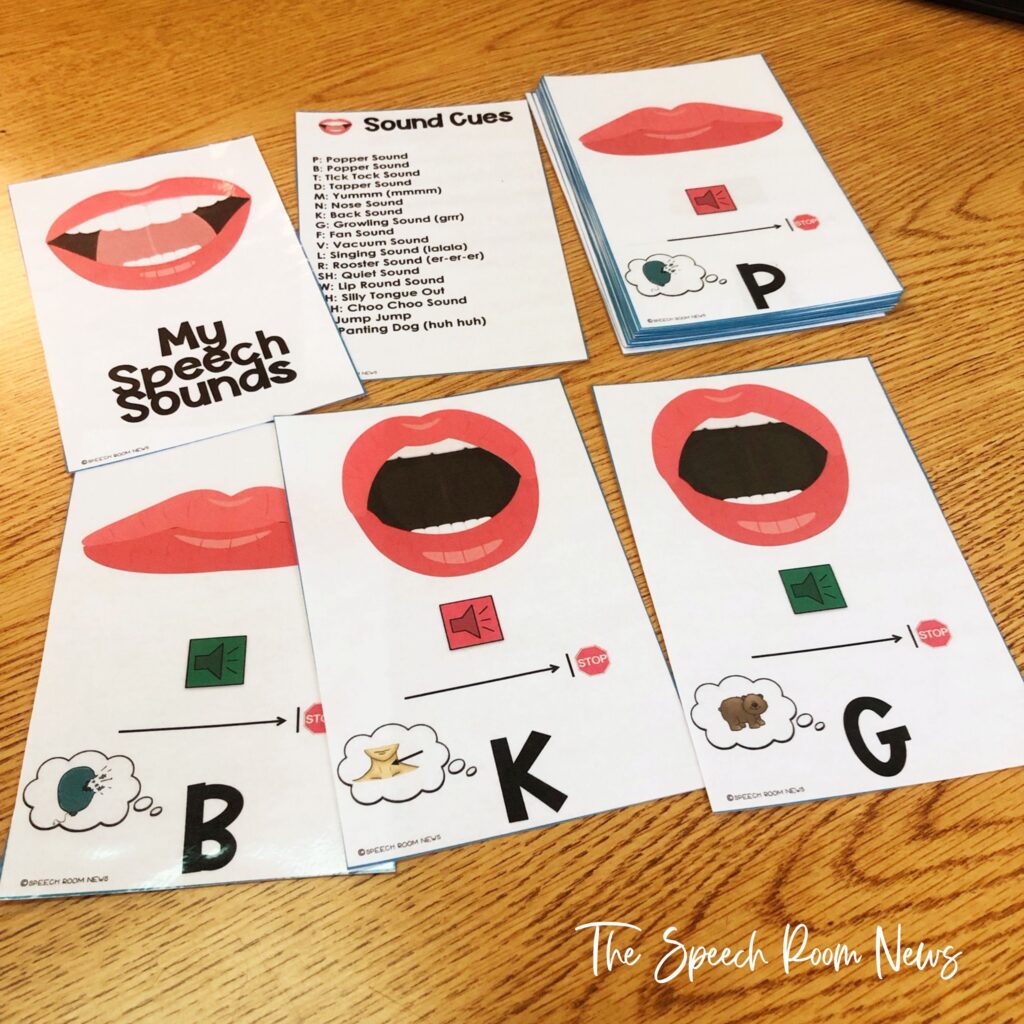
- Speech Sound Posters/Helpers: Visual aids illustrating articulatory placement or phonetic cues.
- Print & Go Home Packets: Ready-to-send materials for articulation or phonology practice that extend therapy into the home environment.
- Mini Books/Worksheets: Versatile, theme-neutral activities that can be quickly adapted for various goals.
Having these resources organized and easily retrievable significantly reduces stress and ensures that valuable therapy time is always productive, regardless of planning contingencies.
Implications for Professional Practice and Student Outcomes
The adoption of streamlined lesson planning strategies holds significant implications for the speech-language pathology profession and, most importantly, for the students served.
- Reduced SLP Burnout: By minimizing the exhaustive, repetitive process of creating entirely new lessons each week, SLPs can reclaim valuable time, reduce administrative burden, and mitigate professional burnout, leading to increased job satisfaction and retention.
- Enhanced Service Quality: Efficient planning allows SLPs to dedicate more time to direct student interaction, data collection, and thoughtful adaptation of interventions, ultimately leading to more focused and effective therapy sessions.
- Improved Student Progress: Consistent, well-structured, and engaging therapy, facilitated by streamlined planning, contributes to more predictable and measurable progress towards IEP goals. The systematic nature of these approaches ensures that students receive targeted, high-quality intervention.
- Strengthened Interdisciplinary Collaboration: Strategies like theme-based planning and AAC Core Word of the Week naturally foster collaboration with classroom teachers, special educators, and parents. This shared understanding of goals and methods creates a more cohesive and supportive learning environment for students.
- Optimal Resource Utilization: Reusable materials, multi-purpose toys, and pre-designed frameworks represent an efficient use of time, financial resources, and physical space, allowing SLPs to maximize the impact of available tools.
In conclusion, the era of individualizing 50 distinct lessons per student per week is increasingly unsustainable for school-based SLPs facing rising caseloads and complex student needs. By strategically embracing thematic planning, literacy-based and narrative language approaches, versatile therapy tools, and systematic AAC instruction, SLPs can transform their planning process. These methods not only enhance efficiency and reduce professional workload but also elevate the quality, consistency, and efficacy of speech and language services, ultimately benefiting the diverse student populations they serve. The ongoing evolution of best practices in speech-language pathology continues to emphasize adaptive, evidence-based, and collaborative approaches that empower SLPs to thrive in their vital roles.
