


Historical Context and Evolution of Parental Engagement in Education
The concept of parental involvement in schooling is deeply rooted in educational philosophy, evolving from informal discussions to structured events like Curriculum Night. Historically, these evenings were designed to introduce parents to their child’s classroom, academic curriculum, and the general pedagogical approach for the upcoming year. Over time, as educational systems became more specialized and inclusive, the scope of these events expanded to incorporate the contributions of support staff, including special education teachers, occupational therapists, physical therapists, and crucially, Speech-Language Pathologists. This evolution reflects a growing understanding that a child’s educational success is a collective endeavor, requiring seamless integration and communication across all professional disciplines involved in their development. For students receiving special education services, including speech and language therapy, federal mandates like the Individuals with Disabilities Education Act (IDEA) underscore the imperative of parental involvement, emphasizing that parents are integral members of the educational team.
The Indispensable Role of the SLP at Curriculum Night
For SLPs, participating in Curriculum Night is not merely a formality but a strategic imperative. It offers a unique window to demystify speech and language therapy, which often remains an abstract concept for many parents. Unlike classroom instruction, therapy sessions are typically conducted in smaller groups or individually, often outside the main classroom, making their nature less visible. Curriculum Night provides a dedicated forum to explain therapy goals, methodologies, and the tangible impact on a child’s communication abilities.

The benefits extend beyond mere information dissemination. SLPs can leverage this platform to build rapport, establish trust, and initiate the crucial home-school connection vital for therapeutic success. Research consistently demonstrates a strong correlation between active parental involvement in a child’s education, particularly in special education, and improved academic and developmental outcomes. When parents understand the ‘what’ and ‘why’ of therapy, they are better equipped to reinforce strategies at home, generalize learned skills, and advocate effectively for their child’s needs. This proactive engagement can significantly reduce the potential for misunderstandings or disengagement later in the academic year.
Strategic Topic Selection: Addressing Core Parental Concerns
The effectiveness of an SLP’s Curriculum Night presentation hinges significantly on the relevance and utility of the chosen topic. Instead of a generic overview, a targeted presentation that addresses common parental concerns or provides practical solutions is far more impactful. SLPs should consider topics that resonate deeply with parents, offering immediate value and fostering a sense of partnership.
Potential high-impact topics include:
- Understanding Communication Milestones: Providing clear, age-appropriate benchmarks for speech and language development can help parents identify areas where their child might need additional support or simply reassure them about typical development. This can also serve as an informal screening tool, prompting parents to seek further evaluation if concerns arise.
- Effective Home Practice Strategies: Translating therapy room techniques into simple, everyday activities parents can implement at home is crucial. This could involve demonstrating specific articulation exercises, language-building games, or strategies for enhancing fluency.
- Navigating the Special Education Process: Many parents, especially those new to special education, find the process overwhelming. An SLP can offer clarity on Individualized Education Programs (IEPs), eligibility criteria for speech services, and parental rights, thereby empowering them as informed advocates.
- Augmentative and Alternative Communication (AAC) Systems: For children utilizing AAC, Curriculum Night is an ideal setting to introduce parents to these systems, explain their function, and model basic usage, encouraging consistent implementation across environments.
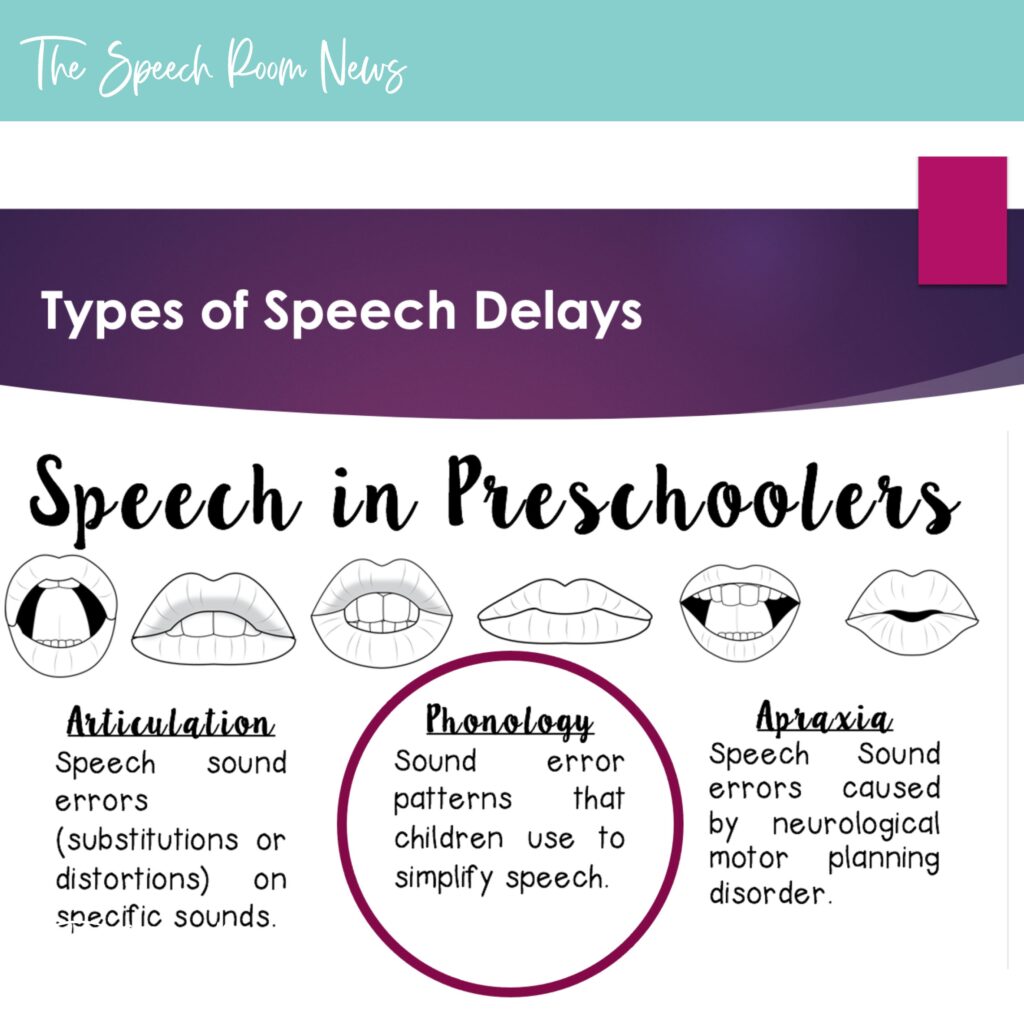
- Speech and Language Development in Early Childhood: A session focused on early intervention strategies can be particularly valuable for parents of preschool-aged children, highlighting the critical window for addressing communication delays.
- Literacy Connections: Explaining how speech and language skills underpin reading and writing development can help parents understand the broader educational impact of therapy and how to support emergent literacy at home.
The selection of a topic should ideally be informed by the demographic of the attendees, common challenges observed within the school population, or even feedback from previous years. A survey distributed prior to the event, or collaboration with classroom teachers, can provide valuable insights into parental interests and concerns, ensuring the presentation directly addresses felt needs.

Bridging the Knowledge Gap: The Imperative of Parent-Friendly Communication
One of the most significant challenges for professionals in any specialized field is communicating complex information in an accessible manner. For SLPs, the world of speech-language pathology is rife with technical jargon, abbreviations (e.g., phonological processes, receptive/expressive language, pragmatics, AAC, IEP, FAPE), and nuanced concepts that can be bewildering to the uninitiated. A common pitfall during Curriculum Night presentations is inadvertently alienating parents through overly academic or clinical language.
Effective communication demands a conscious effort to simplify. Adopting a "fifth-grader" analogy—explaining concepts as if to an intelligent but non-expert audience—is an excellent guiding principle. This means:
- Eliminating Jargon: Replace clinical terms with plain language equivalents. For example, instead of "disfluent speech," use "stuttering." Instead of "articulation disorder," use "difficulty making certain sounds."
- Using Analogies and Examples: Relate abstract concepts to familiar experiences. Explaining how different parts of the mouth work together to make sounds, for instance, can be clarified with simple analogies.
- Visual Aids: Incorporate clear, engaging visuals that illustrate points without relying on text-heavy slides. Pictures, short video clips, or diagrams can be highly effective.
- Encouraging Questions: Create a welcoming atmosphere where parents feel comfortable asking questions without fear of judgment. Pausing periodically for questions can ensure understanding before moving to new concepts.
- Cultural and Linguistic Responsiveness: Recognize that parent audiences may come from diverse linguistic and cultural backgrounds. Providing materials in multiple languages or offering interpretation services where possible demonstrates inclusivity and enhances comprehension.
By prioritizing clarity and simplicity, SLPs can ensure that parents leave the presentation not just with information, but with genuine understanding and confidence in their ability to support their child. This approach fosters a collaborative environment, making parents feel valued as partners rather than passive recipients of information.
Empowering Families Through Practical Engagement: The "Make and Take" Approach
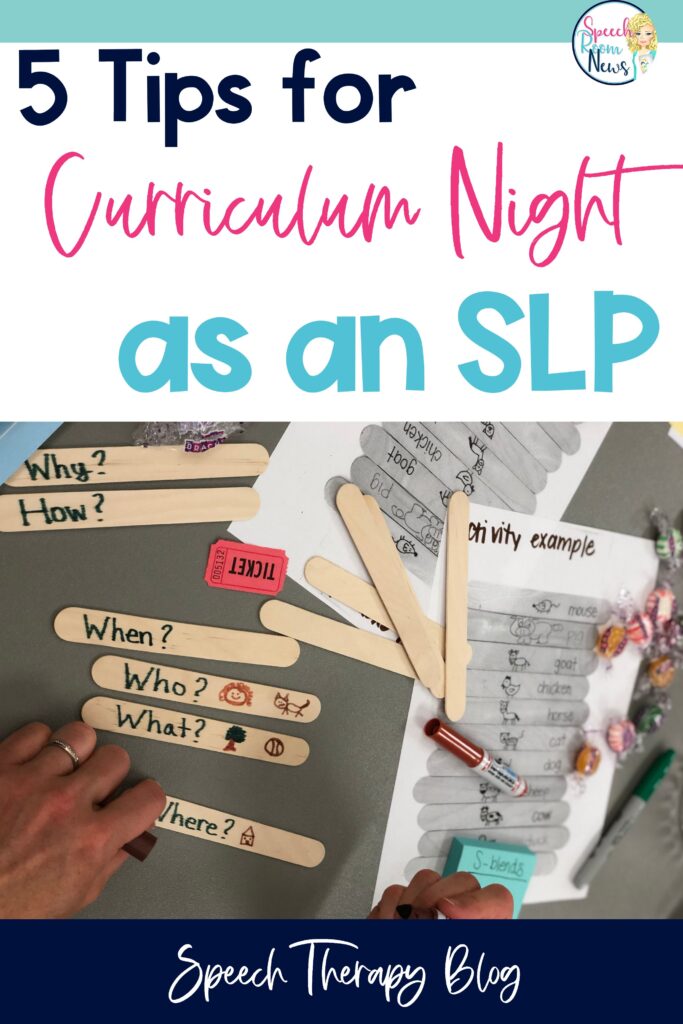
Incorporating an interactive "Make and Take" activity can transform a passive lecture into an engaging, memorable experience. This hands-on component provides parents with practical, tangible tools they can immediately implement at home, directly addressing the common parental desire for actionable steps. The pedagogical principle behind "Make and Take" is rooted in active learning; direct involvement leads to better retention and application of knowledge.
Examples of effective "Make and Take" activities for SLPs include:
- Communication Boards: For children using AAC, parents can assemble simple, personalized communication boards using pre-printed pictures or symbols. This helps them understand the system and create tools for home use.
- "Wh-" Question Sticks: Parents can decorate craft sticks with "who, what, where, when, why" questions, which they can use to encourage language development during story time or daily conversations.
- Articulation Practice Games: Creating simple card games or dice games with target sounds can make home practice fun and engaging for children.
- Vocabulary Builder Jar: Parents can decorate a jar and fill it with slips of paper featuring new vocabulary words, encouraging daily word exploration.
- Story Retelling Props: Simple puppets or picture cards can be assembled to help children practice sequencing and narrative skills.
Beyond the creation of the tool, the "Make and Take" session provides an opportunity for SLPs to model how to use these resources effectively, offer personalized tips, and answer specific questions. This direct interaction reinforces the importance of parental involvement and empowers families to become active participants in their child’s therapeutic journey, extending the reach of therapy beyond the school walls.
Sustaining Support Beyond the Evening: The Value of Comprehensive Handouts
While a dynamic presentation and interactive activity are crucial, the information overload inherent in any Curriculum Night necessitates supplementary resources. High-quality, informative handouts serve as an invaluable reference guide, ensuring that parents can revisit key points, strategies, and resources long after the event concludes.
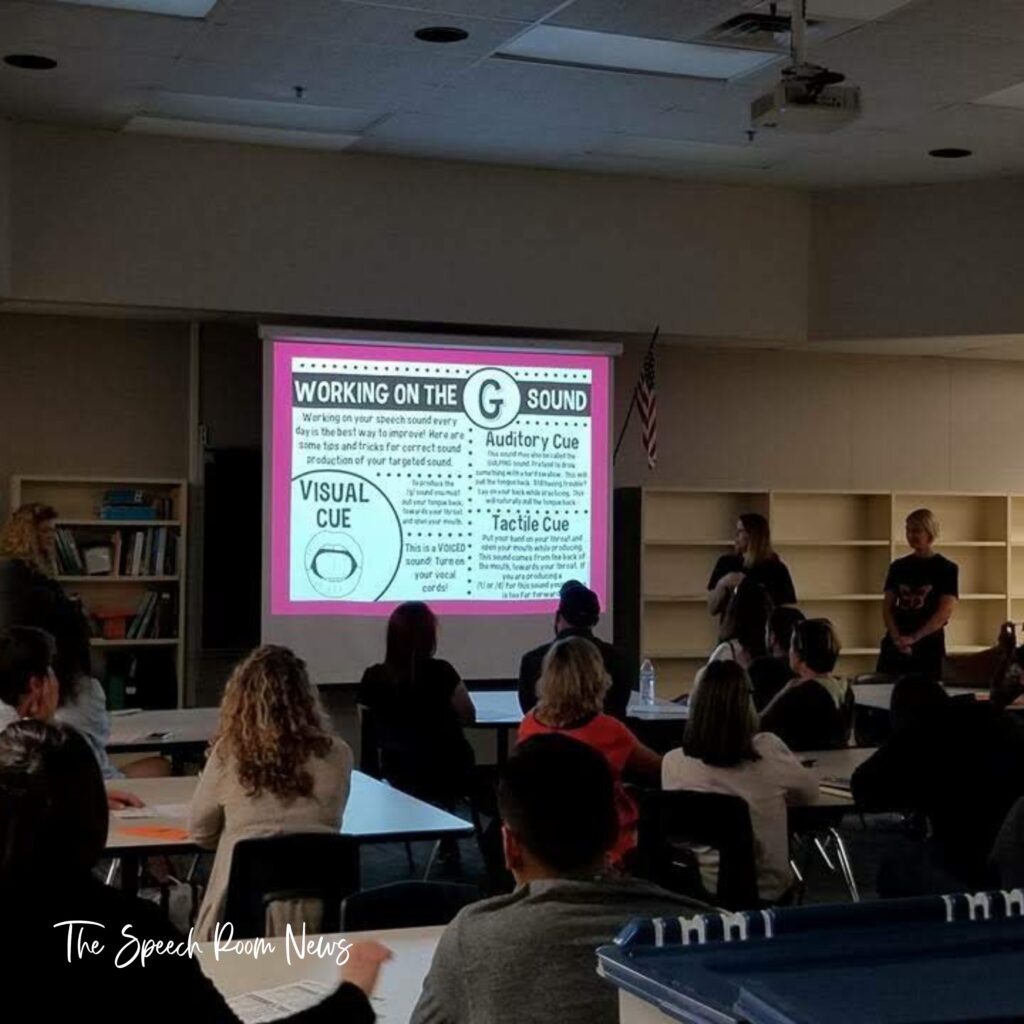
Effective handouts should be:
- Concise and Well-Organized: Avoid lengthy paragraphs. Use bullet points, clear headings, and white space to enhance readability.
- Action-Oriented: Include practical tips, step-by-step instructions for home activities, and suggested conversation starters.
- Resource-Rich: List reputable websites, recommended books, community resources, and relevant apps that support speech and language development.
- Contact Information: Clearly provide the SLP’s contact details (email, phone, preferred communication method) for follow-up questions or concerns.
- Visually Appealing: Use clear fonts, appropriate graphics, and a consistent layout to make the handout inviting and easy to navigate.
The provision of comprehensive handouts demonstrates the SLP’s commitment to ongoing support and reinforces the message that the therapeutic process is a partnership. These materials can also be shared with other caregivers, such as grandparents or babysitters, ensuring a consistent approach to supporting the child’s communication skills across various environments. For instance, the Speech Room News store offers a wide array of parent handouts designed specifically for this purpose, providing readily available, professional resources.
Quantifying the Impact: Data and Outcomes
The strategic investment in a well-executed Curriculum Night for SLPs yields measurable benefits. Data from various educational studies consistently highlight the positive correlation between robust parental involvement and improved student outcomes. For children with speech and language disorders, this correlation is particularly strong. For example, a meta-analysis of studies on early intervention for communication disorders often indicates that interventions incorporating significant parental training and home practice components demonstrate superior long-term results compared to clinic-based therapy alone.
The prevalence of speech and language disorders underscores the broad impact of effective SLP communication with parents. Approximately 5% of children have a noticeable speech disorder, and 6-8% of children have a language disorder. These statistics highlight the sheer number of families who could benefit from the targeted information and support provided during Curriculum Night. By empowering parents, SLPs contribute to better generalization of skills, increased therapy adherence, and ultimately, more efficient and effective therapeutic progress. This proactive engagement can also lead to earlier identification of needs, potentially reducing the severity of disorders over time and minimizing the need for more intensive interventions later in a child’s educational career.
Perspectives from Stakeholders
Educational administrators frequently commend events like Curriculum Night for fostering a cohesive school community and strengthening home-school partnerships. They view SLP participation as crucial for demonstrating the comprehensive support system available to students, especially those with special needs. Parent advocacy groups consistently champion transparent communication and accessible information from specialists, emphasizing that such initiatives empower parents to be more effective advocates and partners in their child’s education. Professional organizations for Speech-Language Pathologists, such as the American Speech-Language-Hearing Association (ASHA), advocate for family-centered practice, recognizing that informed and engaged parents are fundamental to successful therapeutic outcomes. The general sentiment across these stakeholder groups is that direct, clear communication from SLPs at public forums like Curriculum Night is an essential component of a truly inclusive and supportive educational environment.
Broader Implications for Educational Ecosystems
A successful Curriculum Night for SLPs extends its positive influence beyond individual student progress. It elevates the visibility and understanding of the SLP’s role within the broader school community, challenging any misconceptions that therapy is a peripheral service. This increased awareness can foster greater collaboration with classroom teachers, who may gain a better understanding of how to support students with communication needs within the general education setting. Furthermore, it can highlight the need for adequate resources and staffing for speech and language services, contributing to more robust support systems across the district. Ultimately, a well-executed Curriculum Night by SLPs strengthens the entire educational ecosystem, building bridges between home and school, demystifying specialized services, and ensuring that every child has the opportunity to achieve their full communication potential.
In conclusion, Curriculum Night is a transformative opportunity for Speech-Language Pathologists. By meticulously planning their presentations, choosing relevant topics that address genuine parental concerns, communicating in parent-friendly language, offering interactive "Make and Take" activities, and providing comprehensive handouts, SLPs can significantly enhance parental engagement. This proactive and collaborative approach not only optimizes therapeutic outcomes for individual students but also strengthens the overall educational framework, fostering a supportive environment where communication development is understood, valued, and actively nurtured by all stakeholders.
